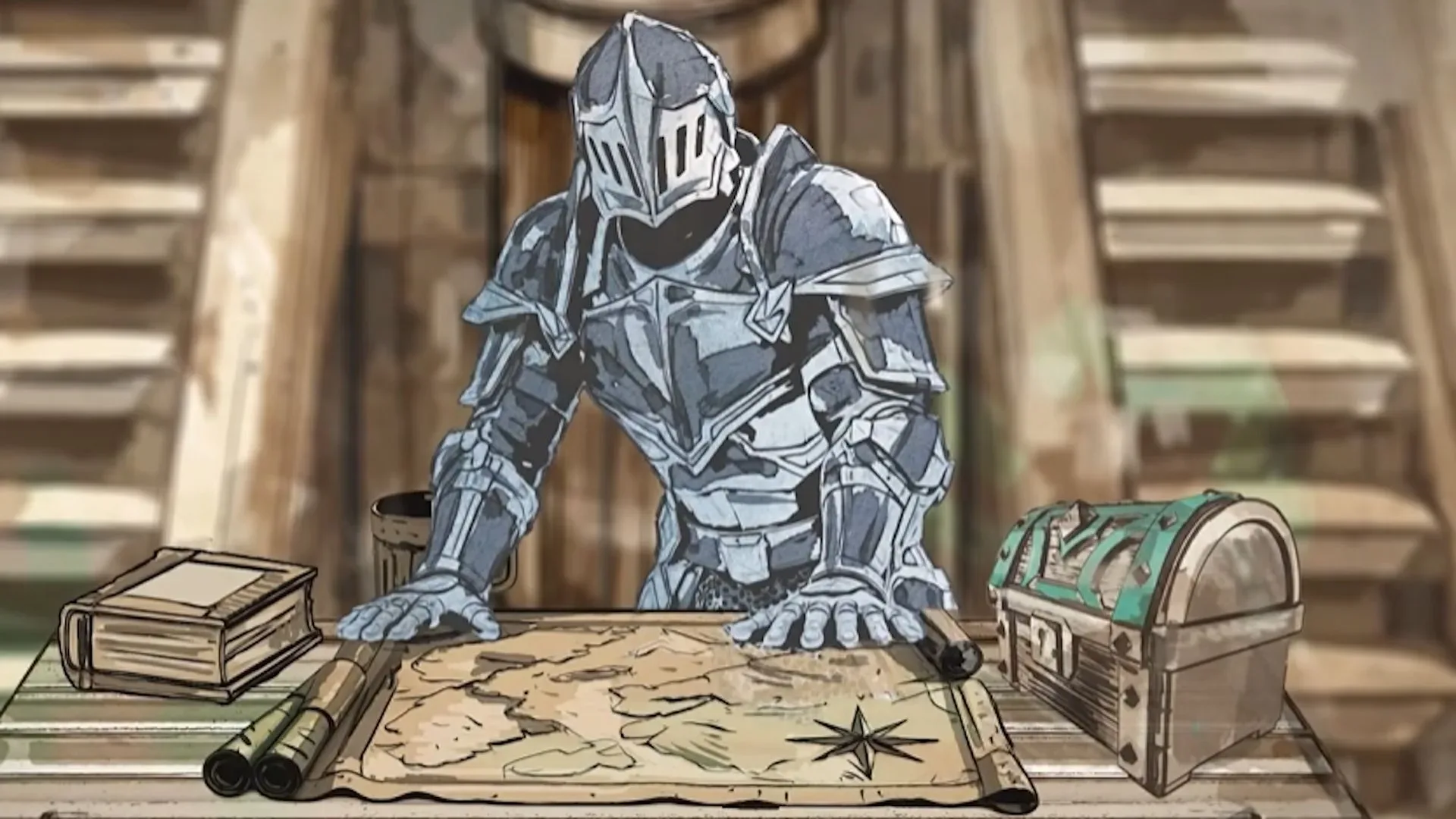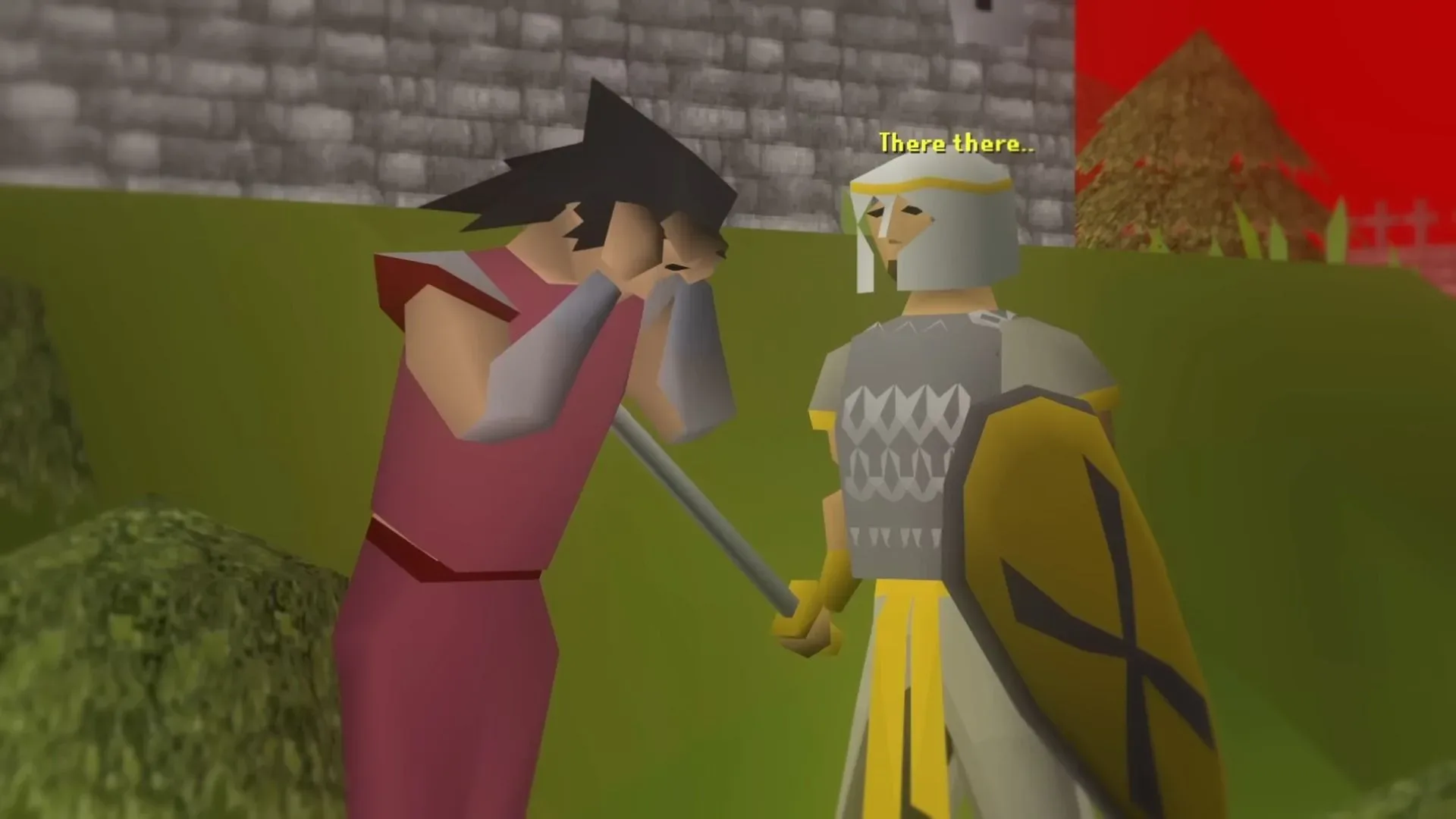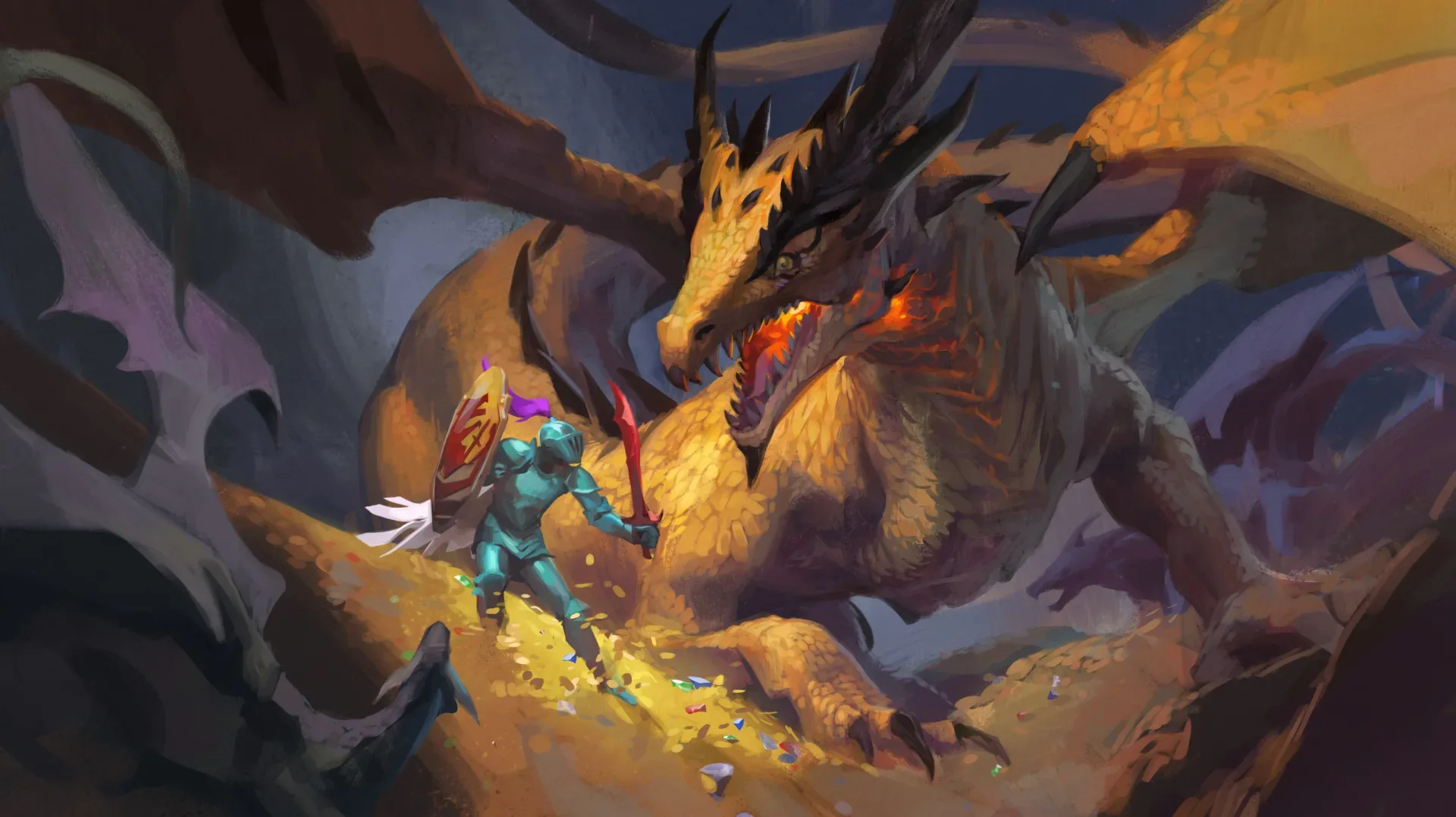
Jagex has removed a recently released RuneScape 3 trailer for the upcoming Dragon Slayer 2 questline after players raised concerns that its sketchbook-style imagery may have been made with generative AI. The studio says it is investigating urgently, apologized for the trailer’s release, and plans to change its review process after RuneFest.
The trailer had debuted during RuneFest, presenting what should be a major moment for RuneScape 3. Dragon Slayer and its sequel are established, popular high-level quests in Old School RuneScape, so bringing Dragon Slayer 2 into the RuneScape 3 spotlight carried considerable community interest. Instead, discussion rapidly turned to individual frames in the promotional video.
Viewers highlighted visual irregularities including a knight apparently shown with six fingers on one hand and another image that seemed to put contemporary Nike-style footwear on a character. Those details are not, by themselves, proof of how an image was created. But they closely resemble the kinds of anatomical and contextual inconsistencies that have become a familiar warning sign in debates over generative-AI imagery. The trailer has since been removed from official channels, although reaction material capturing the footage remains online.
What Jagex says happened
Alex Sween, Jagex’s social media manager, said the trailer came from a trusted external partner that had explicitly confirmed generative AI would not be used. The company nevertheless acknowledged that the six-fingered image was difficult to account for and apologized.
“We’re aware of the concerns raised about the Dragon Slayer 2 trailer and have taken it down, while we investigate urgently,” Sween said. “This trailer was produced by a trusted external partner who had explicitly confirmed that GenAI would not be used.”
Jagex’s stated policy is that it does not use generative AI to create its games, art, or creative assets, and that it will not knowingly permit such work to be used on its behalf. That distinction matters here: the company has not publicly presented a final finding about precisely how the trailer was made. Its immediate action was to take down the asset, investigate the partner’s work, and accept that its own approval process failed to catch material that prompted such obvious concern.
Sween described the situation as the second partner-related generative-AI issue in quick succession. Days earlier, Jagex and 100 Thieves apologized after players identified apparent generative-AI use in a collaborative Old School RuneScape T-shirt design. Jagex said it would not have approved AI use in that design and reiterated that it does not use generative AI to replace artists and developers, in marketing, in merchandise, or through partnerships.
Why the trailer’s mistakes became the story
Generative AI, often shortened to GenAI, refers here to systems that produce new images or other material from patterns learned from large sets of data. In an image workflow, the technology can create convincing-looking compositions at a glance while struggling with details such as hands, object relationships, text, clothing, or consistent design logic. A person having an extra finger is therefore widely recognized as a potential red flag, rather than definitive technical evidence on its own.
That nuance has not stopped player criticism—and it should not obscure the more immediate issue. Whether the trailer is ultimately determined to contain generative-AI material or not, the images made it to a public reveal without a review catching details that many viewers noticed almost immediately. For a studio that has publicly drawn a firm boundary against GenAI in its creative output, that is a practical quality-control problem as well as a trust problem.
The Nike-like footwear observation has a similar significance. It is not merely an argument about whether a fantasy character’s outfit is fashionable. It suggests a breakdown in visual coherence. Promotional art for a long-running game must communicate a believable version of that game’s world, especially when it is introducing a questline tied to a recognizable name. An unexplained real-world-looking brand cue can pull players out of the setting, regardless of the tool used to make the image.
That is why the community reaction has split into two overlapping questions:
- Did an outside partner use generative AI despite telling Jagex that it would not?
- Why was the finished trailer approved when apparent errors were visible in the footage?
The first is the focus of Jagex’s investigation. The second is already addressed, at least in broad terms, by the studio’s pledge to overhaul its review processes.
An external partner does not end the accountability question
Some fans have been sympathetic to the RuneScape team, seeing the statement as a candid acknowledgment that an outside vendor may have violated a clear instruction. One community response characterized the team as having been handed a difficult situation and credited the response.
Other players remain unconvinced, particularly because the trailer was released through official channels. One critical reply argued that, even if an external company created the video, the apparent mistakes raised questions about whether anyone had watched it before publication.
Both reactions identify a real tension in commissioned creative work. A studio can set restrictions in a contract or brief, but players experience the work under the game’s official name, not as an audit of the supplier chain. If a vendor’s confirmation is accepted without sufficient verification, then the policy may be clear on paper while unreliable in practice. That does not establish bad intent by Jagex or resolve what happened inside the production process. It does show why the company is treating its review system as part of the problem.
For creative teams, review is not just a final spelling check. In this case, a credible process would need to confirm that submitted material meets the studio’s technical and ethical requirements, that it fits the fictional setting, and that it is visually ready for a high-profile event. Jagex has not detailed what its revised procedure will include, so it would be premature to assume specific safeguards. But its statement makes the direction clear: reliance on partner assurances alone was not enough.
What changes next for Dragon Slayer 2
Jagex says it will work with and commission creators from the community to tell the story of Dragon Slayer II to a standard it considers appropriate for the update. That is a notable commitment because it frames the replacement effort as more than simply re-uploading a corrected trailer. It points toward a different route for presenting the questline and toward creators with a direct connection to the RuneScape audience.
The studio has not provided a new trailer date, a revised campaign outline, or details of the Dragon Slayer 2 quest itself in this response. Players should therefore separate what has been confirmed from what remains unknown: the existing reveal trailer is down; an investigation and review-process overhaul are promised; community creators will be involved in retelling the update’s story; and the eventual replacement materials have not yet been shown.
That restraint is important amid the speed of online speculation. The strange frames circulating from the trailer explain why players suspected generative AI, but Jagex’s statement is an investigation notice and an apology, not a published technical report. The company’s own wording leaves room for the inquiry to establish further facts.
Trust is now the practical challenge
The back-to-back trailer and merchandise incidents increase the stakes of Jagex’s next steps. A policy against GenAI is easiest to communicate as a statement; it becomes meaningful when it survives work handled by agencies, artists, manufacturers, and other partners. The repeated issue is therefore not only whether AI appeared in a particular image or design. It is whether players can trust that a stated creative standard is being checked throughout the production chain.
The dispute also illustrates why conversations about AI in games are rarely limited to a tool’s output. Players may care about artist livelihoods, authorship, a game’s visual identity, and whether promotional material accurately reflects a studio’s values. In other technology discussions, the key question can be what a feature does on a device; the concerns surrounding AI-made creative assets instead center on process, permission, and accountability. That broader distinction is useful context when considering other AI developments, including AI features planned for consumer software.
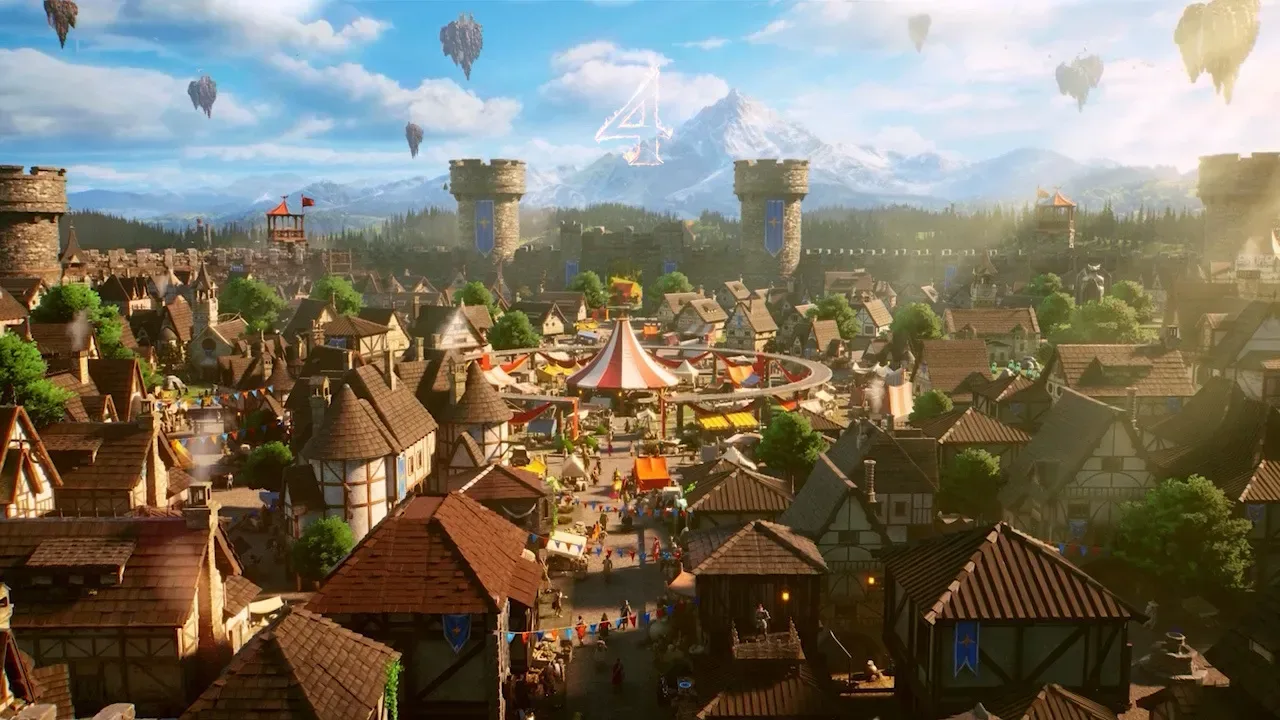
RuneFest also included a more positively received concept teaser for a fourth RuneScape MMO in active development at Jagex. Yet the pulled Dragon Slayer 2 trailer has become a reminder that presentation can shape reception as strongly as an announcement itself. For a questline carrying a name players already associate with RuneScape history, the next official showing will need to do more than avoid an extra finger. It will need to demonstrate that the studio’s stated standards are being applied before material reaches the audience.