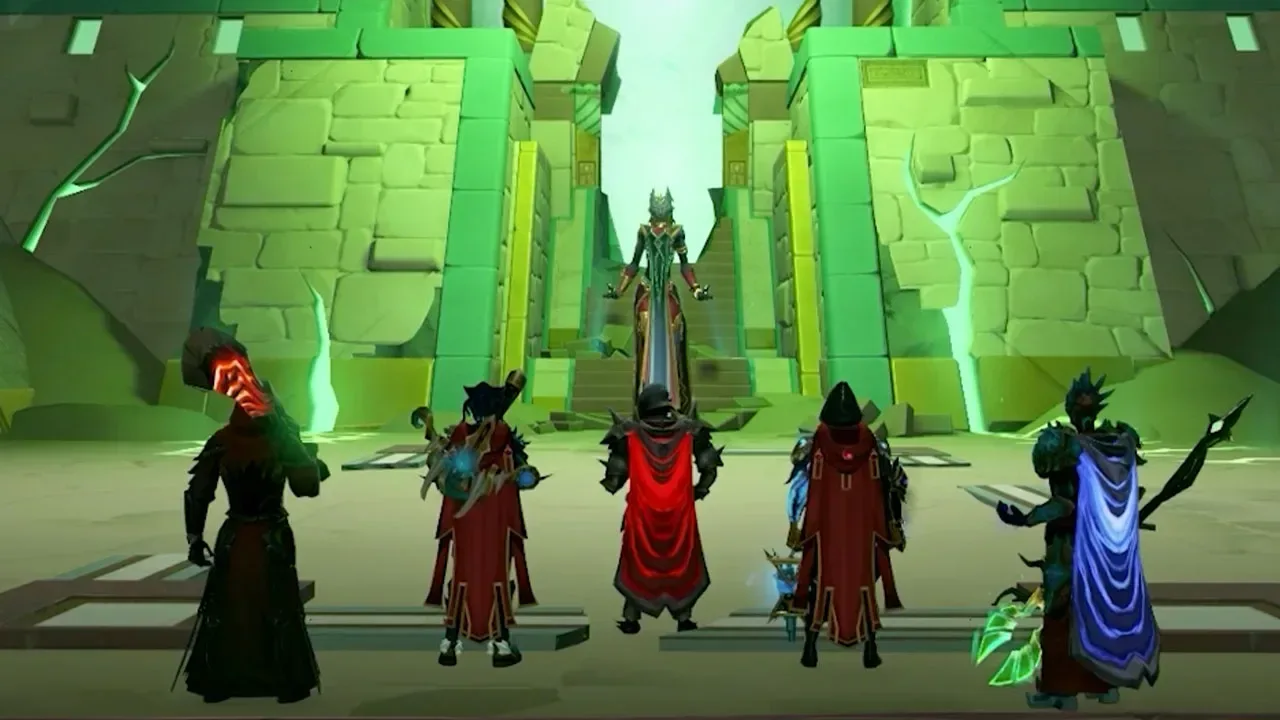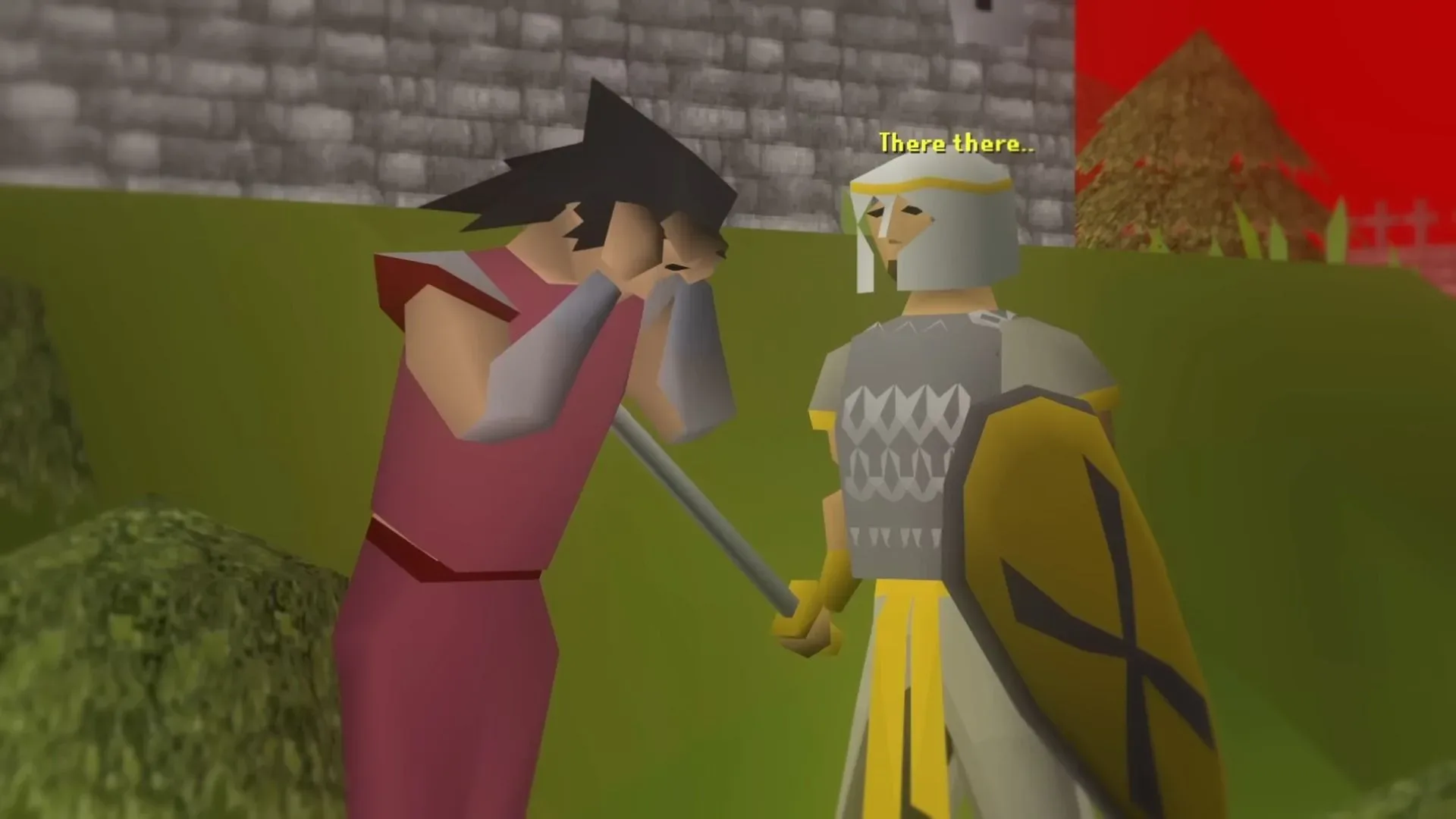
Jagex has cancelled RuneScape Reignited, ending a proposed fresh-server initiative that had rapidly become a flashpoint for the long-running MMO’s community. The idea was meant to offer a reset: new characters, a fresh economy and a version of the game positioned as free from the accumulated weight of microtransactions. But the central trade-off proved unacceptable to many established players. To participate in that new beginning, they would have had to leave their existing characters and their years of progress behind.
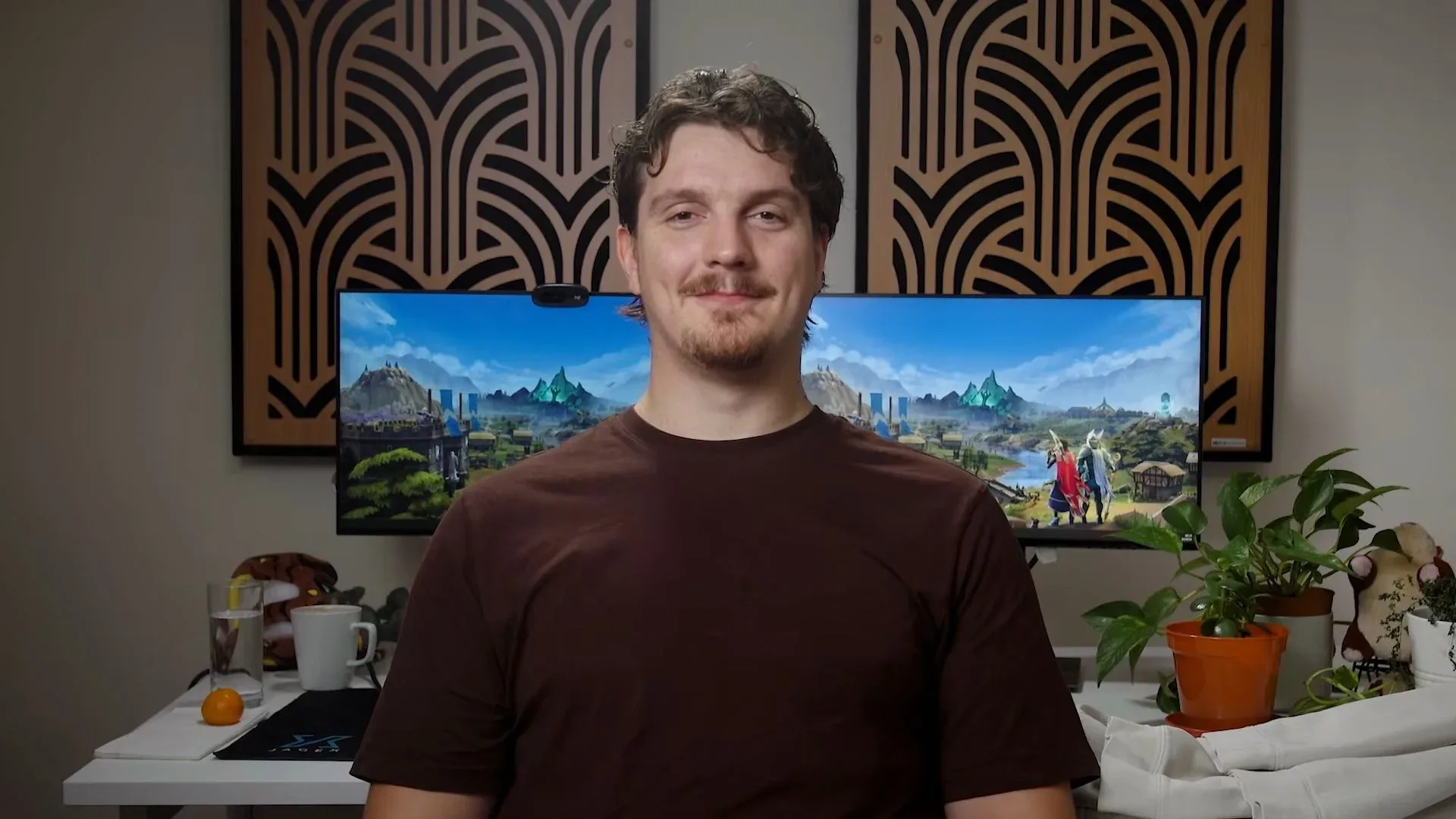
Associate creative director Mod Ryan said the studio had “missed the mark” and would not proceed. The stated aim remains bringing former players back and welcoming newcomers, but not by sacrificing the people who have kept RuneScape going. That is a concise reversal, but it matters precisely because persistent online games are not just products with feature lists. Characters, social circles, completed goals and in-game wealth can represent a substantial personal investment, even when none of it exists outside the game’s servers.
The cancellation does not mean Jagex is abandoning its broader plans to improve or expand RuneScape. The company says its RuneScape 2027 roadmap is unchanged, and a time-limited members-content trial is still scheduled to begin on December 2. Reignited, however, is no longer the vehicle for attracting a new audience.
What RuneScape Reignited was trying to do
Reignited was envisioned as a forked-server project. In MMO terms, a server fork is a separate version of a game world that runs alongside the original rather than replacing it outright. These servers would have started with fresh characters and a new economy.
A fresh economy means players begin without the existing distribution of gold, items, resources and high-level accounts that has developed over years. The appeal is easy to understand: everyone starts at roughly the same point, early gathering and trading feel newly important, and players can experience the communal rush of figuring things out at the same time.
Jagex also framed the project as an opportunity to escape systems and practices that players have associated with the game’s microtransaction burden. Yet the clean slate was inseparable from its biggest problem: it was not a clean-up of the accounts players already had. It was a separate destination, one that required them to begin again.
For a game built around progression, that distinction is enormous. A player’s account is not merely an avatar name and combat level. It may include painstakingly developed skills, hard-earned equipment, social standing and a record of their personal history in the game. A reset can be exciting for players who specifically want a launch-day-style race; it can feel like a demand to abandon a long-term home for everyone else.
Why players objected
The objections described around Reignited were practical as well as emotional. Veteran players worried that the proposed split would fragment an audience they already viewed as limited. An MMO needs people in its worlds for trading, group content, conversation and the ambient sense that a living community is present. Dividing that population across another distinct set of servers can create anxiety even before anyone knows the eventual player counts.
Related coverage includes Jagex Cancels RuneScape Reignited Following Community Backlash.
There was also a membership concern. RuneScape subscriptions do not cover multiple characters in the same way that subscriptions for some other prominent MMOs do. Critics argued that players interested in maintaining an existing RuneScape character while also trying Reignited could face another membership subscription for the new account. That turned the proposal from a voluntary novelty into a potentially costly parallel commitment.
Those two issues reinforced one another. Reignited’s appeal depended on concentrating enough people in a new world to make its first days feel significant. But if participation meant rerolling and paying separately, the very players with the deepest connection to RuneScape had strong reasons to stay put.
“Our goal is to see RuneScape grow again, with returning players coming back and new players joining, but never at the expense of our existing community,” Mod Ryan said.
That phrasing acknowledges the core issue: growth plans can fail if they treat the current audience as a problem to be routed around. A fresh-start server can be a useful concept, but only when players believe it adds a meaningful option rather than creating a choice between their history and the game’s future.
The Evolution of Combat shadow
The response also cannot be separated from RuneScape’s earlier Evolution of Combat, commonly shortened to EOC. In November 2012, the update dramatically altered the game’s combat foundations by introducing a more ability-driven system. The scale of that change led many players to leave.
The aftermath helped create the divided RuneScape landscape that exists today. Old School RuneScape revived and has continued to iterate on the pre-EOC style of RuneScape, while the later version is generally known as RuneScape 3. Reignited had been developing in the RuneScape 3 sphere. RuneScape 4 has also been announced, adding another potentially confusing label to an already complicated family tree.
Mod Ryan explicitly invoked EOC in explaining why community feedback matters, saying that the earlier failure to listen had changed combat permanently and taken more than a decade to recover from. The comparison does not mean Reignited and EOC were the same kind of project. One concerned a new, separate server environment; the other reshaped core combat. The connection is the fear of a major decision being imposed before players feel their concerns have been adequately heard.
That historical context helps explain the intensity of the response. Long-lived games accumulate institutional memory. Players may judge a proposal not just on the pitch in front of them, but on whether it resembles a past moment when they felt the game stopped serving the community that built it.
What remains scheduled for December
Although Reignited has been dropped, Jagex still plans to “open the gates” on December 2 with a 10-day period of free access to RuneScape Members worlds and content. The offer runs from December 2 through December 12.
It applies to new characters and to characters that, as of December 2, have not had membership since June 2. In plain terms, it is aimed at newcomers and eligible returning accounts, rather than serving as a permanent membership change or a replacement for Reignited.
- Start date: December 2.
- End date: December 12.
- Duration: 10 days.
- Eligibility: new characters, plus characters without membership since June 2 as measured on December 2.
- Access: RuneScape Members worlds and content during the trial period.
The trial is a notably less disruptive way to pursue the same broad objective: giving lapsed and prospective players a reason to look at RuneScape. It asks people to sample members content with eligible characters; it does not ask veterans to rebuild their progress on a newly segregated game world.
What the reversal means for RuneScape
Early reaction to the cancellation was broadly positive, though not unanimous. Some players had wanted the day-one energy of a brand-new economy and character race. Their disappointment is understandable: a reset server offers a specific kind of MMO experience that cannot be recreated simply by running a trial on existing worlds.
But many veteran players have welcomed the speed and decisiveness of the reversal. In that sense, the outcome is not that every player got what they wanted. Rather, Jagex made a choice about which disagreement it could not afford to ignore: the concern that an initiative designed to rejuvenate RuneScape would isolate the people most invested in it.
That presents a hard design and business challenge going forward. The studio still wants to make RuneScape more inviting to returnees and first-time players, and it has been pushing to improve the game and narrow the gap in popularity with Old School RuneScape. The cancelled plan suggests that simply creating a parallel fresh-start destination is not enough, particularly if it carries account and membership friction.
The useful lesson is not that MMOs must never offer fresh servers, resets or alternate rulesets. It is that the terms matter. Players will ask whether their existing account remains valued, whether their friends will be split apart, whether access is fair, and whether the project addresses the reasons people left in the first place. In RuneScape’s case, the answer to those questions was not convincing enough.
For now, the immediate change is clear: no RuneScape Reignited, no separate mandatory-feeling restart for players seeking the refreshed experience, and no change to the broader 2027 roadmap. The December access window offers one modest next step for eligible new and returning players. The bigger task is building a path for growth that does not repeat the mistake Jagex itself has identified—making sweeping decisions without carrying its community with it.
That tension is familiar across the games business, where long-running live-service titles must simultaneously court new users and respect an audience whose commitment is measured in years. For a separate look at the wider corporate pressures shaping entertainment companies, see Skydance’s Wall Street debut and its debt challenge.