Elderwood, a browser-based multiplayer game openly described by creator Rohan Varma as a “RuneScape clone,” has shut down only days after it appeared online. The game’s site says Jagex sent a notice requesting that the website be taken down, and that Elderwood is no longer operating.
The unusually short timeline has made the project a flashpoint for two overlapping conversations in games: the difference between borrowing a genre’s broad ideas and reproducing another game’s recognizable identity, and the limits of using generative AI to rapidly create and publish a playable product.
Varma, who works on OpenAI’s Codex coding tool and previously worked at Palantir, introduced Elderwood on September 6. In comments about the project, he said he had asked GPT-6 Astra in Codex to build RuneScape and deploy it to a ChatGPT Site. By September 9, Elderwood’s own website said a notice from Jagex had led to its closure.
“Elderwood has closed,” the site states. “We received a notice from Jagex asking us to take down the website.”
The statement goes on to say that operations are being discontinued and that the game cannot be played anymore. It also says the project’s high scores will remain available as a record of player achievements, though the game itself has been removed.
A familiar MMO template crossed into familiar RuneScape territory
There is nothing inherently unusual about a new online role-playing game taking cues from older MMOs. Games have been iterating on gathering, combat skills, player trading, quest hubs, loot systems, banks and social spaces for decades. The genre is practically a communal toolbox with a very large “please return tools after use” sign hanging above it.
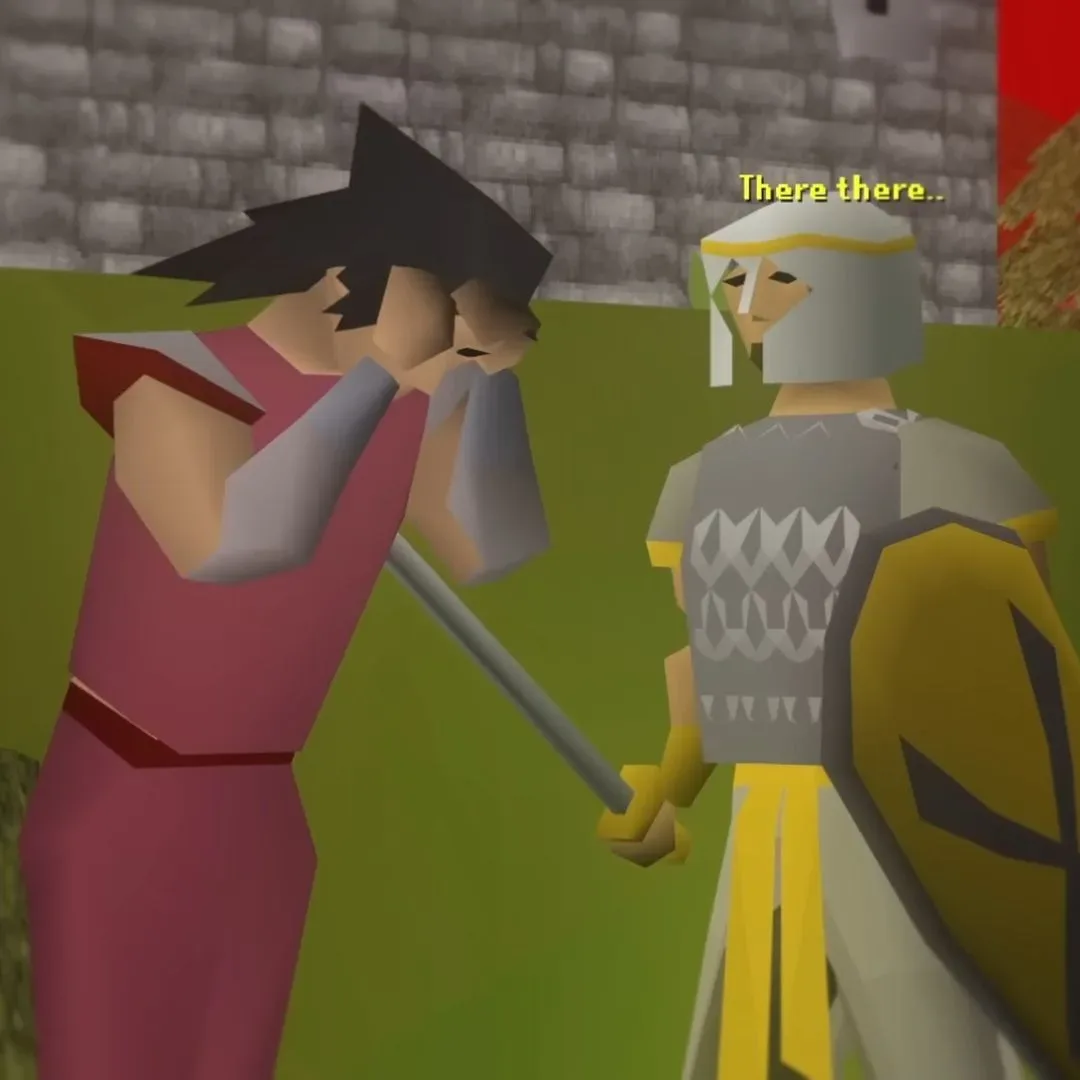
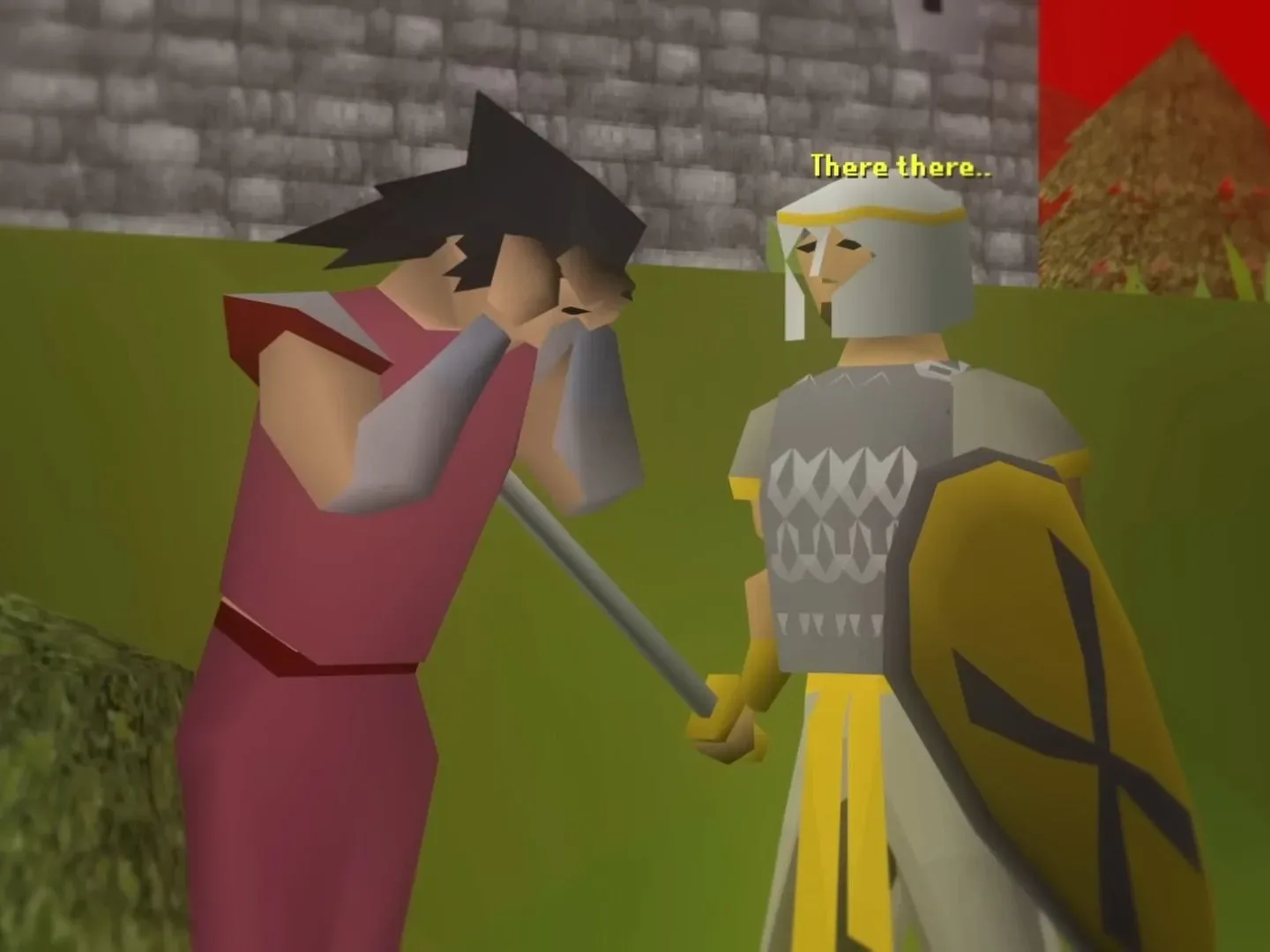
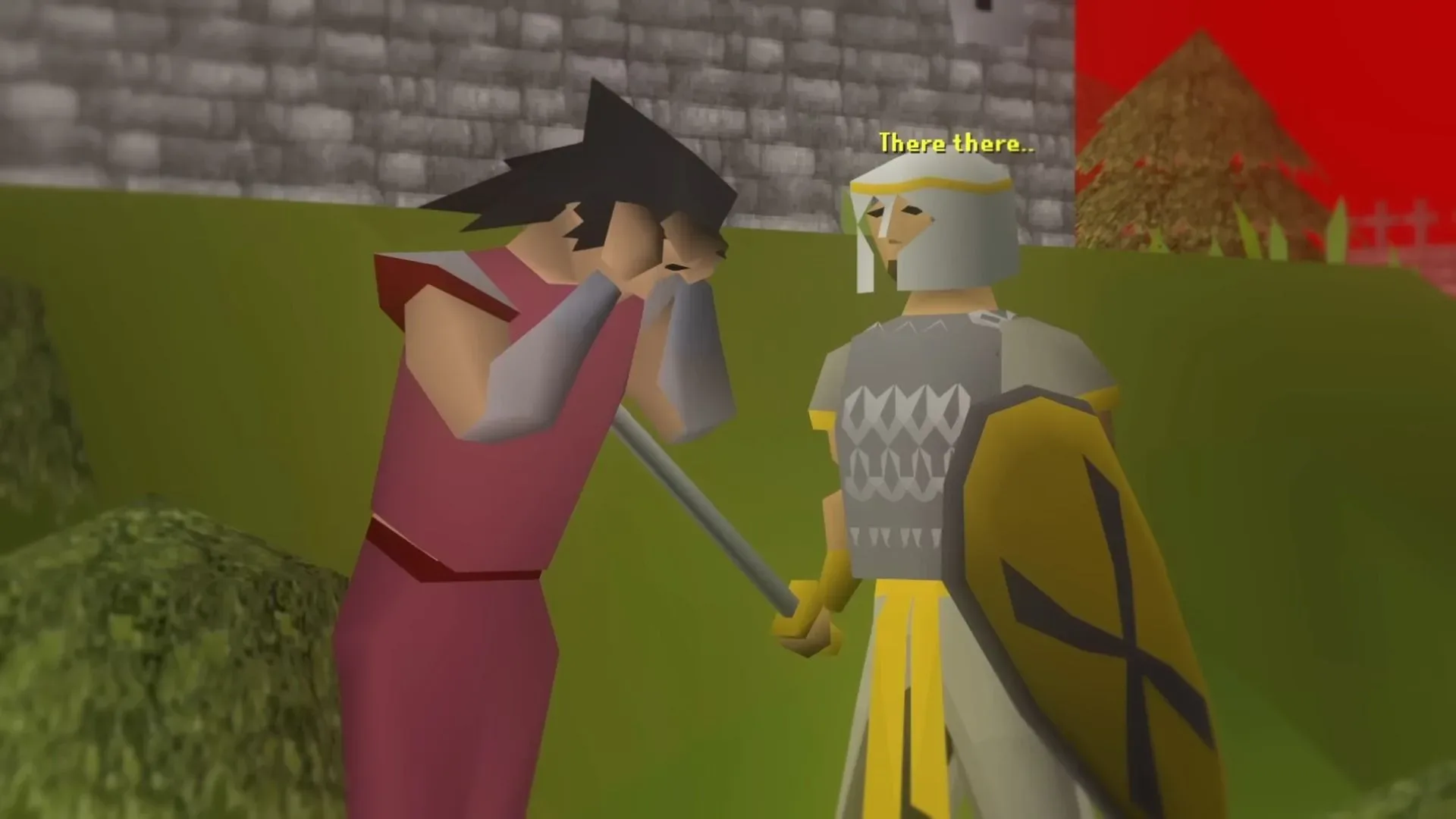
Elderwood’s problem, based on material shared around its launch, was not merely that it used an old-school fantasy MMO format. The project appeared to echo Old School RuneScape especially closely in visual presentation, menu structure, item terminology and in-world references. That is a considerably riskier proposition than making a game with, say, woodcutting as an activity.
Reports and videos of Elderwood showed similarities including the skill name Woodcutting, gold pieces identified as GP, party hats, and references to places called Varrock and Falador. Those names carry particular significance because they are strongly associated with RuneScape. The broad aesthetic also closely resembled early RuneScape and Old School RuneScape rather than simply sharing the wider low-poly fantasy traditions of the early internet.
Related coverage includes Elderwood Shuts Down After Jagex Notice Over RuneScape-Like MMO.
That distinction matters. Inspiration can be a starting point for a game’s structure, mood or audience. It becomes much harder to characterize something as a separate work when the copied or imitated elements include distinctive names, items, interfaces and locations that point back to one specific game. Building an MMO around familiar loops is one thing; seeming to rebuild a particular MMO’s front yard, shed and mailbox is another.
Jagex moved quickly
Jagex, the developer behind RuneScape, acted within days of Elderwood’s reveal. The available wording from Elderwood’s closure notice says Jagex asked for the website to be removed. No further details about the contents of that notice, any negotiations, or additional legal proceedings have been provided in the public statement.
That leaves important unanswered questions. It is not publicly established which particular elements Jagex identified, whether the dispute extended beyond the site itself, or whether Elderwood’s operators changed or removed any individual game materials before ending service. What is clear is the outcome: Elderwood’s site says the game is unavailable and its operation has ended.
For players, this is also a reminder that the apparent speed of AI-assisted production does not erase the ordinary obligations involved in publishing software. A game may be assembled and deployed quickly, but it still has names, art direction, user-facing systems, community expectations and potential intellectual-property concerns. Faster construction does not make the guardrails disappear; it just means a project can arrive at them at considerably higher velocity.
The community response was emphatic
Old School RuneScape players on Reddit reacted to Elderwood’s removal with little ambiguity. Many commenters treated the shutdown as a straightforward victory for Jagex and for creative work they believe was copied too closely. “VICTORY DOWN WITH AI SLOP!” was among the highly visible responses.
Other players pushed back on descriptions of the project as merely “inspired by” RuneScape. Their objection was rooted in the accumulation of recognizable elements, not simply in the fact that Elderwood was an online fantasy game. For that community, terms such as Varrock, Falador, GP and party hats do not read as neutral genre ingredients. They read as signposts from a world players have spent years exploring.
Some of the reaction also focused on the use of AI in the project’s construction and presentation. Varma’s own description of asking Codex to build RuneScape made the project an especially conspicuous example in the ongoing debate over generative tools in game development. Critics argued that the project demonstrated how quickly AI can reproduce the outer shape of an existing game without the creative separation needed to make a new one.
That criticism should not be broadened into a claim that every AI-assisted game is necessarily derivative or unusable. Game development tools have always changed the pace and accessibility of production, from engines and middleware to procedural systems and visual scripting. But Elderwood illustrates why the conversation cannot stop at whether a tool can generate code, art or interface elements. Developers still need to decide what they are making, what materials it resembles, and whether players will perceive it as a distinct creation.
A small episode in a much larger AI-development argument
The interest in Elderwood is larger than the project’s brief lifespan because it condenses several tensions into one unusually legible case. There is the marketing appeal of creating a game through a simple prompt. There is the temptation to use a beloved existing title as the prompt’s blueprint. And there is the awkward reality that an online game is not just a technical demo once it is released to players.
Multiplayer games create records: usernames, rankings, chat, communities and expectations that a service will continue to exist. Elderwood’s farewell message thanked users for their earned levels, conversations, bug reports and shared moments, while saying that high scores would be retained. Even in a short-lived service, players had time to form a small community around it.
That human layer is one reason “it was only a prototype” is not always a satisfying response after a public deployment. A private experiment can test technical capabilities. A publicly accessible multiplayer world invites people to spend their time, attention and creativity inside it. If its foundations are exposed to an immediate rights dispute, that experience can vanish as quickly as Elderwood did.
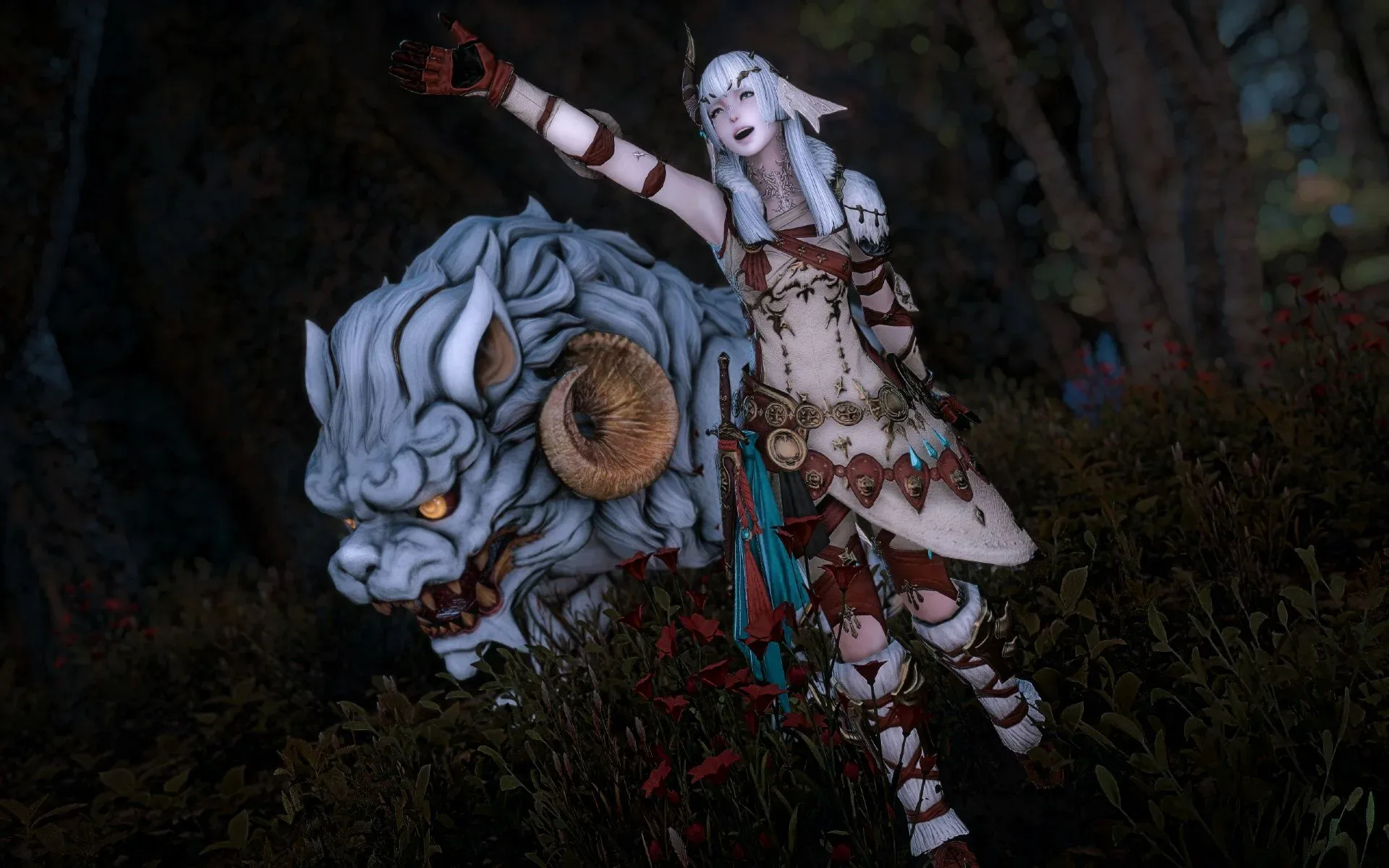
For an instructive contrast, established online games can expand their systems while leaning into identities they have built over years. Final Fantasy 14’s Beastmaster update, for example, shows how a long-running MMO can add a familiar genre idea—collecting creatures—within its own ongoing setting, rules and player culture.
What Elderwood’s shutdown does and does not settle
Elderwood’s closure does not settle every question around AI-generated games. It does not establish that coding assistants cannot be used responsibly, nor does it mean developers must avoid the genres and mechanics pioneered by famous games. An MMO can have gathering skills, fantasy cities, commerce and pixel-forward visuals without being RuneScape.
It does underline the importance of creative distance. Names should be original. Setting and lore should stand independently. Visual language should not imitate a single recognizable work so closely that viewers immediately understand the comparison. Teams using automated tools also need human review robust enough to catch obvious overlap before a project is presented as a public game.
Most importantly, the phrase “clone” may be useful shorthand in a casual technical conversation, but it is an alarm bell when paired with public deployment and highly specific references to another company’s game. Elderwood’s swift removal shows why. The game arrived with a ready-made identity borrowed from one of the best-known MMOs on the internet, and Jagex’s request appears to have ended the experiment almost as soon as it began.