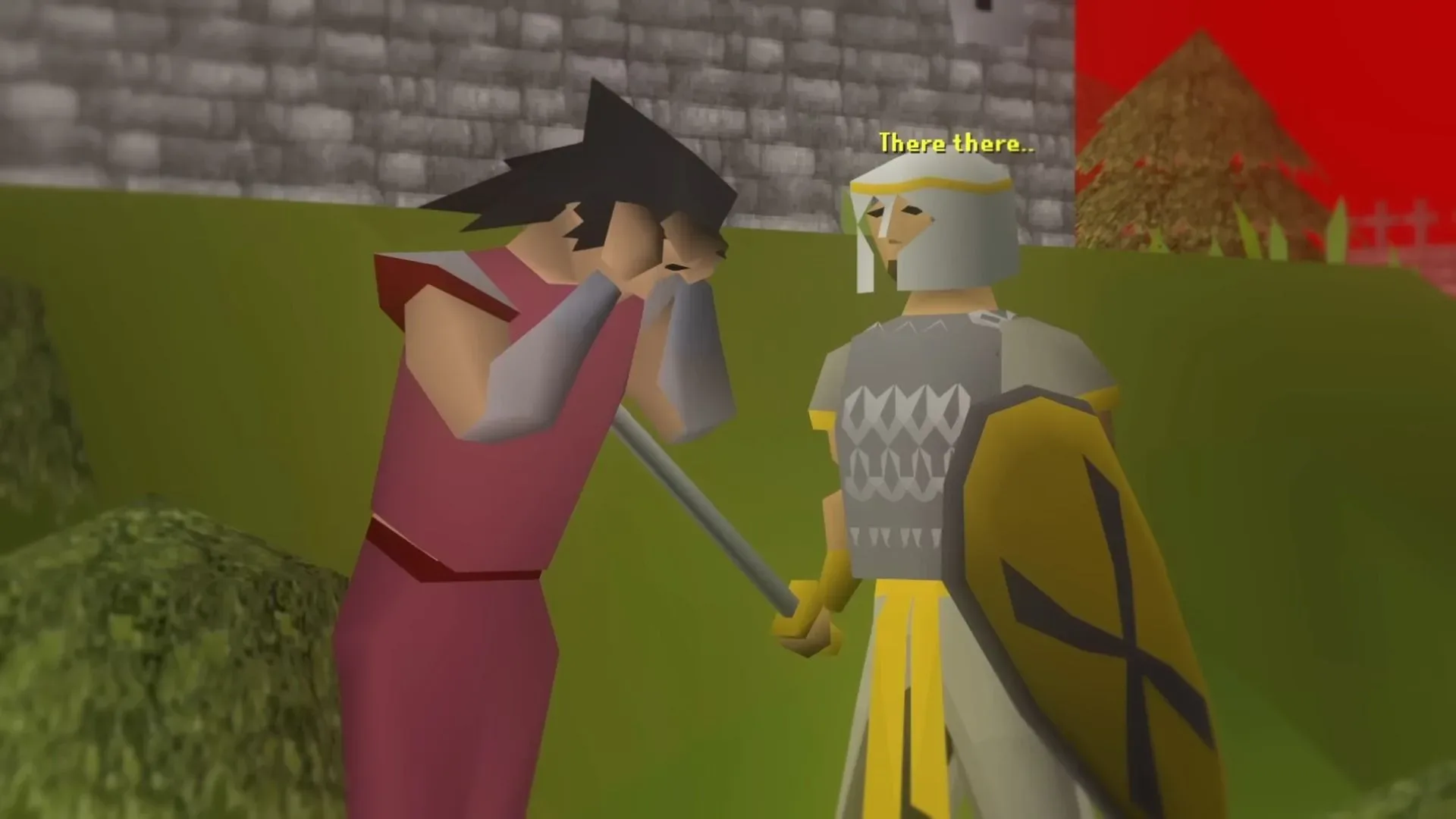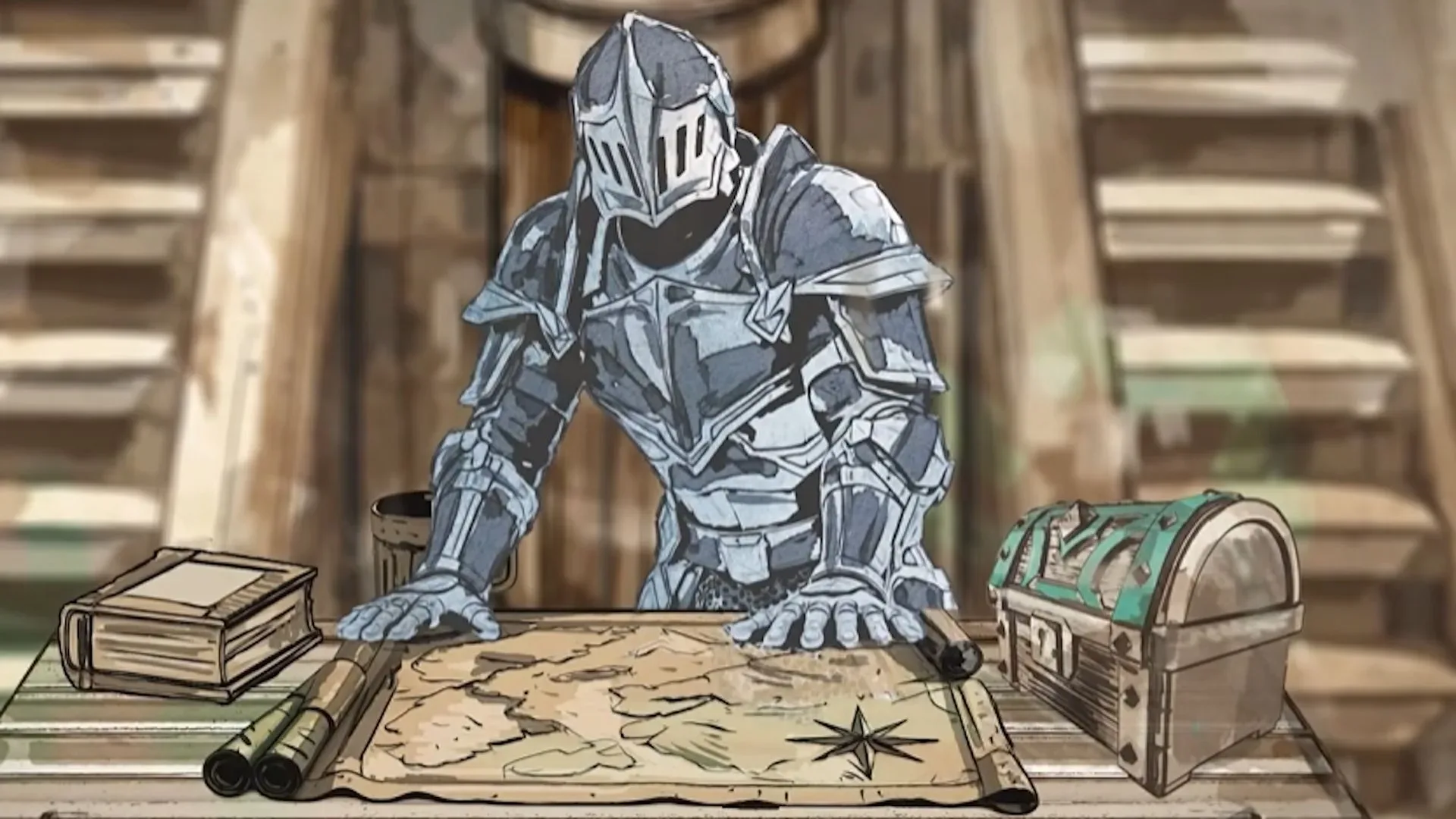
Jagex has taken down a trailer promoting Dragon Slayer 2 for RuneScape after players flagged visible signs of apparent generative-AI imagery in the video. The company says the trailer came from an external partner that had specifically said generative AI would not be involved, and it has apologized while promising to change how partner work is reviewed.
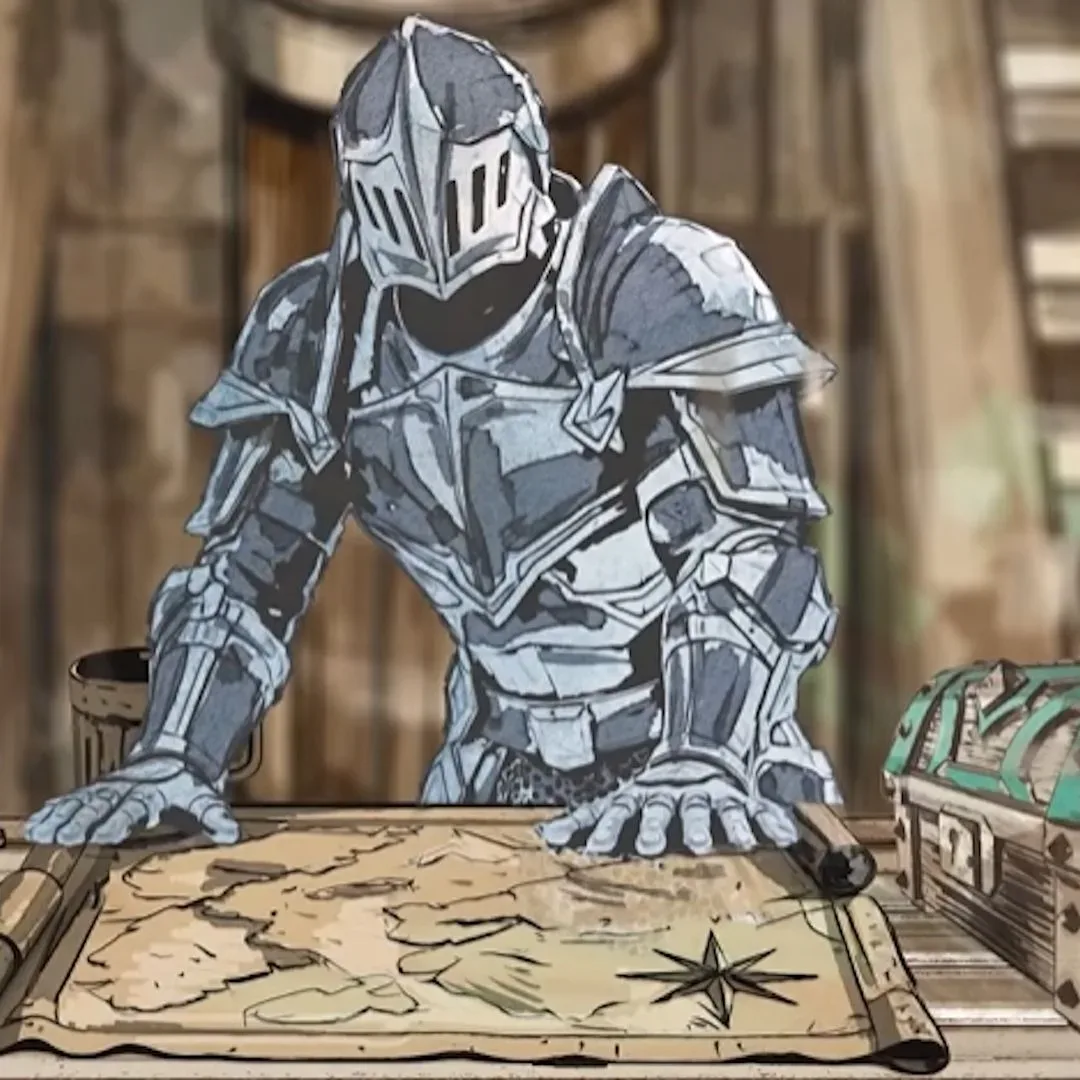
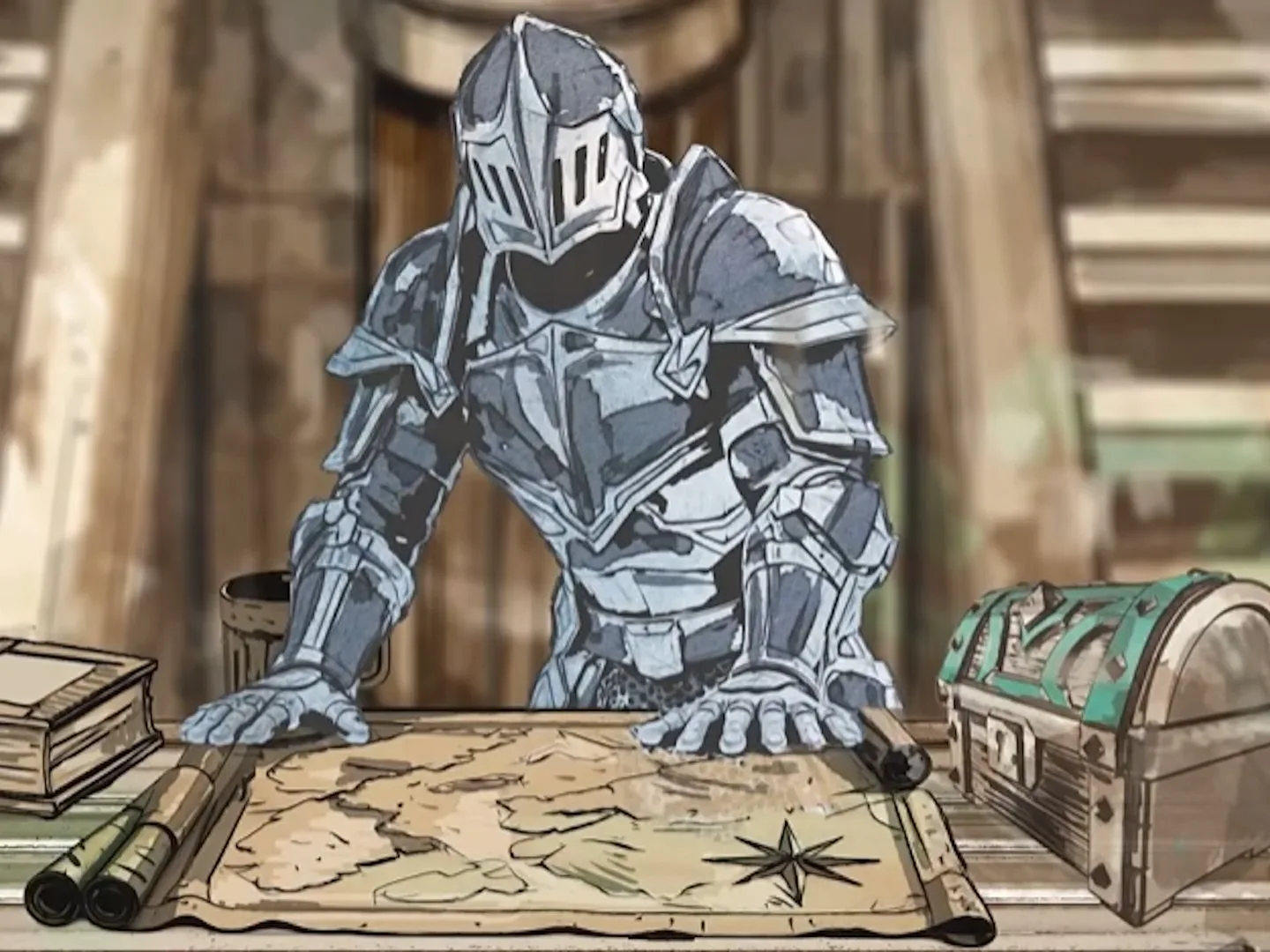
The removal matters beyond one awkward marketing clip. Dragon Slayer 2 is positioned as a follow-up to one of RuneScape’s best-known quest lines, one that Old School RuneScape had already continued years earlier. It was a prominent reveal from RuneFest, so the trailer was meant to establish excitement and confidence around a major update. Instead, attention rapidly shifted to the apparent errors in the imagery: a knight with six fingers, unusual steel-plated tennis-shoe-like footwear, and other details players associated with AI-generated visuals.
A trailer is gone, but the bigger issue is trust
In a statement shared with both the Old School RuneScape and mainline RuneScape communities, moderator Sween said the team was aware of the concerns, had removed the trailer, and was urgently investigating. He later explained that Jagex did not produce the clip itself. The external partner, he said, had confirmed that it would not use generative AI.
That assurance is at the centre of the dispute. Jagex’s stated position is that it does not use generative AI for games, artwork, or creative assets, and will not knowingly permit its use on the company’s behalf. Earlier in 2026, product senior vice president James Dobrowski described a hard-line approach, saying no generative AI would appear in assets players can touch, hear, or feel.
The Dragon Slayer 2 trailer appears to have collided directly with that promise. A six-fingered hand is not, by itself, proof of a specific production pipeline, but it is a well-known kind of visual anomaly that can appear in generated images. In this case, Jagex’s own response did not argue that the public had misunderstood the trailer. Instead, the company acknowledged the problem and said the partner’s work had not been adequately caught before release.
“This is the second time in quick succession that concerns about generative AI have arisen through partners we trusted,” Jagex said, adding that the pattern exposed a problem with its own processes.
What “generative AI” means in this dispute
Generative AI is a broad term for systems that create new text, images, audio, video, or other material from prompts and learned patterns. In this story, the concern is not an AI-assisted back-office task or a technical tool hidden from players. It is imagery in outward-facing creative promotion: material made to represent the game and its upcoming quest to the community.
That distinction explains why Jagex’s previous wording was so consequential. A player-facing asset can include game art, a trailer, promotional design, merchandise art, or other media audiences see and judge as part of a game’s identity. When a studio says those materials will not involve generative AI, audiences reasonably expect that standard to extend to agencies, contractors, collaborators, and other outside suppliers—not only to staff working directly inside the studio.
Related coverage includes Jagex Removes Dragon Slayer 2 Trailer After Generative AI Concerns.
Outsourcing does not remove the need for oversight. It changes where oversight must happen. A partner may do the production, but a publisher or developer still chooses whether the final work is approved, released, and attached to its name. Jagex has effectively recognized that point by framing the episode as a failure in its own review process as well as a failure by the partner.
Why the apology arrived under extra pressure
This was not the first recent controversy involving an outside RuneScape partner and suspected AI material. An Old School RuneScape collaboration with esports organization 100 Thieves, timed around RuneFest, also drew criticism for AI-generated-looking designs. On September 30, 100 Thieves said it had missed AI in the design.
That same day, Sween said Jagex would not have approved AI use in the designs and that the company did not use generative AI to replace its artists and developers. He also said the policy applied to marketing, merchandise, and partnerships. That statement resurfaced following the Dragon Slayer 2 trailer’s appearance, because the sequence made the policy sound stronger than its enforcement.
Sween responded directly to that criticism, saying he had not knowingly lied, felt awful, and understood why people would interpret events as they had. It is a notably personal acknowledgment, but it also captures the practical challenge Jagex now faces: a policy is only as credible as the checks that prevent prohibited material from reaching the public.
What an overhaul needs to address
Jagex says it is immediately overhauling its review processes after RuneFest. It also plans to work with and commission community creators to tell Dragon Slayer II’s story to a standard the update deserves. That is a specific commitment on the creative side, although the company has not yet detailed the new approval rules or said when a replacement trailer will arrive.
Based on the problem Jagex has described, a meaningful review overhaul has several clear objectives. First, suppliers must receive explicit written terms about what tools and production methods are acceptable. Jagex says the trailer partner had already confirmed that generative AI would not be used, which means a simple assurance was not enough in practice.
Second, final materials need close review before publication. This does not mean every odd-looking pixel proves wrongdoing, but major promotional videos benefit from reviewers who understand the game’s visual language, know the company’s public commitments, and can stop work that plainly conflicts with those commitments. The reported six-fingered character became a shorthand for a basic failure of quality control: an issue visible enough for the audience to find should have prompted questions before release.
Third, accountability must cover the entire chain. A studio can prohibit a practice internally while still being exposed if its external agencies, merchandise partners, or collaborators do not follow the same standard. Jagex’s latest statement is significant because it no longer treats this simply as an isolated partner mistake. It says two recent incidents show an internal process problem that must be fixed.
What this means for Dragon Slayer 2 and other announcements
There is no stated date for the trailer to return, and it is unclear what form a replacement will take. The quest itself remains an announced RuneScape project; the removed video is the part that has changed. Jagex’s plan to commission community creators suggests the eventual presentation may be rebuilt rather than merely reposted after minor alterations, but no final format has been confirmed.
The controversy has also encouraged extra scrutiny of other recent RuneScape material. Comments on the reveal for Temple of Ah Za Rhoon have questioned whether generative AI was involved there as well. Questions in comments are not evidence that another asset used AI, but they illustrate the broader consequence of the Dragon Slayer 2 incident: once trust in review standards is damaged, unrelated work can become suspect.
That is especially inconvenient at a moment when the company has more than one large RuneScape story to communicate. Jagex is also building RuneScape 4, a new MMO in Unreal Engine. MMO audiences tend to receive a steady stream of trailers, visual reveals, community campaigns, and partner promotions over long development cycles. Each one becomes another test of whether the promised process changes are visible in the finished work. For a broader look at another MMO launch, see this coverage of AION 2’s global release.
Analysis: the standard has to be observable
Jagex has not changed its stated anti-generative-AI position. The sharper question is whether it can demonstrate that position through its releases after this point. The Dragon Slayer 2 trailer did not create the policy problem; it exposed the gap between a public commitment and the approval system meant to uphold it.
Its decision to remove the trailer rather than defend it was the necessary immediate step. The more difficult work is procedural and ongoing: vetting suppliers, examining final deliverables, and ensuring partners understand that the company’s rules apply to them without ambiguity. The proposed involvement of community creators could help restore confidence in the specific Dragon Slayer II presentation, but it will not substitute for dependable controls on every future campaign.
For players, the short-term takeaway is straightforward. Dragon Slayer 2 is still planned, the original promotional trailer has been pulled, and a replacement has no announced timetable. For Jagex, the longer-term task is equally straightforward but much harder: make the next approval process robust enough that fans do not have to spot the sixth finger first.