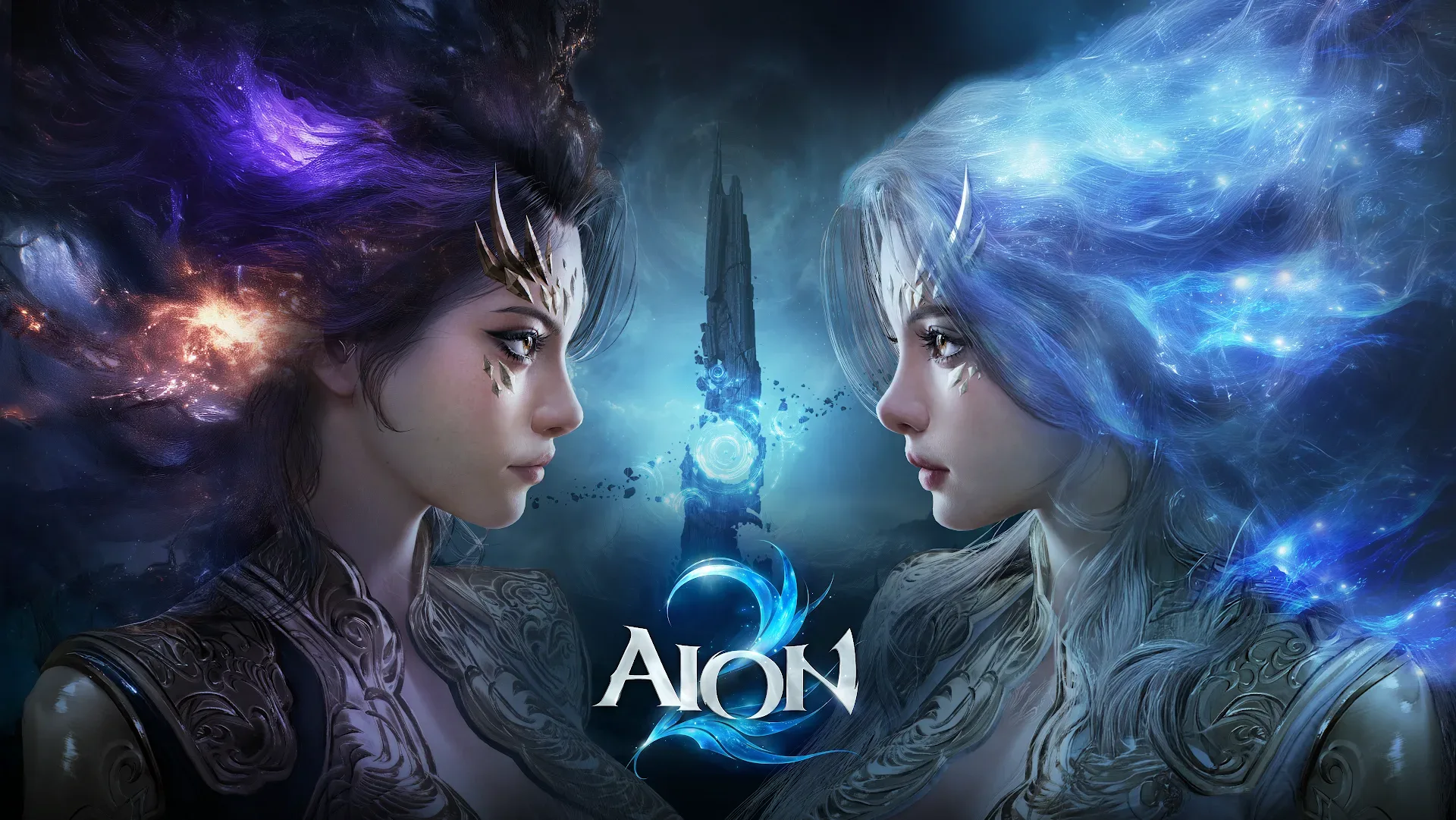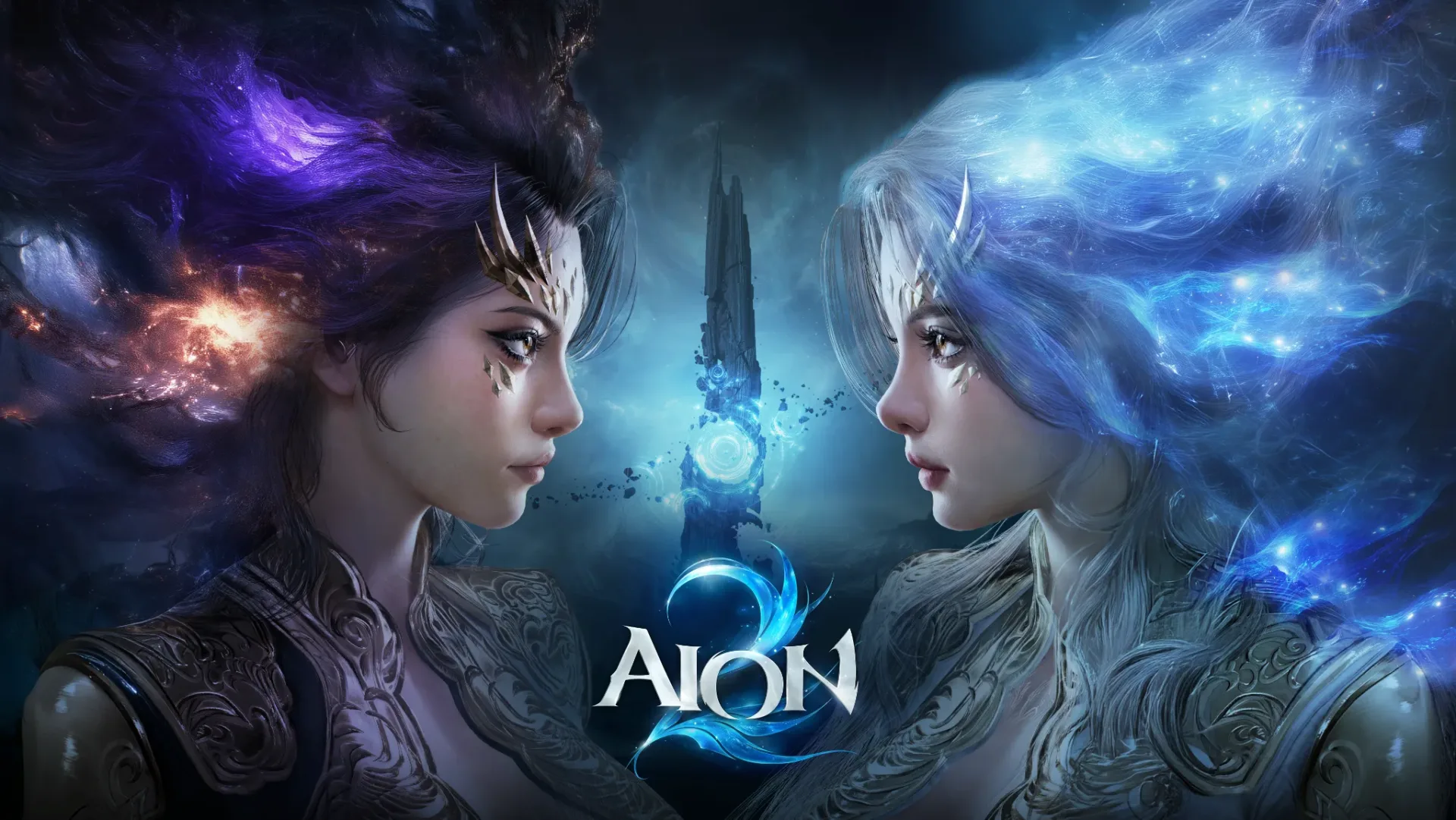
AION 2 has launched globally as a free-to-play PC MMORPG on Steam and PURPLE. The new online role-playing game arrives after entering Early Access on September 30, a debut that placed it first on Steam’s global top-selling chart in more than 10 regions.
Developed specifically for PC, AION 2 is built around a familiar MMO proposition—create a character, explore a fantasy world, fight monsters and other players, and tackle group activities—but its defining idea is mobility. Flight is not presented as a one-off traversal gimmick. It is central to getting around the environment and to fighting in the air.
The game is available across servers in North America, South America, Europe, and Asia, with Japan specifically included in its Asian server footprint. Localization is available in English, German, French, Spanish, Portuguese, Japanese, Korean, and Russian. It has an ESRB rating of Teen and a PEGI rating of 16+.
A PC-first MMO with a large global rollout
AION 2’s launch strategy matters because massively multiplayer games depend on active communities. A global release across several regional server locations is intended to give players a closer home region while maintaining a broad international audience. In practical terms, server region can affect connection quality and the times at which group content, arena queues, and large faction battles are busiest.
The game’s early Steam chart result is also a meaningful measure of attention rather than a guarantee of its long-term health. A top-selling position indicates a strong opening commercial response in the regions counted, especially notable for a free game that entered Early Access before this wider launch. It does not on its own reveal retention, server performance, the size of the ongoing population, or how players will respond after spending more time with the endgame. Those are separate questions that emerge only after a live-service game has had time to settle.
Steam is the best-known storefront in this release, but PURPLE is also part of the PC launch. Players choosing where to access the game should recognize that the announcement establishes both platforms as official ways to play, while leaving platform-specific account, community, or feature details unstated.
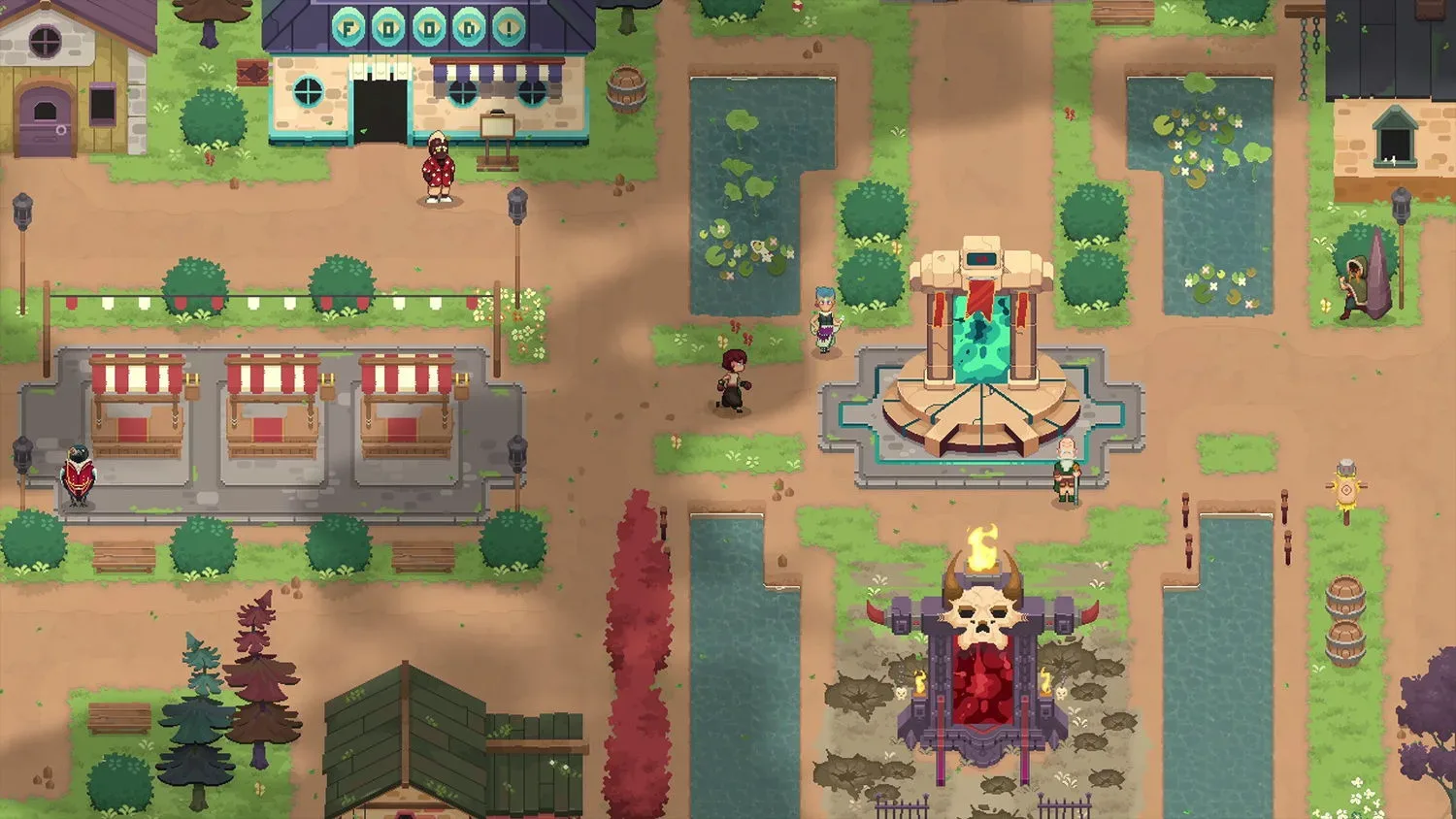
For readers following other recent PC storefront releases, Teamcrafter’s Steam demo illustrates the very different end of the PC-game spectrum: a small roguelite demo versus a globally launched online world designed around persistent social activity.
What makes flight important in AION 2
AION 2 emphasizes freedom of movement, environmental traversal, and aerial combat. That combination gives flight three distinct jobs. First, it is a transportation system: players can move through the world vertically rather than treating terrain solely as something to run around. Second, it becomes an exploration tool, potentially changing how routes and spaces are approached. Third, it is a combat consideration, because the game explicitly includes fighting in the air.
Related coverage includes AION 2 Launches Globally as Free PC MMORPG on Steam and PURPLE.
That last point is particularly important. In many action games, a jump, dash, or gliding mechanic creates a brief moment of mobility. Aerial combat suggests that positioning above, below, or alongside an opponent can be part of an encounter’s tactical picture. It may require players to think about movement and targeting at the same time, rather than viewing flight simply as downtime between destinations.
The announcement describes combat as a blend of precision, timing, and positioning alongside traditional tab-targeting. Tab-targeting is an MMO control approach in which players select an enemy target—commonly by cycling through available targets—then use abilities on that selected opponent. It contrasts with systems where every attack must be aimed directly through a crosshair or manually lined up in real time.
A hybrid approach can aim to retain the readability and ability management associated with classic PC MMORPG combat while making movement matter more. Precision and timing imply that when an ability is used and where a character stands remain significant; positioning means players may be rewarded for controlling distance, angle, or location. The announcement does not detail individual class kits, cooldown systems, resource mechanics, or targeting rules, so those specifics remain unknown.
Solo play, dungeon parties, and 10-player raids
The PvE side of AION 2 spans solo content, five-player dungeons, and 10-player raids. PvE means player versus environment: participants cooperate against computer-controlled enemies and encounter mechanics rather than competing directly against other players.
Five-player dungeons are a conventional small-group format for MMORPGs. Their presence gives players a structured activity between solitary progression and larger coordinated events. The announcement characterizes the game’s raids as 10-player activities centered on learning mechanics, movement, and teamwork. In this context, “mechanics” means the specific rules and dangers built into a boss fight or encounter: attacks to avoid, timings to recognize, positioning requirements, and coordinated responses a group needs to execute.
The stated focus on movement is a natural match for AION 2’s broader flight and positioning pitch. Still, it would be premature to assume every raid involves aerial mechanics or to define how demanding its encounter design will be. What is clear is that the game is positioning group success as more than a matter of raw character power. Coordination and execution are stated goals of the 10-player activity structure.
The availability of solo content is equally worth noting. Online games can ask players to move between different social commitments depending on the activity, and solo material provides a path for people who want to progress or explore outside fixed group sessions. No further details have been provided about story progression, rewards, difficulty options, or the balance between solo and group advancement.
The PvP offering brings back the Abyss
On the competitive side, AION 2 includes 1v1 and 4v4 arenas, as well as cross-server Realm-vs-Realm battles. Arena formats create contained player-versus-player matches at two very different scales: a duel tests an individual character and player, while four-versus-four play introduces small-team coordination.
Realm-vs-Realm, abbreviated RvR, refers to large-scale competition between organized sides rather than every player fighting independently. AION 2’s RvR battles are described as cross-server, meaning participants can be brought together beyond a single server community. The potential appeal is scale: cross-server systems can support bigger conflicts and a wider pool of opponents. The announcement does not establish matchmaking rules, schedules, faction populations, or the objectives that decide a battle.
The game also returns to the faction-based Abyss from the original AION. “Faction-based” signals that allegiance is part of the competitive structure, giving PvP a side-based identity beyond individual arena results. For returning players, the name provides a direct connection to the prior game; for new players, it identifies the Abyss as a central PvP component rather than merely another location. Details on how this version functions are not provided, so comparisons with its earlier incarnation should remain cautious.
World scale, Unreal Engine 5, and character creation
NC says AION 2 uses Unreal Engine 5 with substantial modifications. Unreal Engine 5 is the technical foundation on which the game is built, while the reference to extensive modifications indicates the developer has adapted that base technology for the project’s own requirements. It should not be read as a performance promise by itself: an engine name does not establish hardware demands, frame rates, visual settings, or the condition of a live online game at launch.
The game’s high-fantasy world is said to be 36 times larger than the original AION’s world. That is a major numerical claim, but “larger” is not further defined. It could refer to total map area or another internal measurement, and it does not tell players how dense the world is with activities, how quickly it can be crossed, or how much of it is immediately available. Flight and environmental traversal may nevertheless make scale especially relevant, since vertical routes and distant locations are part of the intended experience.
Character creation includes eight classes and more than 200 customization options. Classes generally define a character’s combat role and available abilities, while customization options refer to ways of altering a character’s appearance. The combination suggests AION 2 is providing both combat identity and visual personalization from the outset, though the announcement does not list the eight classes or specify the individual cosmetic choices.
The story is set 200 years after the conflict of the original AION. That time jump gives the sequel a clear chronological relationship to its predecessor while allowing it to tell a new chapter. The launch information does not identify the central characters, factions, or exact nature of the new conflict.
What prospective players can take from the launch
The most concrete picture of AION 2 is a PC-focused, free MMORPG attempting to unite traditional target-based combat with faster-paced movement, flight, and large-scale faction warfare. Its activity range is broad on paper: solo progression for independent sessions, five-player dungeons and 10-player raids for cooperative PvE, then duels, small-team arenas, and cross-server RvR for PvP-minded players.
Players primarily interested in structured group challenges should pay closest attention to how the five-player and 10-player formats develop, particularly if the promised emphasis on mechanics and movement becomes a consistent encounter-design principle. Those drawn to competitive play have several modes with different social stakes, from direct duels to battles framed around factions. Exploration-minded players, meanwhile, will likely find the flight system the feature to watch, because it is positioned as both a way to traverse the world and a part of combat itself.
For now, AION 2 is available free on Steam for PC and PURPLE, with a worldwide server presence and eight supported languages beyond its global launch markets. Its Early Access chart performance provides a strong opening snapshot; the next measure will be how its flight, hybrid combat, PvE coordination, and faction conflict hold together once a global player base turns those systems into a living MMO community.