Teamcrafter, the crafting-focused roguelite from developer Teamcraft Studios and publisher Mystic Forge, now has a demo on Steam ahead of its planned participation in Steam Next Fest in October 2026. Its central idea is a pleasing reversal of usual fantasy-game responsibilities: the player is not the party member charging into battle. They are the person behind the forge, trying to make sure the people charging into battle have not been equipped with a deeply regrettable hat.
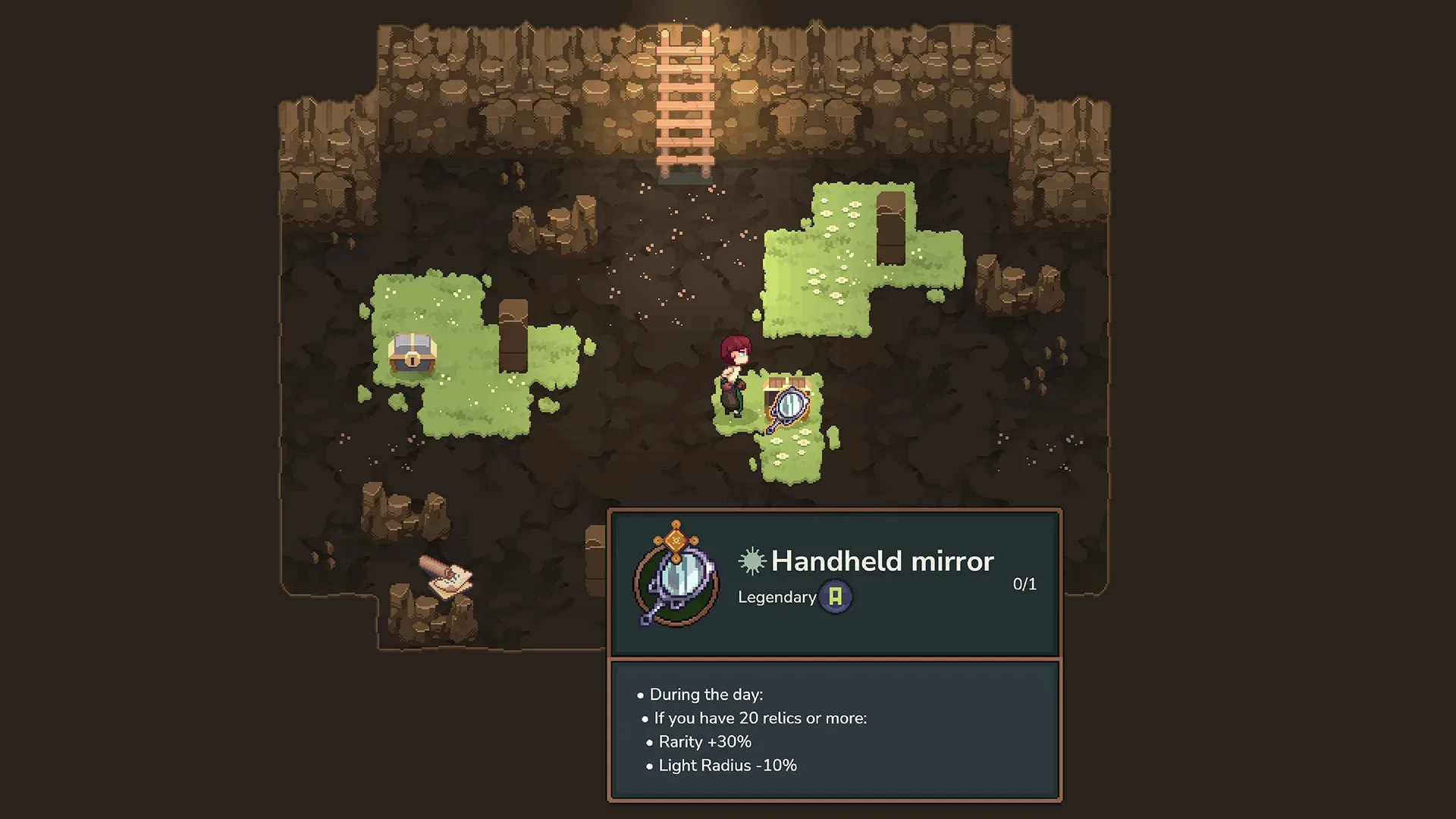
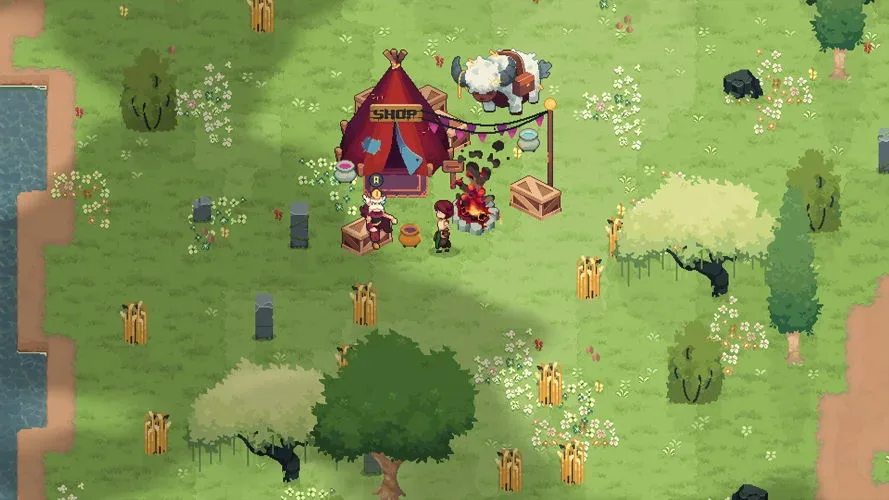
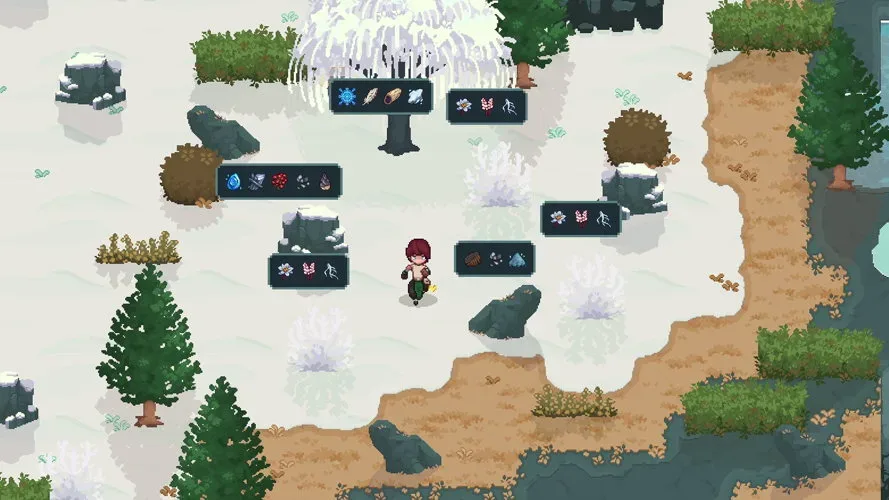
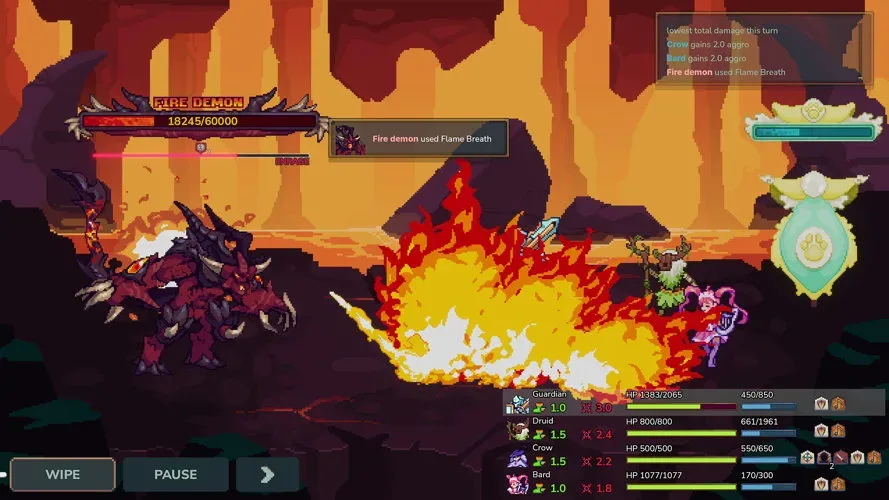
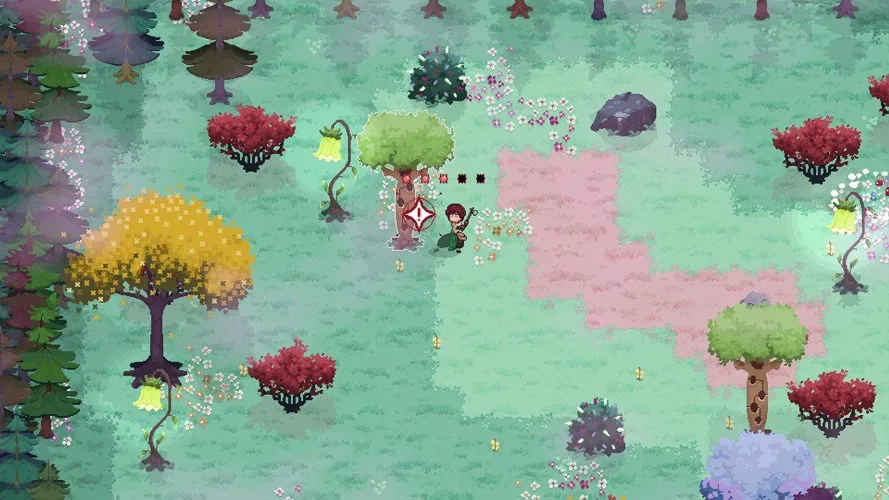
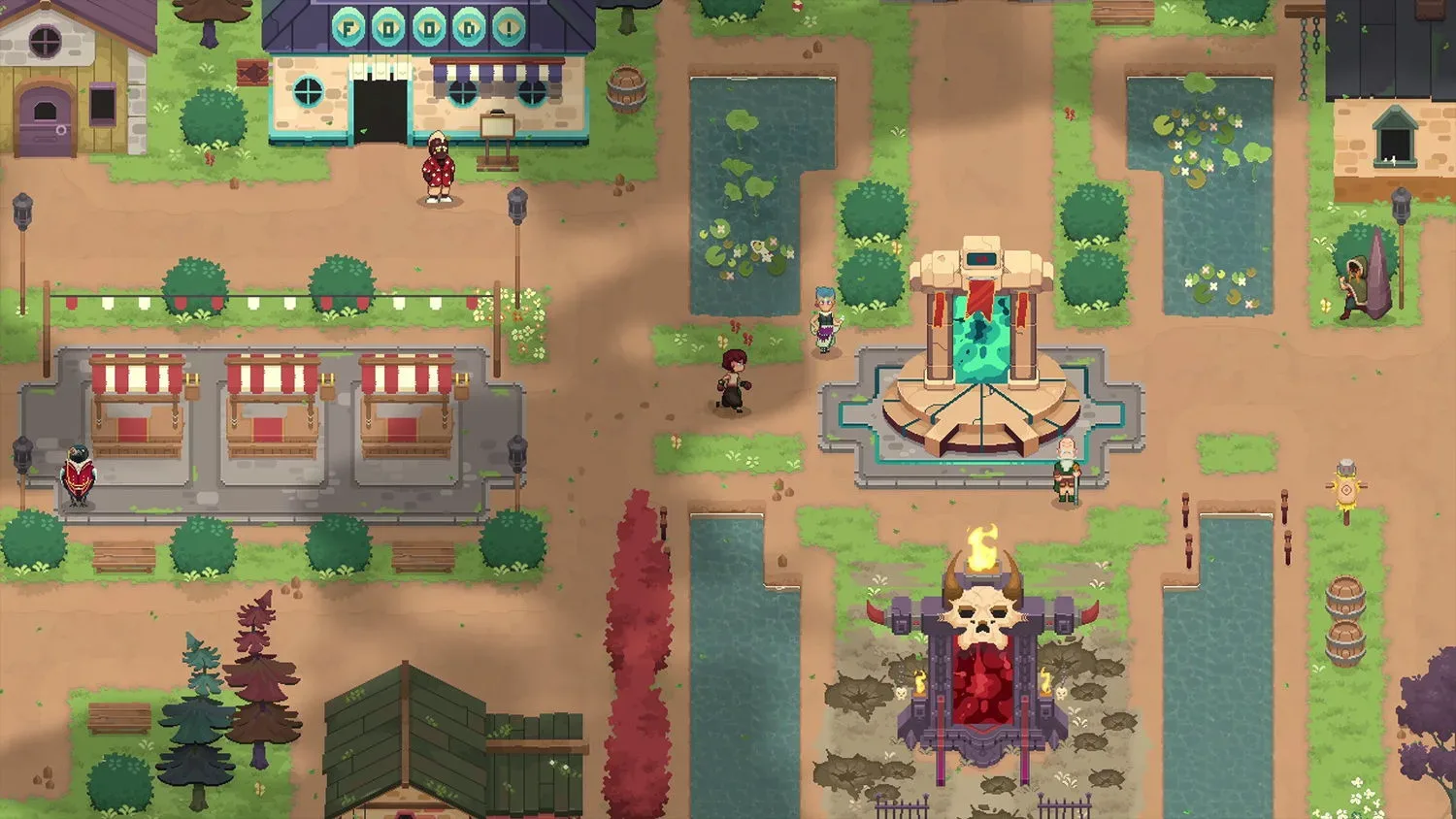
Players take the role of the Craftist, gathering materials in pixel-art, procedurally generated biomes and turning those resources into weapons, armour and other equipment for a team of Adventurers. The Adventurers then handle combat themselves through automated, turn-based battles. The player’s job is to construct the plan; the battle is where that plan is stress-tested by reality and, presumably, by monsters with very strong opinions about poorly optimised loadouts.
A roguelite where preparation is the action
Many roguelites make quick tactical execution their defining test: dodge at the right moment, place a card carefully, or aim precisely while a room becomes chaos. Teamcrafter shifts its attention to the decisions that happen before a fight. Its key question is not whether a player can manually control every turn, but whether they can assemble equipment and effects that work together once the party starts acting on its own.
That makes theorycrafting the core of the experience. In game-design terms, theorycrafting is the process of studying rules and combinations to devise effective character builds. A build is the connected set of gear, abilities, talents and other effects assigned to a character or party. The appeal comes from proposing a strategy—perhaps one built around a particular item effect, talent pairing or equipment mix—then seeing if its interactions produce the result imagined.
For more context, explore Vita3K Build 4120 delivers a new cross-platform development snapshot.
Teamcrafter describes this loop in particularly direct terms: peacefully explore, collect what is needed, craft equipment, organise the team’s options and send Adventurers into automated battles. A defeat is not necessarily only a failed encounter; it is feedback on the construction. The materials may have been spent on the wrong gear, a passive effect may not have complemented a talent, or a promising idea may simply need a more suitable party setup.
Automated combat is important here because it changes what “skill” means. It does not eliminate player agency; it relocates that agency into preparation, selection and optimisation. Instead of deciding every attack in the moment, players determine the ingredients available to the combatants before the first turn begins. The execution belongs to the Adventurers. The responsibility for an ill-advised build remains very much with the Craftist.
The numbers behind the experiment
Teamcraft Studios says Teamcrafter contains more than 150 pieces of gear, more than 40 talents and 50 passive items. Those categories give the game several layers through which a party can be shaped:
Related coverage includes Teamcrafter Demo Arrives on Steam Ahead of October Next Fest.
- Gear refers to the crafted weapons, armour and equipment supplied to Adventurers.
- Talents are build-defining options that can influence how a character or party functions.
- Passive items provide effects that operate without needing direct activation in battle.
The significance of those counts is not merely volume. A build-driven game gets its longevity from interaction: whether an item makes a talent more useful, whether a piece of armour changes the value of another effect, and whether a collection of individually respectable choices actually functions as a coherent team. The listed options suggest that Teamcrafter is designed to reward experimentation rather than a single fixed equipment path.
That structure also suits the roguelite format. Procedural biomes mean that exploration is not presented as a static route through identical terrain every time. Resources gathered during a run feed into crafting choices, and those choices affect the party tested in battle. The result is a loop where each trip out can potentially lead to a different set of tools and a different theory to evaluate.
There is a notable contrast in the game’s stated tone. Teamcrafter frames its exploration as cozy, while its crafting systems are meant to offer complexity. “Cozy” in this context does not necessarily mean shallow; it points to a calmer presentation and a less frantic relationship with the world than the automated combat might suggest. The complexity arrives in the workshop, where the player is asked to weigh combinations and improve them over repeated tests.
What the demo can establish
A demo is especially useful for a game whose pitch depends on the satisfaction of systems interacting. A feature list can state that there are gear pieces, talents and passives, but it cannot fully communicate whether crafting feels intuitive, whether experimentation is legible, or whether an automated battle gives clear enough evidence about why a plan succeeded or failed.
For prospective players, the practical question is whether the demo makes the chain of cause and effect readable. If a party performs well, can the player understand which choices contributed? If it underperforms, does the game invite a meaningful revision rather than a blind replacement of equipment? Those details are crucial to a theorycrafting-focused game because optimisation is rewarding only when players can form, test and refine an informed hypothesis.
The demo also offers a chance to see how Teamcrafter balances its two stated halves: gathering in procedural biomes and building powerful team configurations. Exploration needs to provide resources with a clear relationship to the crafting side, while crafting needs enough decisions to make resource collection matter. Neither half should feel like a chore performed solely to reach the other.
Its automated, turn-based battles serve as the final measuring device. Turn-based combat generally proceeds through discrete turns rather than continuous action, making outcomes potentially easier to observe than in a fast action system. Since Teamcrafter uses automation, these encounters are not about rapid inputs. They are the reveal of the player’s prior work: the build either has a persuasive argument, or the enemy has found its footnotes.
Influences point toward deep build-making
Teamcrafter cites Path of Exile, Last Epoch and Mortal Online 2 among its inspirations. The connection emphasized by Teamcraft Studios is not direct combat control, but the appeal of planning builds, organising crafting and gathering, and pursuing the satisfaction of a system coming together.
Flavien Norman, Teamcraft Studios’ CEO and creative director, described the project as an outgrowth of extensive time spent creating builds and arranging the crafting and gathering around them. Norman also connected that personal interest to FFXIV Teamcraft and Teamcrafter, characterising both as expressions of the same enthusiasm for planning and optimisation.
“I spent thousands of hours in games that I ended up making builds for: organizing my crafting, gathering, and theorycrafting. FFXIV Teamcraft and Teamcrafter were both born as an expression of my passion for it.” — Flavien Norman, CEO/Creative Director, Teamcraft Studios
That background helps clarify the game’s unusual division of labour. Teamcrafter is not presenting crafting as a side activity that supports a conventional player-controlled fighter. Crafting is the starring role. Adventurers are the test team, the gear is the language of the strategy and each battle is the answer sheet.
Who Teamcrafter is likely to suit
The premise should be most immediately appealing to players who enjoy making a plan as much as carrying it out. Anyone drawn to inventory decisions, equipment synergies, stat interactions and the patient pursuit of a more efficient setup may find the Craftist role a refreshing focus. It also offers a potentially approachable entry point for players interested in buildcrafting but less interested in demanding real-time combat execution.
Conversely, players seeking direct control over every attack should take the automated-battle design seriously. Teamcrafter’s combat is intended as a test of preparation rather than a venue for manual tactical command. That is not a compromise hidden behind the crafting; it is the game’s defining premise.
With the demo now available on Steam and Steam Next Fest participation set for October 2026, Teamcrafter has a clear opportunity to show whether its cozy resource runs and dense build decisions complement each other. For players who have ever spent longer redesigning a party than actually fighting with it, the game is making a very specific promise: the workshop is where the adventure really happens.