Apple’s next iPad mini may make the jump to OLED without making the jump to a 120Hz refresh rate. A new unverified claim from a tipster with a mixed record says production has been set for a 60Hz LTPS OLED display in the rumored iPad mini 8, contradicting the hope that the compact tablet would inherit ProMotion from the iPad Pro line.
The distinction matters more than a number on a specifications sheet. OLED and 120Hz address different aspects of a screen. OLED concerns how pixels produce light and can bring benefits to contrast, while refresh rate describes how often the screen updates each second. A 60Hz OLED iPad mini could therefore still represent a significant display change from the iPad mini 7’s 60Hz LCD, but it would not deliver the added motion smoothness associated with a 120Hz panel.
None of this has been confirmed by Apple. The iPad mini 8 itself, its final screen specifications, and its launch timing remain unannounced. The report should consequently be treated as a rumor rather than a product specification.
What the latest iPad mini display claim says
The latest claim is specific: the panel is said to use low-temperature polycrystalline silicon, or LTPS, and operate at 60Hz. It is also not an entirely new direction for the rumor. The same tipster previously claimed in July that Apple’s unreleased smaller tablet would use a hybrid OLED panel with an LTPS backplane at 60Hz.
Repetition does not turn a leak into confirmation, particularly when it comes from a source characterized as hit-and-miss. It does, however, mean the new report is consistent with that source’s earlier account instead of being a fresh, disconnected claim. For buyers weighing whether to wait, the sensible reading is that 60Hz is now a plausible outcome—not that it is settled.
Earlier reporting had not clearly established whether an OLED iPad mini would retain 60Hz or move beyond the current model’s refresh rate. That uncertainty has left room for two very different expectations: an OLED upgrade focused on image quality, or a broader display-class upgrade that also adds smoother motion. The newest rumor favors the first scenario.
OLED, refresh rate and ProMotion are not interchangeable
It is easy for display terminology to turn into alphabet soup, so the practical hierarchy is worth separating.
- OLED is a display technology in which pixels emit light. The rumored panel change concerns the fundamental type of display.
- Refresh rate, measured in hertz (Hz), is the number of screen updates per second. A 60Hz screen updates up to 60 times per second; a 120Hz screen does so up to 120 times.
- ProMotion is Apple’s label for the variable, high-refresh-rate behavior used by its iPad Pro displays. The supplied information says those panels can adjust dynamically from 10Hz to 120Hz.
- LTPS and LTPO refer to backplane technologies. The backplane helps control the screen’s pixels and is relevant to how a panel manages refresh rate.
Apple’s iPad Pro models use two-stack LTPO OLED panels that can vary from 10Hz through 120Hz. The rumor for the iPad mini instead points to LTPS, a technology usually paired with fixed refresh-rate options such as 60Hz, 90Hz or 120Hz. In the information available here, LTPS panels are also described as typically dimmer than LTPO panels.
That does not mean LTPS automatically equals poor image quality, nor does it make OLED a minor improvement. It means prospective owners should avoid assuming that “OLED” includes every premium-display attribute at once. The supposed iPad mini configuration would be OLED at 60Hz, while the iPad Pro configuration combines OLED with a variable 10Hz-to-120Hz range.
Why 60Hz would be the contentious part
A 60Hz refresh rate is not a malfunction or a relic; it is the refresh rate on the existing iPad mini 7 LCD display. But keeping that rate on a newly rumored OLED model would likely be the most debated decision because it preserves the current ceiling for visible interface and game motion.
On a higher-refresh display, scrolling, animation and fast movement can appear smoother because the panel has more opportunities to present updated frames. Whether that difference matters most depends on the person and the task. Someone primarily reading, watching video or using a compact tablet for everyday apps may put much greater weight on OLED’s potential image-quality changes. Someone who values rapid scrolling, touch interaction or games designed to run at higher frame rates may see 120Hz as the feature that separates a premium screen from simply a newer one.
For a gaming-minded audience, it is important to keep the chain of requirements intact. A 120Hz display does not make every game run at 120 frames per second, and a powerful chip does not by itself make the display refresh at 120Hz. The game or app needs to provide higher-rate output, the hardware needs to sustain it, and the screen needs to support it. Conversely, a 60Hz panel provides no more than 60 display updates per second even when software could produce frames faster.
That is why panel specifications are worth reading alongside performance claims rather than beneath them. The rumored A20 Pro chip could imply a performance upgrade, but it would not alter the apparent 60Hz ceiling if this display report proves correct. The two specifications would serve different purposes.
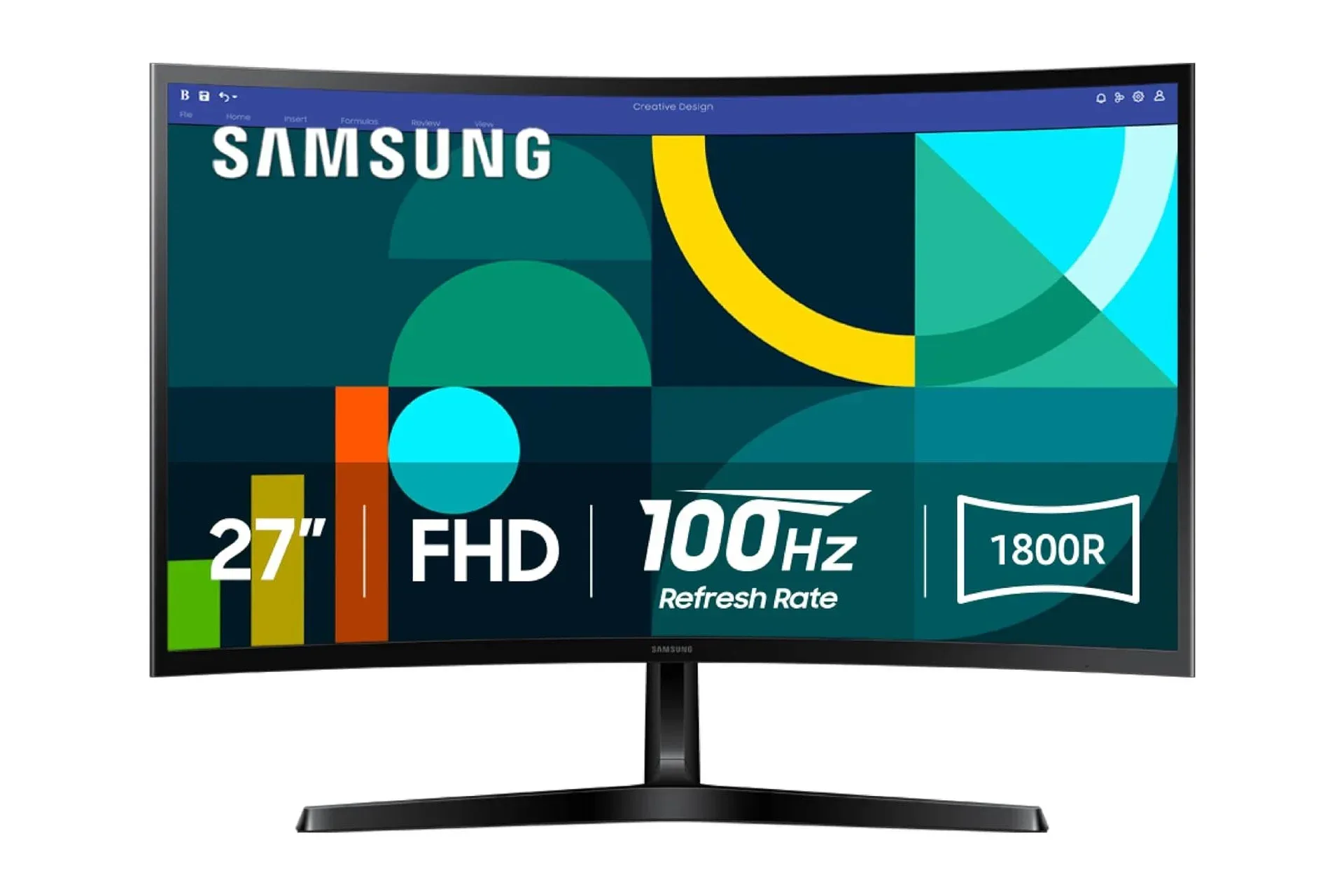
The same principle applies beyond tablets. Our look at the Samsung Essential S3’s 100Hz display and what it means for PC gaming similarly illustrates why refresh-rate figures need to be interpreted as part of a complete display and performance setup, not as a standalone verdict.
Apple’s current lineup gives the rumor some context
The alleged 60Hz choice would put the future iPad mini closer to the existing iPhone 17e in one key respect: that phone is cited as evidence that Apple still sells 60Hz OLED hardware. At the other end of the supplied product context, the iPad Pro has the more advanced two-stack LTPO OLED implementation and ProMotion behavior.
The base iPhone 17 is said to use a 120Hz ProMotion panel, which has helped shape expectations that the first OLED iPad mini might do likewise. But product families do not always receive identical screen technology, and there is no official statement tying a potential iPad mini OLED transition to ProMotion.
If the report is accurate, a reasonable interpretation is that Apple may be differentiating its small tablet from the iPad Pro through panel technology rather than treating OLED as an automatic ticket to its most advanced display hardware. That is analysis, not a confirmed explanation of Apple’s plans. The available information does not state why a 60Hz LTPS panel would be chosen.
Other rumored iPad mini 8 changes
The screen is not the only claimed update. The next iPad mini is also expected to receive an A20 Pro chip, a FaceTime camera moved from portrait to landscape orientation, redesigned speakers and a water-resistant design.
Each of those features is still prospective. The landscape-camera change, if it arrives, would be a functional adjustment for people who use a tablet horizontally for video calls. Redesigned speakers could matter for media and games, while water resistance would concern durability. Yet there are no confirmed details here on the degree of water resistance, the precise speaker arrangement, A20 Pro performance, or how any hardware revisions would affect the tablet’s dimensions, battery life or accessories. Those gaps are a reason not to project more from the rumor than it says.
What to watch before deciding whether to wait
The iPad mini is expected at some point in October, though Apple has not announced a date. New home products are reportedly due on Tuesday, October 13, while another report points to a separate Apple event in the final week of October. The smaller tablet could arrive in that later window, but that timing is also unconfirmed.
Until Apple provides official details, prospective buyers should separate the rumor into questions that can be answered later:
- Is the display OLED? This is the central claimed generational display shift.
- Is it locked to 60Hz? This determines whether it offers the motion benefit many people associate with ProMotion.
- Does it use variable refresh? A 120Hz maximum and a panel that dynamically adjusts across a range are related but not identical capabilities.
- Which other changes are real? Chip, camera placement, speaker redesign and water resistance all need official confirmation.
- When will it ship? An event date, a reveal date and actual availability are separate milestones, none of which is established here for the iPad mini 8.
For now, the most grounded expectation is modest but meaningful: the rumored iPad mini may gain OLED while remaining at 60Hz. That could be a welcome improvement for shoppers focused on display technology, but it would be a more qualified upgrade for anyone waiting specifically for iPad Pro-style ProMotion. Until Apple says otherwise, the “mini” in the story may apply not to the screen size, but to the scope of its refresh-rate ambitions.