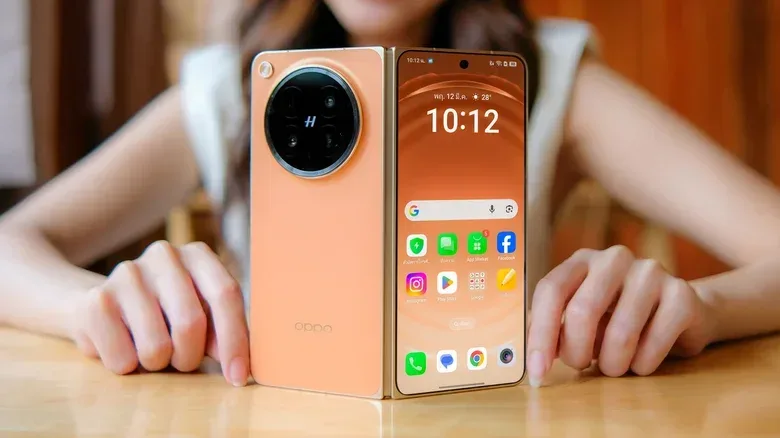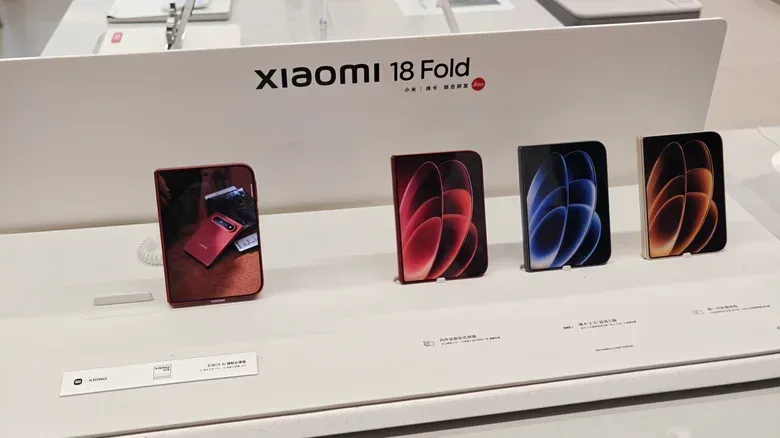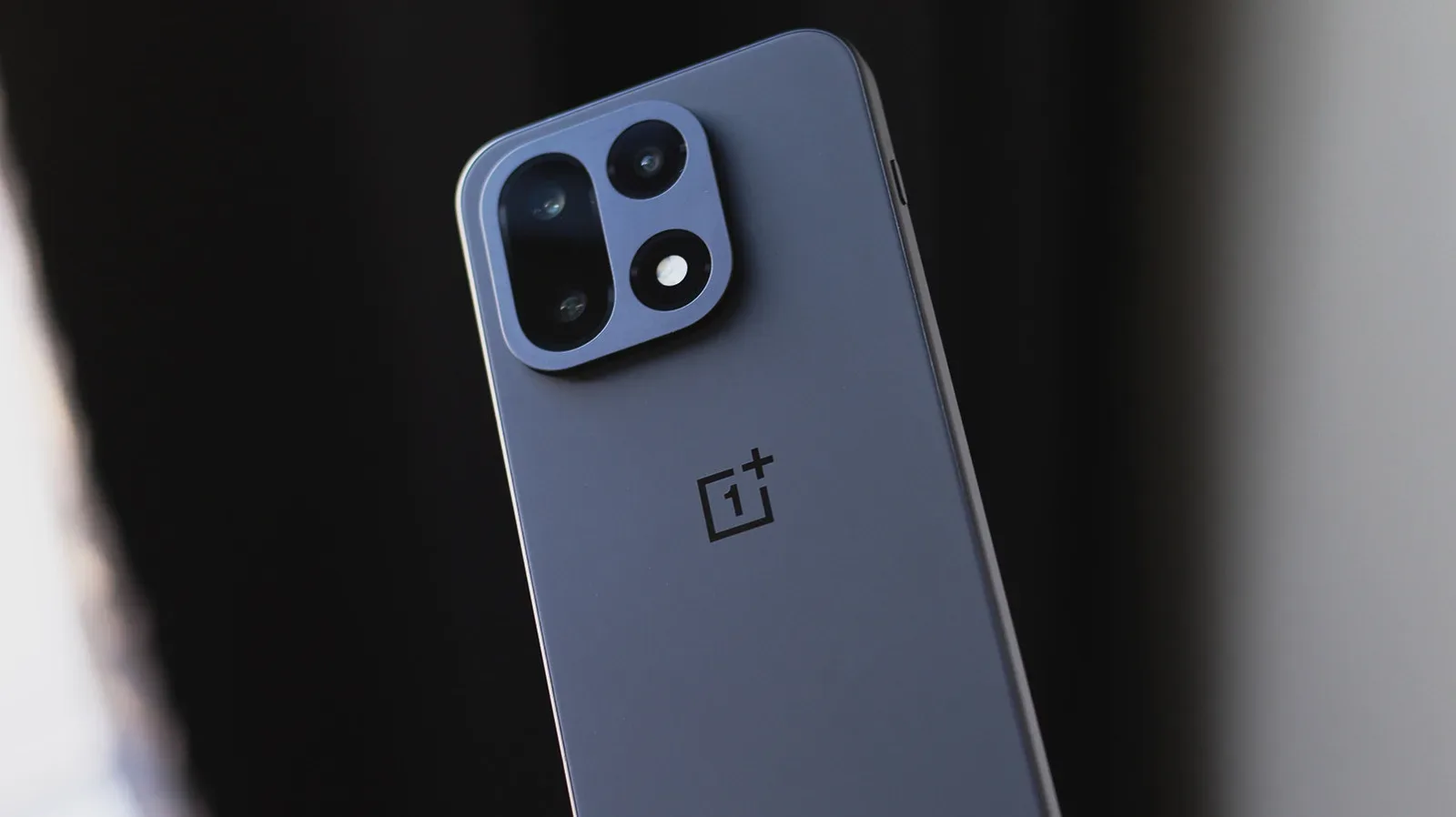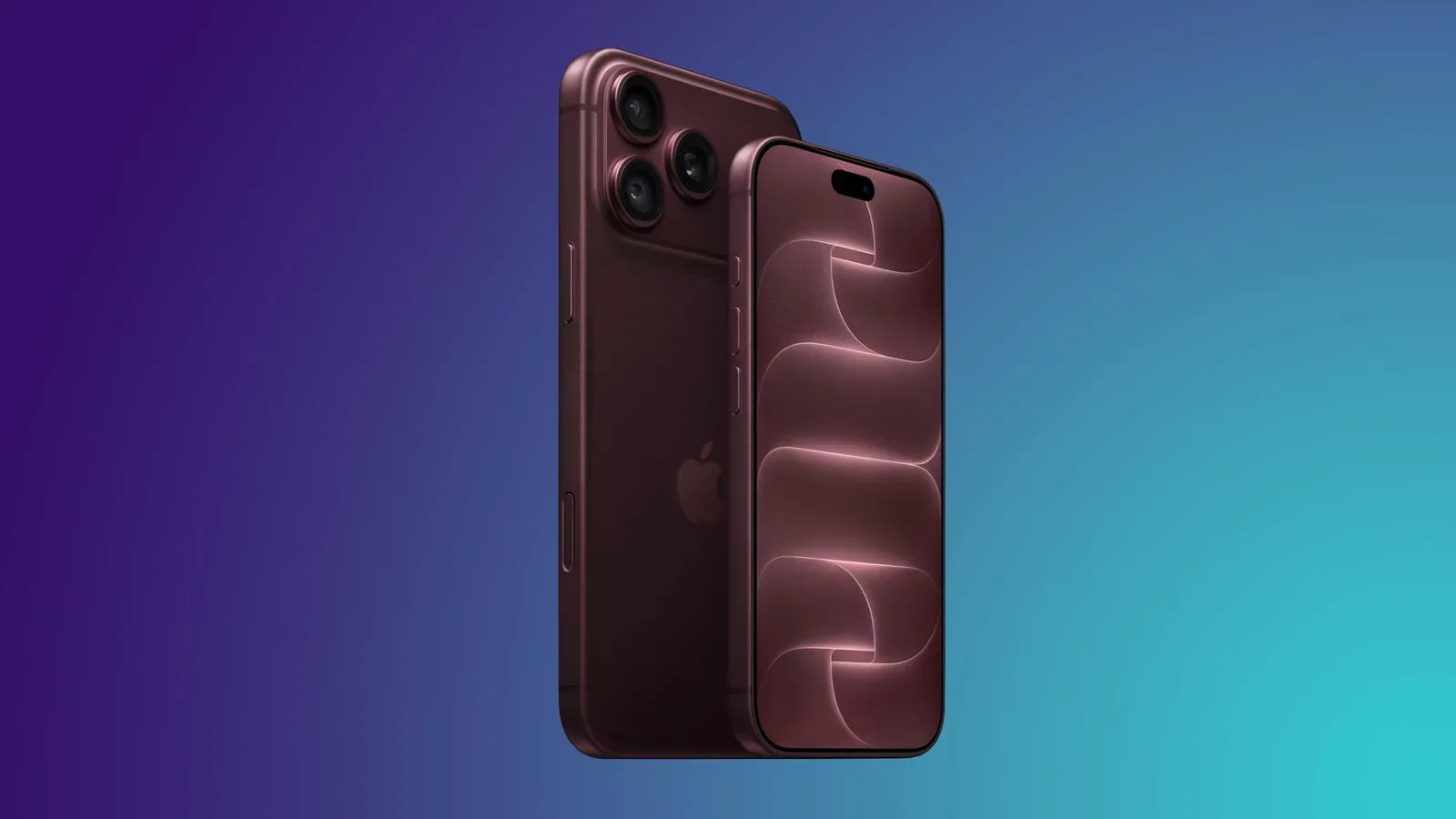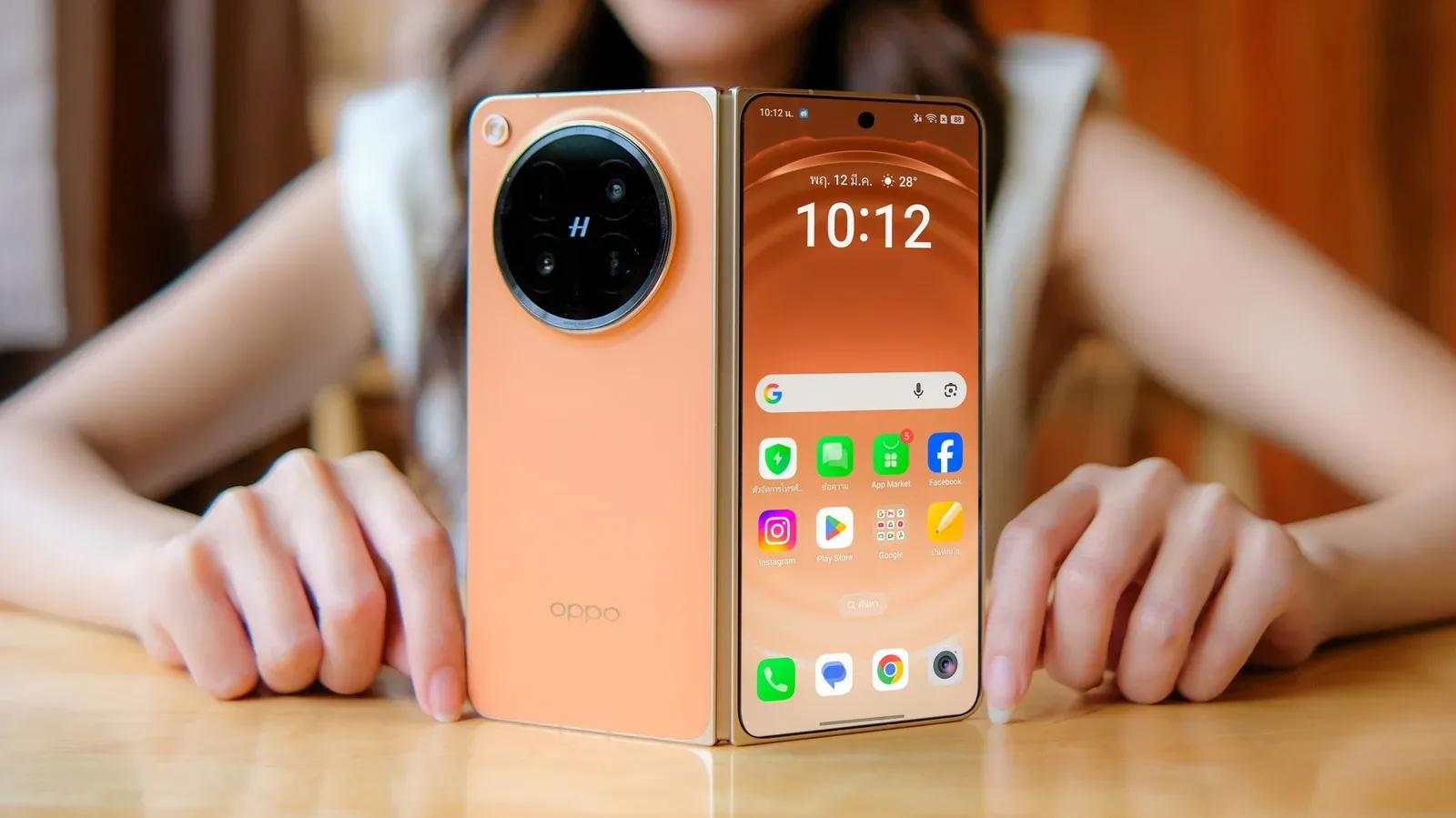
For US phone buyers, the official retail aisle is not the whole smartphone market. Xiaomi foldables, Honor’s Magic range and OPPO’s Find X family are among the devices that may offer designs and hardware configurations that are difficult—or impossible—to buy through ordinary American channels. Importing one can be appealing for enthusiasts who want something beyond the familiar iPhone and Pixel choices.
But an imported phone is not simply a standard handset with a longer delivery route. It may be built for a different regional software setup, a different carrier environment and a different support system. A model can be powerful, expensive and technically capable while still being a bad daily phone if it cannot access the parts of a US network or service experience that its owner needs.
The central lesson is straightforward: do not treat “it supports 5G” as proof that it will work properly in the US. Buyers need to check the precise variant, the bands their carrier uses, the network functions the carrier permits for that device and the realistic plan for software and repairs. That diligence is the price of access to hardware that is not officially sold locally.
Why importing remains tempting
International smartphone makers continue to experiment with categories and specifications that may not reach American stores. The appeal can be a distinctive foldable design, a flagship camera proposition, a very large battery or simply the chance to own a new release before any potential official US launch.
Some overseas devices also retain a practical feature that has become less common on US-sold phones: two physical SIM slots. A physical SIM is the removable card used to connect a phone to a mobile carrier. An eSIM performs the same broad role electronically, without a removable card. Buyers who prefer to move cards between devices, or who expect to use two physical lines, may see an international model as more accommodating than a handset designed around eSIM.
The Xiaomi 18 Fold illustrates both sides of the proposition. It is described as resembling the iPhone Duo while offering a larger battery and better cameras, at a current equivalent price of roughly $1,640. That does not automatically make it a lower-risk purchase for a US resident, however. The ability to buy a phone abroad does not create local warranty coverage, carrier certification or a guaranteed software experience.
In other words, importing can be rewarding precisely because it delivers uncommon hardware. It also shifts much more of the compatibility and support work onto the buyer.
Start with cellular bands, not the marketing page
The first check is whether the exact phone version supports the frequency bands used by the intended US carrier. Cellular networks use multiple frequency bands to provide service. A phone and network need compatible bands to communicate as intended.
Many modern phones are designed to work across a wide range of cellular bands, making international use easier than it once was. Yet broad compatibility is not universal compatibility. A device may connect to a carrier but lack a key band, and that can mean reduced coverage or a less capable connection in some situations.
The practical risk is especially clear with 5G. A buyer could receive a phone that works on LTE but does not support the particular 5G bands needed for their US carrier. LTE is the previous-generation mobile data standard that remains widely used; 5G is the newer generation. Falling back to LTE is not necessarily a disaster, but it defeats a major reason many people buy a current premium handset.
Check the model number and radio-band list for the specific regional version being sold—not merely the name of the phone. A family of phones can have variants intended for different markets. Then compare that list with the bands used by the carrier that will provide service. This is more useful than assuming that a flagship price or an unlocked label guarantees identical operation everywhere.
A usable signal is only the first hurdle
Even when a phone can reach a carrier’s 5G network, important carrier-dependent conveniences may be absent. Wi-Fi calling, VoLTE and visual voicemail can require device certification by the carrier.
- Wi-Fi calling lets calls travel over a Wi-Fi connection rather than relying entirely on a cellular signal.
- VoLTE, short for Voice over LTE, carries voice calls through the LTE network rather than older voice-network methods.
- Visual voicemail presents voicemail messages in an interface that can let the user select and manage individual messages.
These are easy to take for granted because they are often seamless on officially supported phones. On an imported device, the question is not just whether the hardware can technically handle them. The carrier may need to recognize and certify the exact device before it enables them. A phone can therefore have strong data service while missing a calling or voicemail feature that matters to its owner.
That gap matters most when the phone will be a primary work or family device rather than an enthusiast’s secondary handset. Someone who must have dependable Wi-Fi calling at home, for example, should treat its availability as a purchase requirement, not a pleasant surprise to investigate after delivery.
Compatibility is also not permanently settled. Carrier network requirements can change. A model that is satisfactory on a network now could encounter limitations later. That uncertainty makes community reports useful as supplemental evidence: prospective buyers can look for feedback from people using the same phone variant on the same US carrier. Those reports are not a substitute for checking official technical information, but they can reveal recurring setup problems and feature gaps that specification tables do not make obvious.
Software region can be as important as the hardware
Imported Android phones can bring software complications alongside their unusual hardware. Android update rollouts may be tied to a carrier or a region, meaning the update process may not look like the experience expected from a US-market model. In some cases, a user may need to install updates manually.
Manual updates are not inherently wrong, but they demand more attention and confidence from the owner. The convenience of an officially supported local phone is partly that updates are delivered through a path designed for that market. With an import, the buyer should understand in advance which software version the phone runs, how updates are handled and whether the expected language and services are present.
Google Play Services deserve special attention. They are a core layer of the Android experience that many users expect, supporting the Google ecosystem and the app environment built around it. Some Chinese phones are not compatible with Google Play Services. For a buyer accustomed to ordinary Android setup in the US, that can change the ownership experience substantially.
A regional build may also include Chinese applications and services that have little relevance outside that market, and some may not be readable to an English-speaking owner. That is not a minor cosmetic issue if the person buying the device expects a clean, familiar out-of-box experience. Before importing, buyers should establish whether the handset has the software configuration they want rather than assuming a global-looking hardware design means globally familiar software.
Software questions should be treated as a checklist, not an afterthought:
- Confirm the region and version of the phone being offered.
- Confirm that Google Play Services compatibility meets your needs.
- Find out whether updates are automatic, region-controlled or likely to require manual installation.
- Consider whether regional apps and services will be usable, removable or simply unwanted.
For buyers who value predictable maintenance above all else, these points may outweigh an exciting camera, battery or foldable mechanism.
Warranty and repairs are the ownership reality check
The most expensive problem may appear after the purchase rather than at activation. Some brands and models available abroad have no official representation in the US. Without a local official presence, a buyer may have no local manufacturer customer support and no straightforward warranty route.
A dead battery, cracked screen or other fault can then become a third-party repair question. Independent repair shops may be able to help, but they may not be authorized by the manufacturer. The buyer should not assume that a premium phone can be serviced with the same ease as a widely sold domestic model.
This is particularly significant for foldables and other unusual form factors. Their appeal is often their specialized construction, but that same specialization can make a support plan more important. The supplied information does not establish what repair services are available for any particular import, so the responsible approach is to investigate that answer before purchase rather than relying on a general expectation.
Privacy should also be part of the larger connected-device buying mindset. Phone importing raises immediate concerns about regional software and services, while connected technology can introduce other data considerations. For a related look at how vehicle companion software may expose personal information, see this report on connected-car app privacy risks.
Who should import—and who should stay local?
An import makes the most sense for a buyer who specifically wants hardware unavailable in the US and is comfortable doing the necessary research. That person may prioritize a distinctive foldable, an exceptional camera-oriented flagship, a huge battery or dual physical SIM support. They should be prepared to validate bands and carrier features, navigate regional software differences and accept that official US repair support may be limited or unavailable.
By contrast, a locally supported phone is generally the safer choice for a person whose priorities are reliable carrier features, straightforward updates and accessible official service. It is also the more sensible option when the handset will be the only phone a buyer can depend on every day.
The decision is not about whether imported phones are universally risky or universally superior. It is a trade-off between selection and certainty. Imports can open the door to genuinely interesting technology, but the buyer becomes responsible for confirming that the device fits their network, their software expectations and their tolerance for support complications. Check those details before placing the order, and the uncommon hardware is far more likely to feel like an upgrade rather than an expensive compatibility puzzle.