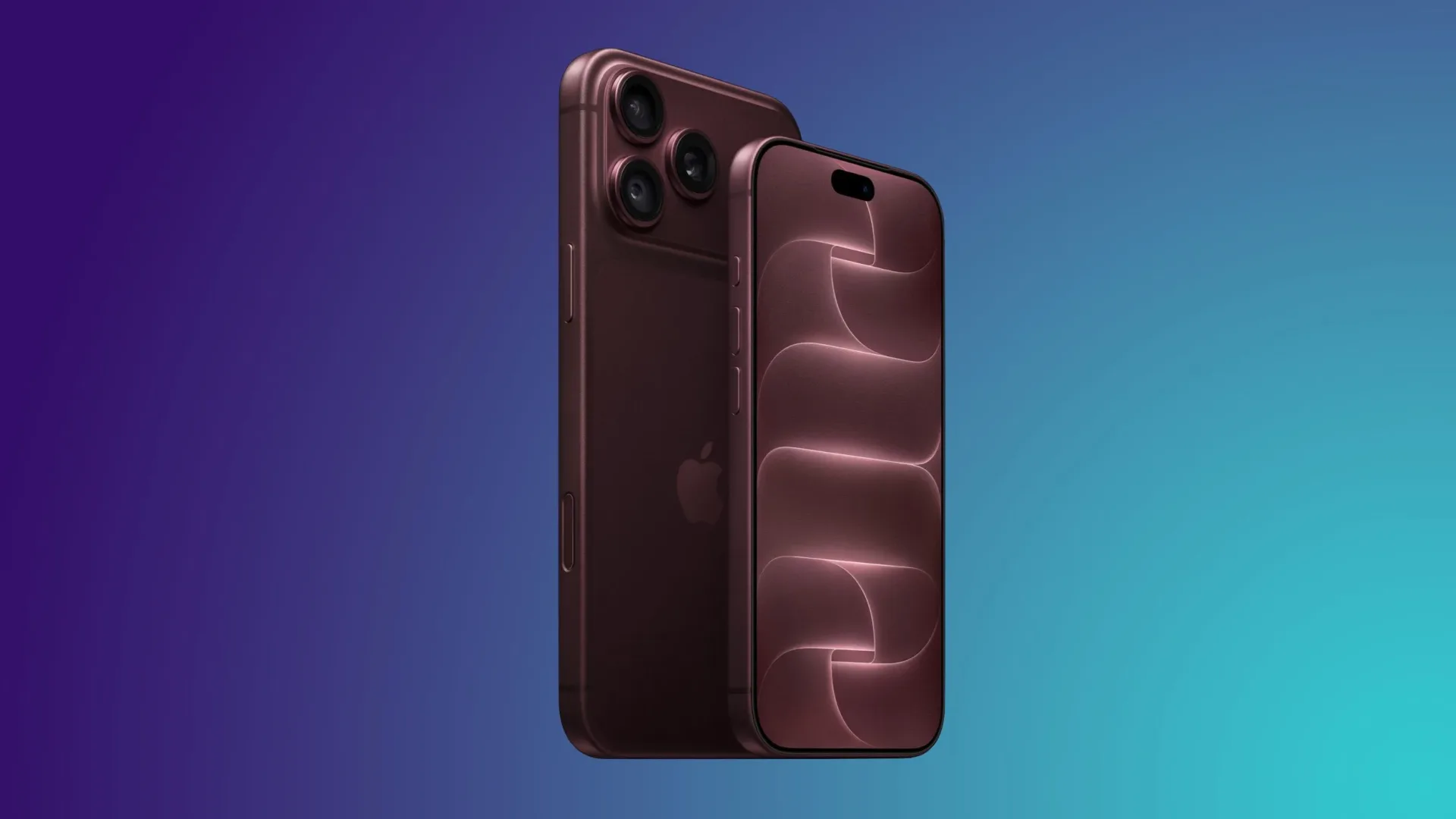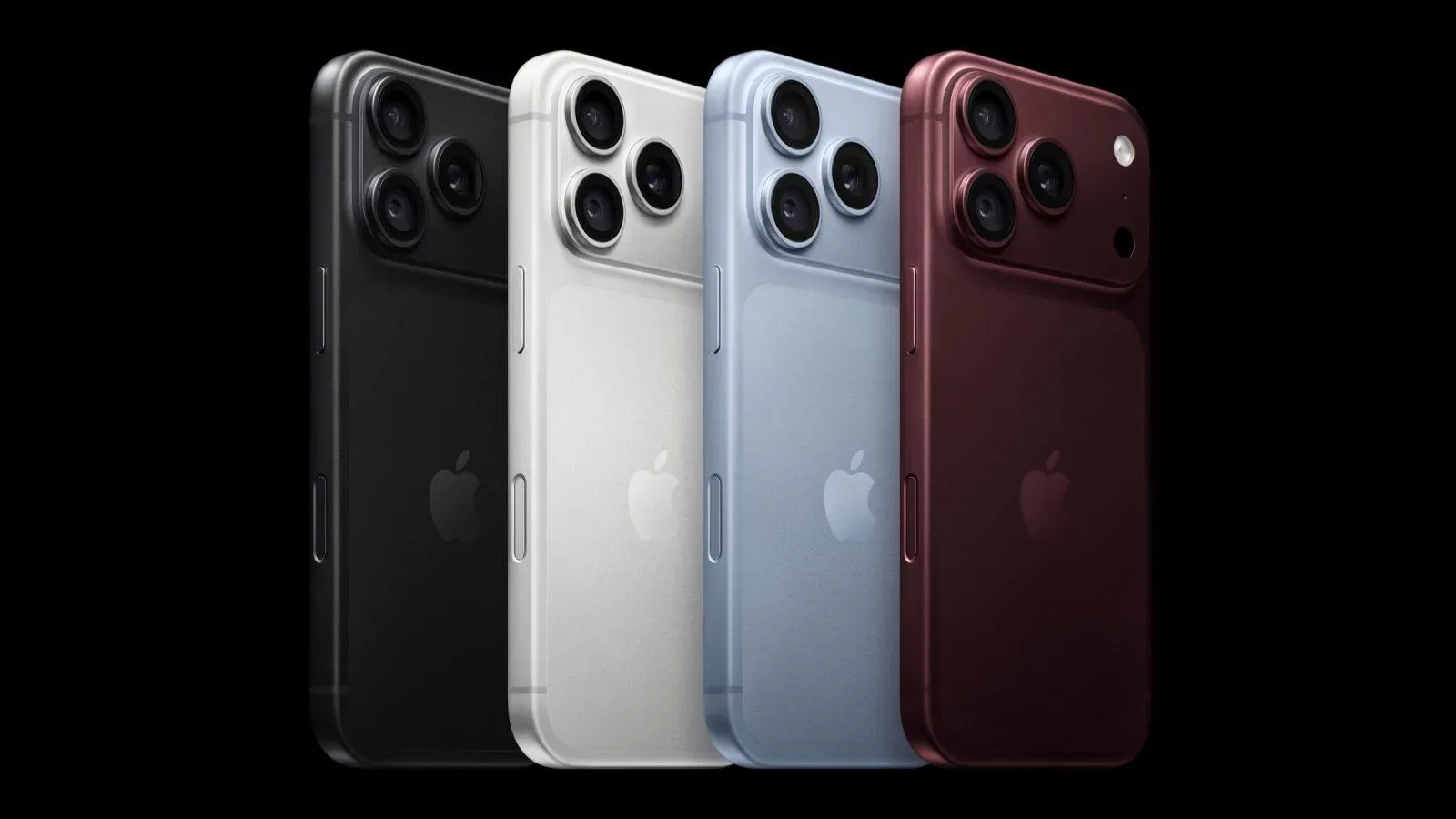
Apple has reportedly told some suppliers to reduce production of components for the iPhone 18 Pro range, a signal that demand has come in below earlier expectations. The reported adjustment is meaningful: October component orders were said to be at least 15% below the quantities initially requested.
The information concerns parts orders rather than a public Apple sales figure, and that distinction matters. Component orders are an early supply-chain indicator, not a complete measure of how many phones have reached buyers or how demand will develop over the full product cycle. Still, an order cut of that size would suggest Apple is taking a more cautious view of near-term iPhone 18 Pro shipments.
A $100 increase meets a memory-cost problem
The iPhone 18 Pro starts at $1,199, while the iPhone 18 Pro Max starts at $1,299. Both prices are $100 above the models they replace. The reported weaker demand has been tied to rising memory-chip costs, an expense Apple has publicly cited when discussing price increases across its lineup.
That wider pricing pressure is not confined to the flagship phones. MacBooks and iPads have also seen prices rise, alongside iPhone 16 and iPhone 17 models and other Apple products. For buyers, that creates a simpler but tougher calculation: the Pro range still occupies the premium end of the market, but its entry price is now higher at the same time that other Apple hardware may also cost more.
Memory chips provide the working memory used by a device while apps and system processes are running. This is commonly called RAM, short for random-access memory. It is different from storage capacity, which is where photos, apps, games and files remain saved. Higher RAM capacity can help a phone keep more tasks available at once and support demanding workloads, but it also adds to the bill of materials when memory pricing rises.
Apple has attributed recent increases to AI-driven memory-chip costs. In practical terms, demand connected with AI infrastructure can put pressure on memory supply and pricing, which then reaches hardware makers buying those components for consumer devices. A phone maker can absorb some added cost, change specifications, raise retail prices, or use a combination of those responses. The iPhone 18 Pro situation appears to sit at the intersection of all three choices: higher starting prices, reported production restraint, and a specification that may have been limited by component economics.
12GB of RAM reportedly remains in place
The iPhone 18 Pro and iPhone 18 Pro Max are listed with 12GB of RAM, the same amount used by the prior iPhone 17 Pro and iPhone 17 Pro Max. A separate rumor has suggested Apple once considered moving the iPhone 18 Pro family to 16GB but ultimately did not do so because of the higher cost.
That rumor should be treated carefully. It does not establish that a 16GB configuration reached a final production plan, nor does it define what a higher memory figure would have changed in everyday use. What it does illustrate is the potential design pressure created by a costly component market. When a major component becomes more expensive, a company may have to decide whether an upgrade is worth a corresponding retail-price increase.
For prospective buyers, the important confirmed comparison within the available information is straightforward: the new Pro phones retain 12GB rather than publicly moving beyond the previous Pro generation’s memory capacity. Whether that feels like a compromise depends on an individual upgrade decision, especially when the starting price has increased by $100.
The launch calendar may be changing the comparison
Price is not the only possible explanation for softer demand between late August and October. Apple is also expected to alter its iPhone release rhythm. Instead of unveiling the latest flagship family all at once, the company is expected to hold the regular iPhone 18 for spring 2027, alongside the lower-cost iPhone 18e and the ultra-thin iPhone Air 2.
A split launch strategy can change how people decide when to buy. Under a single major launch, shoppers can compare the regular and Pro models at the same time. If the expected schedule holds, buyers considering a Pro model may know that additional iPhone options are due later. Some may still choose the iPhone 18 Pro immediately; others may wait to see the standard phone, the 18e, or the Air 2 before committing.
That does not prove the revised launch approach caused the reported order reduction. The available information presents it as a possible contributor, alongside the price rise and more expensive memory. But it does mean early demand for the Pro line may not represent the same purchasing pattern as an all-at-once iPhone generation rollout.
What a component-order reduction does — and does not — mean
A supplier order revision is not automatically a verdict on a product. Hardware companies place component orders ahead of expected demand, then refine them as sales conditions become clearer. Lowering an order can be a way to avoid building more inventory than necessary, particularly when parts are costly. It can also reflect a deliberate effort to align supply more closely with a revised sales forecast.
In this case, the reported timing is notable. Apple was said to have become more careful with shipments beginning in early September, and the cut applies to October orders. That places the adjustment during the early demand window, when a higher price and uncertainty about future models may be most visible to consumers.
It also does not establish a broad collapse in iPhone demand, an end-of-cycle sales result, or a permanent production plan. The report addresses some suppliers and component volumes, and the stated reduction is compared with original requests. Orders can change again as Apple receives additional demand data and manages availability across markets.
Why this matters beyond one phone
The reported pullback is a useful example of how a component-cost shock can move through consumer technology. Memory pricing affects the manufacturer’s cost base; the manufacturer raises prices or moderates specifications; buyers decide whether the new total still makes sense; and production plans are adjusted to match the resulting demand.
Apple’s challenge is particularly visible because the iPhone 18 Pro line is already positioned at a premium. A $1,199 starting point makes a $100 year-over-year increase easy for buyers to see, even if the company’s own cost pressures are real. The expected separation of the regular iPhone 18 launch adds another choice for people who are not certain they need a Pro model immediately.
The same memory-cost issue has relevance for Apple’s computers and tablets, where price increases have also been cited. For a broader look at how the company’s PC business has been navigating a shifting market, see Apple’s Q3 2026 Mac shipment and market-share picture.
For now, the central takeaway is measured rather than dramatic: Apple has reportedly reduced certain iPhone 18 Pro component commitments after demand did not meet earlier expectations. The available evidence points to a combination of higher memory costs, $100 higher Pro starting prices, and a potentially disruptive split-launch schedule. It does not yet show how the full iPhone 18 cycle will perform, but it does show that the cost of memory is having a visible effect on premium-device planning.