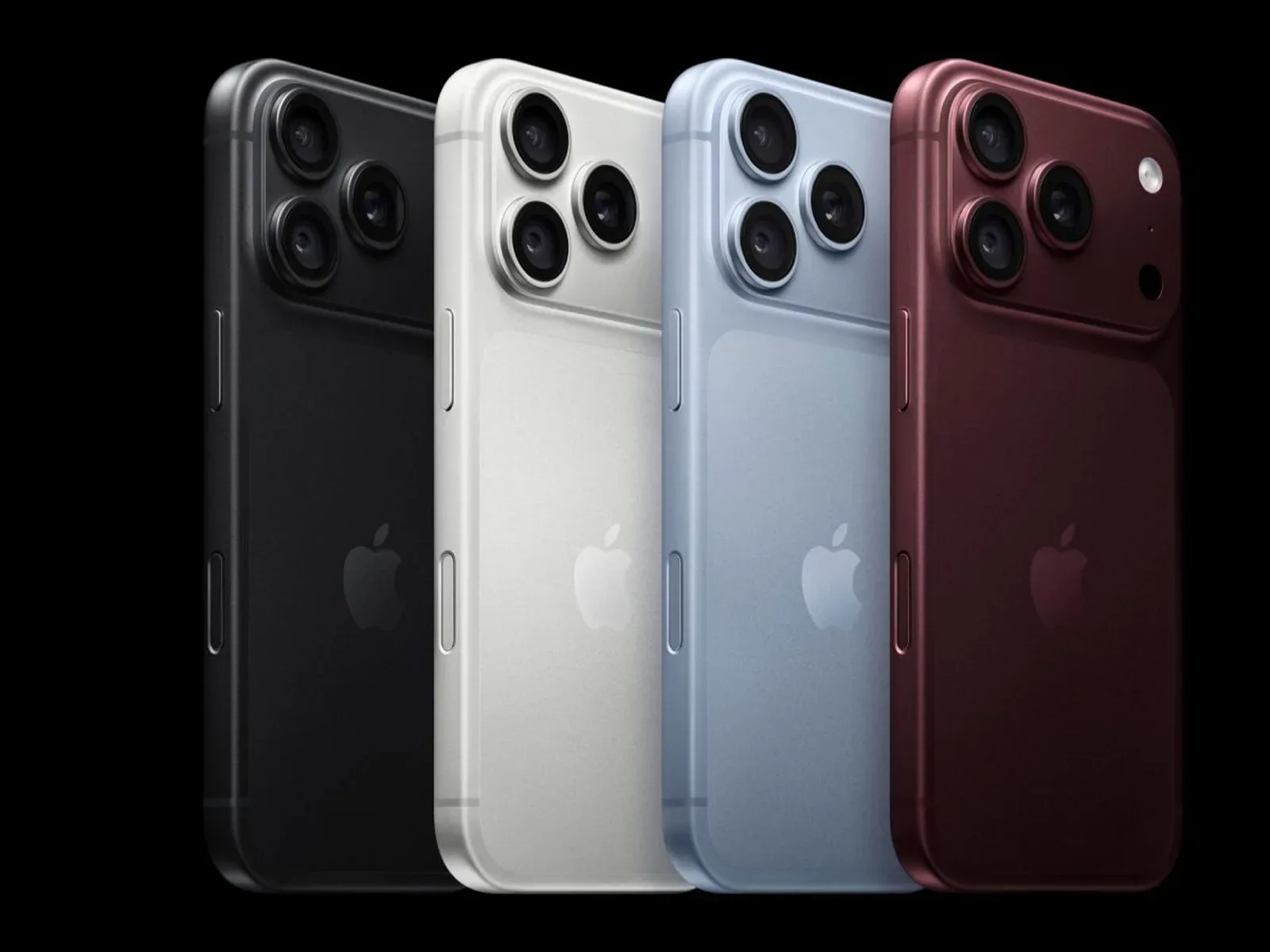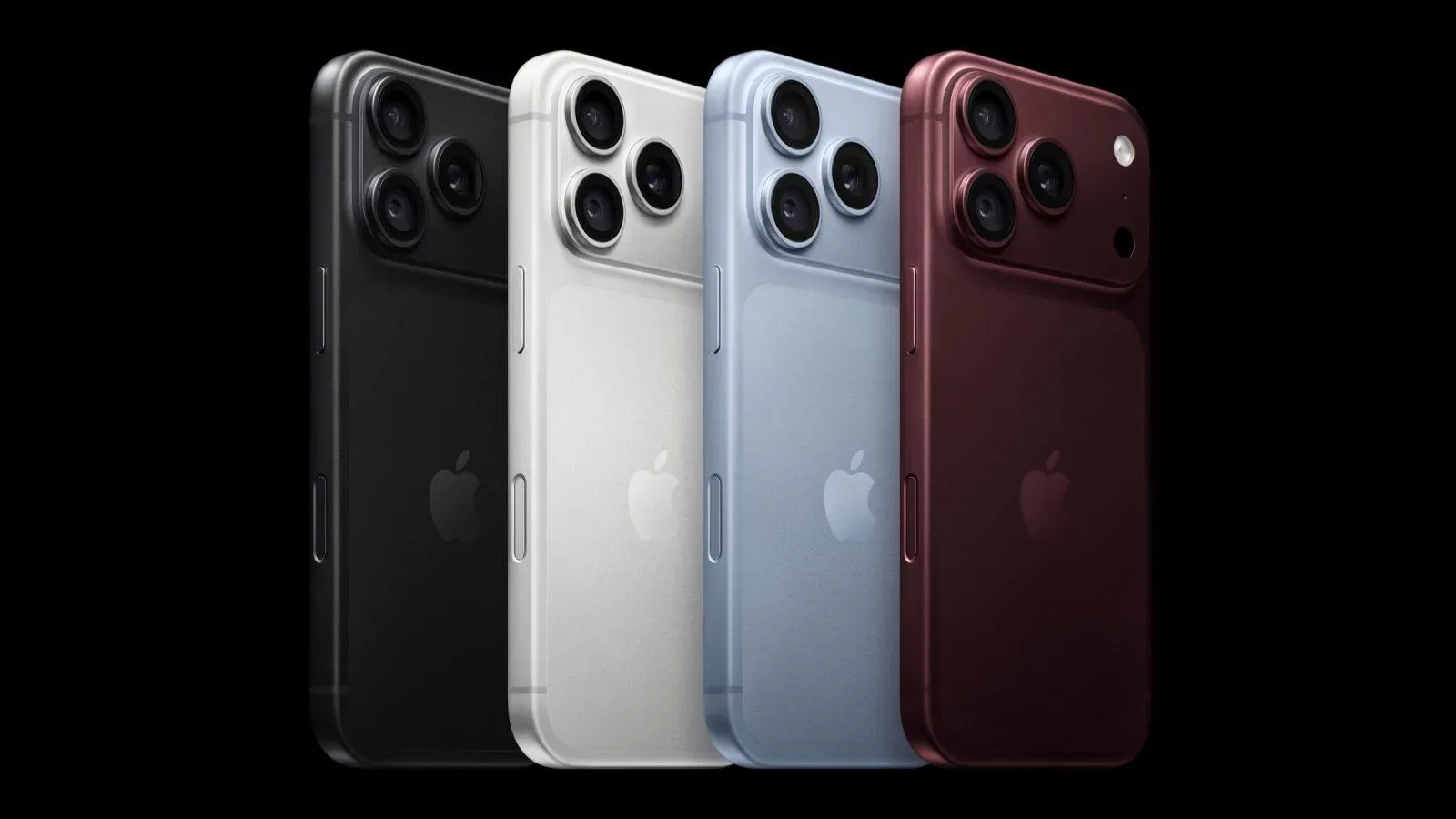
Missing an iPhone pre-order no longer means accepting the longest delivery queue by default. The newly released iPhone 18 Pro and iPhone 18 Pro Max are now reaching customers after pre-orders opened September 12, but online shipping estimates have already lengthened. At the same time, select Apple Stores in several countries are showing a potentially faster route: ordering online for store pickup.
That distinction matters. A delivery estimate reflects the time until a phone can be shipped to a customer, while store pickup depends on the inventory assigned to one particular retail location. A model that has a multi-week shipping estimate may still be available at a nearby store, but it is not a promise that every color, storage tier, or Pro size will be waiting on the shelf.
For anyone eyeing the new handset as a gaming device, camera, or all-purpose pocket computer, the practical takeaway is refreshingly unglamorous: check the exact configuration and the exact store. The iPhone 18 Pro Max appears to be the harder phone to get through U.S. delivery, with estimates of three to four weeks across storage and color choices. The smaller iPhone 18 Pro is also delayed, at two to three weeks for any configuration. Store availability can offer a shortcut, but it can change by region and inventory can disappear before checkout is completed.
Shipping estimates and pickup availability are separate inventories
It is easy to read a three- or four-week estimate as a blanket statement that a product has sold out everywhere. It is not. Apple’s delivery and pickup options answer related but different questions. Shipping tells a customer when an online order can be fulfilled for delivery. Pickup asks whether a particular store can allocate a particular phone to a particular order.
That is why an iPhone 18 Pro Max can have a long nationwide-looking delivery estimate and still turn up for same-day collection in a selected location. The reverse can also happen: a store may have none of the desired version even while delivery remains available.
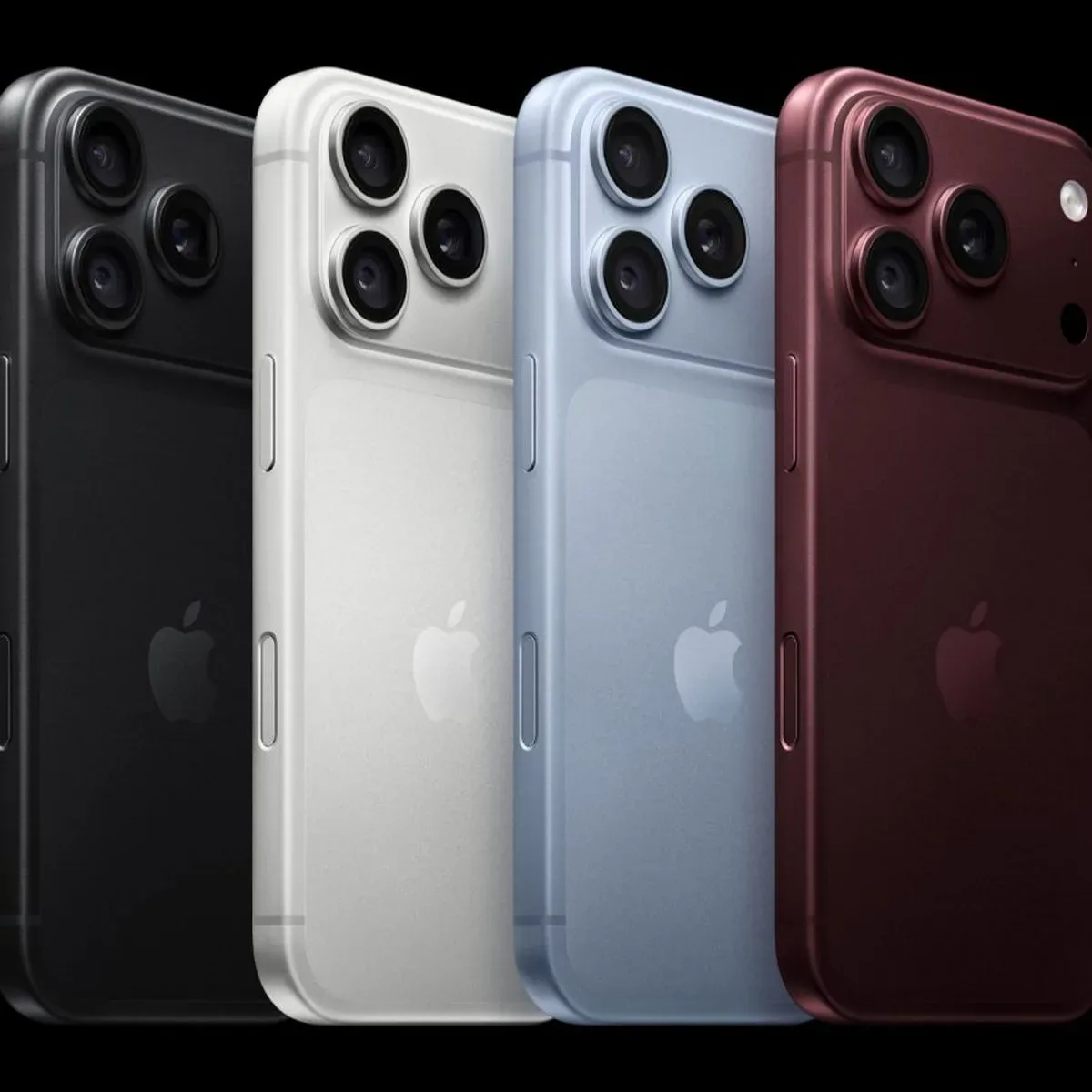
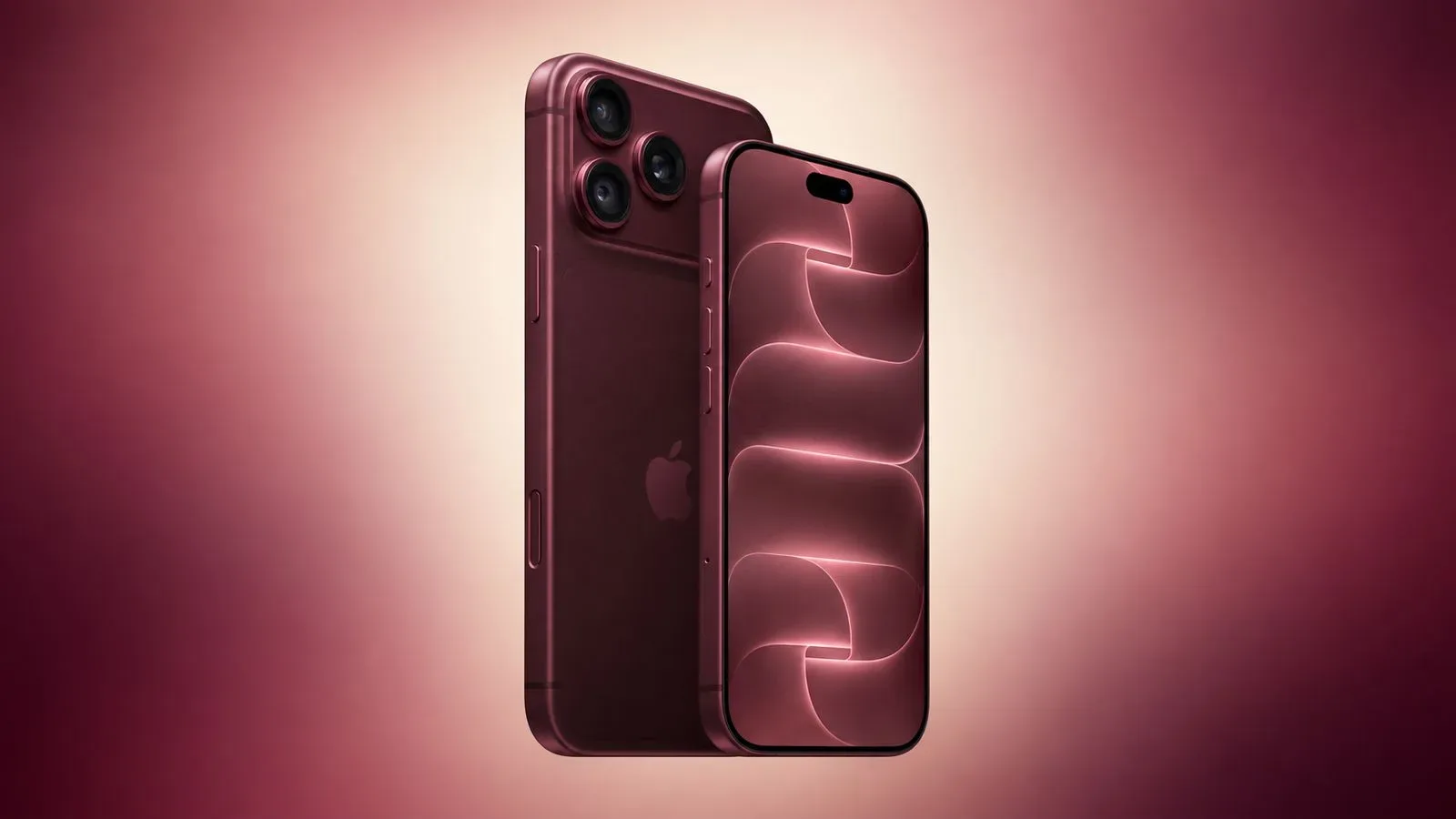
The difference is particularly important with this release because the two models share their color and storage selections. Both come in Burgundy, Glacier Blue, Silver, and Black, and both are offered in four storage tiers, with capacity reaching 2TB. The smaller iPhone 18 Pro can now be configured with 2TB for the first time. More choice is useful, but every combination is its own stockkeeping unit: a store having a black phone does not mean it has Burgundy; having a Pro does not mean it has a Pro Max; and having a lower-capacity model does not mean it has the 2TB version.
That is the real launch-week minigame. Buyers are not simply looking for “an iPhone 18 Pro.” They are matching screen size, finish, storage capacity, and local inventory. The configuration screen, rather than a broad product-page estimate, is where the useful answer lies.
What availability looks like across markets
In the United States, the iPhone 18 Pro Max currently has a three- to four-week delivery wait across all color and storage variants, while the iPhone 18 Pro carries a two- to three-week estimate. At the time of the availability check, online storefronts in the U.S. and Canada had not yet updated to show pickup information. That leaves local stock uncertain rather than ruled out. Availability may vary between states, and shortages for individual configurations remain possible.
The picture in the United Kingdom is more clearly split between shipping and collection. Shipping estimates for every iPhone 18 Pro configuration run into the first week of October, while iPhone 18 Pro Max estimates reach the second week of October. Yet many regions still have same-day pickup, subject to the selected store.
Same-day Apple Store pickup is also being offered in Australia, China, India, Japan, Malaysia, Mexico, South Korea, Türkiye, and the UAE. This does not establish that every city or phone combination is available in those countries. It means the pickup route exists, with the store-selection step deciding what can actually be reserved.
For prospective buyers, this is a reason to avoid treating a launch-day headline as a local inventory report. Inventory is granular. Someone who sees no delivery date worth accepting may find a viable pickup option nearby; someone who sees pickup offered in their country may find that their chosen store has no remaining allocation. Neither result is contradictory.
How to reserve an iPhone for Apple Store pickup
Apple’s pickup process is designed to secure the item before a shopper makes the trip. It is preferable to simply arriving and hoping that the color and capacity you want are available.
- Add the preferred iPhone 18 Pro or iPhone 18 Pro Max configuration to the bag on Apple.com or in the Apple Store app.
- Proceed to checkout and choose the “I’ll pick it up” option.
- Enter a ZIP code or postal code to search nearby stores.
- Choose an Apple Store that shows the desired item as available.
- Select a pickup date and a 15-minute check-in window.
- Complete payment online.
Collection may require a valid government-issued photo ID and the order number. Those are worth having ready rather than buried in an email inbox at the store entrance. The 15-minute check-in window is also a scheduling detail, not merely decorative checkout text: buyers should choose a time they can realistically make.
Walk-in sales may be possible where a store has sufficient inventory, but they are explicitly not guaranteed. Walk-in visitors can be placed in a separate queue with lower priority. In plain terms, a physical line is not a substitute for a successful pickup reservation. It is a fallback with less certainty, especially for the more constrained Pro Max.
Price is part of the availability decision
The iPhone 18 Pro starts at $1,199, and the iPhone 18 Pro Max starts at $1,299. Both base prices are $100 above their predecessors. Storage is also a meaningful consideration rather than a minor checkout add-on: the 1TB iPhone 18 Pro costs $300 more than the 1TB iPhone 17 Pro did last year.
That makes a quick store pickup tempting, but it does not automatically make every in-stock configuration the sensible choice. If a preferred storage option is unavailable locally, settling for a different tier means changing a major long-term characteristic of the device, not just its finish. The supplied information does not state how each tier is priced, so buyers should verify the total on the order page before choosing an alternate configuration simply to avoid waiting.
The same caution applies to model size. The Pro and Pro Max differ in starting price by $100, but the listed core specification set is shared. Both have an OLED Super Retina XDR always-on display with ProMotion and the Dynamic Island, an A20 Pro chip, 5G connectivity, and a 48-megapixel Pro Fusion camera system.
A short guide to the listed display terms
OLED is the display technology named for both models. Always-on means the display is described as supporting an always-on mode. ProMotion and Dynamic Island are also listed as common features. This shared display specification means the reported availability gap is not explained by the Pro Max receiving a different named display technology; its longer delivery timeline is a matter of demand and supply status, not a listed core-display difference.
Likewise, the A20 Pro is the chip identified in both phones, while the 48-megapixel Pro Fusion system is the camera system named for each. For a buyer choosing strictly between the two based on the facts available here, neither the listed chip nor the listed camera system separates them. Capacity, finish, price, local stock, and the buyer’s model preference may be more immediately decisive.
That does not mean the two phones are interchangeable in every way; it means the shared feature list should not be used to infer unreported differences. Launch availability pages are useful for deciding how to buy, not for inventing a specification comparison beyond what is confirmed.
Why local checking beats chasing a single answer
Demand is clearly uneven between the models. The Pro Max has the longer U.S. delivery estimate, while the smaller Pro has a shorter, though still substantial, wait. That creates a reasonable practical order of operations: search for the exact configuration at pickup first, look at nearby locations where the store selector permits it, and then decide whether a delivery estimate is preferable to changing the desired model, capacity, or color.
For shoppers who do not need a phone immediately, delivery remains the straightforward path even when it is slower. For those who do, an online pickup reservation is the more dependable alternative to a walk-in attempt. The key word is reservation: the store needs to show the device as available and the checkout must go through. Seeing general same-day pickup in a region is not the same as holding a phone under your name.
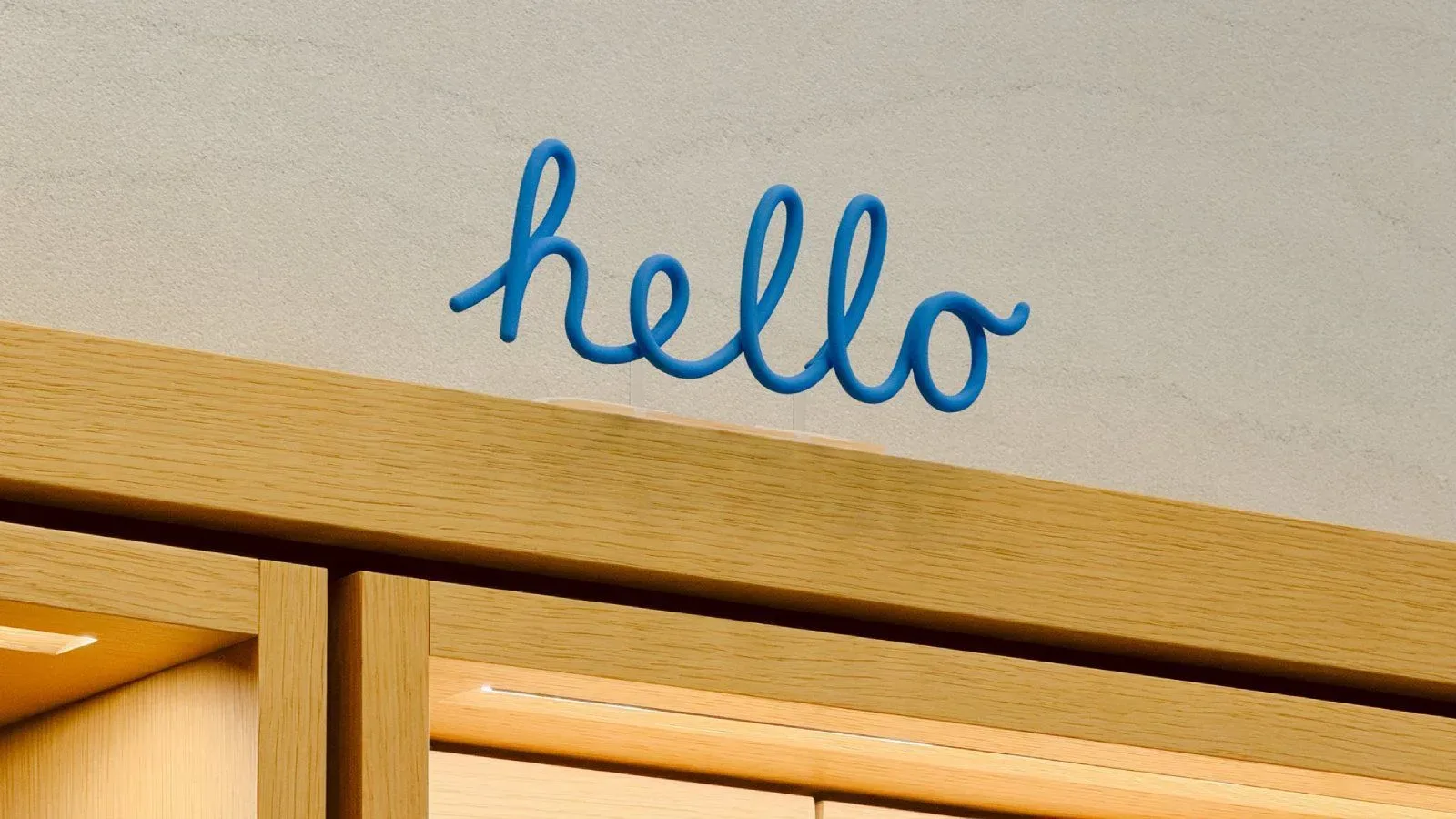
Apple retail locations are also leaning into the iPhone moment visually, with “Hello” decorations tied to an iPhone camera zoom test. That does not change stock levels, of course, but it underscores why a store visit is a distinct part of the launch experience. For a buyer, the functional side remains more important: confirm the configuration, pay online, bring identification and the order number, and arrive for the scheduled check-in window.
In other words, the fastest path to an iPhone 18 Pro is not necessarily the one with the shortest delivery estimate. It may be a store a few miles away with exactly the unit you selected. But because inventory varies by location and can be limited, the only reliable answer is the one shown at checkout for the phone, color, capacity, and Apple Store you actually choose.