Apple Stores around the world have begun displaying a new “hello” decoration, with the apparently simple bit of retail scenery serving a very specific job: giving visitors something to point an iPhone camera at from across the store.
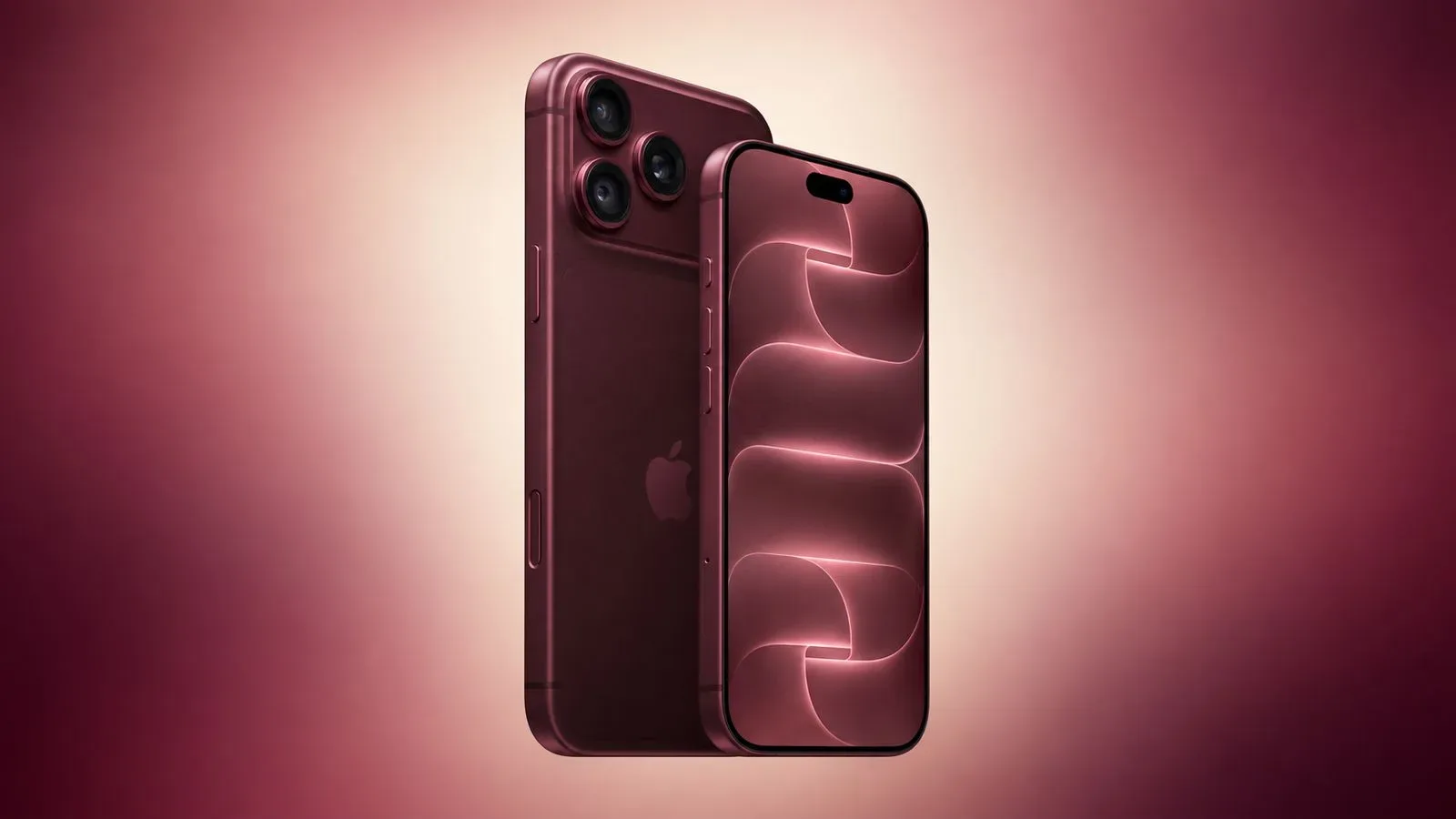
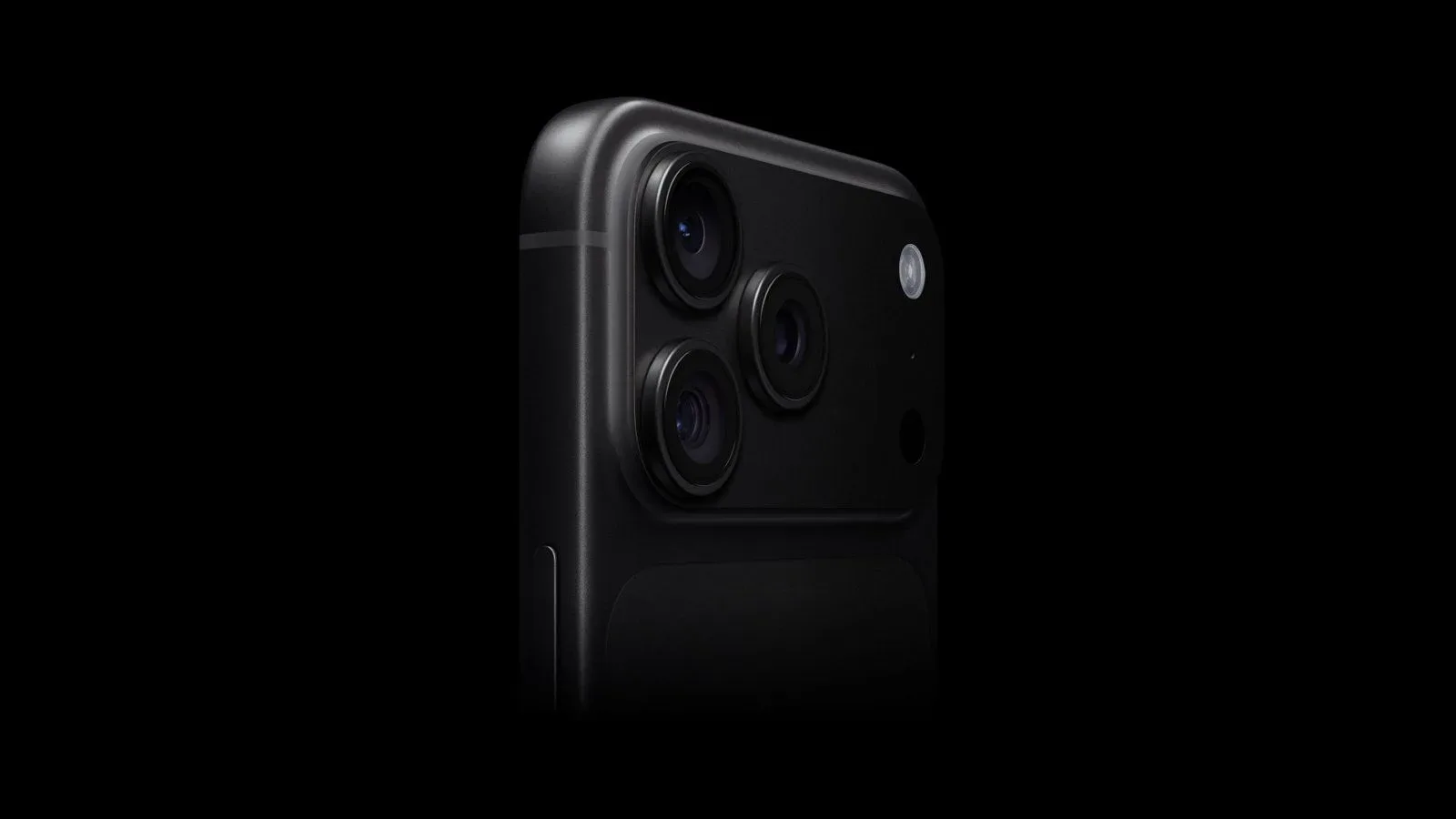
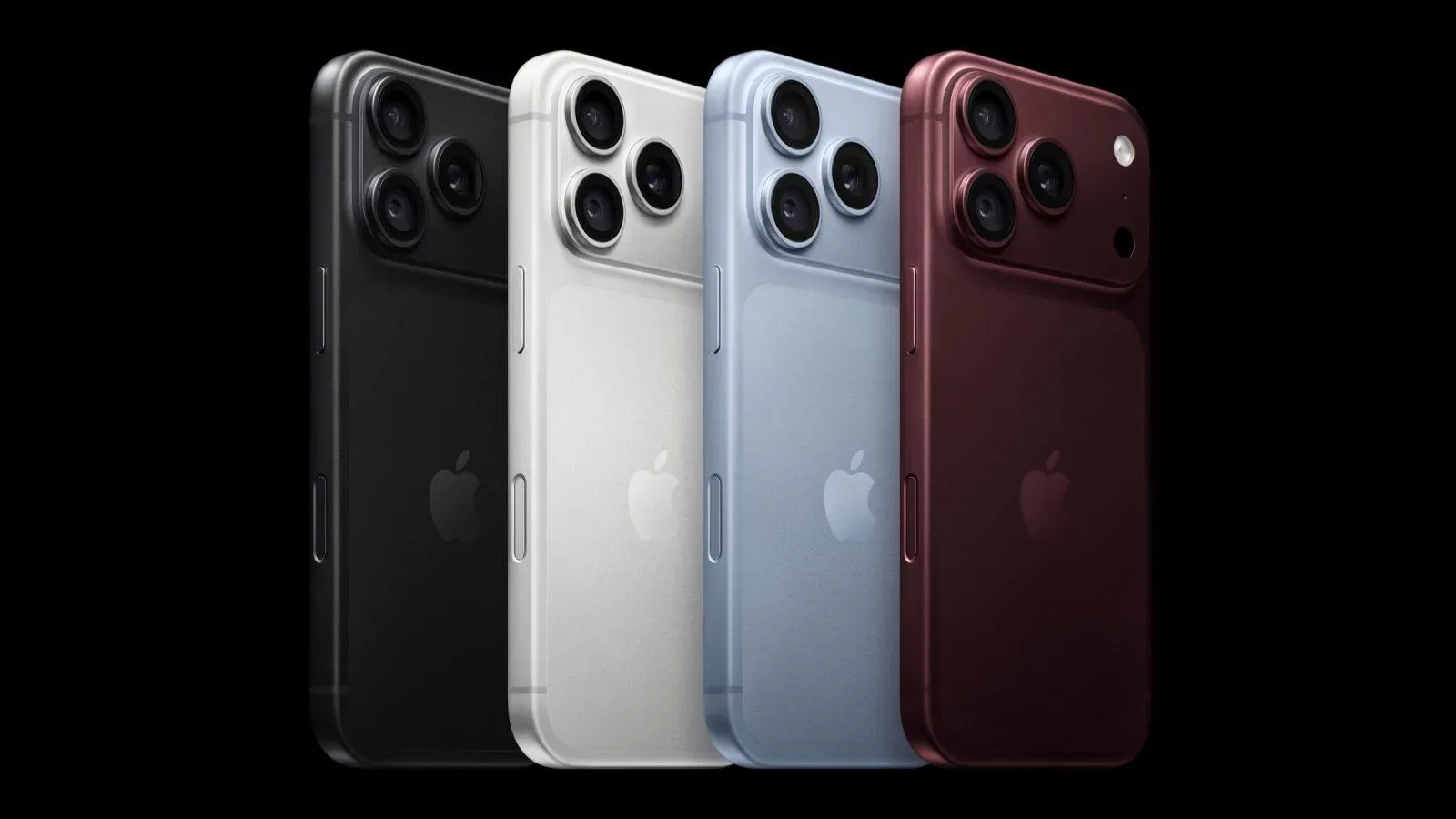
The decoration is intended to demonstrate camera zoom. That makes its arrival especially timely alongside the iPhone 18 Pro models, which launched today and are described as offering up to 8× optical zoom. The prior iPhone 17 Pro models are also described as reaching up to 8× optical zoom.
It is a small change, but it is a sensible one. A phone-camera specification is easiest to understand when somebody can aim at a clearly identifiable object, move farther away, and see whether letters and edges remain usable. “Hello” is short, familiar, visually clean, and a fittingly on-brand target that does not need an instruction placard explaining what it is.
A retail demo built around distance
In a store, people testing cameras need a subject that exists at a meaningful distance from the demo table. Nearby products and signage can show basic framing, but they do not necessarily reveal what a longer zoom setting is for. A decoration positioned elsewhere in the space gives the camera a purpose: pull a distant word closer and judge the result for yourself.
That matters because zoom is not a feature best understood as a number in isolation. An 8× figure suggests that a camera can provide a much narrower view of the scene than its baseline view. The practical question for a shopper is more straightforward: can they make out a distant sign, detail, or bit of text well enough for the photo to be useful?
The “hello” installation turns that question into a quick store-floor experiment. Rather than asking a customer to imagine a travel shot, an arena seat, a landmark, or a document pinned at the other end of a room, it provides a stable target in the environment where the phone is being tried.
What “optical zoom” means — and what the label does not settle
Optical zoom generally refers to a camera capability achieved through optics rather than merely enlarging an image after it has been captured. In ordinary use, this distinction matters because simply cropping into a photo can make a subject bigger while leaving less image information to work with.
That basic definition is useful, but shoppers should avoid treating one headline number as a complete verdict on camera quality. The supplied information establishes the up-to-8× optical-zoom claim for the iPhone 18 Pro models and notes the same maximum for iPhone 17 Pro models. It does not, by itself, detail the camera hardware, processing approach, zoom behavior at intermediate levels, or how results compare in different lighting conditions.
Those details can affect real-world results. So can the simple conditions of the photo: how far away the subject is, how much light is available, whether the phone is steady, and whether the desired subject is moving. A stationary, well-lit “hello” decoration is an appropriate way to show a basic zoom use case, but it is not every photographic situation a customer might eventually encounter.
That is not a knock on the demo; it is a reason to use it thoughtfully. The new display appears designed to make one core behavior immediately legible: a distant object can become the central subject of the image without the photographer needing to walk across the store.
Why text is a clever choice for a camera test
Text is unusually revealing in a zoom demonstration. A large, simple word offers high-contrast shapes, defined edges, and familiar letterforms. People do not need specialist camera knowledge to notice whether the image looks convincing. If the letters look clean and recognisable at a longer zoom level, the result feels useful. If the letters look smeared or difficult to read, that is apparent immediately.
It also gives visitors a more concrete reference than a decorative pattern would. Fine detail can look impressive at a glance but be hard to evaluate without knowing what it is meant to look like. Everyone knows what “hello” should look like. That makes the decoration a low-friction visual benchmark, not a scientific test.
The choice of word carries obvious Apple associations as well, but the confirmed practical purpose is camera testing. It should not be over-read as evidence of a broader product message or corporate change. Retail displays can be functional without secretly being a puzzle box.
What prospective buyers can actually check
Anyone trying an iPhone camera in a store can use a distant display like this to make a few simple, practical observations:
- Framing: Does the longer zoom setting quickly put the distant subject at the scale you wanted?
- Legibility: Are large letters and their edges clear enough for the kind of pictures you expect to take?
- Stability: Is it easy to hold the phone steady while framing the subject?
- Speed: Does switching to a longer zoom view feel straightforward while you are composing an image?
- Consistency: If the store permits repeat shots, does the result look broadly similar when you try again from the same spot?
These are not laboratory measurements, and they should not be presented as such. They are a buyer’s sanity check: does the feature behave in a way that matches the value you place on zoom photography?
It is also worth distinguishing a store demo from a verdict on a camera. A controlled indoor target is helpful for learning controls and observing basic detail, but it cannot represent every subject, distance, or lighting condition. The most useful takeaway is narrower: the “hello” decoration gives visitors an immediate chance to understand what the 8× claim feels like in use.
A tiny piece of staging with a clear purpose
Consumer electronics stores already ask shoppers to make sense of specifications in a noisy environment full of tables, screens, accessories, and competing devices. A physical marker across the room is an uncomplicated answer to a complicated problem. It gives zoom a visible objective.
The installation may be modest, but it acknowledges something important about modern phone cameras: feature lists are abstract until a person has a reason to use the feature. A distant “hello” is a quick invitation to try the camera rather than just read the number.
For shoppers weighing Apple’s newest premium phones, broader demand signals and purchase intentions are still separate from actual sales, as noted in our look at iPhone 18 Pro survey results. On the shop floor, though, the new decoration is about a much smaller and more direct question: when the word is far away, how well does the camera bring it back?