A new iPhone jailbreak demonstration from security group Calif puts two normally reassuring layers of Apple’s platform story under a microscope: Lockdown Mode and the software-update process. In a video shared by the group, an iPhone 18 Pro is shown with Lockdown Mode enabled, then updated to iOS 27.2. The jailbreak appears to remain present once that update has completed.
That is an eye-catching result, particularly because Lockdown Mode is Apple’s most restrictive optional security setting. But the boundaries of the claim matter as much as the demo itself. Calif has shown a device that was already jailbroken before the update; it has not established that its method can jailbreak an iPhone that begins on iOS 27.2. Nor has the group released a jailbreak utility for the public, and it has previously said it intends to disclose vulnerabilities to Apple rather than publish an end-user tool.
In other words, this is evidence of a security-research result, not a reason for ordinary iPhone owners to start looking for software that does not exist. For people who use Lockdown Mode because they may face unusually sophisticated threats, the most useful immediate takeaway is also the least glamorous one: keep updates flowing, follow trusted security guidance, and do not treat a single demonstration as a full description of real-world risk.
What Calif demonstrated
The video centers on an iPhone 18 Pro with Lockdown Mode turned on. Calif then installs iOS 27.2 and shows that the jailbreak remains in place afterward. Persistence across an operating-system update is the important technical detail here.
A jailbreak is a method of defeating restrictions imposed by the device maker so code or modifications outside the normally permitted model can run. The word can cover many different technical paths and levels of control, so it should not be read as a precise explanation of which vulnerability or privilege level Calif used. The supplied demonstration establishes an observed outcome: the modified state survived the update shown in the video.
It does not answer several questions that are vital when judging scope:
- Whether the same approach works on an iPhone that is already running iOS 27.2.
- Which vulnerability or chain of vulnerabilities enables the result.
- Whether the behavior is limited to the specific hardware and software state in the demonstration.
- Whether a future Apple update removes the underlying weakness.
- Whether the technique can be reliably reproduced outside the researchers’ controlled demonstration.
Those unknowns are not minor footnotes. Security research often begins with a proof that a result is possible under particular conditions. Turning that into an assessment of broad user exposure requires details about prerequisites, reliability, affected configurations and mitigations. None of those can be assumed from the clip alone.
Why Lockdown Mode changes the significance
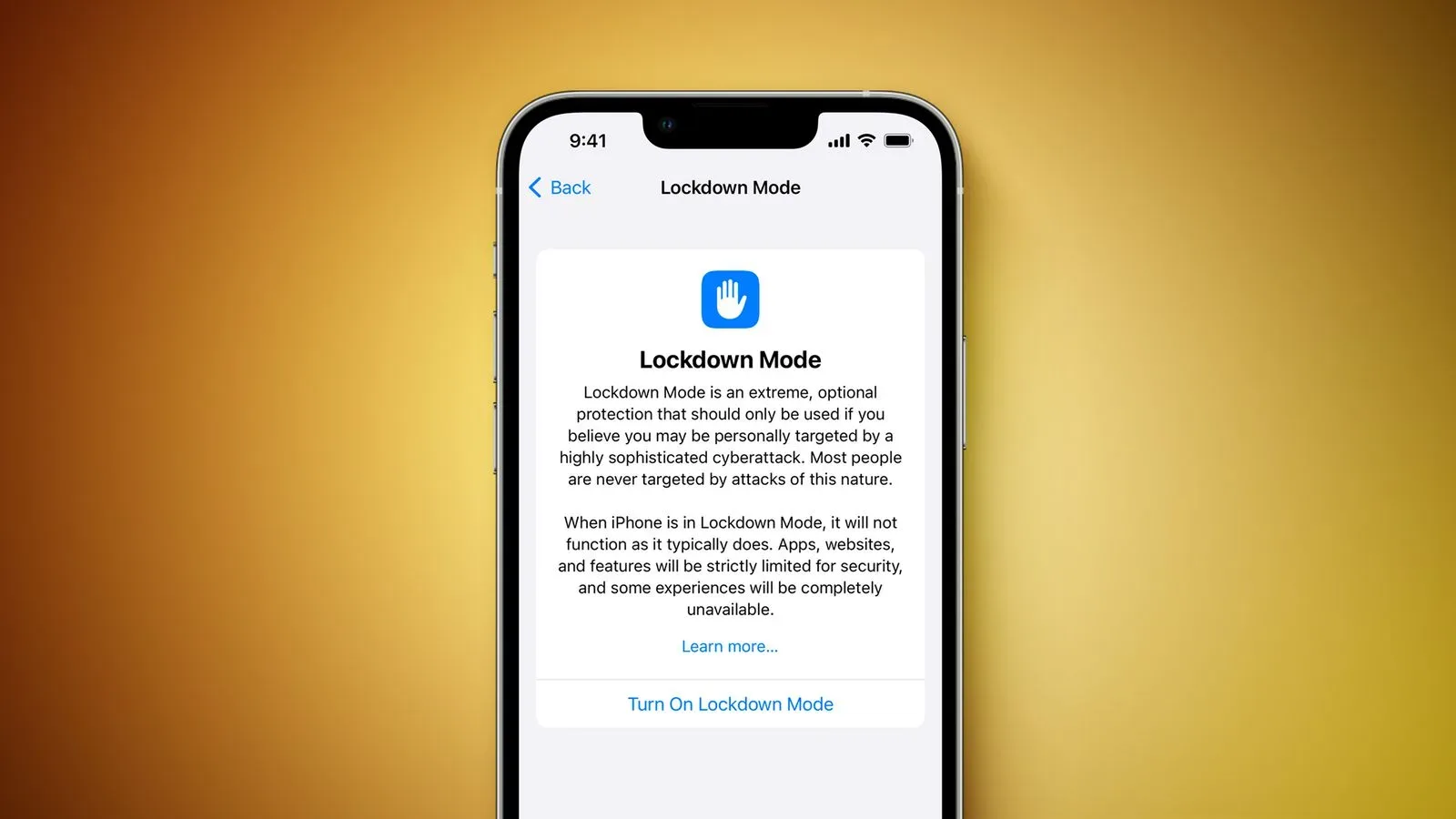
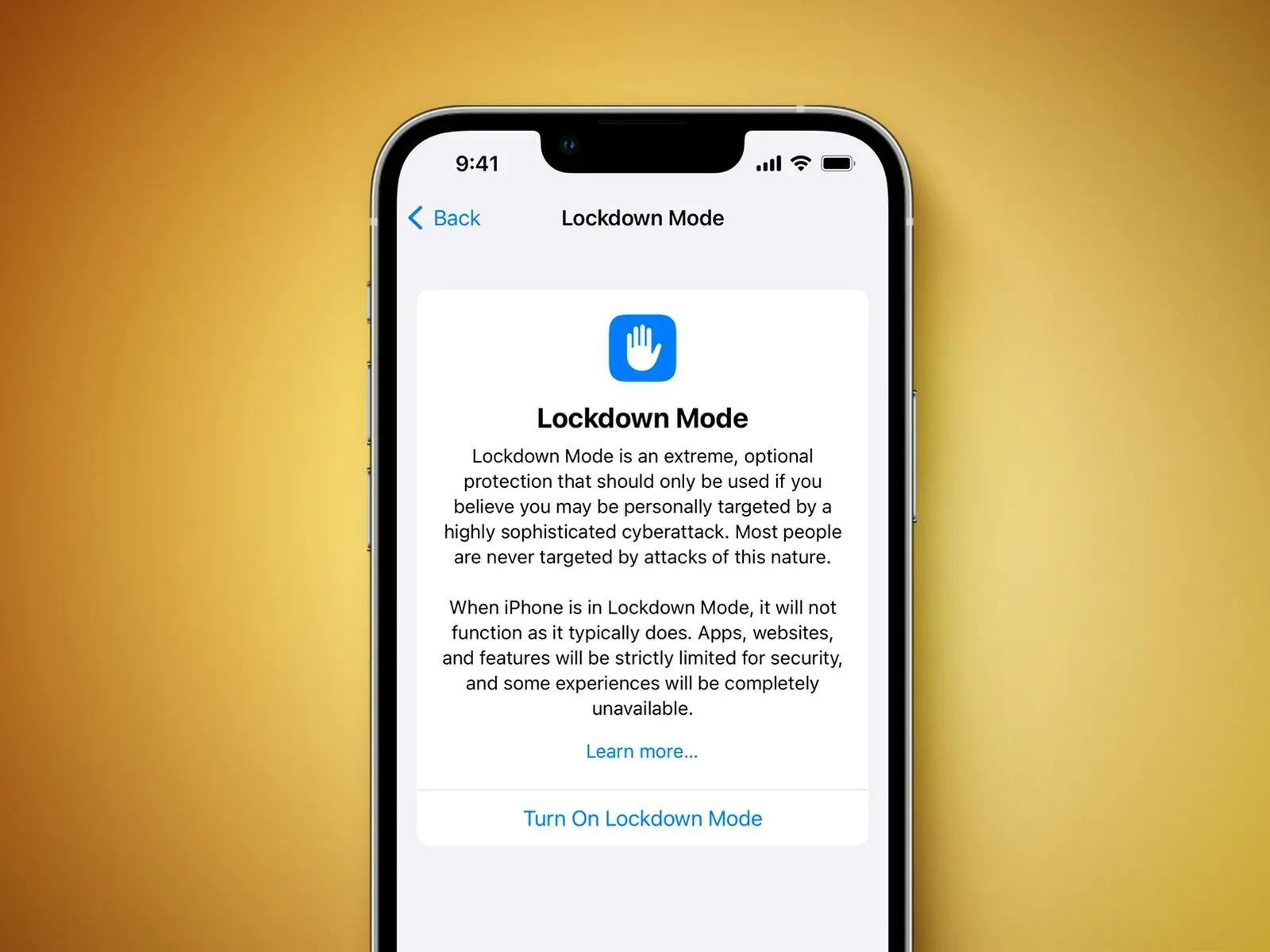
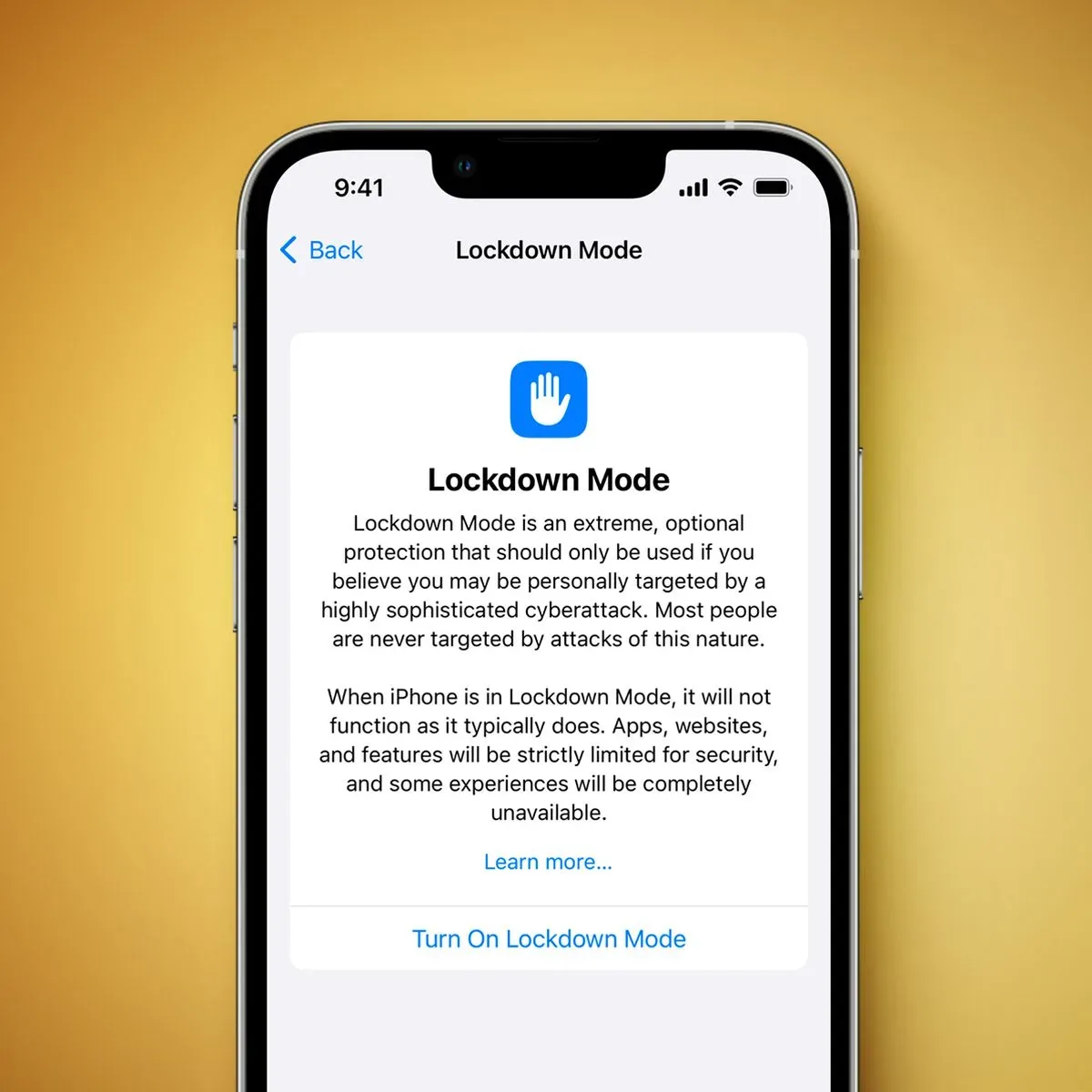
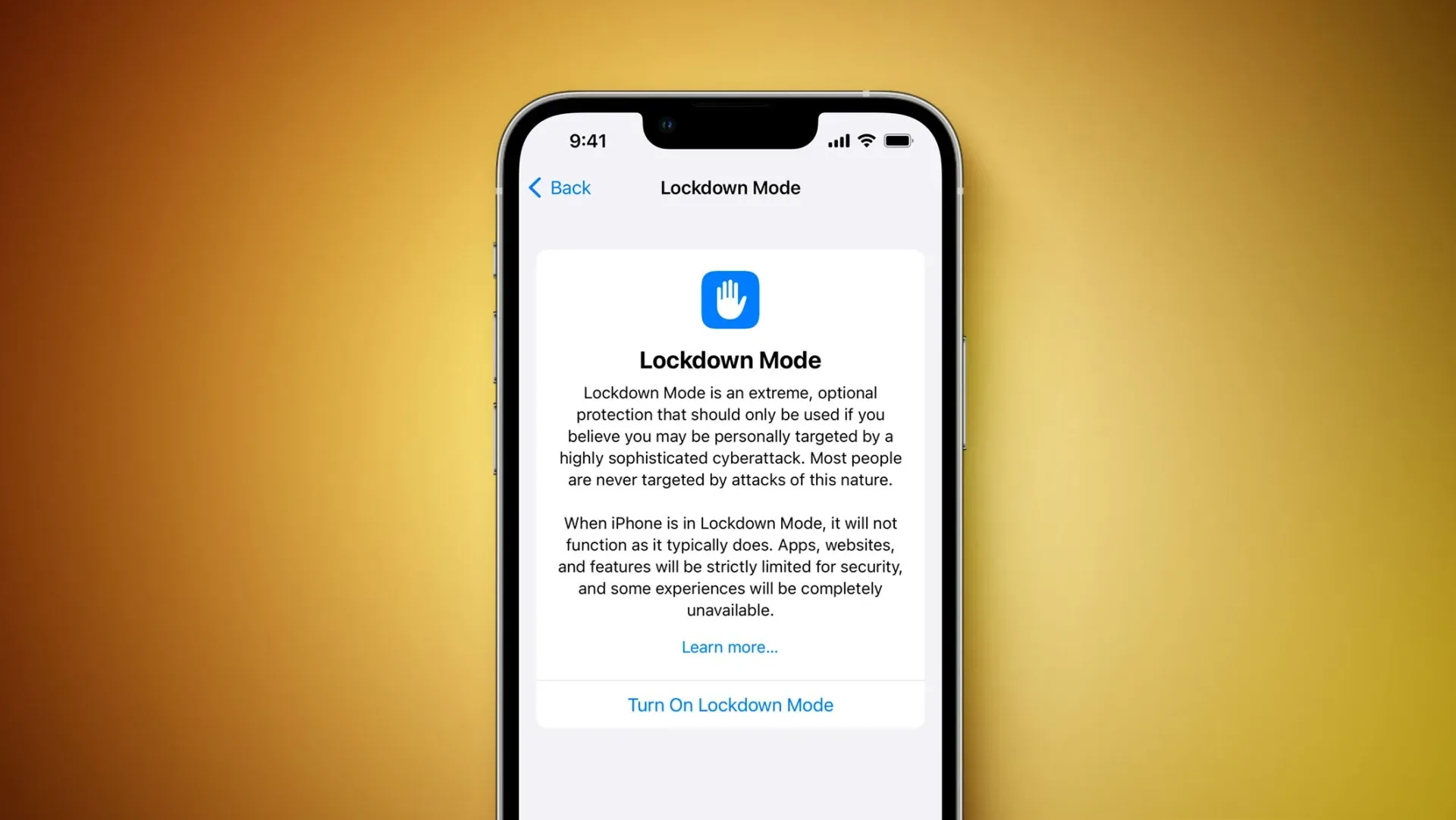
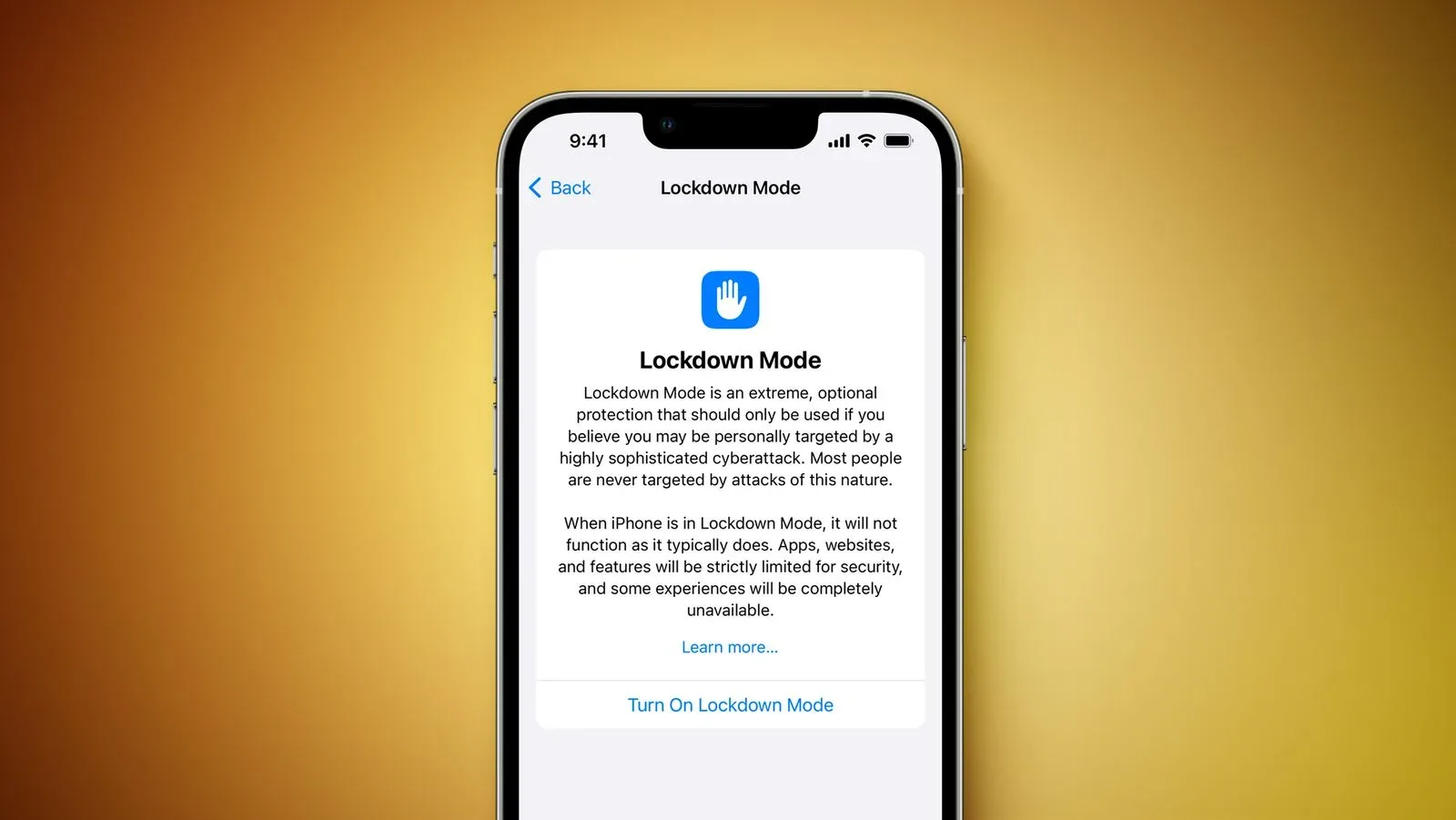
Apple positions Lockdown Mode as “extreme protection” for people who may be targeted by highly sophisticated mercenary spyware. It is deliberately not framed as an everyday convenience feature. The trade-off is reduced functionality in exchange for narrowing possible routes through which an attacker might reach a device.
When enabled, Lockdown Mode disables or restricts a substantial set of functions. The supplied details include limits on message attachment types and web technologies, blocked FaceTime calls from unfamiliar callers, disabled invitations for Apple services, and removal of location information from photos. Each restriction reduces convenience in a different way, but the shared security idea is straightforward: fewer enabled capabilities can mean fewer opportunities for a highly targeted attack to use them.
That makes Calif’s demonstration notable. A jailbreak shown while Lockdown Mode is active indicates that the protective mode did not prevent this particular research outcome in the shown circumstances. It does not mean Lockdown Mode is useless, broken in every sense, or equivalent to having no protections at all.
Security features are not binary force fields. Lockdown Mode can make certain attack paths less viable while a separate vulnerability chain may still exist. In practical terms, a security control can continue to provide meaningful protection even if researchers demonstrate a way around it in a particular scenario. The correct response is to understand the limitation, allow the vendor a chance to address it, and avoid overstating either the defense or the bypass.
An update that did not remove the jailbreak
The iOS 27.2 portion of the demonstration adds a second layer of interest. Software updates are commonly expected to change a device’s security posture: they can fix flaws, replace affected components, and close techniques researchers have found. Here, however, Calif’s jailbroken phone appears to retain its jailbreak after the update.
Persistence describes that ability to remain active after an event that might normally clear or disrupt a modification. In this case, the relevant event is an iOS update. It is a meaningful result because it suggests the demonstrated jailbreak was not simply erased by the update process.
Still, “survives an update” should not be inflated into “works on iOS 27.2” in every situation. Those are different claims. A device modified under an earlier software state and then updated may have a different path to the observed outcome than a clean device running 27.2 from the outset. Calif has not established the latter in the provided information.
That distinction is especially important for readers who follow jailbreak news as if each version number is a clean yes-or-no compatibility label. Security behavior is often dependent on sequence: device model, starting version, update route, existing system state and the exact technique used can all matter. The demonstration gives a narrow but valuable data point, not a universal compatibility chart.
Jailbreak research is not the same thing as mercenary spyware
Lockdown Mode is designed with sophisticated mercenary spyware threats in mind, while Calif’s work is a jailbreak demonstration. There is overlap in the broad field of iPhone security research, but they should not be treated as identical categories.
Mercenary spyware refers to high-end surveillance tooling associated with targeted attacks. A jailbreak, by contrast, refers to gaining or retaining unauthorized control beyond Apple’s intended restrictions. A jailbreak result may involve vulnerabilities that are security-relevant, but the supplied information does not show spyware, a surveillance campaign, a victim population, or an attack occurring outside Calif’s own demonstration.
Apple said earlier this year that it was not aware of successful mercenary spyware attacks against an iPhone in Lockdown Mode. That statement and Calif’s video can both be true at once. The former concerns Apple’s awareness of successful real-world mercenary-spyware attacks; the latter shows a researcher group achieving a jailbreak outcome on a Lockdown Mode-enabled phone. They address related but distinctly different questions.
For security-minded readers, that distinction guards against two common errors: assuming a proof of concept automatically proves widespread active exploitation, or dismissing a research finding simply because it is not evidence of an active campaign. The result deserves attention without being turned into a claim the available facts do not support.
What the disclosure approach means for iPhone owners
Calif has previously said it is disclosing vulnerabilities to Apple and does not plan to release a public jailbreak tool. That choice matters more to immediate consumer risk than speculation about whether a release might eventually appear.
Responsible vulnerability disclosure generally means a researcher shares a discovered weakness with the affected vendor so it can investigate and develop a fix. The public may not receive technical specifics during that process, and that can feel unsatisfying to enthusiasts. Yet withholding a ready-to-use tool and exploit details can reduce the chance that other parties immediately convert a research result into abuse.
It also means there is no supported public action for users seeking this jailbreak. Anybody presenting an unverified “Calif jailbreak” download or instructions as though it were an official release should be viewed with exceptional skepticism. The group’s stated position is that it does not plan to offer a tool to end users.
For most people, attempting to jailbreak a primary phone would be a poor response to the news anyway. Jailbreaking can undermine the platform’s normal security model and create complications around updates and reliability. The research value of a jailbreak demonstration is not an endorsement for users to modify their personal devices.
Practical reading of the news
People who have Lockdown Mode enabled are likely doing so for a reason: their personal circumstances may make sophisticated digital targeting a serious concern. A measured approach is more useful than panic.
- Continue installing available iOS updates. The demonstration does not show that iOS 27.2 can be freshly jailbroken, nor does it establish that updates provide no protection. Updates remain a central part of managing known and newly addressed security issues.
- Keep Lockdown Mode’s purpose in perspective. Its restrictions are intended to reduce exposure to advanced targeted attacks. One demonstrated bypass does not erase the value of the protections it applies elsewhere.
- Do not rely on rumors, reposted clips or supposed tools. Calif has not planned a public jailbreak release. A claimed download, profile or service built around this result is not validated by the demonstration.
- Separate confirmed facts from open questions. The confirmed core is a Lockdown Mode-enabled iPhone 18 Pro retaining a jailbreak through the displayed iOS 27.2 update. Fresh-install compatibility, technical method and broader device impact remain unconfirmed.
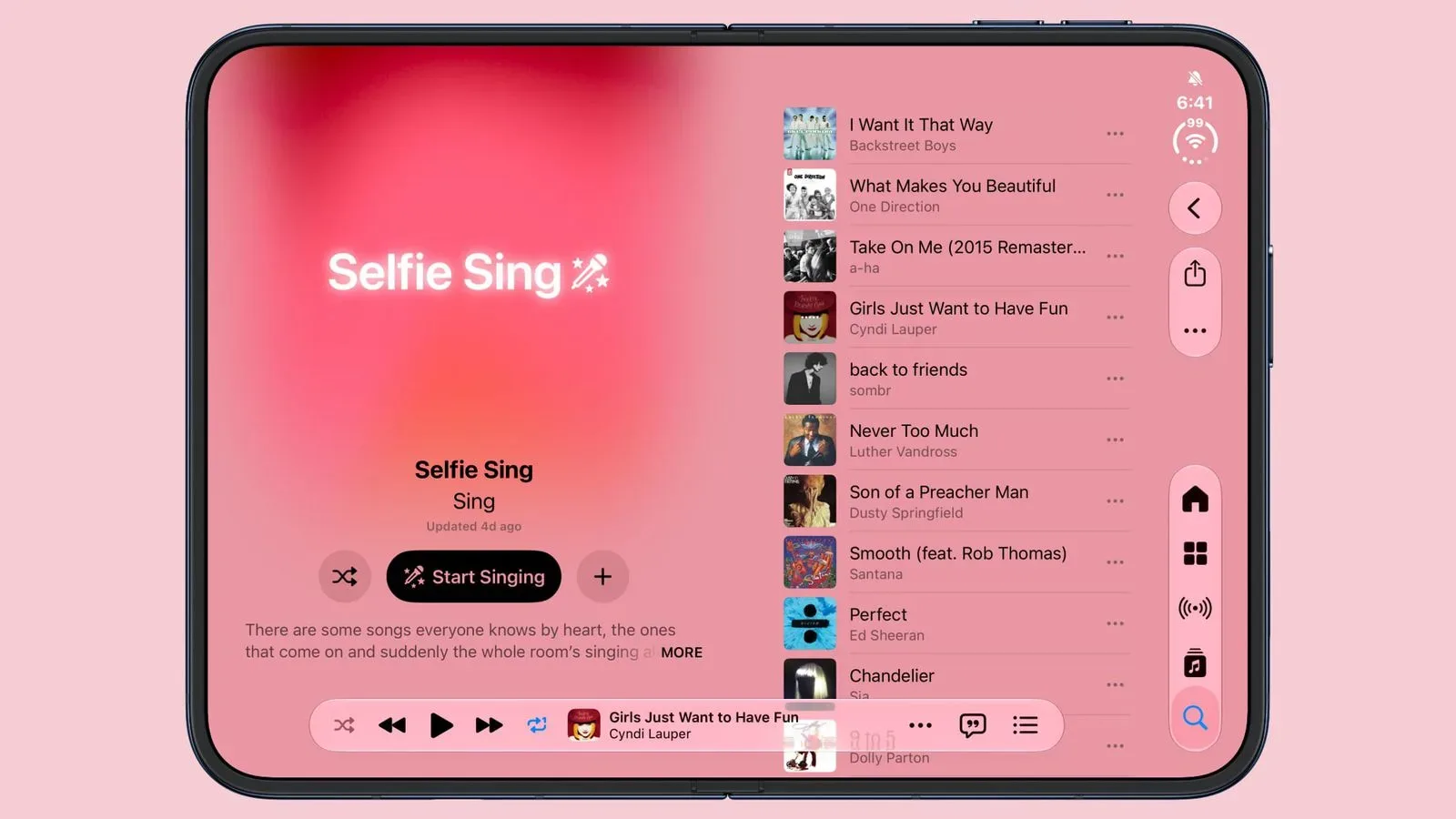
The story also lands in a wider Apple-device moment, with the company continuing to add consumer-facing iPhone features such as Apple Music’s Selfie Sing recording tool. Security controls such as Lockdown Mode occupy the opposite end of the usability spectrum: they intentionally remove or curtail capabilities for people who need a higher defensive posture. Calif’s demonstration is a reminder that even the most restrictive mode remains part of a complicated system whose security depends on constant research, disclosure and patching.
What remains unknown
There is a temptation to treat a short security video as a final verdict. It is better understood as a carefully bounded claim. Calif has demonstrated an iPhone 18 Pro in Lockdown Mode that appears to remain jailbroken after an update to iOS 27.2. The group has not, in the supplied material, said that a clean 27.2 installation can be jailbroken, provided a public tool, or detailed its vulnerability chain.
Those limits do not diminish the technical interest of what was shown. They define it. A persistent jailbreak under Lockdown Mode is newsworthy precisely because it raises questions about how distinct iOS protections interact. But the responsible framing is that Apple has a result to investigate and potentially remediate, while users have no demonstrated reason to abandon updates or conclude that Lockdown Mode no longer provides protection.