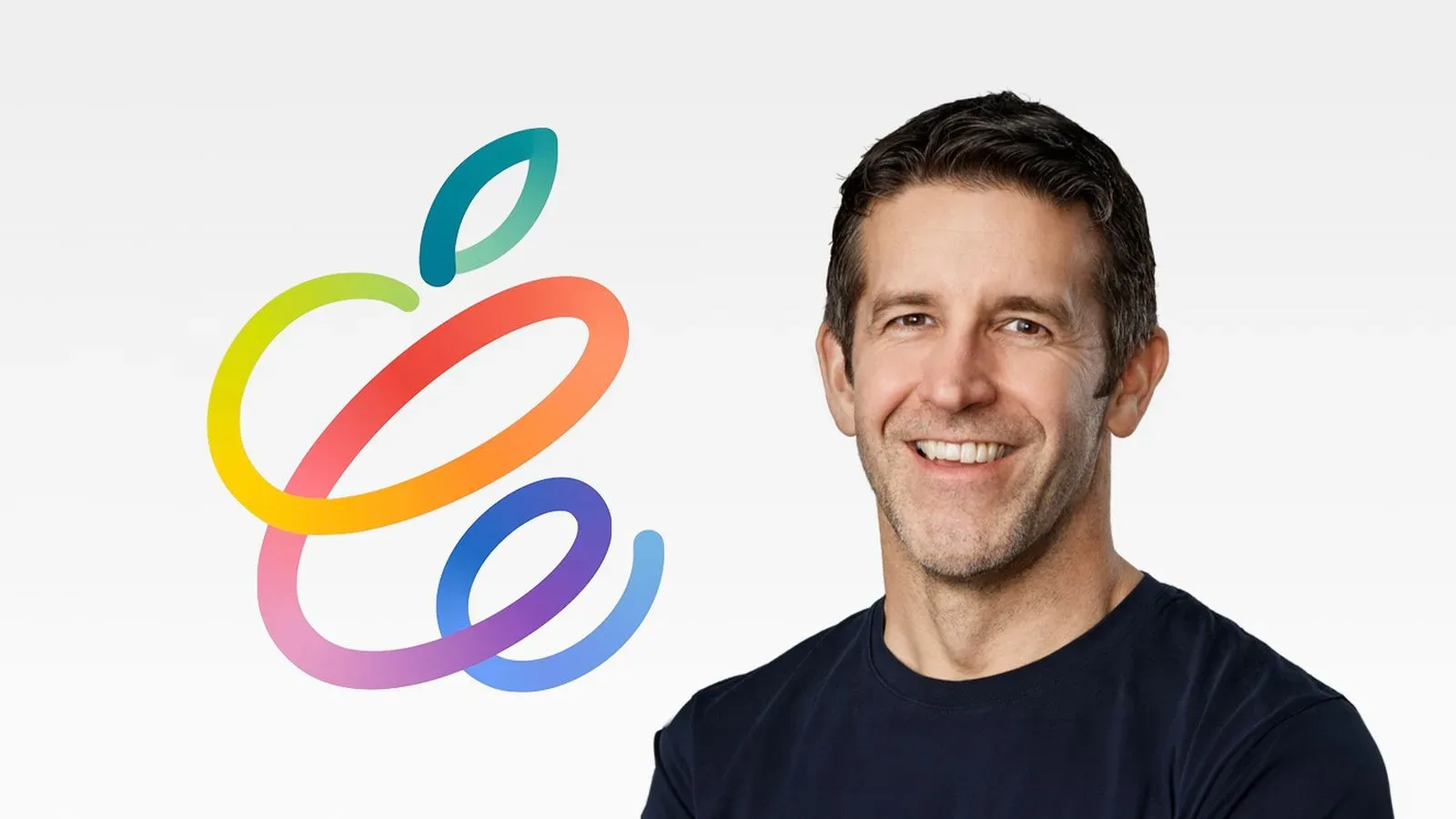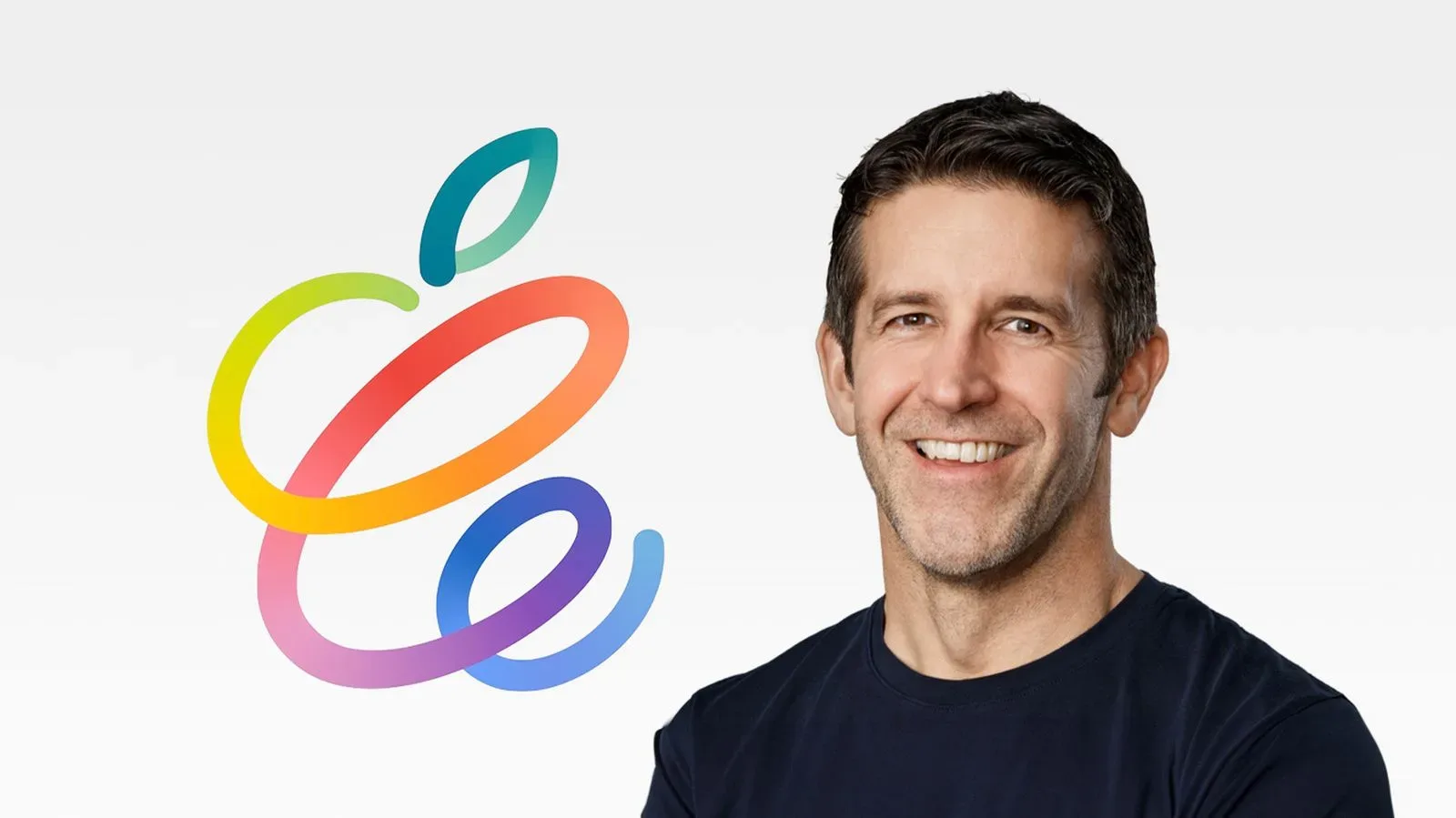
John Ternus is scheduled to make his first appearance on an Apple earnings call as chief executive, joining chief financial officer Kevan Parekh for a public discussion of the company’s third calendar-quarter results for 2026.
The webcast begins at 2 p.m. Pacific Time and 5 p.m. Eastern Time. It is intended largely for shareholders and Wall Street analysts, but anyone can listen through Apple’s Investor Relations website without registering. A replay is expected to be posted later the same day for listeners who cannot catch it live.
For the gaming and broader consumer-tech audience, the event is worth watching less as a product showcase than as a tightly structured scorecard. Apple released a broad group of hardware products in the quarter running from June 28 through September 26, spanning Macs, iPhones, watches, earbuds and accessories. The prepared remarks and subsequent analyst questions should establish how Apple frames that unusually varied release window—and which areas analysts consider most important.
What happens on an earnings call
An earnings call is a financial briefing rather than a launch event. Executives normally begin with prepared remarks, then answer questions from analysts. The call is expected to run for around an hour.
That format matters. Prepared remarks give management an opportunity to lay out the central financial narrative it wants listeners to take from the quarter. The question-and-answer portion is different: analysts can press for clarification, ask how the company is thinking about specific parts of the business, or seek more detail on the timing and implications of recent launches.
Not every product receives an individual sales figure. A company can instead discuss performance at a broader level, emphasize trends, or focus on its own chosen measures. For listeners, the most useful approach is to separate confirmed figures and direct statements from interpretation around them. A product appearing in a quarterly release slate establishes that it launched in the period; it does not, by itself, establish how much revenue it generated or how it performed against expectations.
Ternus and Parekh will be the key voices on the call. Ternus’s first turn in this setting gives the briefing an added leadership dimension, while Parekh’s role places him at the center of the financial discussion. Still, the basic task remains the same: discuss the reported quarter and respond to analysts’ questions about it.
A quarter with releases across Apple’s hardware range
The June 28-to-September 26 period included releases across several of Apple’s major device families:
- Mac mini models with M6 and M5 Pro chips
- Mac Studio models with M5 Max and M5 Ultra chips
- iPhone 18 Pro and iPhone 18 Pro Max
- Apple Watch Series 12 and Apple Watch Ultra 4
- AirPods 5 and Beats 360
- A new Apple polishing cloth
- A wrist strap for iPhone 18 Pro and AirPods Pro 3
- A new Apple Watch charging puck
The list is notable for its range. It combines flagship phones with desktop Macs, wearable devices, audio products and smaller accessories. That makes the quarter broader than one defined by a single platform or a single refresh cycle.
The Mac releases are particularly relevant to people who use Apple machines for creative work, streaming, development, emulation front ends and other technically demanding tasks, even though this call is not expected to be a deep dive into gaming performance. The Mac mini entries pair M6 and M5 Pro chips, while the Mac Studio lineup uses M5 Max and M5 Ultra chips. In Apple’s naming, the chip label distinguishes the processor configurations attached to these different desktop systems; the supplied release list does not provide benchmark figures, pricing or game-specific claims.
That distinction is important. A new chip name can invite immediate speculation about performance, but an earnings call is chiefly about the financial period in which products arrived. Listeners interested in games or software should resist treating financial discussion as a substitute for technical testing. The call may offer useful business context, but it cannot establish frame rates, compatibility or real-world behavior without those details being explicitly provided.
Apple’s mobile hardware also had a substantial presence in the quarter. The iPhone 18 Pro and iPhone 18 Pro Max arrived alongside Apple Watch Series 12, Apple Watch Ultra 4, AirPods 5 and Beats 360. Phones and audio devices are especially relevant to the mobile ecosystem because they are the hardware on which players use apps, cloud services and accessories. But the release list alone should not be read as a statement about any particular game, controller standard, subscription service or software roadmap.
For a related example of the way iPhone hardware can intersect with gaming culture and software tools, see this look at a Wii-style multi-system emulator front end on iPhone. That is a separate development, not an announced feature of any of the products being discussed on this earnings call.
The iPhone Duo timing line is a crucial boundary
One product will sit just outside the reported results: iPhone Duo. It was announced during the quarter, but pre-orders did not begin until October 16. As a result, the quarter being discussed does not include revenue from that device.
This is more than a bookkeeping footnote. Financial quarters have fixed start and end dates, and product announcements, pre-orders and revenue inclusion do not necessarily land together. A device can dominate public conversation before it contributes to the results in the period under discussion.
Here, the relevant cutoff is September 26. Since iPhone Duo pre-orders began after that date, it cannot be used to explain revenue reported for this specific quarter. That gives listeners a simple safeguard when parsing the call: comments about the period’s results should be anchored to products and activity that actually fell within the June 28-to-September 26 window.
It also illustrates why launch calendars can be deceptively complicated. An announcement date may be useful for understanding attention and future demand, while a pre-order date determines that the product is positioned beyond this particular reporting period. Those are different milestones with different implications. The information supplied here confirms the timing boundary, but does not provide pre-order numbers, shipment figures, pricing or any forecast for iPhone Duo.
What analysts may try to clarify
The analyst Q&A is often the portion where a release list turns into a more focused conversation. With Macs, iPhones, Watches, audio products and accessories all appearing in the same quarter, questions could seek a clearer picture of the company’s priorities across that lineup.
There is no advance transcript of the questions, so it would be premature to predict exact subjects or answers. Still, listeners can use a few practical checkpoints when following the discussion:
- Keep the reporting period in view. The call concerns the third quarter of calendar 2026, covering June 28 through September 26. Products or orders outside those dates should not be casually folded into the reported result.
- Distinguish products from categories. A named product is a particular release; an earnings discussion may address a larger hardware category instead. Those are not the same level of detail.
- Listen for direct language. Statements about results, demand or outlook have different meanings. A factual result describes the completed quarter, while forward-looking language concerns what may happen later.
- Do not fill gaps with assumptions. The supplied information does not establish sales totals for the new Macs, iPhones, Watches, earbuds or accessories. If such figures are not disclosed on the call, they remain undisclosed.
For gaming-focused readers, that last point is especially useful. Apple hardware releases can affect the devices people own and use, but a corporate earnings event does not automatically answer questions about game libraries, platform strategy, technical support or the experience of playing a specific title. The most responsible read is to take the financial information on its own terms, then wait for separately supported technical details where needed.
How to listen and what to save afterward
The live stream is free and requires no registration. The scheduled start is 2 p.m. Pacific Time / 5 p.m. Eastern Time, and the expected duration is roughly one hour. Apple will make a recording available on the same page later in the day.
For anyone following in real time, the opening prepared remarks will provide the cleanest overview of management’s framing. The analyst Q&A can add nuance, but it may move quickly among topics. The replay is therefore useful not merely for people who miss the broadcast, but for listeners who want to revisit a particular answer without relying on snippets or paraphrases.
Ternus’s debut as CEO makes this a notable call, while the release calendar gives it plenty of hardware context. The clearest confirmed facts going in are straightforward: Apple will discuss the June 28-to-September 26 quarter; it launched new Mac, iPhone, Watch, audio and accessory products during that period; and iPhone Duo revenue is not part of these results because pre-orders began on October 16. Everything beyond those boundaries will depend on what Ternus, Parekh and the analysts actually say once the webcast begins.