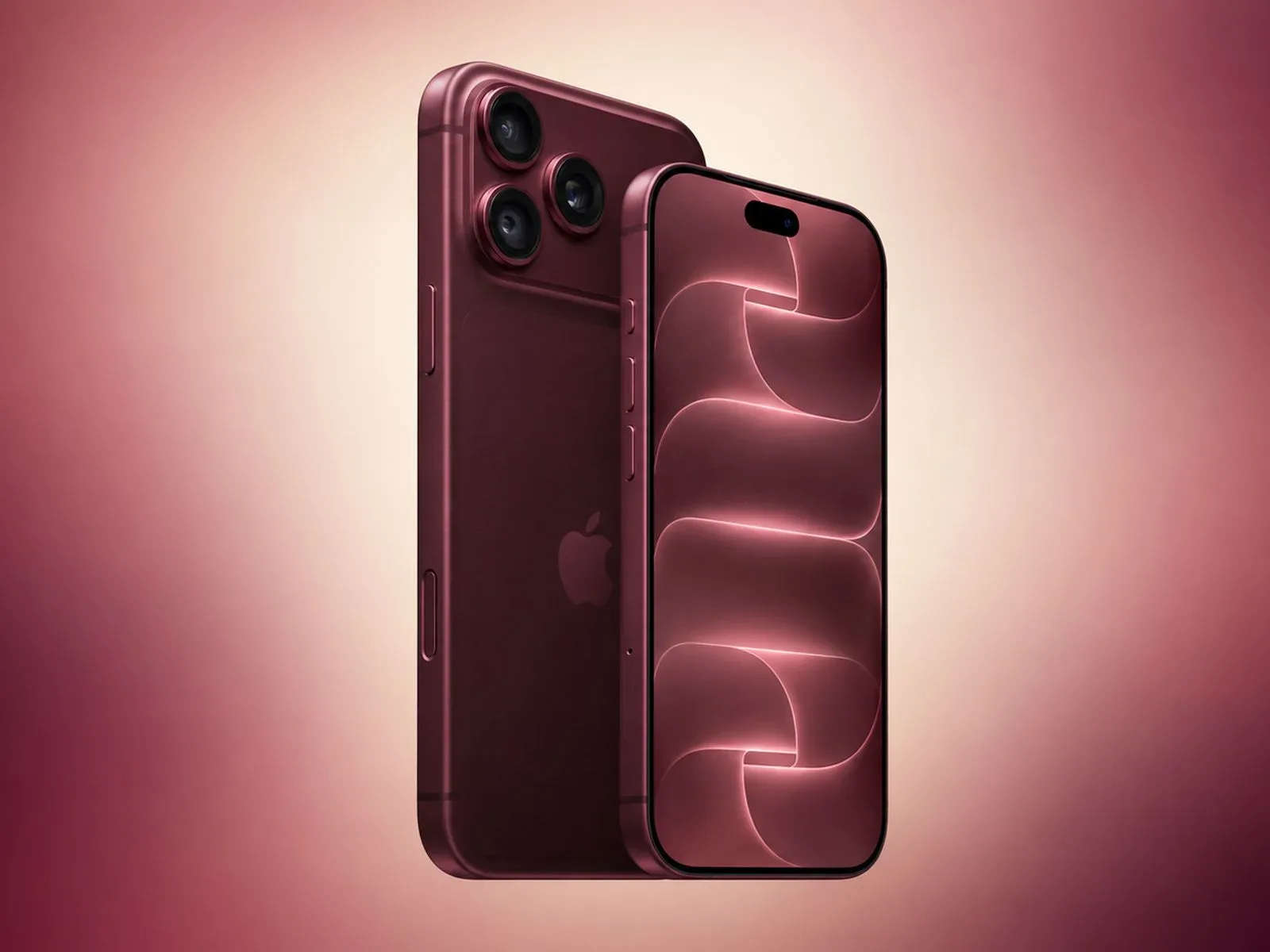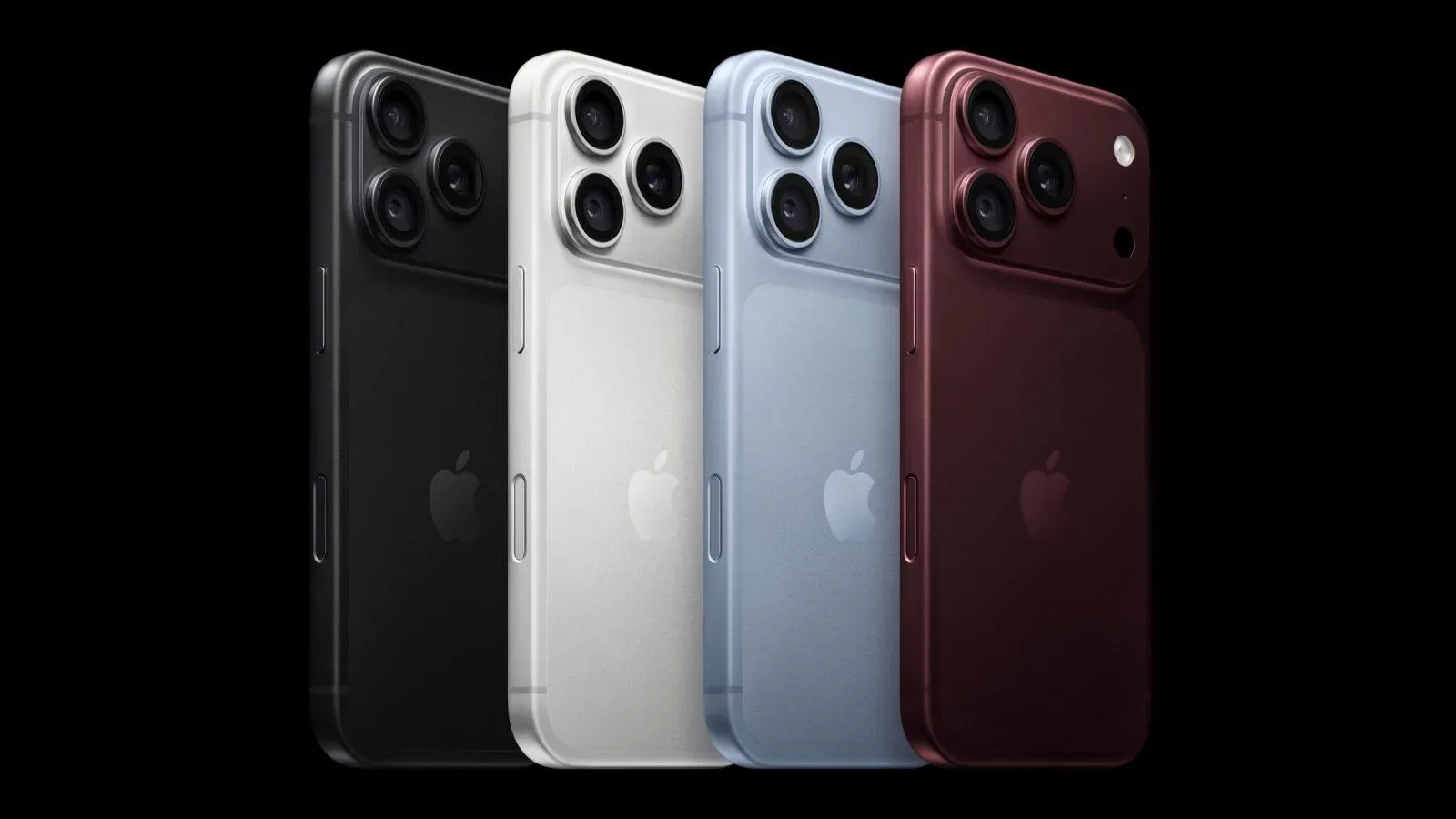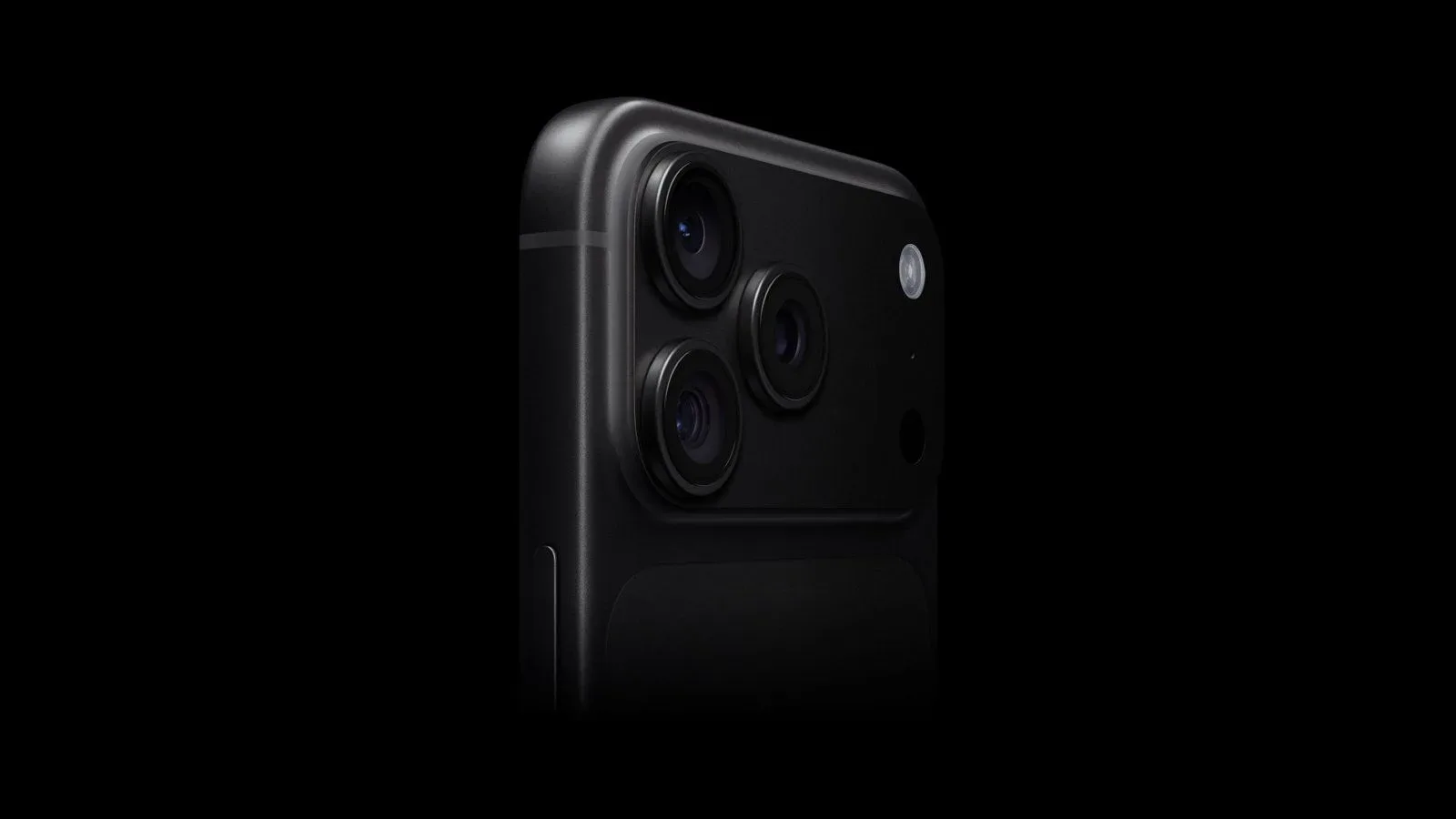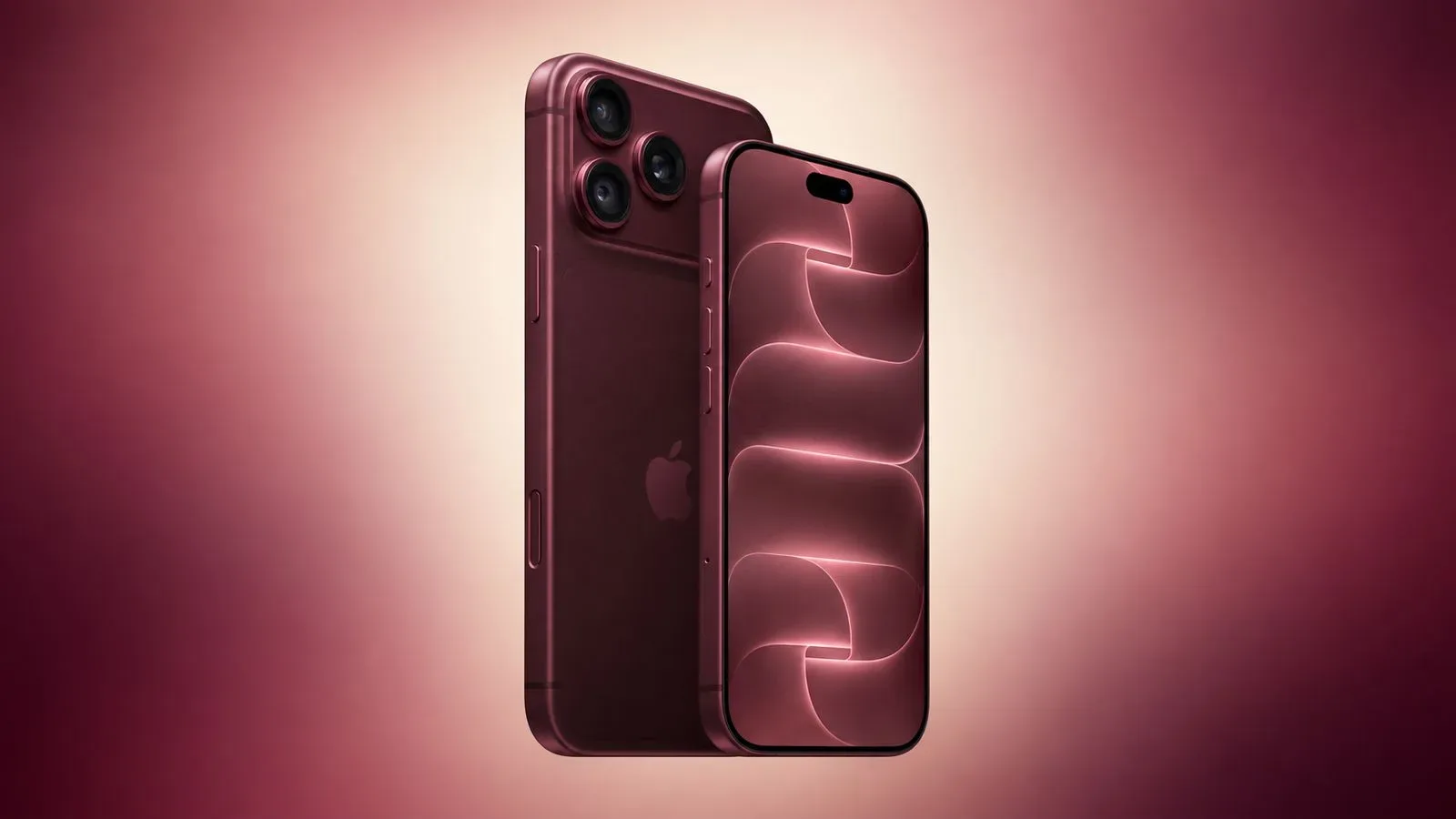
Prospective iPhone buyers in the United States appear more willing to move upmarket in the next upgrade cycle, with a consumer survey pointing to particularly strong interest in Apple’s iPhone 18 Pro and Pro Max models. The findings also suggest that an aging handset—not merely the appeal of a new feature—has become a much more common reason for consumers to consider replacing an iPhone.
That distinction matters. A buyer saying they plan to purchase a phone is not the same thing as a completed sale, and a survey of U.S. consumers cannot establish worldwide demand. Still, purchase-intention data can offer an early view of the mix of products people are considering. In this case, the prospective mix tilts toward the most expensive iPhones and potentially higher-capacity storage options, a combination that could have a bigger financial effect than a simple rise in unit sales.
What the survey says about iPhone upgrades
The Evercore survey covered nearly 4,000 consumers in the United States. Among respondents, 67% identified the age of their current iPhone as their primary reason to upgrade. That is up substantially from 48% in the prior year’s survey.
“Upgrade cycle” is the industry shorthand for the period in which owners decide their existing hardware has reached the point where replacement makes sense. The reason can be a damaged device, declining battery performance, a desired new capability or a contract and payment change. Here, the stated reason is more fundamental: respondents are increasingly saying that their current phone is simply old enough to replace.
That is a more durable-looking signal than a response based solely on launch-day novelty. It does not guarantee that every respondent will buy, nor does it reveal how soon each person will act. But when device age becomes a leading reason for an intended upgrade, it can indicate a larger installed base of people who have delayed replacement and are now entering the market.
For buyers, it is also a useful reminder to separate need from launch excitement. An older phone can justify an upgrade for practical reasons, but the configuration choice remains separate. A consumer can need a new device without necessarily needing the largest screen, the Pro-tier hardware or the maximum storage capacity.
Pro and Pro Max account for a majority of stated preferences
The iPhone 18 Pro and iPhone 18 Pro Max together drew 53% of prospective buyers in the survey. The Pro Max alone was selected by 32%, compared with 29% in the previous year’s study.
The important point is the combined figure: more than half of those prospective buyers indicated a preference for one of the two Pro models. The Pro Max increase adds another detail, showing that interest is not only clustering around the premium range in general, but is also moving toward its larger variant.
Product mix describes how sales are distributed among a company’s different models and configurations. It is often as consequential as raw sales volume. If two periods produce the same number of phone purchases but one has a higher share of premium models, the second period can generate more revenue because more buyers chose the higher-priced options.
That is why a Pro-heavy preference survey attracts attention. It does not prove Apple will sell a matching proportion of Pro devices, but it suggests that consumers currently considering a purchase are not uniformly trying to minimize the upfront cost. They are expressing interest in premium hardware at a meaningful rate.
The pattern has practical implications beyond the phone itself. Higher-end devices can create a bigger initial purchase, especially when buyers pair them with storage upgrades or related accessories and services. The survey also found increased consideration for Apple Watch and AirPods purchases, though it does not establish whether those products would be bought alongside an iPhone or separately.
Storage may be part of the premium equation
Evercore’s estimate for average iPhone selling prices includes both higher retail prices and an expected shift toward premium models and larger storage configurations. The estimate is approximately a 28% increase in average selling prices.
Average selling price, often shortened to ASP, is a revenue measure rather than a sticker-price label. It reflects the average amount received per phone sold across a mix of models and storage tiers. It can rise even if a base model’s price stays unchanged, provided more buyers select a more expensive model, more storage or both.
The survey discussion includes reported 2TB storage options for iPhone 18 Pro models and the iPhone Duo. These capacity options should be treated carefully: the survey’s reference to them is not confirmation of a final retail specification. It does, however, illustrate why storage configurations are central to the ASP argument. A larger capacity tier gives shoppers another way to trade a higher initial cost for more local space.
For people who play large games or keep extensive media libraries, storage is a straightforward consideration. Modern game downloads can be substantial; for perspective, one recent report discussed a possible 200GB download requirement for Final Fantasy 7 Revelation. That is a console example rather than a claim about iPhone software, but it demonstrates the basic issue: large files make capacity planning more consequential.
More storage is not automatically the correct purchase. Buyers should consider the space their current device actually uses, whether photos and files are stored locally, and how long they expect to keep the phone. The key finding is not that every prospective buyer needs an enormous capacity tier. It is that the survey points to a cohort more open to paying for one.
The iPhone Duo remains a smaller part of stated demand
The foldable iPhone Duo attracted interest from 14% of respondents. Evercore expects that interest could increase as a mid-October launch approaches, but the current survey places the device far behind the combined iPhone 18 Pro and Pro Max preference.
“Foldable” refers to a phone design built around a flexible display and a hinge, allowing the device to change shape between more compact and expanded use. In this survey, its appeal is measurable but comparatively limited. The 14% figure describes interest among respondents, not a sales share, a shipment forecast or a guarantee that the product will launch with any particular configuration.
There are two sensible readings of that number. First, it shows that a foldable option has a defined audience in the stated-intention data. Second, the established Pro lineup remains the much broader premium preference at this stage. The Pro models account for 53% together, leaving the Duo as a potentially important addition rather than the apparent center of the coming cycle.
Timing is also important. Purchase-intention surveys are snapshots. Interest can change as a launch gets closer, as shoppers learn more, or as they compare a new category with familiar alternatives. The survey itself anticipates that possibility for the Duo, which is precisely why the 14% result should be understood as a current reading rather than a final verdict.
Wearables and earbuds show wider purchase interest
The survey did not find interest only in phones. Thirty-eight percent of respondents said they were planning an Apple Watch purchase, while 43% were considering AirPods. Both readings were higher than in the prior year.
These numbers do not demonstrate that Apple Watch and AirPods sales will rise by those exact amounts, and they do not tell us which models or prices consumers have in mind. Their value is directional: the surveyed group expressed more interest in adjacent Apple products than it did a year earlier.
For the broader business picture, that matters because a phone upgrade can be part of a wider device refresh. Someone changing an older handset may also consider replacing worn earbuds or adding a watch. But the available data does not establish that these purchases will occur together, so it would be premature to treat the figures as a bundled-sales forecast.
Why the bullish reading needs limits
Evercore believes the survey supports a stronger fiscal 2027 revenue outlook for Apple than the roughly 7% growth currently anticipated by analysts. Its argument rests on several aligned indicators: more respondents citing device age as the main upgrade trigger, a preference skewed toward Pro and Pro Max phones, and interest in higher-value configurations.
There is a clear rationale behind that view. More purchasers replacing old phones could support demand, while a larger premium share and bigger storage selections could lift revenue per handset. When all three trends occur together, revenue can improve even without assuming that every part of the market behaves the same way.
Yet the survey has explicit boundaries. It reflects stated intentions from nearly 4,000 U.S. consumers. It does not measure completed purchases, it does not represent confirmed global demand, and it cannot settle what the final retail sales mix will be. Consumers can change their minds, delay a purchase, choose another model or opt for a lower storage tier after seeing final details.
The most grounded takeaway is therefore narrower than a sales prediction: current U.S. survey responses indicate stronger interest in replacing older iPhones, with a notable preference for Apple’s premium models and potentially higher-capacity configurations. That is a favorable early demand signal for the company’s revenue mix. It is not yet proof of the cycle’s final scale.