Heart Machine, the independent studio best known for Hyper Light Drifter, has laid off nearly all of its remaining staff after the publisher funding an unannounced project decided not to continue. Studio head Alx Preston said on September 16 that the lost deal removed a crucial source of income and that he does not yet know whether the company will survive.
The news is especially stark because it does not describe a conventional reduction in staff around a completed project. Preston said the publisher’s decision meant the studio no longer had the income, immediate prospects, or other funds needed to retain almost everyone. That makes the situation less about a change in one game’s plans and more about whether Heart Machine can continue operating at all.
“We had been working on an unannounced title, funded by a publisher. This week, the publisher decided to no longer move forward with it,” Preston wrote. “Without this key income for the studio, any other immediate prospects or other funds, nearly everyone at the studio had to be laid off. It’s devastating.”
A publisher-funded project can be a studio’s financial foundation
For players, an unannounced game can sound abstract: a project that had not yet been revealed, with no trailer, release date, or public gameplay to mourn. For a developer, though, a publisher-funded project can be the practical basis for keeping a team employed while work continues. Its funding is not merely a future commercial opportunity; it can be the money that supports salaries and day-to-day development.
That is why the loss of the deal has had such an immediate impact at Heart Machine. Preston’s statement ties the layoffs directly to the publisher no longer moving forward and the absence of other near-term funding. The studio has not identified the project or the publisher, and there is no basis to assume the game will be revived, completed, or announced elsewhere. The confirmed point is narrower, but serious: the agreement had been funding an unannounced title, and its collapse prompted the layoffs.
Preston said the company would provide as much support as possible to affected workers, including help with job placement. He also asked anyone with suitable roles to get in touch so the studio could coordinate. That focus matters amid an announcement often framed around a company’s uncertainty: the immediate consequences fall on artists, designers, programmers, producers, and other staff whose jobs have disappeared.
“Right now, I’m not sure yet how or if Heart Machine survives,” Preston wrote. “Navigating an increasingly challenging industry has been extremely difficult. However, we’ll keep pushing to build a path.”
Why Heart Machine’s position resonates with players
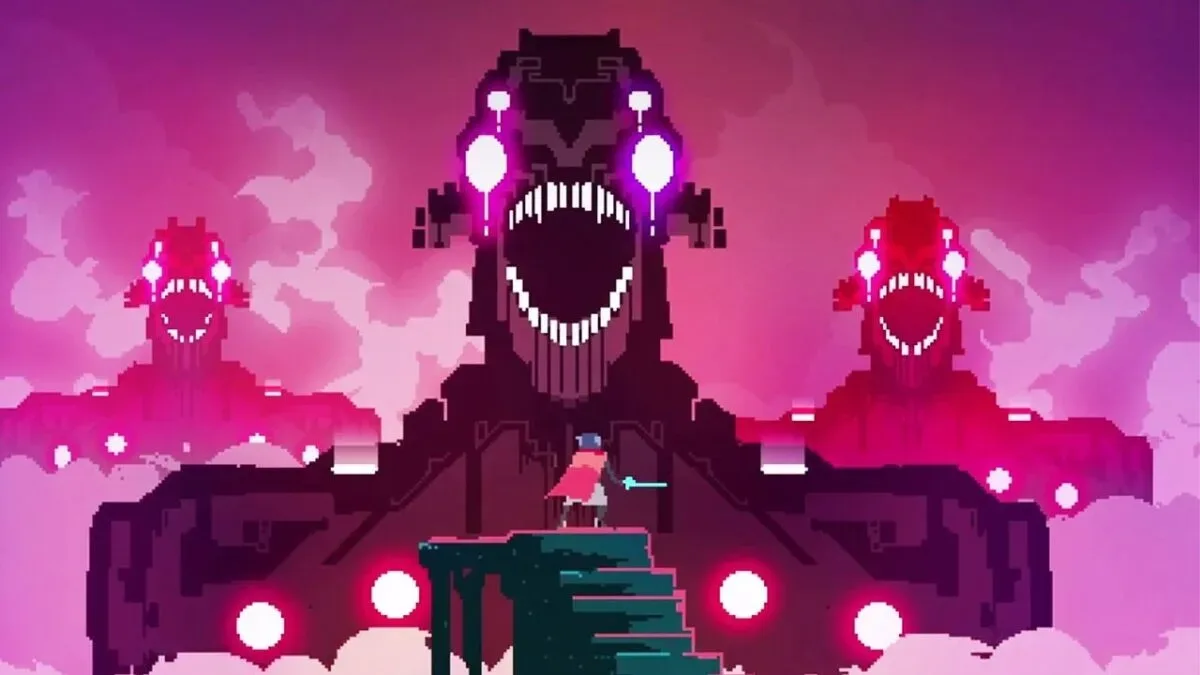
Heart Machine earned lasting attention with 2016’s Hyper Light Drifter. The game combined retro-style pixel art with a top-down structure, environmental storytelling, and a soundtrack that gave its world a distinctive, melancholy identity. Its storytelling was often communicated through place, mood, and visual detail rather than extensive direct explanation. That approach helped establish the studio as a developer with a clear aesthetic voice.
Related coverage includes Heart Machine Lays Off Most Remaining Staff After Publishing Deal Collapses.
Calling it “Zelda-like” usefully conveys part of its broad design language—exploration and top-down action—but it does not fully account for why it connected with its audience. Hyper Light Drifter was also defined by its restrained atmosphere and by a world that asked players to interpret what they saw. The game’s reputation made any next move from Heart Machine notable, while also creating a difficult expectation: follow-up projects would be measured against a cult favorite with a particularly strong identity.
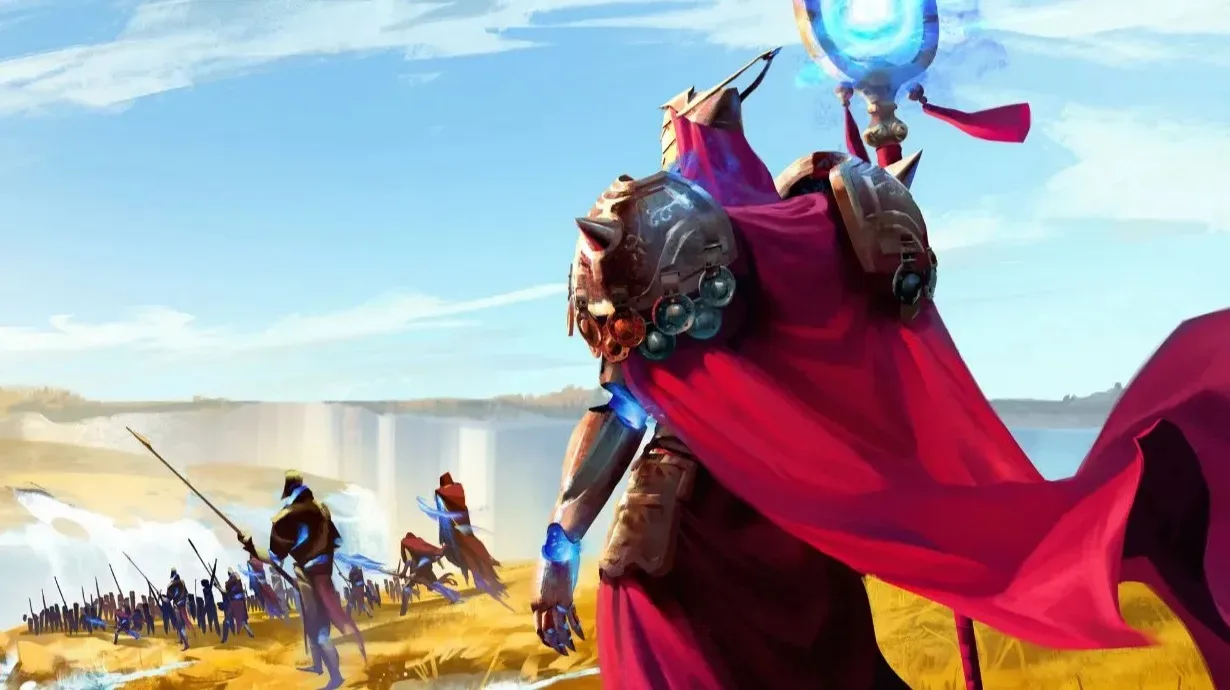
Heart Machine’s next major release, Solar Ash, took a different route. It shifted from the pixel-art presentation of Hyper Light Drifter to 3D and put greater emphasis on movement and platforming, while retaining an unusual visual atmosphere. That change is significant because it showed the studio was not simply attempting to repeat its earlier formula. It was pursuing a broader range of game design while trying to preserve the sense of place that had become central to its work.
The studio’s more recent releases, however, did not achieve the same breakthrough. Hyper Light Breaker, released in 2024, was a loot-based roguelite action-RPG that ultimately faded in Early Access. “Roguelite” generally refers to a game built around repeated runs and some form of continued progression between attempts. A loot-based action-RPG adds an emphasis on acquiring equipment and upgrading a character over time. That combination can give players reasons to return, but it also depends on a convincing long-term loop of combat, rewards, variety, and updates.
Early Access itself is a development and release model in which a game is made available before its full version is complete, typically with continued work shaped by updates and community response. A game entering or remaining in Early Access does not by itself determine its quality or future. In this case, the important outcome is that Hyper Light Breaker did not sustain momentum and eventually petered out during that period.
Possessor(s), released last year, represented another genre shift: a side-scrolling Metroidvania. The term describes an exploration-focused action format in which new abilities or tools commonly open paths through an interconnected map. It is a genre where movement, combat feedback, navigation, and a carefully paced sense of discovery all matter greatly. The game was viewed as having clunky controls and feeling rushed, further compounding the sense that Heart Machine’s later projects had not found the reception or traction of its earliest work.
Previous cuts and a short-lived Patreon effort add context
The September layoffs were not the studio’s first recent setback. Layoffs at Heart Machine began last fall. The company also briefly turned to Patreon earlier this year before that effort ended. Patreon is a membership platform through which supporters can make recurring payments, often in exchange for updates or other benefits. A move toward it can be read as an attempt to establish more direct community support, but the end of that short-lived pivot means it did not become a durable answer to the studio’s funding needs.
Taken together, the sequence describes a company under sustained pressure rather than a single isolated disappointment. Previous layoffs, a discontinued Patreon effort, recent games that failed to break through, and now a withdrawn publishing arrangement each point to shrinking room to absorb another setback. Still, the studio has not announced a formal closure. Preston’s wording is deliberately uncertain: Heart Machine’s future is unclear, not definitively over.
That distinction is important for anyone following the studio’s games. There is no confirmed statement that every existing project, game, or asset will vanish. Nor is there a confirmed rescue plan, new publisher, buyer, funding round, or timeline for what comes next. The only responsible reading is that Heart Machine is fighting for a path forward after losing the deal that supported its unannounced project.
What the news means for the people who made the games
Studio closures and layoffs are often discussed through the lens of brands, franchises, and release schedules. But Heart Machine’s statement makes clear that its employees are the urgent concern. The studio is asking prospective employers to consider its displaced staff, describing them as talented and kind people who helped create its games. For hiring teams, that is a direct call to look beyond the headline and toward the people now seeking their next roles.
For fans, the practical implication is uncertainty rather than a confirmed endpoint. Hyper Light Drifter remains the work that brought Heart Machine broad admiration; Solar Ash, Hyper Light Breaker, and Possessor(s) show a developer willing to make substantial genre and presentation changes. But the unannounced project at the center of this news remains unidentified, and its fate has not been detailed.
The wider lesson is uncomfortable but clear: creative recognition and a recognizable catalogue do not automatically provide a financial buffer when a funding arrangement disappears. A studio can have celebrated past work, a committed audience, and ambitious ideas in development, yet still face an immediate crisis when the project financing that underwrites its team goes away.
Heart Machine says it will keep trying to build a way forward. Until there is more concrete news, though, the confirmed reality is that nearly all remaining staff have been laid off and the future of the studio behind Hyper Light Drifter is unresolved. The pressures around unfinished games and Early Access projects have also been felt elsewhere in the sector, as explored in this look at the less forgiving Early Access environment.