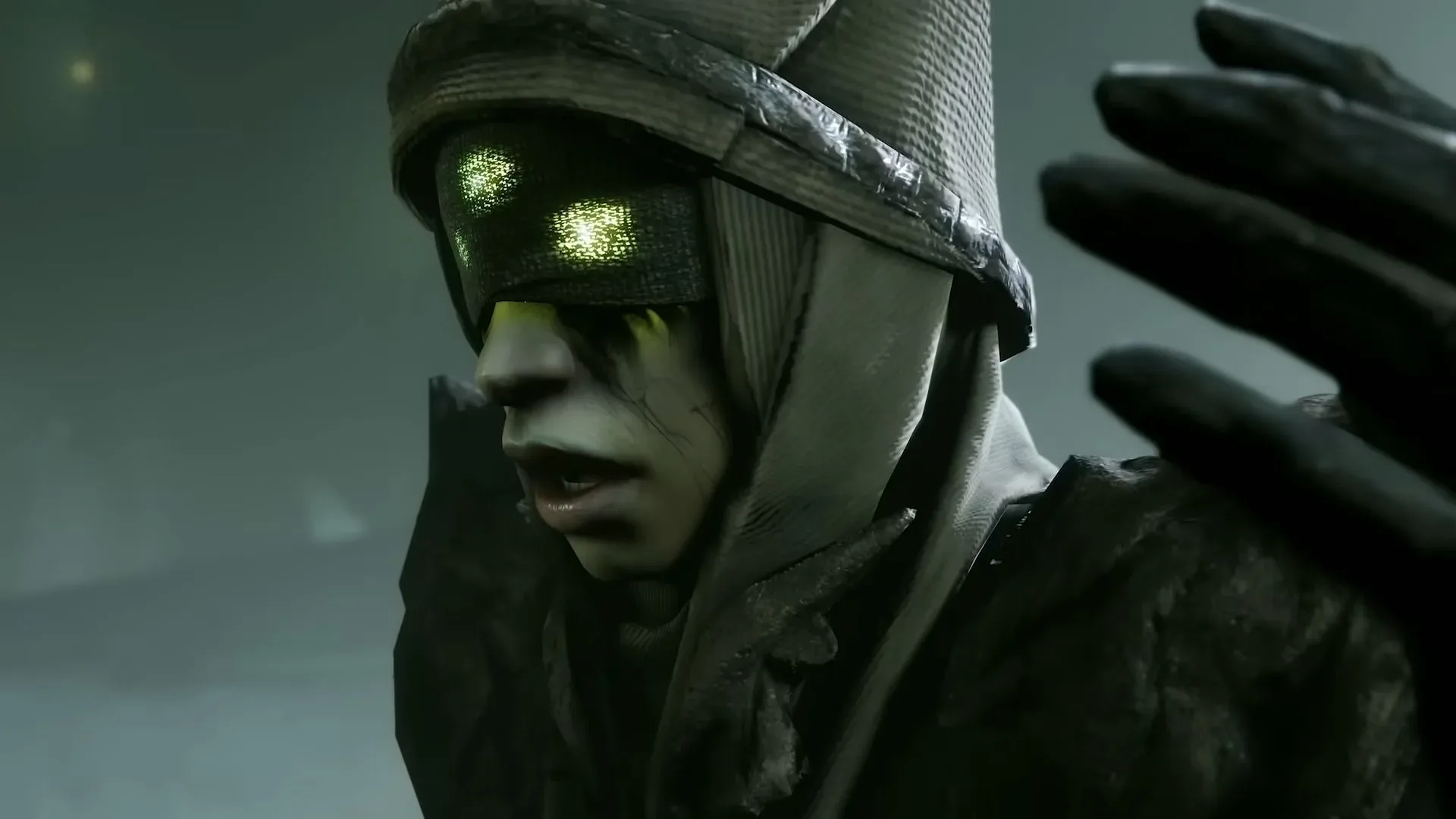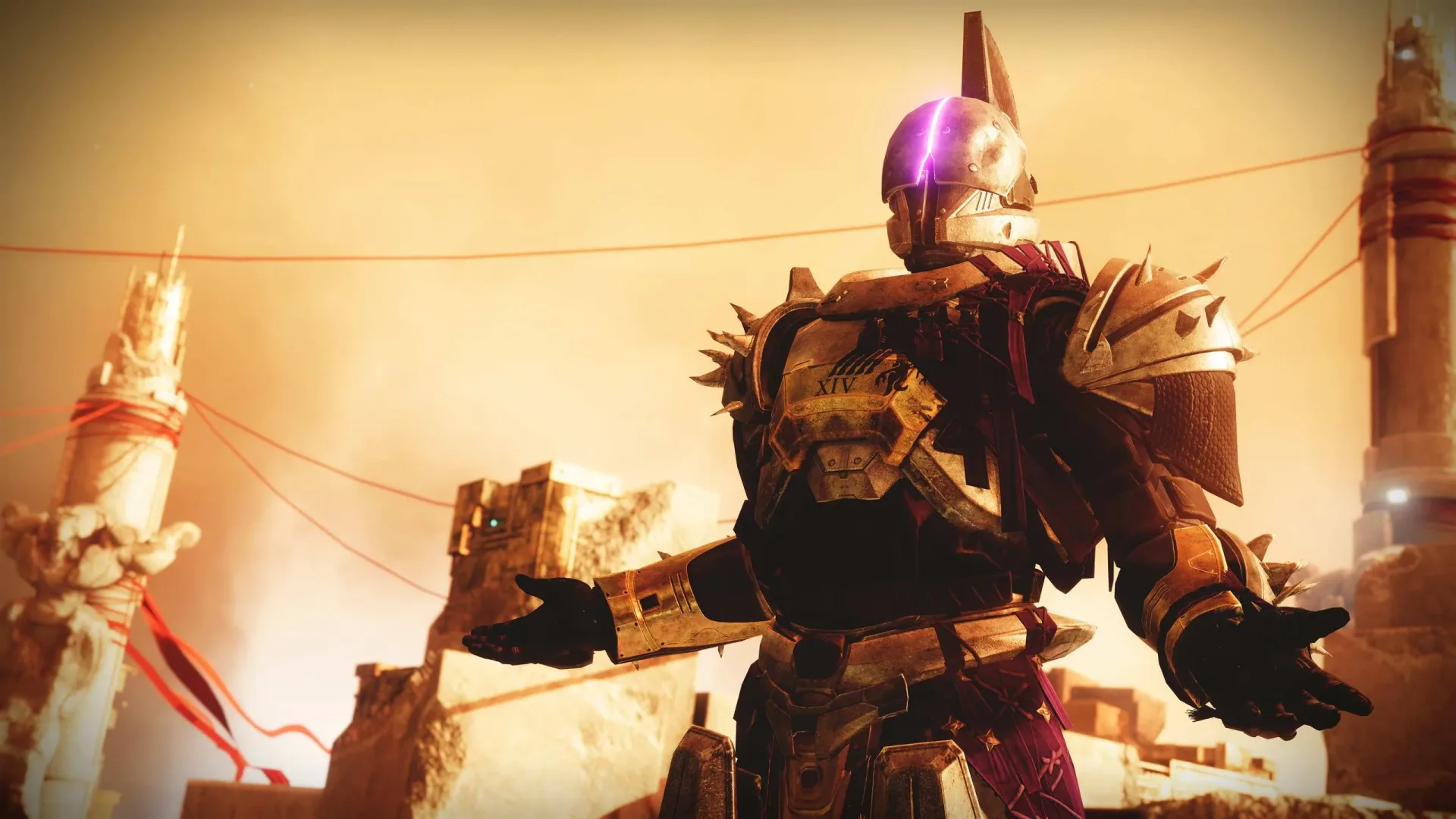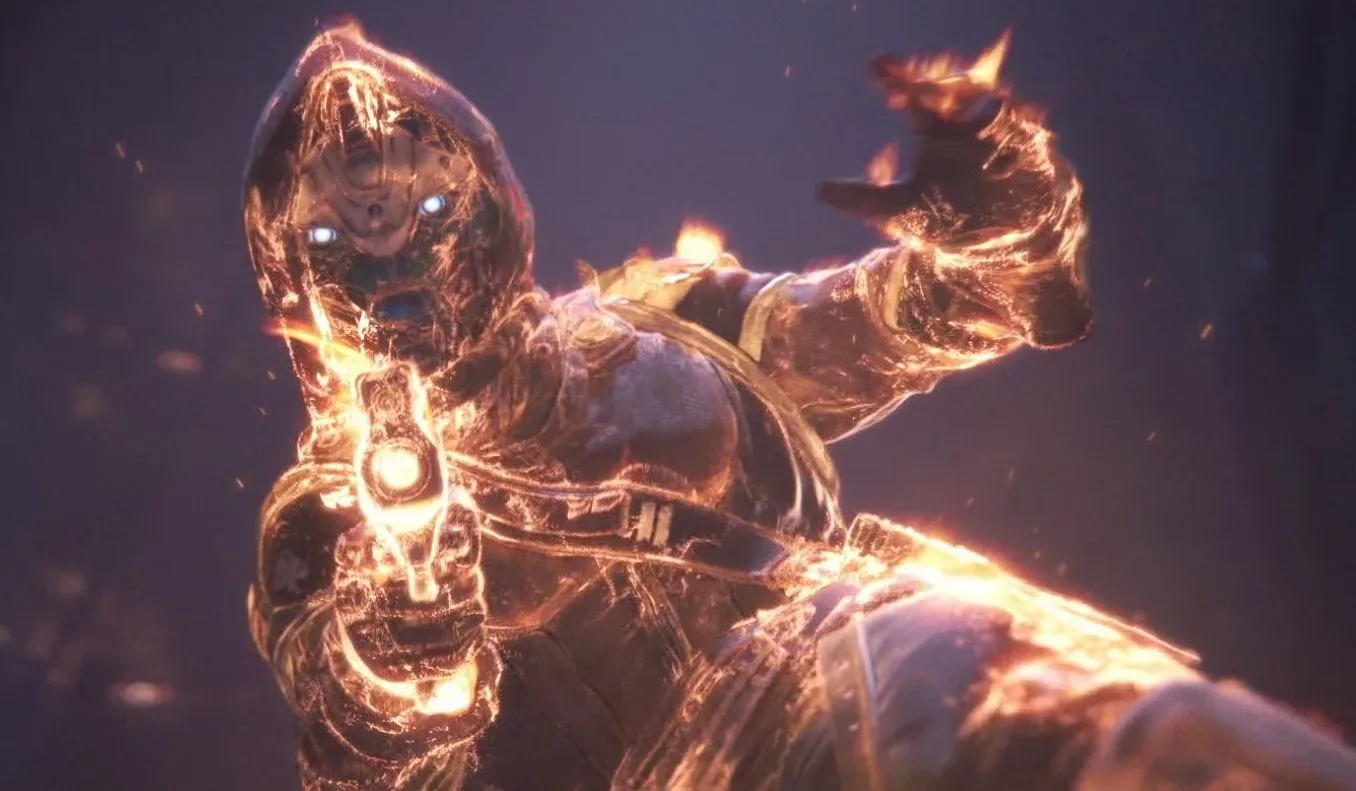
Bungie has directly rejected a rumor claiming that Destiny and Marathon are being folded into a single intellectual property. Julia Nardin, Marathon’s creative director and a veteran of multiple Destiny releases, said the alleged merger is fake.
The denial addresses a particularly large claim within a circulating post that presented itself as insider information about Marathon’s future and a possible future for Destiny. The post suggested that Bungie was considering making Marathon the beginning of humanity’s Golden Age in Destiny’s timeline, then using it to foreshadow threats for a later Destiny project.
Nardin’s response leaves little room for interpretation on that point. Having worked on both series, she said the supposed plan to merge them is false. Her distinction is also useful: the games may carry shared creative traits from the same studio, but they remain separate entities.
“They share a lot of the same Bungie DNA, but like siblings they’re also their own independent entities,” Nardin said.
What Bungie actually denied
The confirmed correction is specific: Bungie is not merging the Destiny and Marathon IPs. An IP, or intellectual property, is the distinct fictional and commercial identity of a franchise: its setting, characters, fiction, branding and the rights associated with it. A merger of this kind would be much bigger than two games sharing a reference, an armor style, or a familiar design philosophy. It would mean treating them as one connected franchise at a fundamental level.
That is not what Nardin says is happening. Her message was shared by principal community manager Cozmo, adding a clear official-facing response to a rumor that had been recirculated through the Marathon community.
It is worth being precise about the scope of that response. Nardin rejected the central Destiny-Marathon merger allegation. Her statement should not be stretched into confirmation or denial of every individual point contained in the longer rumor post. A rumor can be wrong in its major premise while still containing many additional assertions that have simply not been addressed publicly. Until Bungie comments on a separate detail, that detail remains unverified rather than established fact.
The claims bundled into the rumor
The broader post did not stop at an alleged narrative connection. It also made a long list of claims about possible Marathon changes, including a move to free-to-play in December, a PvE mode called Investigations, raid-style bosses, Destiny-themed cosmetics, a new Runner named Shrike, and separate loot storage for PvE and PvP.
None of those items should be treated as confirmed on the basis of the post. The origin described for the rumor is anonymous, and the breadth of its predictions is itself a reason to separate each claim from verifiable information. A detailed list can look persuasive because it supplies names, modes and apparent scheduling, but specificity is not evidence.
That distinction matters especially with live-service games. Terms such as PvE and PvP describe player-versus-environment and player-versus-player activities, respectively. “Raid-style bosses” would imply encounters designed around the type of larger cooperative challenges associated with Destiny raids. But technical-sounding language does not make an alleged feature real. It only makes a rumor easier to imagine.
The same applies to “vertical slices,” another term raised in the post. In game development, a vertical slice is generally a focused, representative piece of a game intended to demonstrate how its systems, presentation and gameplay may work together. It is not automatically a promise that the material will ship, nor does mention of supposed preproduction work establish that a feature exists in a released or upcoming project.
Shared studio DNA is not shared continuity
Nardin’s sibling comparison is the clearest way to frame the relationship. Developers can carry ideas, skills and sensibilities from one project to another without converting separate franchises into a single continuity. Similarities in shooting feel, multiplayer structure, visual motifs, progression thinking, or even the presence of familiar developers are not proof that two fictional universes have been fused.
For players, that is an important brake on speculation. A studio’s portfolio is not one giant corkboard with red string pre-installed. Creative teams can draw on experience from earlier work while building a new project that has its own identity, assumptions and direction. Nardin explicitly places Destiny and Marathon in that category: related by the people and creative heritage behind them, independent as IP.
The rumor’s Golden Age suggestion illustrates why terminology needs care. “Golden Age” is a loaded phrase for Destiny fans because of its place in that franchise’s fiction. Using a similar phrase or constructing a familiar-looking premise elsewhere would not, by itself, prove a canonical link. Canonical means officially part of a work’s recognized story continuity. Bungie’s denial means fans should not treat the purported Marathon-to-Destiny bridge as canon, planned canon, or an announced framework.
Why a direct denial matters
Studios do not always respond to every anonymous post or community theory. When a creative director with experience across both franchises addresses a specific claim, it gives audiences a reliable boundary: the merger story is not a credible basis for expectations about either game.
That does not answer every broader question that players may have about the future of Destiny or Marathon. It does establish what cannot responsibly be inferred from the circulating post. There is no announced unified Destiny-Marathon IP, no confirmed plan for Marathon to function as Destiny’s historical prologue, and no basis to present the rumor’s elaborate feature list as a roadmap.
The episode also arrives amid discussion of Marathon’s changing update plans. The supplied information says Bungie ended the game’s seasonal schedule, delayed a September update to December, and is making it more like Destiny 2. Those changes may naturally encourage players to look for a grand explanation tying Bungie’s projects together. But schedule adjustments and evolving design direction do not substantiate an IP merger—particularly after the studio has plainly denied one.
How to read rumors without doing unpaid detective work for a corkboard
Players do not need to ignore every report that lacks an official logo. But they should classify information before reacting to it. In this case, there are three very different categories:
- Confirmed: Nardin says the claim that Destiny and Marathon will be merged is fake.
- Unverified: The post’s claims about free-to-play timing, Investigations, bosses, cosmetics, Shrike and loot handling have not been established by the material provided.
- Interpretation: Reading shared developers, Destiny-like ideas, or changes to Marathon’s update approach as proof of a unified fictional universe is speculation, not confirmation.
That structure is more useful than asking whether a leak feels plausible. Plausibility shifts with every new detail and every fan’s personal hopes. Evidence is narrower: who is speaking, what precisely are they confirming or denying, and whether the information is attributable to someone in a position to know.
Another sensible check is to watch for claims that solve too many unanswered questions in one dramatic sweep. A post that promises a business-model pivot, new game modes, named characters, progression redesigns, cosmetics, story retcons and a franchise-level merger all at once asks readers to accept many separate propositions together. Each needs support of its own. One eye-catching detail cannot validate the rest.
This is not unique to Bungie. Future-facing talk from studios is often incomplete, and creative plans can change during development. As another recent industry example shows, developers may signal a direction without revealing the project behind it. The gap between that limited information and an elaborate rumor is exactly where wishful thinking tends to put on a fake mustache.
What Destiny and Marathon fans can take from this
The immediate practical takeaway is refreshingly uncomplicated. Do not expect Marathon to be officially recast as the opening chapter of Destiny, and do not treat claims of a combined IP as a hidden plan waiting to be announced. Bungie has said that proposition is false.
Fans interested in Marathon’s actual evolution should keep an eye on direct communications for concrete details about updates, modes, progression or business model. Fans looking toward Destiny’s future should apply the same standard. A rumor may describe potential features in confident language, but confidence is not corroboration.
For now, the only firm answer is the one Bungie has given: Destiny and Marathon have common roots at the studio, but they are not being merged. Everything else in the circulating mega-rumor needs evidence before it earns a place beside that fact.