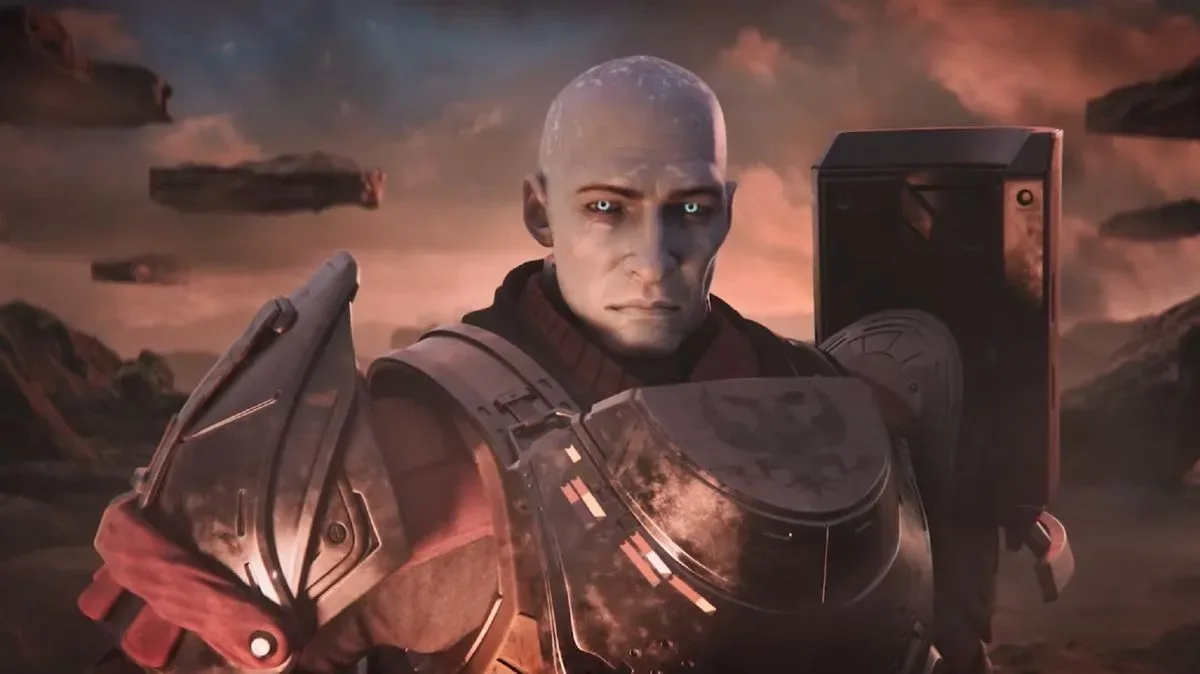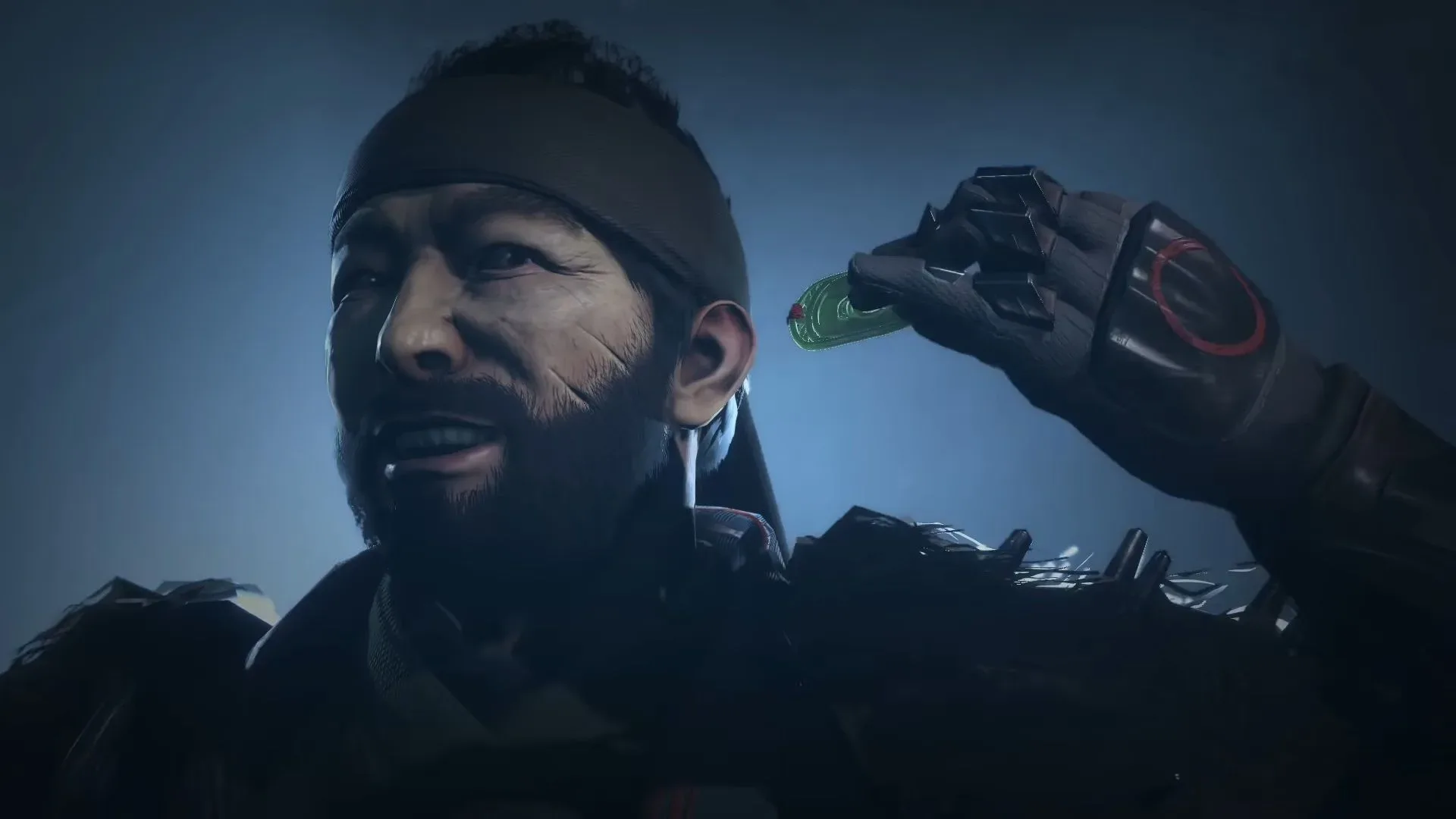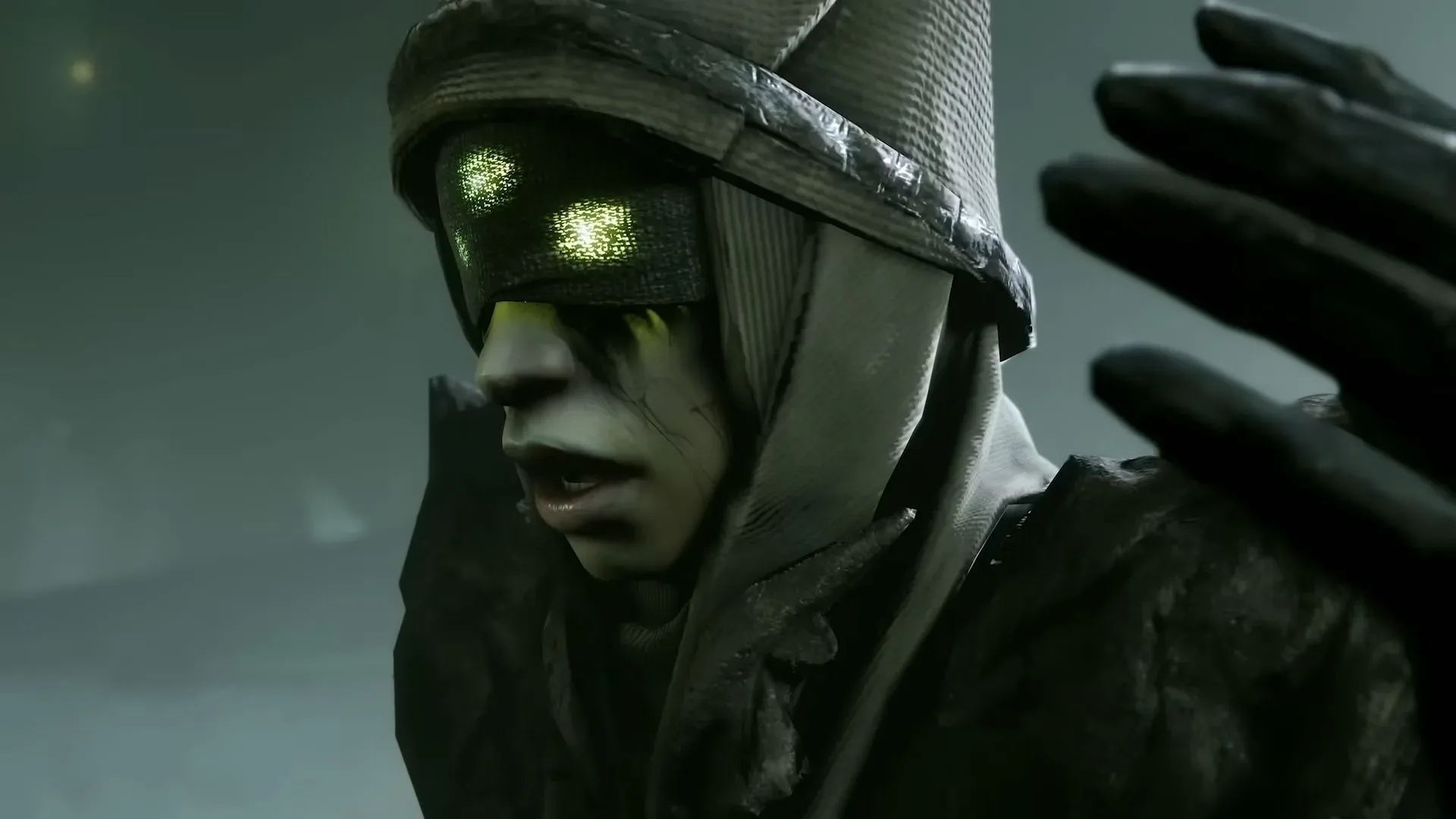
Bungie has put more shape around its intentions for Destiny, but players expecting an immediate rescue ship should keep their sparrows parked. The studio has described a multi-track plan involving Destiny 2 content restoration, a future in-game celebration with new updates, an unspecified Destiny “Legacy” project, and a redacted potential launch. It is the clearest outline of a Destiny future in some time. It is also deliberately not a slate of guarantees.
The central tension is timing. Destiny 2’s unvaulting work is still in pre-production, with that phase expected to run until January or February 2027. Bungie then expects the work of porting older content to take roughly another year to complete. On the timetable currently shared, early 2028 is the earliest broad marker for completion of that restoration effort—not a confirmed date for every individual activity, and not confirmation of the larger projects now being discussed.
In the language of game development, pre-production is the planning and validation stage before a project enters full-scale production. A porting process, meanwhile, is the work required to bring existing material into a different technical environment. Bungie has not detailed all the technical steps involved here, but the distinction matters: identifying a desired piece of old content is not the same thing as having it ready to ship in Destiny 2’s current form.
That is the sensible way to read this roadmap. It offers direction and priorities, not a promise that every nostalgic destination, story beat, mode, and social space will return.
For more context, explore Hip-Hop Release Watch: BigXthaPlug, Nettspend, BKTHERULA and More Set for October 30.
The first-pass unvaulting list is substantial
The most concrete part of the plan is a prioritized “first pass” for Destiny 2 unvaulting. The listed targets are some of the game’s biggest removed experiences:
- The Red War, Forsaken, Curse of Osiris, and Warmind campaigns
- Strikes associated with those releases
- Raids and Raid Lairs from those releases
- The Menagerie activity, with reprised rewards
For returning players, that list matters because it addresses more than a handful of standalone missions. Campaigns establish the narrative path; strikes are repeatable cooperative activities; raids and Raid Lairs are organized endgame encounters; and Menagerie was a distinct activity with its own reward structure. Putting them in the same first-pass group suggests Bungie is framing restoration as a broader effort to recover pieces of how Destiny 2 was played, rather than simply adding isolated historical artifacts.
Even so, priority is not a delivery sequence. Bungie has not said whether these campaigns, strikes, raids, and Menagerie will arrive simultaneously, nor has it given a release cadence for anything that could appear between early 2027 and early 2028. That absence is important. Players can reasonably view the list as an intended destination, but should not interpret it as a date-by-date release calendar.
Stretch goals are exactly that
A second group sits under the label of stretch goals that could arrive at unvaulting launch or afterward. It includes:
- Free-roam destinations and activities such as public events, Lost Sectors, and Escalation Protocol
- Seasonal activities from Sundial in Season 9 through The Coil in Season 23
- Updates for Raid and Raid Lair weapons
- PvP maps
The wording here is doing useful work. A stretch goal is an objective pursued beyond the core commitment; it should be treated as less certain than the first-pass list. The timeline also does not establish whether any specific destination, seasonal activity, weapon update, or map is locked for the initial restoration rollout.
That restraint may disappoint players whose favorite memories are rooted in seasonal activities or Crucible maps, but it gives a more honest view of the project’s current state. Restoration work is being scoped, and the scope has degrees of confidence. The first-pass material is the clearest commitment. The stretch-goal material is aspiration with a stated possibility of arriving later.
Bungie has also named four areas where it currently does not have a path forward for technical and/or strategic reasons: an updated New Light experience, seasonal story missions, the Kell’s Grave Gambit map, and seasonal hubs such as the Eliksni Quarter. This is perhaps the most valuable part of the roadmap because it sets boundaries rather than letting the community fill the gaps with assumptions.
“No path” is not the same as a permanent, universal declaration that these things can never exist. But it does mean they are not part of a viable plan at present. In practical terms, players should not plan around their return or treat their omission from future updates as a surprise. A roadmap becomes more credible when it identifies the edges of what it cannot presently deliver.
A Destiny 2 celebration could mean updates, not just commemoration
Alongside restoration, Bungie has said it wants a Destiny 2 “Celebration” that goes beyond Monument of Triumph and provides new updates for the community to play. A progress-bar update is expected in February 2027, with more details to come.
The important word is new. A celebration can be merely commemorative: rewards, recognition, or a retrospective. Bungie’s stated aim goes further by pointing to updates players can enjoy. That does not establish what format those updates will take, how large they will be, or when they will arrive. It does, however, distinguish the idea from a simple farewell event.
For a game whose active development has ended, that distinction is meaningful. It suggests Bungie sees a reason to create fresh playable material around Destiny 2 while it works through the much longer restoration process. The February 2027 progress marker is therefore a key checkpoint, though it should be understood as an information milestone rather than a promised release date.
“Legacy” is intriguing, but still undefined
The wider franchise roadmap reaches beyond Destiny 2 unvaulting. Bungie has referred to a Destiny “Legacy” project and said that the series’ decade-plus journey should be made available where players play today. It has also said it expects to share more information early next year.
That description is broad enough to invite theories, especially from players wondering about older Destiny material. But the name and the statement do not confirm a specific game, platform plan, collection, remaster, or feature list. The responsible read is simple: Bungie is investigating a way to serve more of Destiny’s history to current players, and it is not ready to specify how.
There is a similarly limited but notable reference to “Redacted [TBD],” framed as a possible project launch with the message “We’re back.” It is reasonable to see that as a signal of larger ambition. It is not enough information to establish whether it is a new installment, a new product format, or something else entirely.
For a concise overview of these revival ambitions, including the unvaulting and Legacy concepts, this report on Bungie’s Destiny roadmap covers the same broad direction. The critical point remains unchanged: these initiatives are in incubation and validation, not at the stage where Bungie is making final product announcements.
Why Bungie is emphasizing validation
Bungie has said the broader Destiny pillars are in an incubation and validation process. Incubation refers to an early stage in which a concept is being developed and tested. Validation is the process of determining whether that concept is viable enough to advance. In plain terms, the studio is working toward a new vision, but says it must clear internal hurdles before it earns the right to announce it.
This is not empty corporate hedging; it is a direct warning against mistaking a strategic direction for an approved final product. Bungie itself has acknowledged that time is not on its side and that it is operating from behind. It has also said hard decisions may still be required.
Those remarks are especially significant because the Destiny roadmap is not being developed in isolation. Bungie is also trying to evolve Marathon toward what it calls a sustainable future after acknowledging that the game did not reach as many players as hoped. The studio has connected Marathon’s ability to evolve rapidly and sustainably with its wider ability to bridge into Destiny’s future.
That does not mean Destiny’s future is contingent on a single publicly stated Marathon milestone. It does mean the two are part of the same business and development reality: resources, confidence, and the ability to sustain projects matter across Bungie’s portfolio. Players assessing the Destiny roadmap should therefore watch both the February 2027 update and Bungie’s more focused future communications around Marathon.
What players can reasonably take from the roadmap
There are three different certainty levels in Bungie’s outline.
- Most concrete: Destiny 2 unvaulting is in pre-production, with a first-pass priority list and a current completion horizon extending to early 2028.
- Promised direction, pending details: a Destiny 2 Celebration with new updates and a February 2027 progress bar.
- Early-stage franchise ambition: Destiny Legacy, the redacted potential launch, and the stated pursuit of a “new, forever Destiny.”
The roadmap is encouraging precisely because it recognizes that Destiny’s past, present, and future need to be addressed together. But its value will ultimately be measured by execution, starting with whether the first restoration priorities progress from a list into playable reality. For now, Bungie has supplied a map, a set of guardrails, and a candid admission that the route is long. It has not yet supplied the finish line.