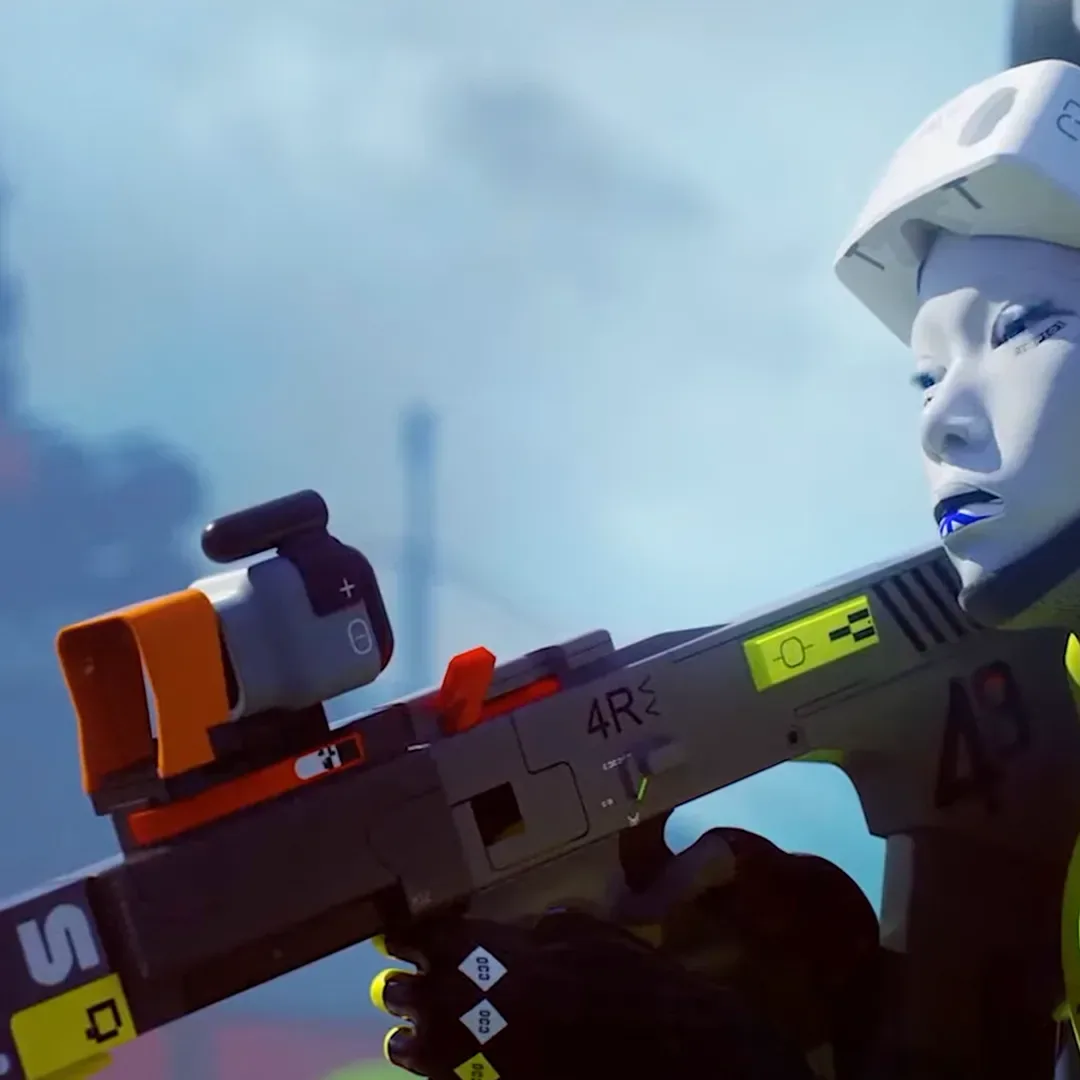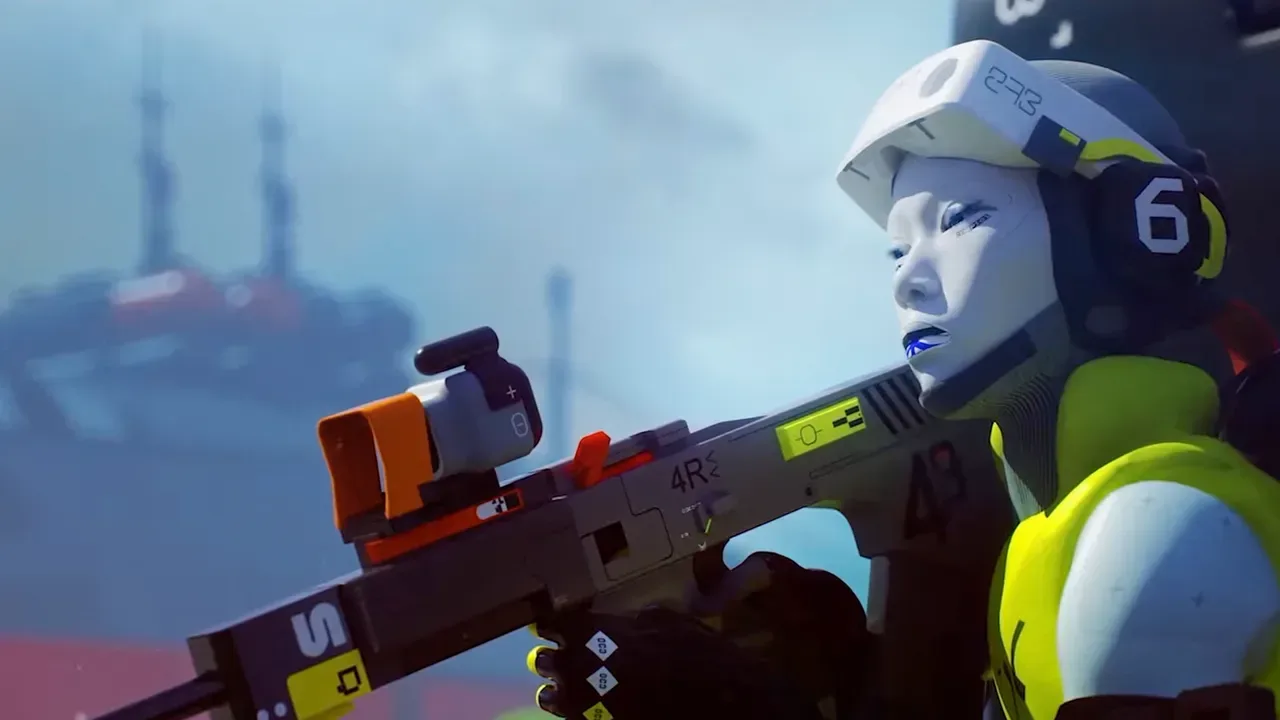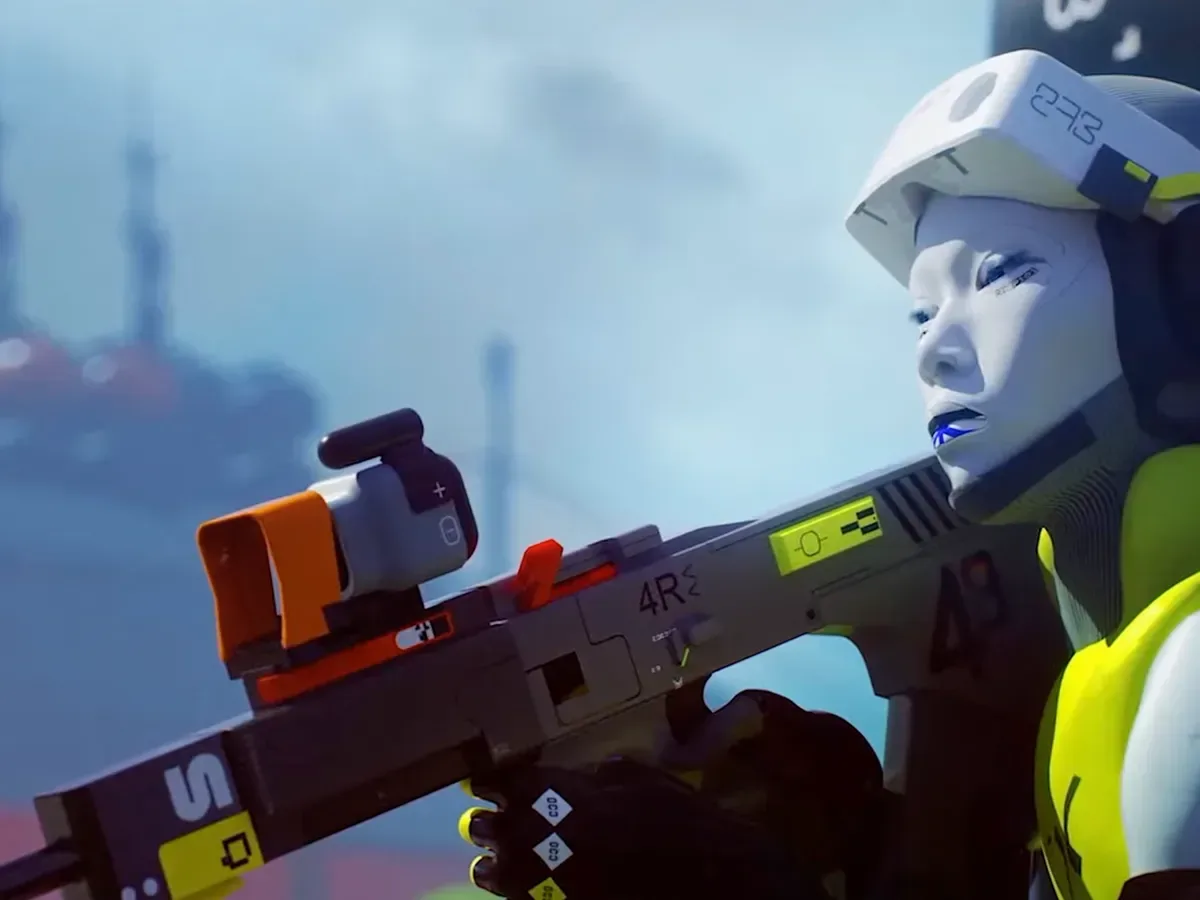
Bungie has offered an unusually direct diagnosis of Marathon’s launch problems: the extraction shooter was simply too difficult for the broad audience it hoped to reach. The game was built around high stakes, repeated failure, and intense player-versus-player encounters. For many people trying to learn it, though, failure was not a lesson on the way to mastery. It was the entire experience.
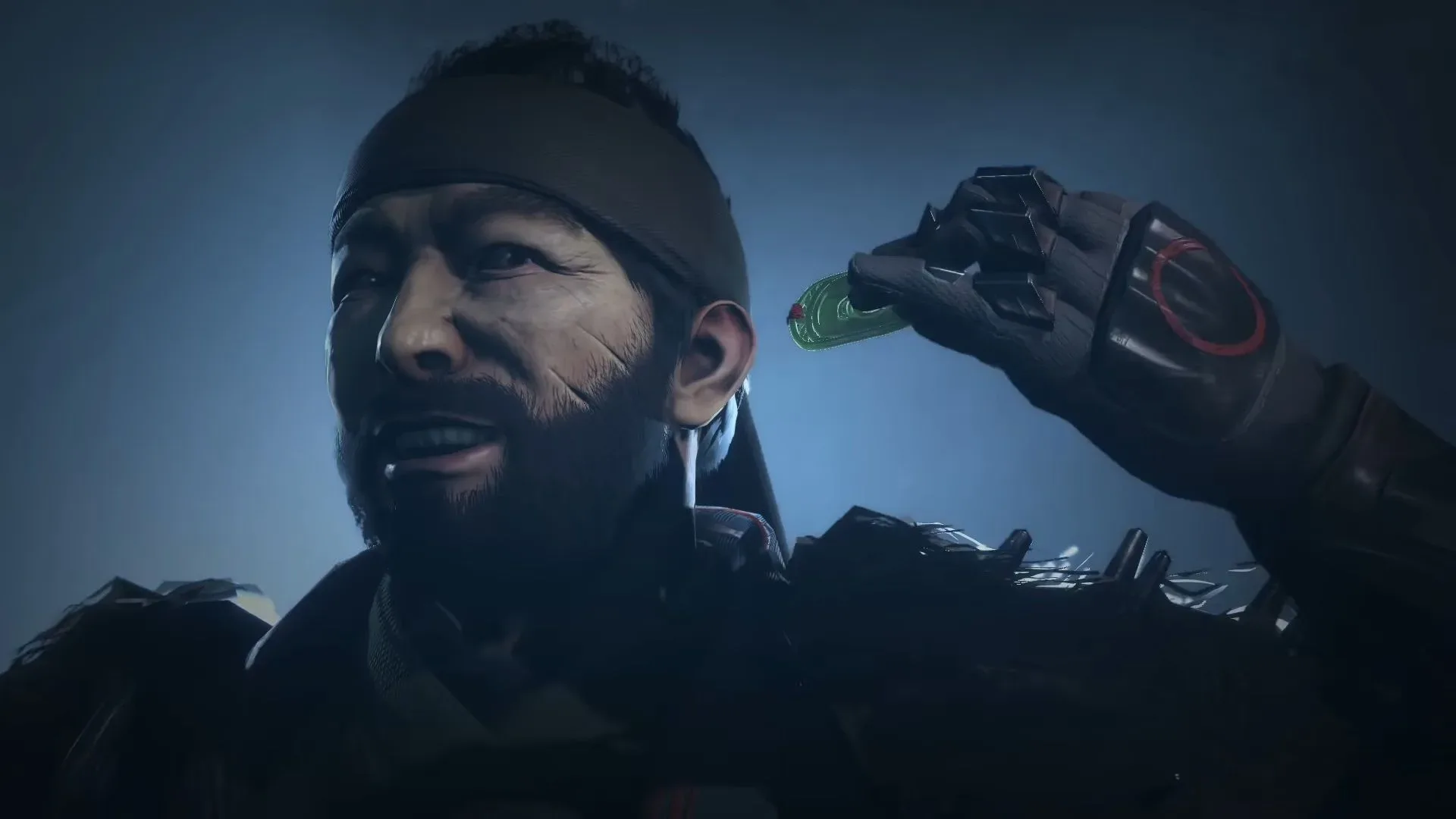
Senior design lead Kevin Yanes described the issue plainly in a new developer video: the team made a game that was overly difficult for a lot of people, and the recurring failure loop did not connect with as many players as expected. His summary is especially revealing: “While death is the first step for many players, death was the only step.”
It is a striking admission for a studio attempting to reshape Marathon after launch. The plan now includes dedicated PvE modes, a team deathmatch mode, and an expansion of Perimeter—the game’s tutorial-oriented area—so it is closer in scale to its other zones. Rather than asking every new arrival to immediately embrace the genre’s harshest rules, Bungie appears to be building routes into Marathon that feel more familiar before players elect to tackle its core extraction mode.
Why Marathon’s losses carried so much weight
Marathon was designed as a PvPvE extraction shooter. That shorthand means it combines competition against other players (PvP) with fights against computer-controlled enemies (PvE), while making survival and extraction the central goal. Looting is only part of the loop; players need to get out alive to keep what they have found.
For more context, explore WoW Forever Beta Name Crackdown Puts Dual-Name Jokes Under Human Review.
The genre’s defining tension comes from what can be lost. In Marathon, dying could mean losing not only gear collected during a run but also equipment brought into the match. That creates meaningful decisions before and during each deployment. Take valuable equipment and the potential reward rises, but the cost of a mistake rises with it. In theory, that is the thrill: every firefight can matter because there is something tangible at stake.
In practice, a system designed to make victory exciting can make early defeats feel expensive, confusing, or futile. New players are not merely learning map layouts, combat timing, enemy behavior, and objective flow. They are doing it in a setting where experienced opponents can directly punish mistakes and where losses strip away the tools they may have wanted to experiment with. The result is a very steep onboarding curve.
Bungie had previously characterized that climb as dangerous but surmountable. The intended answer was long-term progression: complete contracts, improve faction upgrades, build base stats, and gain access to better items over time. That framework asks players to accept setbacks while working toward a stronger future position.
The problem, by Bungie’s own account, was that too many people did not get far enough to see that progression pay off. If the initial sessions are dominated by losses, a promise that things improve later can sound less like encouragement and more like a homework assignment that charges admission in ammunition.
Cryo Archive reinforced the hardcore reputation
The April arrival of Cryo Archive, a difficult and complex endgame raid, added to the perception that Marathon was calibrated foremost for committed shooter specialists. Endgame content generally exists for players who have already mastered the basics and accumulated power, gear, or game knowledge. It can be a valuable destination for a community that wants demanding challenges.
But its prominence also sharpened a basic question: who, exactly, was Marathon expecting to play?
Former professional Counter-Strike player Shroud praised Cryo Archive’s scale and its extraction loop, calling it an extraordinary and elaborate map, while questioning whether its complexity and grind were feasible for casual players. That distinction matters. A feature can be genuinely impressive and still be a poor front door. Marathon seemingly delivered a formidable experience for players already comfortable with intense PvP and extraction-game stakes, while struggling to give uncertain newcomers a reason to stay long enough to become that kind of player.
Game director Del Chafe III likewise said the game proved to be niche, specifically aimed at “sweaty” players who enjoy PvP. In multiplayer terminology, “sweaty” commonly describes an especially competitive, highly focused environment in which participants play hard and small errors are punished quickly. It is not inherently a criticism; many players actively seek that pressure. The trouble comes when a game is marketed or designed around a wider audience, but its first hours mostly reward the habits of its most dedicated competitors.
The recovery plan is about lowering friction, not removing extraction
The announced changes suggest Bungie is not abandoning extraction gameplay. Instead, it is trying to separate the game’s different appeals and allow people to choose their level of exposure to the most punishing parts.
- Dedicated PvE modes should offer a space focused on computer-controlled challenges rather than direct competition with other players.
- Team deathmatch provides a familiar shooter format built around teams and eliminations, without the same extraction stakes.
- A larger Perimeter could make the tutorial-area experience more substantial, giving newcomers additional room to understand systems before entering higher-pressure activity.
These additions are meaningful because they address different kinds of friction. PvE can reduce the anxiety of learning under fire from veterans. Team deathmatch can let players practice movement, weapons, and combat instincts in a recognizable format. A more extensive starting zone can give systems and objectives room to breathe rather than compressing every lesson into a trial by ambush.
There is an important caveat: accessibility is not the same thing as making a game easy. It means creating understandable paths for different experience levels and motivations. Marathon’s proposed modes could help players learn mechanics, pursue cooperative play, or enjoy straightforward PvP before opting into the high-risk extraction loop. Whether that transition works will depend on how clearly the modes connect to the rest of the game and whether new players feel that their time in them is worthwhile.
The central design challenge is preserving the tension that extraction fans value while preventing that tension from becoming a locked gate. Marathon does not necessarily need every player to love losing their equipment in a contested run. It does need more players to understand why someone would enjoy that risk, and to have enough successful, legible experiences beforehand to decide for themselves.
The player-count context is sobering, but incomplete
Steam data offers one visible sign of Marathon’s challenge. The game’s 24-hour peak on Valve’s platform was reported at 3,285 players, down from an all-time peak of 88,337 at its March launch. That is a dramatic gap and reinforces the concern around retaining players after the initial release period.
Those figures should still be interpreted carefully. Steam concurrency counts players online at the same time on one platform; it does not represent the entire population of a multiplatform game, nor does it explain why people stayed, left, or returned. It is useful as a directional signal, not a complete report card. The sharp change nevertheless raises the stakes for Bungie’s planned redesign.
The broader update also arrives amid uncertainty around Bungie’s other major franchise. The studio has said it will unvault Destiny 2 content after having moved away from it, though it is not returning to full live-service support. Bungie has also said there is more Destiny in its future, without specifying what that will entail. It recently denied a rumor that Destiny and Marathon would be merged as intellectual properties.
For Marathon, the stated course is to continue at least into 2027. Sony has publicly supported the game, but the future remains a concern for players watching its population and its overhaul plans. The immediate task is less glamorous than inventing another elaborate endgame maze: Bungie must make the first few hours feel like an invitation rather than an eviction notice.
That may be the most useful lesson in the studio’s admission. Hardcore mechanics are not automatically the problem, and failure is not automatically bad design. But failure needs to communicate something—what happened, what can be changed, and why another attempt is worth making. When players only experience loss, the risk-reward loop has lost the reward before it has had the chance to become a loop.
For additional reporting on Bungie’s acknowledgement of the game’s difficulty and its accessibility push, read this related coverage.