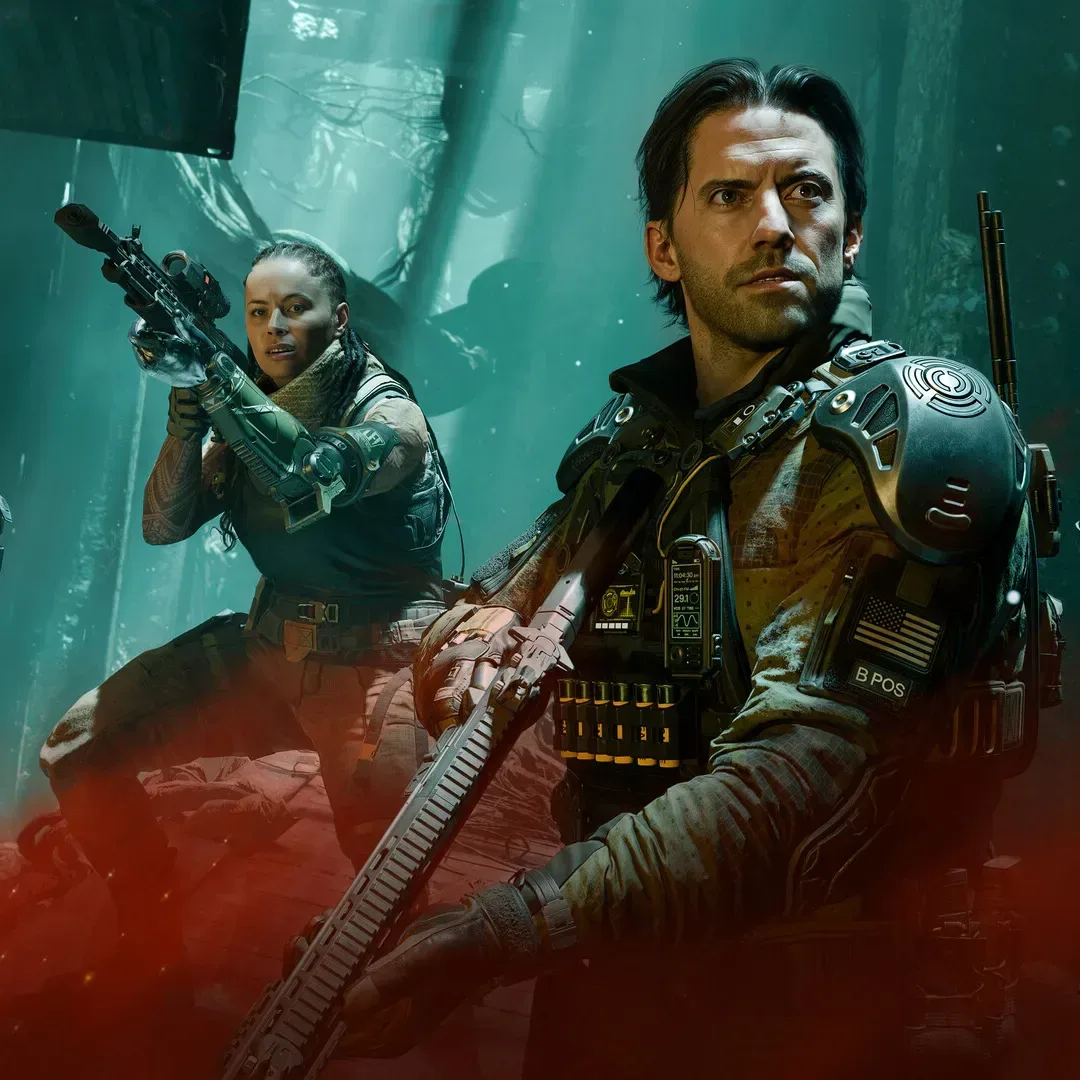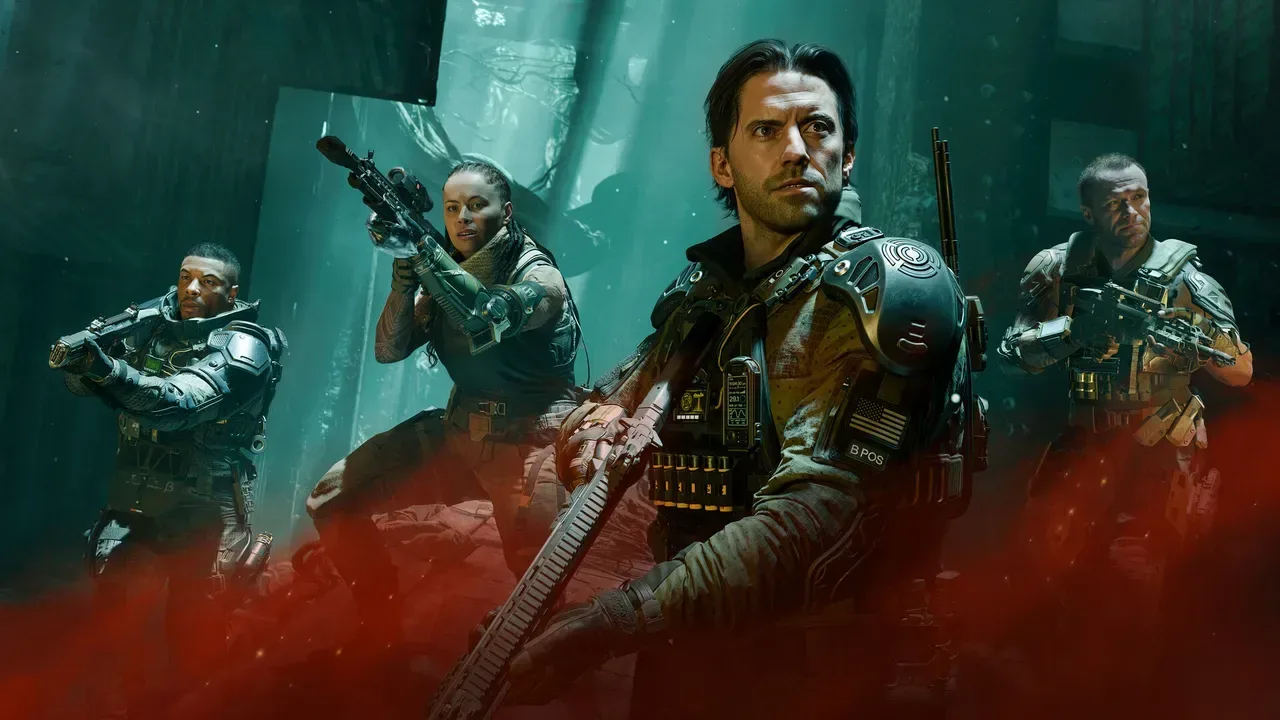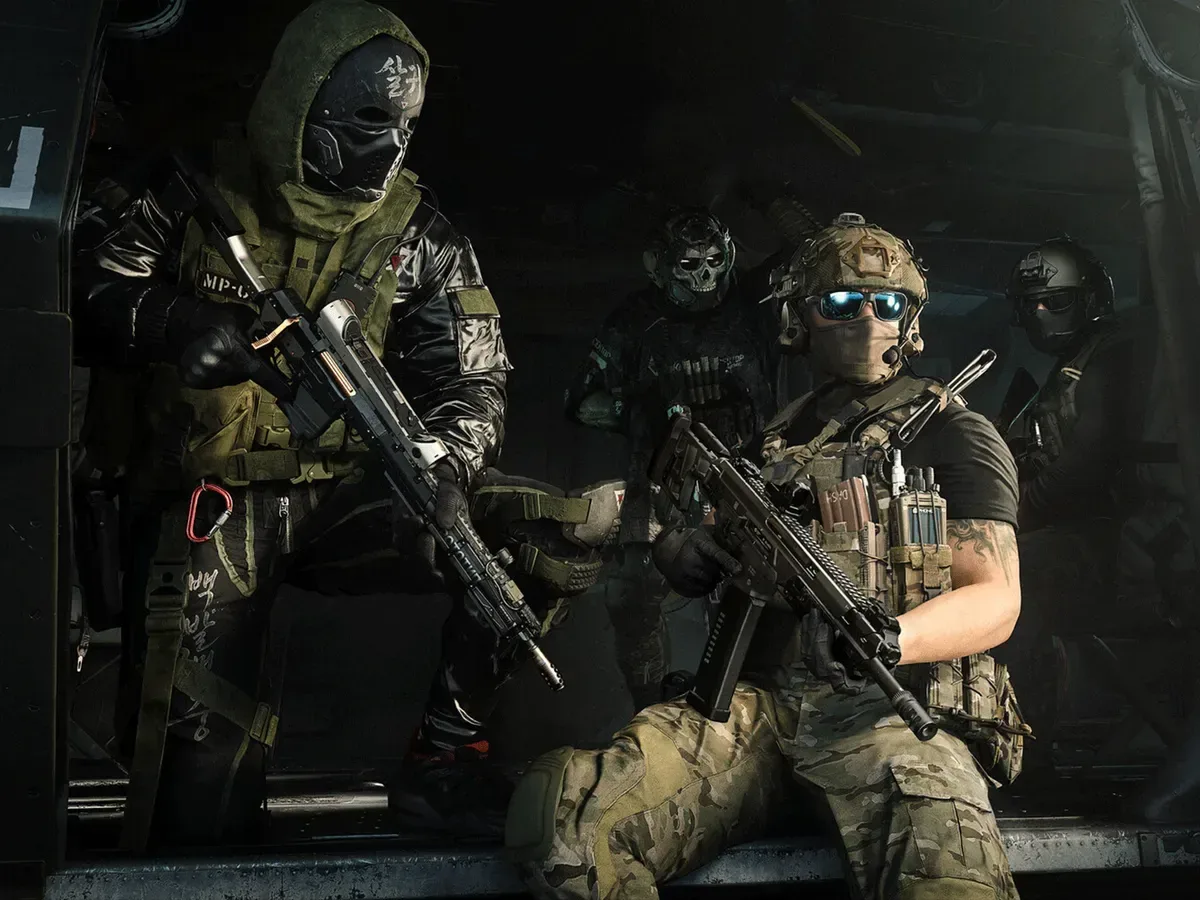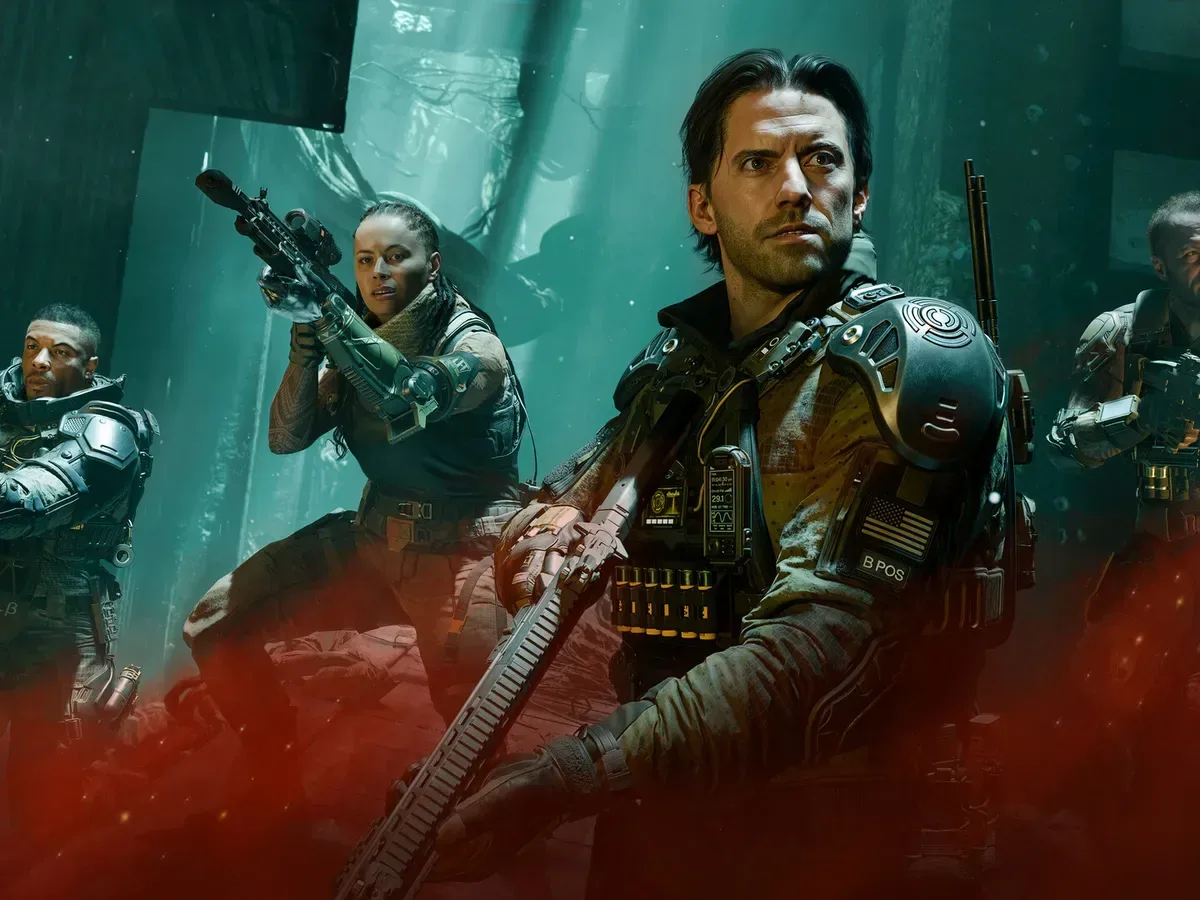
Treyarch is drawing a line under two consecutive years of Call of Duty: Black Ops. With Black Ops 7 Season 6 due to arrive on September 17, the studio says it is ready to make something new for its next Call of Duty project.
The important word in that statement is new—and the frustrating word is everything Treyarch has not specified. There is no confirmed title, setting, sub-series, release window, platform list, or breakdown of what the studio believes will be unfamiliar. The remark is a clear signal that its current Black Ops run is ending; it is not, at least yet, a formal reveal of what replaces it.
That distinction matters in a series where players can easily mistake a studio’s transition to a different project for confirmation of a particular sequel. Treyarch has led development of 2024’s Black Ops 6 and 2025’s Black Ops 7 back-to-back. Its next game could still be Black Ops-related, could take a different form within the broader franchise, or could be something else entirely. None of those routes has been confirmed.
A farewell to the current Black Ops cycle
Design director Kevin Drew framed the moment as both a goodbye and a handoff toward the next thing. “This is a bittersweet goodbye,” he said, reflecting on the lessons and experiments of the past two years before adding that the team is ready to make “something that nobody’s ever experienced before.” For the immediate future, his message was much more concrete: players will still have Season 6 to play when it begins September 17.
That makes Season 6 the practical focal point for Black Ops 7 players, not an unexplained promise about a distant game. A live-service season is a post-launch content period: an ongoing phase in which a game receives new material and gives its community fresh reasons to play. Treyarch specifically pointed to maps, Zombies experiences, progression systems, unlocks, and camo grinding as part of the work delivered during this era.
“Camo grinding” refers to repeated gameplay aimed at completing weapon-camouflage challenges. It is an example of progression-driven play: players pursue cosmetic rewards by meeting defined in-game objectives. The studio’s emphasis on those systems, alongside maps and Zombies content, underlines that its two-year run was not only about shipping annual games. It also involved maintaining and expanding them while listening to player feedback.
Co-studio head Yale Miller described the period as one in which the team tried major ideas, naming Omnimovement and Endgame among the innovations delivered across the Black Ops releases. The names themselves should not be treated as a blueprint for what comes next. Treyarch has not said which ideas will return, change, or disappear in its next project. What the comments do establish is that the studio views these past two years as an experimental phase rather than simply two entries with different numbers on the box.
“Something new” is a tease, not a confirmation of a new sub-series
The most tempting interpretation is that Treyarch may be stepping away from Black Ops for a while. That would be notable because Black Ops remains one of Call of Duty’s most recognizable labels. But there is not enough information to declare that a Black Ops 8 has been ruled out, or to identify a replacement brand.
Related coverage includes Treyarch Signals It Is Ready to Move Beyond Two Years of Call of Duty: Black Ops.
There are several possibilities, and all should remain clearly in the realm of analysis rather than fact:
- A non-Black Ops Call of Duty: Treyarch could be taking on a different named branch of the franchise.
- A different kind of Black Ops game: “New” may describe an approach, structure, or set of systems while retaining the Black Ops identity.
- A broader production shift: The comment may refer to the studio’s role in a multi-team Call of Duty effort, not necessarily a wholly standalone Treyarch game.
The first possibility is the boldest, but it is also the least supported by direct confirmation. The second fits the fact that studios often use familiar series identities while changing the experience inside them. The third is worth keeping in mind because Treyarch itself thanked Raven and other contributing teams for their work on maps, content, and Zombies. Modern blockbuster development is often collaborative, so a single studio’s public farewell does not reveal the full shape of the next production.
For now, the useful takeaway is modest: Treyarch is finished with this two-game Black Ops chapter and is looking ahead. Anything more precise—whether that means a dormant Black Ops label, a new sub-brand, or a specific mechanical leap—would be speculation.
Infinity Ward’s Modern Warfare 4 is the confirmed next stop
While Treyarch’s future remains under wraps, the next point on the franchise schedule is clearer. Infinity Ward’s Modern Warfare 4 is set to release later this year. Miller said Treyarch had participated in playtests and praised the work underway, but did not share additional specifics about the game.
A playtest is a structured session in which developers or invited participants play a build to help assess elements such as usability, balance, pacing, and overall response. Participation in playtests does not establish that Treyarch is leading Modern Warfare 4, nor does it reveal features of that game. It simply illustrates the level of internal collaboration possible across a franchise supported by multiple studios.
For players, this means the near-term roadmap has two separate tracks:
- September 17: Black Ops 7 Season 6 begins, giving the current Treyarch-led game another live-content phase.
- Later this year: Infinity Ward’s Modern Warfare 4 arrives.
Everything after that remains unannounced. Activision has not disclosed which Call of Duty installment will follow Modern Warfare 4, or who will lead it. That absence of a formal reveal is why Treyarch’s wording has attracted attention: it is one of the few public signals about the studio’s direction after two annual Black Ops releases.
What the handoff says about Call of Duty’s studio model
Treyarch’s comments also offer a narrow but useful view of the franchise’s development structure. Miller credited Raven and other teams with helping bring maps, content, and Zombies experiences to players. That language reinforces a basic reality of an annualized series with live support: credits and leadership may be attached to a given studio, but the work can involve a larger network.
This helps explain why players should not read the transition in overly simple terms. A move from Treyarch’s Black Ops cycle to Infinity Ward’s Modern Warfare 4 is not necessarily a clean exchange in which one team disappears and another starts from zero. Teams can contribute across projects and participate in feedback processes while their own next work moves forward.
Raven’s mention is particularly relevant because it was identified as a partner on the Black Ops releases, while the wider Call of Duty organization includes multiple studios. There has been no announcement assigning the post-Modern Warfare 4 game to Treyarch, Raven, Sledgehammer, or any other team. That question remains open.
It also means players looking for certainty should separate three things that are often bundled together in online discussion:
- A studio statement: Treyarch says it is moving beyond its present Black Ops work.
- A release plan: Modern Warfare 4 is the identified upcoming entry later this year.
- An official game announcement: There is not one yet for Treyarch’s next Call of Duty.
Only the first two are currently established. The third is where the theories begin.
Why the wording will be watched closely
“Nobody’s ever experienced before” is deliberately ambitious language, but it lacks a feature list. It should therefore be read as an expression of intent rather than a technical promise. Treyarch has not explained whether it is referring to movement, campaign structure, multiplayer, Zombies, progression, storytelling, or something outside those categories.
The studio’s recent retrospective does at least give fans a frame of reference. It highlighted its willingness to take “huge swings,” its communication with players, and the content and progression loops that kept the Black Ops games active after launch. A reasonable inference is that lessons from those efforts will inform whatever comes next. It would not be reasonable to turn that inference into claims about modes, mechanics, or a setting that have not been announced.
For now, Treyarch has offered a farewell to its current assignment, a thank-you to the studios and players involved, and a carefully vague glimpse of its ambition. Season 6 remains the immediate destination for Black Ops 7. Modern Warfare 4 is the next confirmed franchise release. Beyond that, the only firm message is that Treyarch does not intend to stand still.
Players interested in how big-budget action games balance player input with spectacle may also want to read our look at the debate around QTEs and gameplay that can feel automatic. Treyarch has not linked its future plans to that issue, but its promise of a new experience will inevitably invite questions about what players will actually be asked to do when the curtain finally lifts.