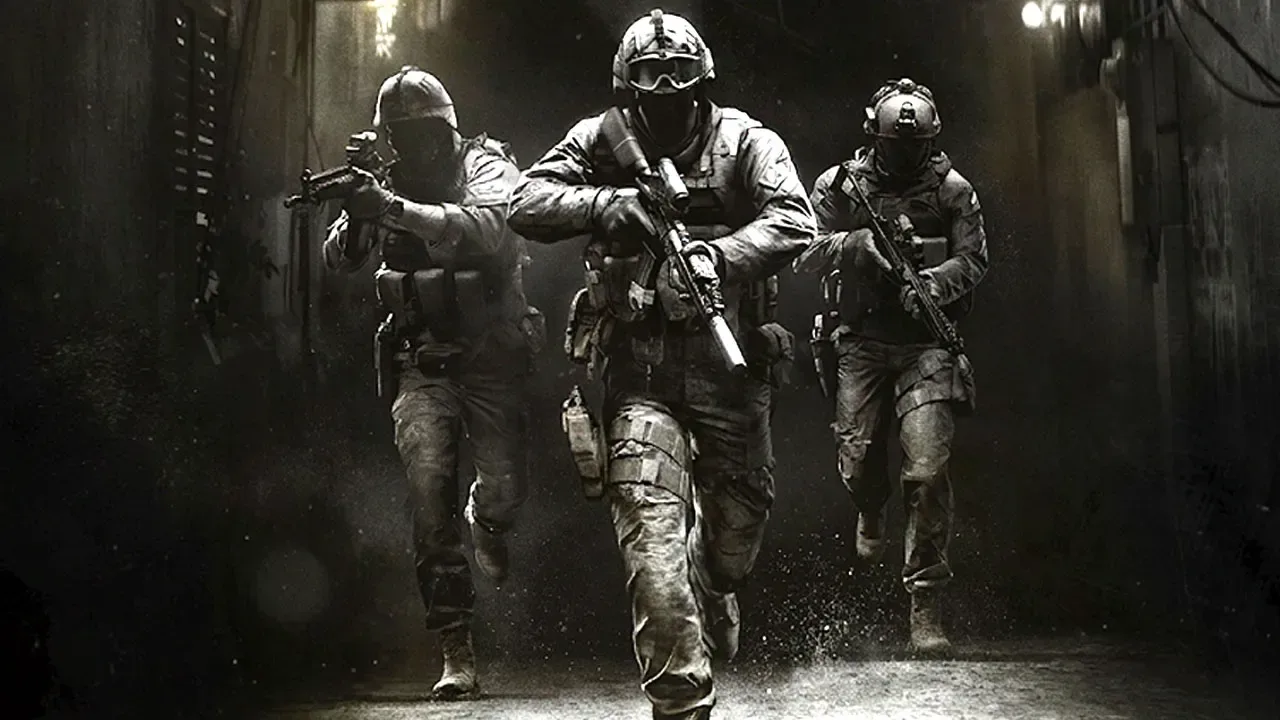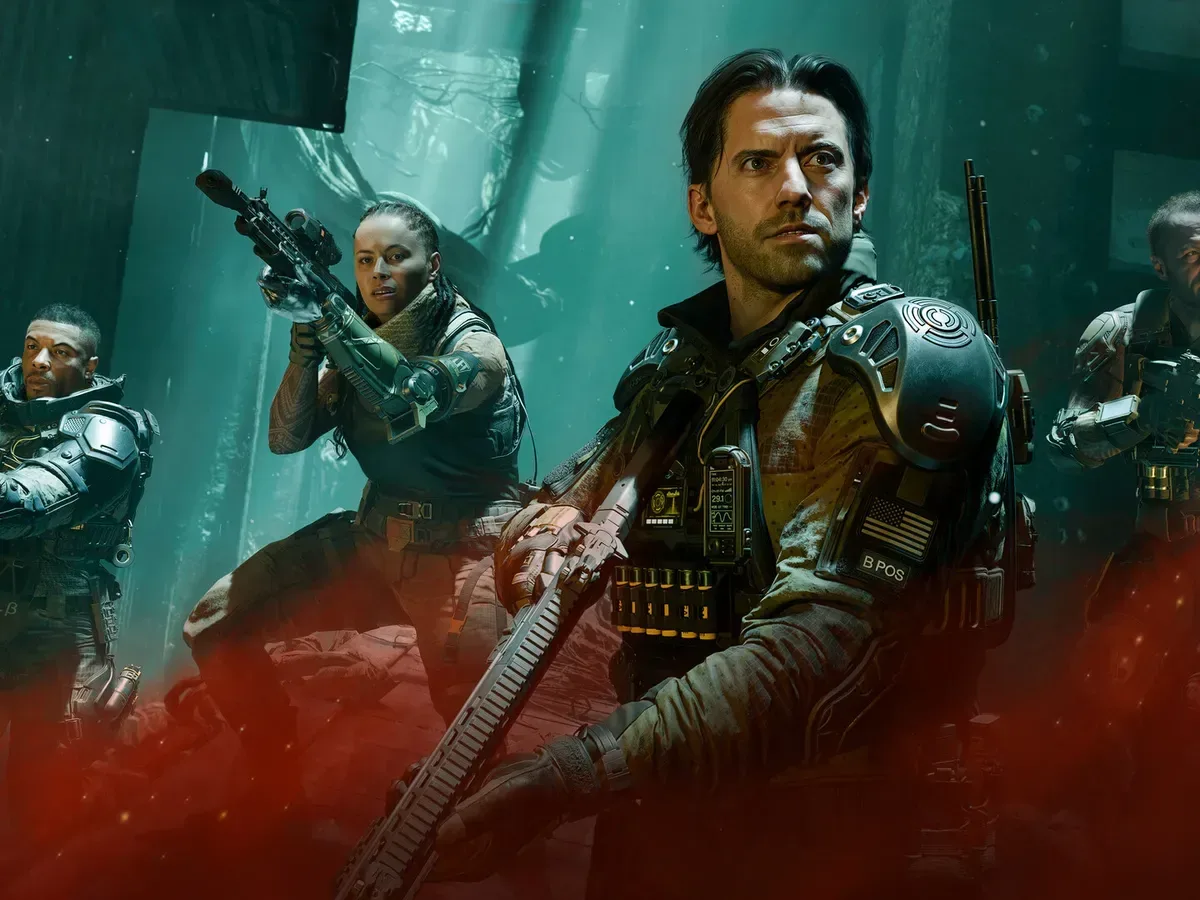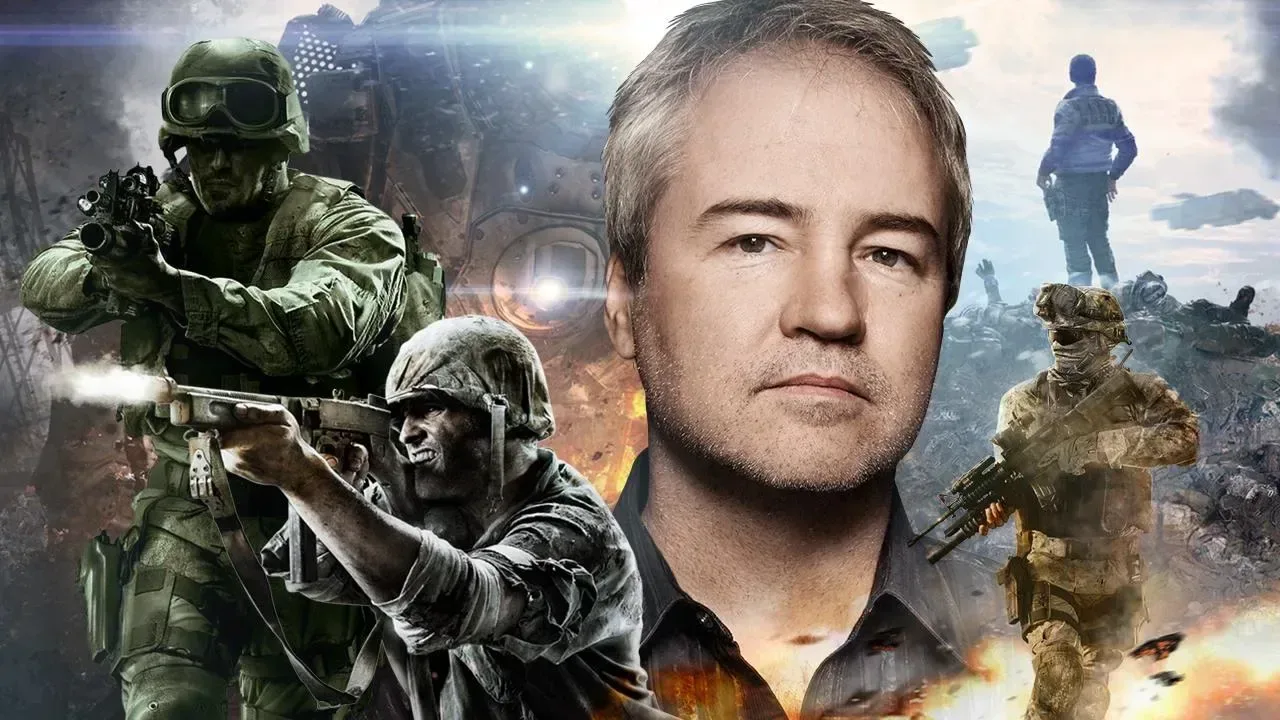
Modern Warfare 4 includes a memorial tribute to Vince Zampella in the campaign credits. After players complete the final mission, the game presents the names of Zampella and other developers who died during production before the wider credits roll. The placement gives the tribute a deliberate weight: it follows the campaign’s ending and arrives before the long catalogue of people who made the game.
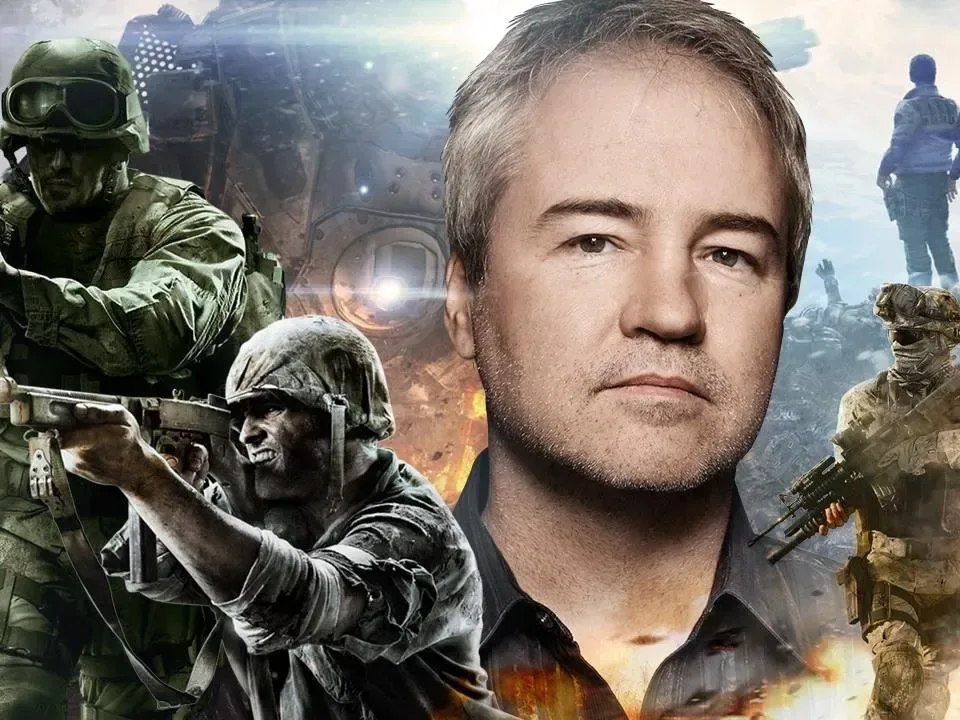
Zampella, who died in a car accident last December, was a co-creator of Call of Duty and a co-founder of Respawn Entertainment. His work spans some of the most influential modern first-person shooter series, from Medal of Honor to Call of Duty, Titanfall, and the Star Wars Jedi games. The new Modern Warfare 4 is therefore attached to a part of the medium that he helped establish, making the credits acknowledgment more than a routine name card.
A tribute placed at the campaign’s finish line
The memorial appears after the final mission, which takes place partway through the credits sequence. Zampella’s name is shown first alongside those of Rainer Yang, Matt Canale, and Preetam Raj Bordoloi, all of whom also contributed to Call of Duty over the years.
That distinction matters. Game credits commonly serve as the official record of a project’s contributors, but a memorial card within them does something more personal. It recognizes people whose influence remains present in the finished work even though they are no longer here to see it released. In this case, the decision also links an active entry in one of gaming’s largest shooter franchises to some of the people who helped shape its history.
Players who go straight back to multiplayer after finishing the campaign could easily miss a credits sequence, as is often the case with major releases. Anyone interested in seeing the tribute should allow the ending and credits to play through after completing the final mission. The report places the memorial in the early portion of that sequence, rather than suggesting it is an optional collectible, a hidden interaction, or a reward tied to a special difficulty setting.
Why Zampella’s place in shooter history is significant
Zampella’s career connects several important stages of the modern military and science-fiction shooter. Before helping create Call of Duty, he led design on Medal of Honor: Allied Assault at EA. He subsequently left to help create Call of Duty, a series whose beginnings date back to 2007 in the material surrounding this new release.
He later returned to EA and co-founded Respawn Entertainment. Respawn went on to develop the Titanfall games and the Star Wars Jedi series, extending Zampella’s influence beyond the military-shooter settings most often associated with Call of Duty.
First-person shooter, or FPS, refers to a game played from the character’s viewpoint, usually with shooting as its central interaction. It is a broad label rather than a single design formula: campaign pacing, movement, weapon handling, map layout, and multiplayer progression can all differ dramatically between FPS games. Zampella’s legacy is notable because it runs through games associated with both cinematic single-player campaigns and competitive online play.
Related coverage includes Modern Warfare 4 Honors Call of Duty Co-Creator Vince Zampella in Campaign Credits.
The original Modern Warfare era is especially central to that legacy. The earlier Modern Warfare 4 is described as a landmark FPS campaign and a game that altered how online multiplayer shooters are played. That is a large claim, but its practical meaning is straightforward: multiplayer shooters are not defined only by aiming and shooting. Their rhythm is also shaped by how players return to matches, pursue long-term goals, learn maps, and encounter one another online. When a major series changes expectations in those areas, its influence reaches beyond its own sequel line.
Remembering a team, not only a single name
The inclusion of Yang, Canale, and Bordoloi alongside Zampella is important to the tribute’s meaning. Major games are the work of large teams over long periods, and the memorial recognizes that the history of a franchise is carried by many specialists and collaborators, not solely by its most familiar leaders.
Credits can be easy to treat as a formality, especially after a dramatic final mission. Yet they are one of the few places where games directly preserve a project’s human record. Here, Infinity Ward uses that space to acknowledge colleagues who helped make Call of Duty what it became. The message is not framed as a promotional feature or a gameplay mechanic. It is a moment of remembrance built into the campaign’s closing structure.
There is also a clear generational element to the timing. Modern Warfare 4 arrives nearly two decades after the 2007 inception cited for the series Zampella helped lead. A franchise can become so large that its original creative lineage is easy to lose behind yearly discussion of modes, maps, balance, or technical presentation. The memorial reconnects the current release to that lineage without turning the campaign itself into a retrospective.
What the memorial means for players
For players, the immediate takeaway is simple: stay with the credits after the campaign’s final mission if you want to view the in-game acknowledgment. The tribute is not presented as a challenge to solve, nor is there any indication that it requires a particular ending path. It is part of the regular credits presentation.
More broadly, it offers a useful reminder of why credits matter. A game’s public conversation often concentrates on the on-screen product: missions, weapons, characters, updates, and online competition. The credits create room for the people behind those systems and stories. In a long-running franchise, that function becomes even more valuable, because it ties today’s audience to contributors whose work laid the groundwork for later entries.
The new game has also been receiving a positive response from fans, and Captain Price has thanked them. That reception does not change the purpose of the memorial, but it gives the moment an added resonance. A well-received entry can bring more players through the campaign and, consequently, to the credits where the names appear.
For more news on the people and projects shaping the wider games business, see our coverage of K/DA’s return with “Firestarter”.
A lasting acknowledgement in a new release
Modern Warfare 4’s credits tribute does not attempt to summarize Zampella’s entire career, nor could a single memorial card do so. It does, however, place his name at a meaningful point in a new chapter for a franchise he helped create. Alongside Yang, Canale, and Bordoloi, it acknowledges loss while recognizing an enduring body of work.
That is an appropriate use of the credits: a quiet, direct expression of respect after the action has ended. For a series built around high-intensity spectacle, the pause is likely to stand out precisely because it asks for nothing from the player except attention.