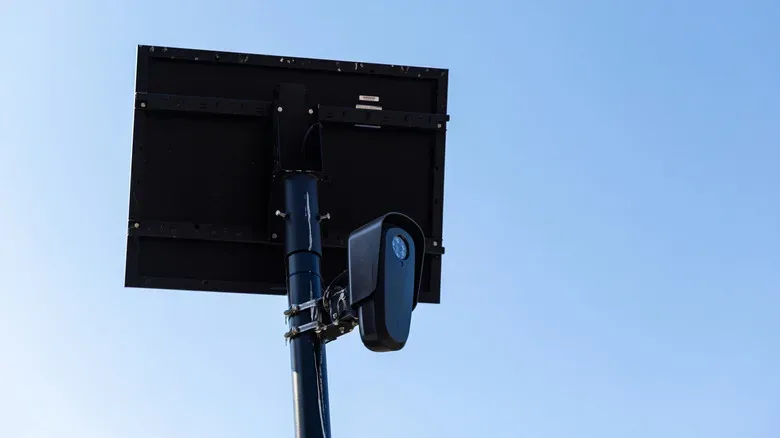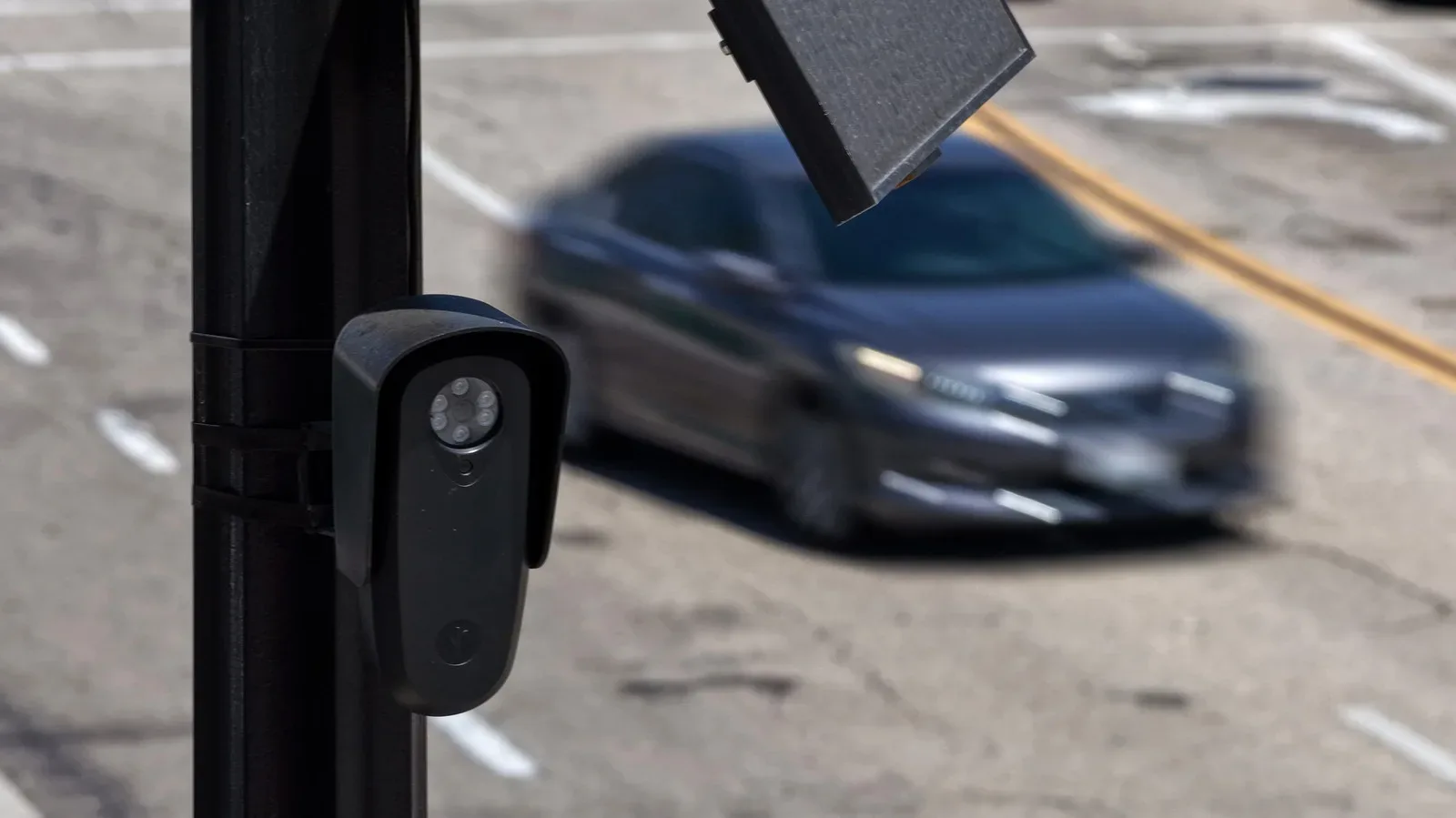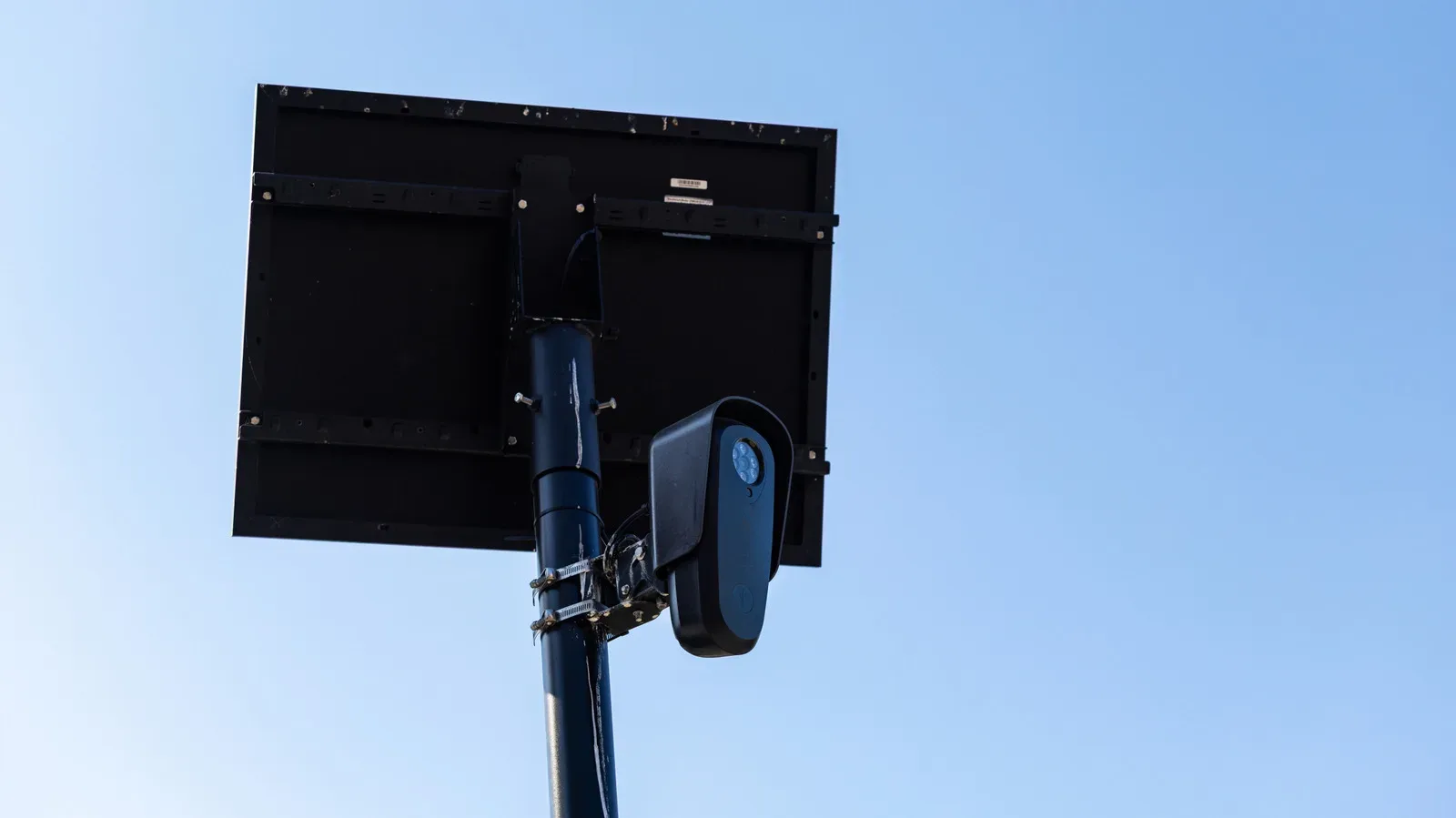
Florida’s road network is about to become a little less machine-eyed. The Florida Department of Transportation has revoked permits allowing law enforcement agencies to place automatic license plate reader systems on state roads, and agencies have been given 30 days from August 31 to remove the affected equipment.
The move is a significant, if tightly bounded, intervention in a technology debate that has become increasingly difficult for officials to ignore. Automatic license plate readers, commonly abbreviated as ALPRs or LPRs, are cameras that capture vehicle plates and turn them into searchable records. They have been part of policing and road infrastructure for decades, but the scale of deployment, the potential for cross-jurisdictional data sharing, and allegations of misuse have put the systems under much sharper public scrutiny in 2026.
Florida’s action does not erase the technology from the state. Far from it. But it does close off state roads to current and future permit-backed deployments under the Department of Transportation’s authority, creating a clear dividing line between a state-controlled right of way and the much larger network of local streets and private sites.
A permit revocation with a firm removal clock
The Department of Transportation memorandum, issued by Chief Operating Officer Will Watts, says existing permits are revoked immediately. It also says the department will exercise its discretion to stop granting future LPR-system requests within its jurisdiction.
The rationale focuses on the sharp rise in roadside installations, reports raising misuse concerns, data-privacy worries, and fears of expansive surveillance. It frames the decision as an immediate measure intended to protect Floridians’ sovereignty and quality of life.
That language matters because it shifts the conversation beyond whether a particular camera can help solve a particular case. The central concern is the system created when cameras become numerous, routine and networked: a vehicle’s movement can become a durable data point even when its driver has done nothing suspicious. In videogame terms, it is the difference between a single quest marker and a map that quietly records every route the player takes forever. The latter changes how people experience the world, even before anyone opens the map.
Governor Ron DeSantis had urged action in August 2026, describing the spread of the technology as out of control in Florida. Yet he also acknowledged an essential limitation of changing the transportation department’s rules: 98 percent of the state’s ALPRs are reportedly on local roads or private property. A ban on state-road permits can be consequential without being comprehensive.
What license plate readers do—and why the argument is so heated
An ALPR installation generally photographs or scans passing plates, then converts that image into information that can be searched against watch lists or stored in a database. The systems can be positioned near intersections, along major roads, around neighborhoods, or at other high-traffic locations. Many people will have encountered related camera systems around toll facilities or traffic signals without giving much thought to the hardware above the lane.
Supporters point to practical uses that can be immediate and serious. Law enforcement agencies use plate-reader data to locate stolen vehicles, assist missing-person cases and generate leads during investigations. Shortly before Florida’s action, ALPRs were used in a case involving a murder suspect who had fled from Florida to West Virginia. Providers also promote possible uses outside conventional policing, including giving firefighters more situational information before arriving at a fire.
Those examples explain why the issue is not as simple as calling the cameras useful or useless. The dispute is over conditions: who controls the systems, what information is retained, who can search it, how long it remains available, what outside agencies can access it, and what guardrails prevent an ostensibly targeted public-safety tool from becoming persistent location surveillance.
Flock Safety has been particularly prominent in this debate. The company has faced substantial criticism in 2026 over the use of its camera network and reported misuse of its systems. It has responded with software updates and policy changes, including limits on how long footage is kept. Those steps may address parts of the concern, but they do not automatically settle the larger question of whether a dense camera network should exist in the first place—or what democratic oversight it requires.
A partial ban leaves the bigger Florida map in place
The state-road decision is best understood as a jurisdictional boundary, not a statewide switch flipped to “off.” Cameras on municipal and county roads, as well as cameras installed on private property, sit outside the immediate reach of this Department of Transportation action. That distinction is likely to shape what happens next.
Jacksonville and the Okaloosa County sheriff’s office have each committed to removing ALPRs from their jurisdictions, showing that local action can go further than the state-road policy. But other local governments, law-enforcement agencies, neighborhoods and private operators may make different choices unless additional legislation or local policy changes create broader rules.
For residents, that fragmented authority can make the technology unusually difficult to understand. A road may cross city, county and state responsibilities in a short drive, while a nearby private development can operate under another set of rules entirely. The public may see cameras as one seamless surveillance environment, even when the legal permissions and data practices behind them vary block by block.
That is one reason transparency becomes so important. People can debate the appropriate balance between investigative benefits and privacy only when they can identify where systems are deployed, what databases they feed, which agencies can query them, and how misuse is investigated. A black box mounted on a pole is not much of a basis for informed consent—or informed opposition.
Florida is part of a wider reconsideration
Florida is not alone in taking a harder look at Flock and ALPR deployment. The Los Angeles Police Department suspended its contract with Flock in July. In August, two Ohio counties paused use of Flock cameras following reports of alleged misuse. Texas Governor Greg Abbott also paused funding for state agencies seeking to acquire Flock hardware.
These responses are not identical, and many focus on one company rather than ruling on license plate readers as a category. Still, the trend is notable. Public agencies that previously treated camera expansion as an ordinary procurement or policing decision are now confronting questions that are broader than vendor selection: data governance, civil liberties, auditability, and whether safeguards keep pace with the reach of the hardware.
Gaming has repeatedly imagined variations of this problem, from city builders that reduce citizens to tidy data streams to dystopian worlds where every checkpoint is a behavioral filter. Reality is less theatrical, but the design question is familiar: when a system grants powerful information tools to its operators, what constraints keep that power from becoming the default answer to every uncertainty?
Technology stories increasingly collide with questions of control, incentives and human consequences—an overlap also visible in this look at indie games wrestling with office AI. The medium may be different, but the underlying tension is recognizable. Tools promise efficiency; people still have to decide the rules under which that efficiency is allowed to operate.
What to watch after the cameras come down
The next phase will reveal whether Florida’s move becomes a narrow administrative adjustment or the beginning of a larger policy shift. Several questions remain open:
- Will state lawmakers pursue rules that reach ALPRs on local roads or private property?
- Will local agencies follow Jacksonville and Okaloosa County in removing or restricting cameras?
- Will agencies publish clearer retention, access and auditing policies for data collected by existing systems?
- Will the debate remain centered on Flock Safety, or expand into standards for every ALPR provider and operator?
- How will officials preserve legitimate emergency and investigative uses while preventing broad, routine tracking?
Florida’s Department of Transportation has supplied one answer within its own lane: no police license plate readers on state roads, and no new permits under its authority. It is a meaningful intervention because it removes existing infrastructure and blocks additional installations in a major public space. It is also an incomplete one by design, because the overwhelming majority of cameras cited by DeSantis fall elsewhere.
For now, the state’s transportation network has become a test case in whether regulators can put limits around surveillance technology after it has already spread. The cameras may be leaving certain roads, but the argument over who gets to watch the traffic—and how much of everyone’s life that traffic reveals—is only picking up speed.