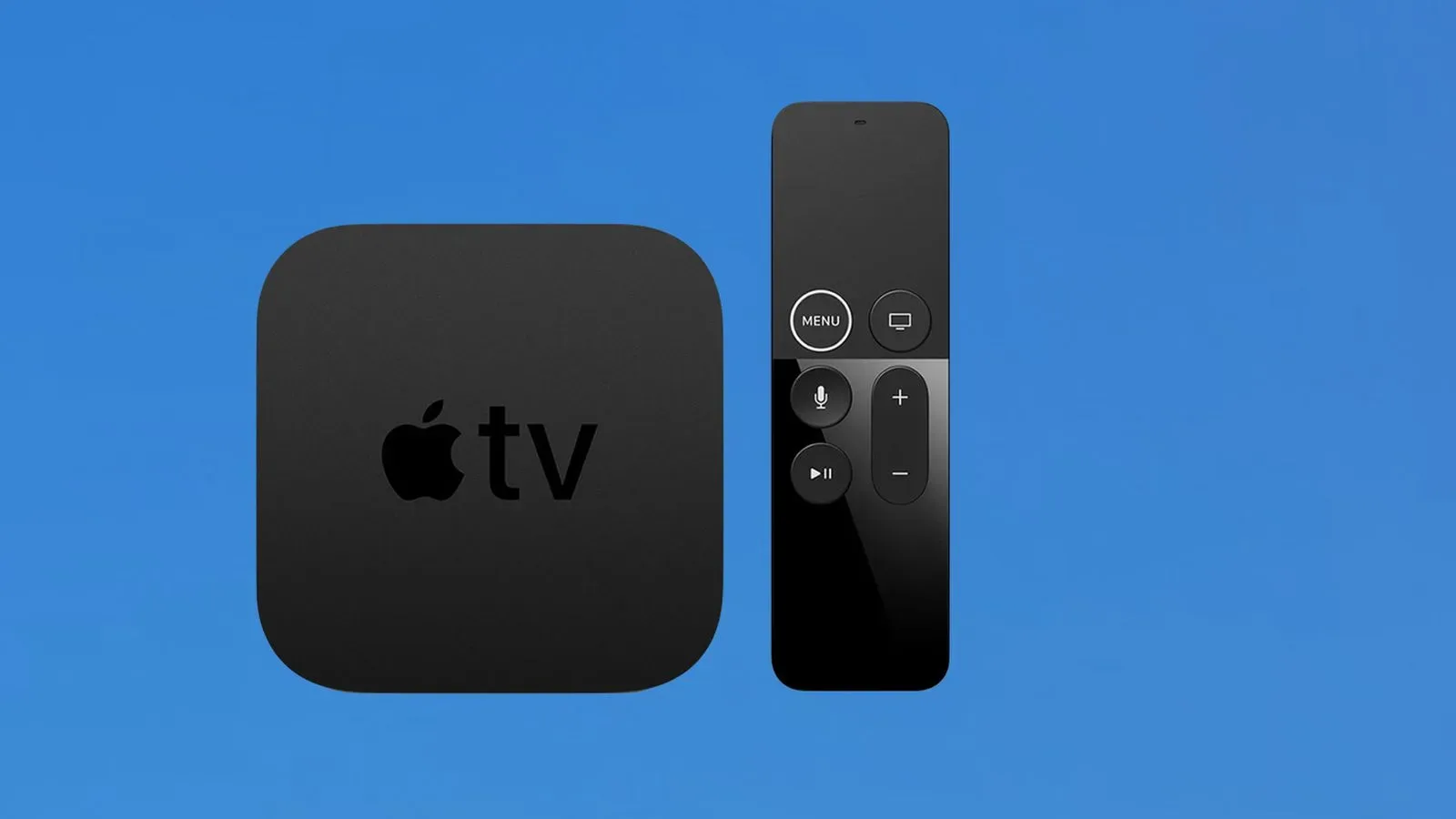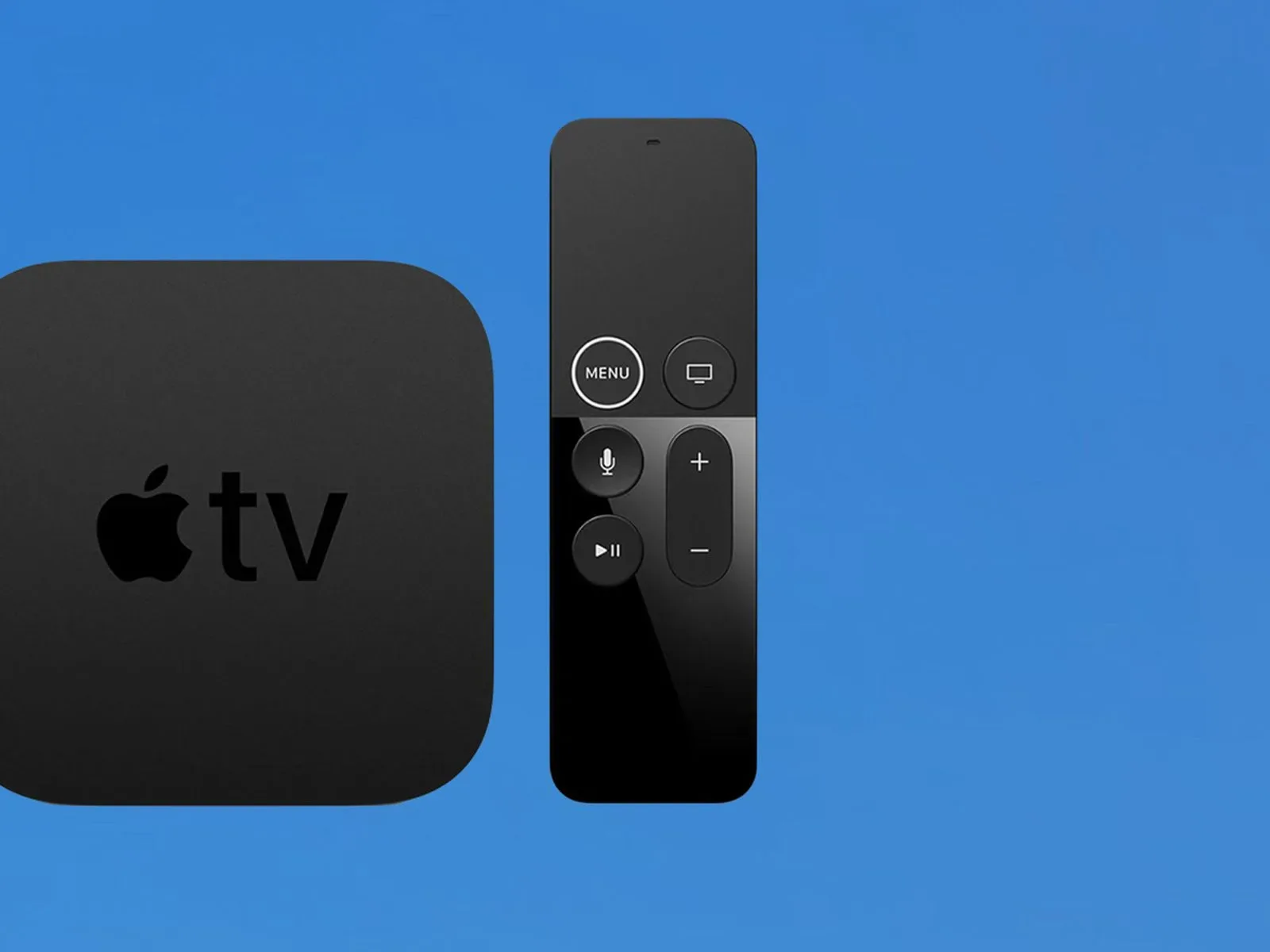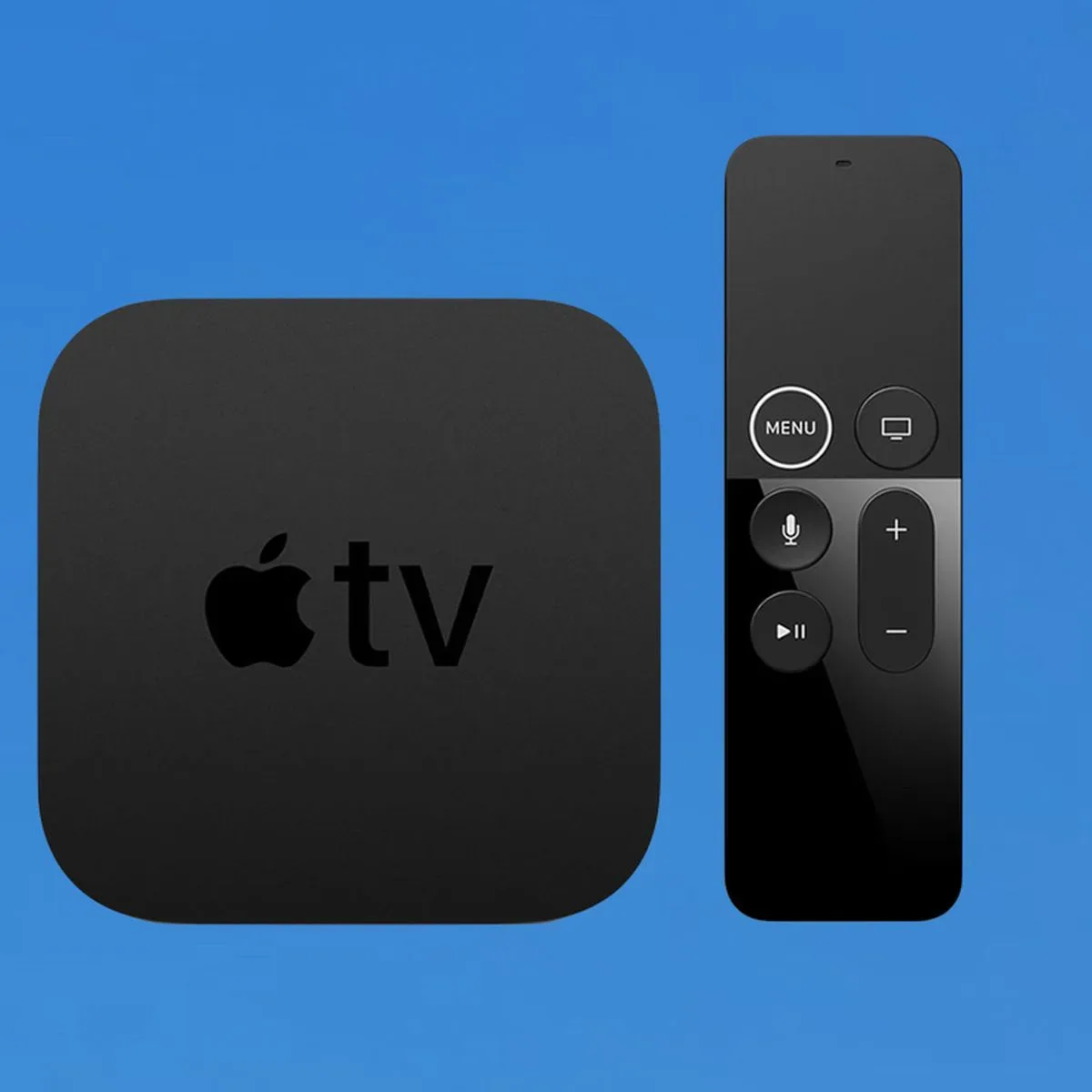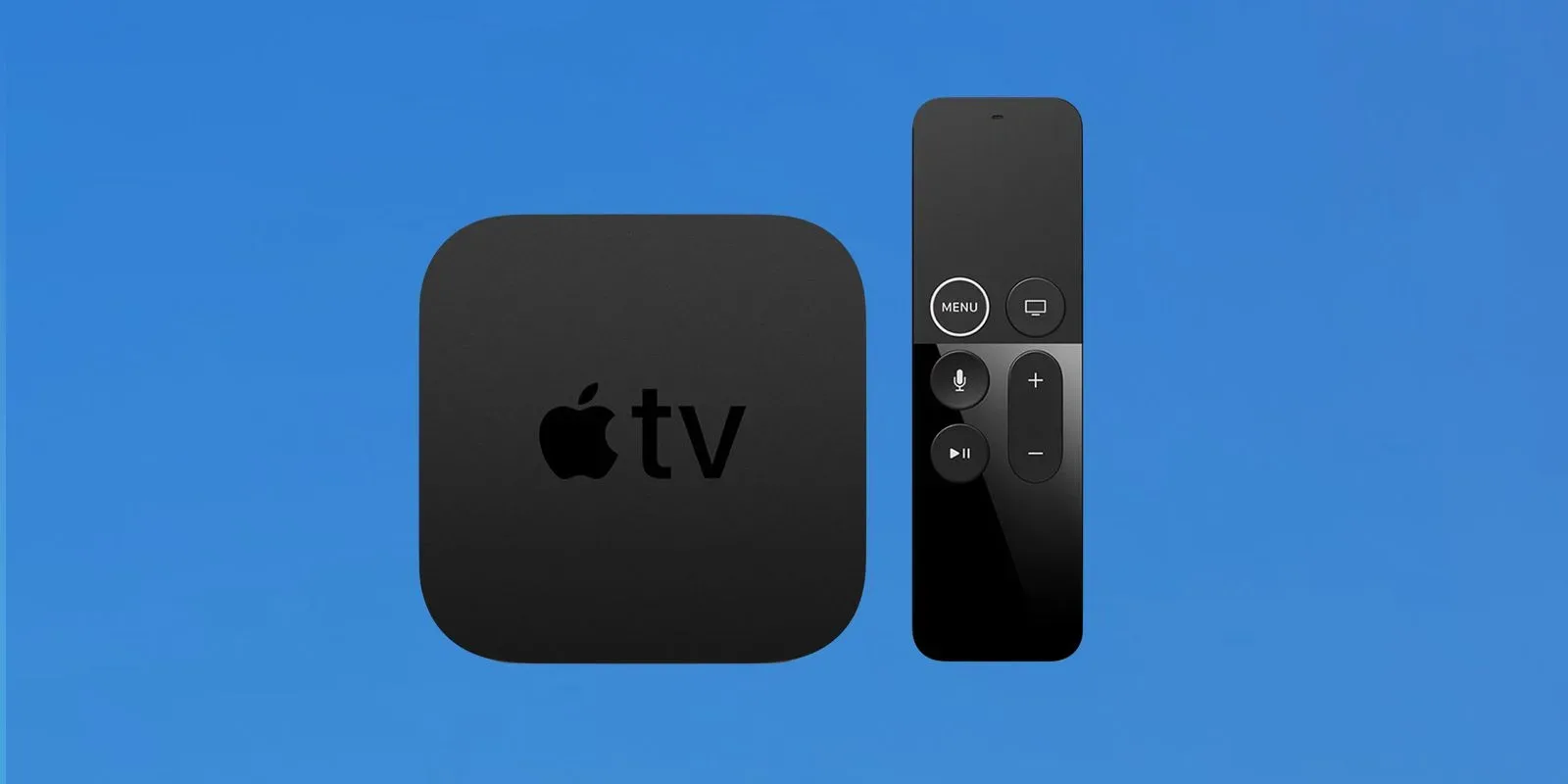
Apple has added the first-generation Apple TV 4K, originally released in 2017, to its vintage products list. The timing is notable: a fourth-generation Apple TV 4K is reportedly due to be introduced on Tuesday, October 13, during the company’s “Welcome home” launch.
Those two developments do not establish any direct connection beyond their proximity on the calendar, but together they create a particularly clear changing-of-the-guard moment for Apple’s set-top-box line. One early 4K model has moved into a formally older-product classification just as reporting points to the next version arriving.
A milestone for Apple’s 2017 4K box
The original Apple TV 4K was Apple’s first product in the Apple TV line to carry the 4K name. 4K is a display-resolution term, generally used to describe video with substantially more pixel detail than standard high-definition formats. In the product’s name, it distinguished this model from earlier Apple TV hardware and positioned it around higher-resolution television viewing.
Its addition to the vintage list is therefore more than an administrative line item for owners who have kept the small black streaming box in service. It marks the 2017 model as a defined part of the Apple TV 4K family’s earlier era.
It is also worth keeping the wording precise. Apple has placed the first-generation Apple TV 4K on its vintage list; the available information does not provide a broader technical rundown, new support details, or a statement tying that designation to the reported October launch. For now, the firm facts are the listing itself, the model’s 2017 origin, and the report of a new Apple TV 4K reveal days later.
The reported fourth-generation reveal
A fourth-generation Apple TV 4K is reportedly set to appear on October 13 as part of Apple’s “Welcome home” launch. That is an expectation rather than a confirmed product specification sheet. No details in the available report establish the incoming model’s design, performance, ports, remote, software changes, price, or release date.
That distinction matters because launch-adjacent reporting can easily turn a reported debut into a long list of assumed features. There is no basis here to treat any unannounced hardware change as settled. The most responsible read is straightforward: Apple may be preparing to expand the Apple TV 4K line with a fourth-generation model, and the event is the point to watch for confirmation.
For current Apple TV households, the practical implication is patience. Anyone considering an Apple TV purchase may want to wait for the October 13 presentation before deciding between available hardware and whatever Apple formally introduces. Existing first-generation Apple TV 4K owners have a different reason to pay attention: their model has now received a visible place in the product line’s history.
The remote remains part of the conversation
Hardware transitions are rarely just about resolution labels and model generations. The supplied discussion around the original Apple TV 4K also points to a more personal part of living with a set-top box: the remote.
“I’d say RIP to that awful touch remote but I don’t want peace for it. Only eternal torment”
Another comment focused not only on touch input but on the absence of a dedicated power button, saying that it could mean needing two remotes to completely control a television. These are individual reactions, not a measured product verdict, but they illustrate why input design tends to outlast a specification list in people’s memories.
A streaming box is usually operated from across the room, often when someone simply wants to start a show, pause it, change the volume, or turn off the television. That makes the remote a frequent point of contact—and a frequent target for frustration when its controls do not match an owner’s habits. The strong reaction here is a reminder that a device can be remembered as much for its everyday interface as for the video standard in its name.
The same broader principle appears across gaming and consumer hardware: component choices are only part of the story; the experience of using the controls matters. That conversation is visible in other hardware coverage too, including the discussion around the Corsair Skiff 100 Plus and membrane gaming keyboards, where the practical feel of an input device is central to its appeal.
What is known—and what remains open
There is a clean dividing line between confirmed status and reported expectation.
- Known: Apple has listed the first-generation Apple TV 4K from 2017 as vintage.
- Reported: A fourth-generation Apple TV 4K is expected to be unveiled Tuesday, October 13, at the “Welcome home” launch.
- Not established here: The new model’s features, physical design, remote changes, price, release timing, or how it might compare with prior Apple TV 4K generations.
That last group of unknowns is substantial. A generational label tells us a new step in the product sequence may be imminent, but it does not reveal what Apple will consider important enough to change. Until Apple provides details, it is better to avoid treating leaked or assumed specifications as announced facts.
A small product, a long timeline
Set-top boxes are easy to overlook because they tend to disappear into a television setup. They sit behind or beneath a screen, carry out familiar tasks, and are often noticed only when a remote goes missing or an app needs attention. Yet the move of the 2017 Apple TV 4K to vintage status shows how long these devices can remain part of a household’s routine.
For some owners, the original model will be remembered as their first Apple TV capable of 4K viewing. For others, memories may center on the touch remote and its divisive controls. Both responses are valid ways of understanding the same piece of hardware: one focuses on the change it represented in Apple’s product naming and video ambitions, while the other focuses on the daily usability of the thing on the couch.
If the reported October 13 debut occurs, the event will give Apple an opportunity to define the next chapter directly. Until then, the most concrete development is a quieter one: the first Apple TV 4K has officially moved into vintage territory, closing a distinct 2017-era chapter just before the line may receive its next entry.