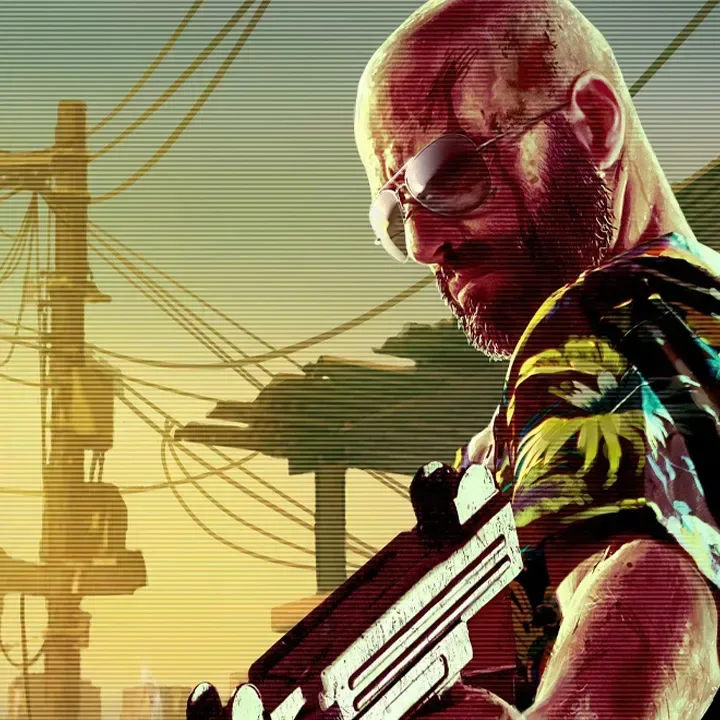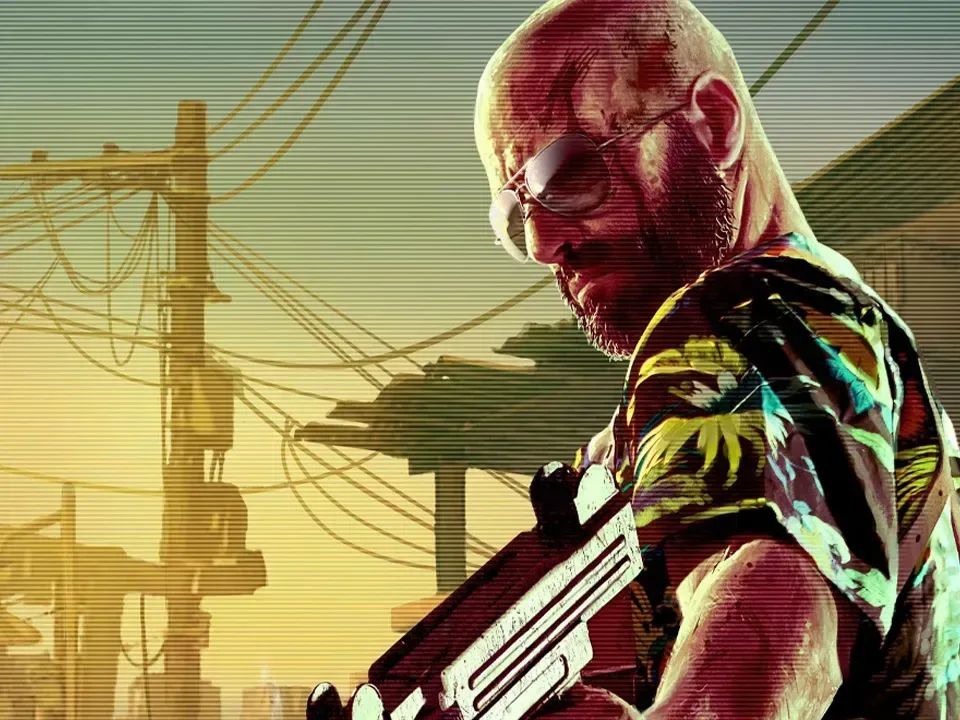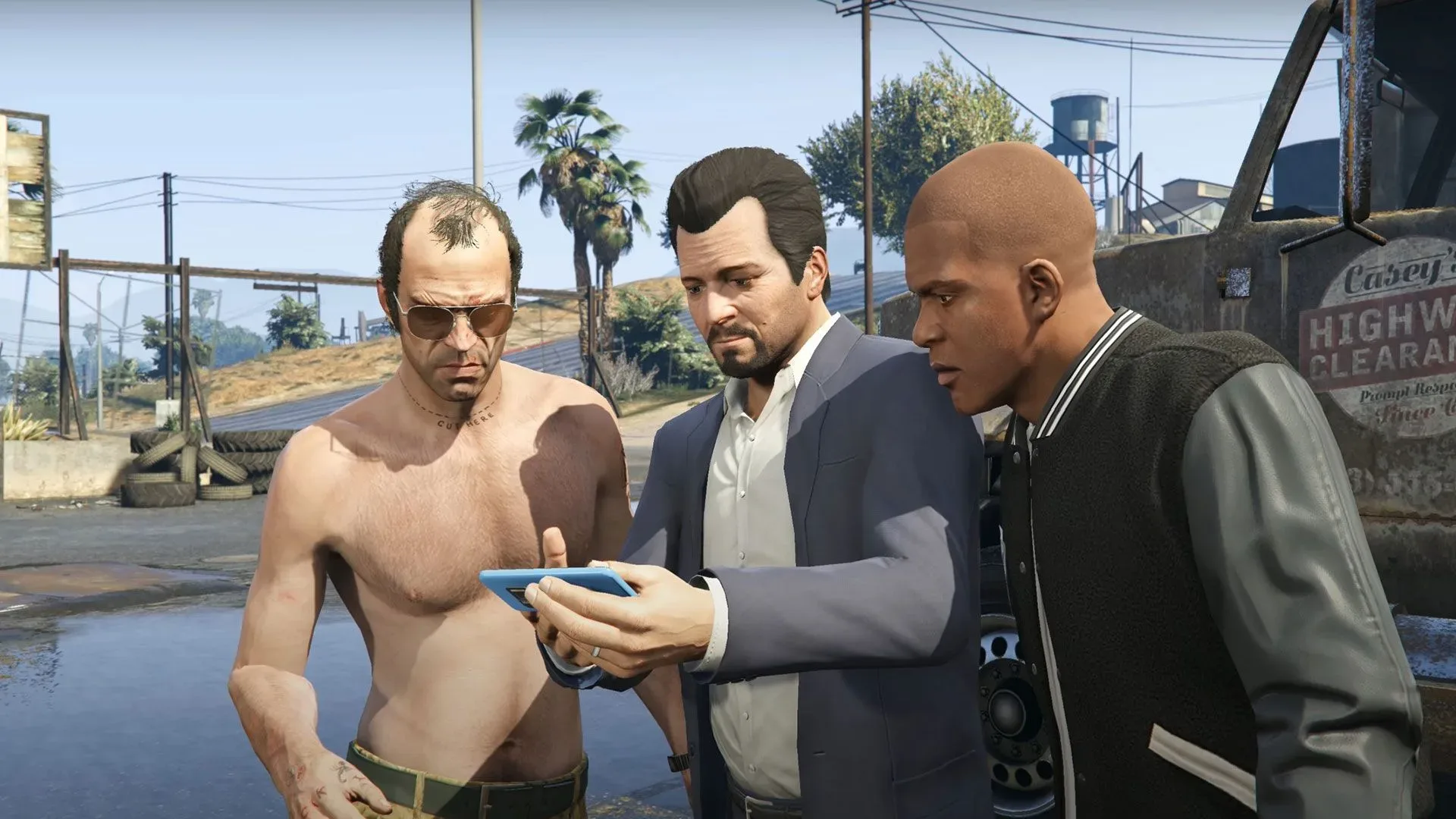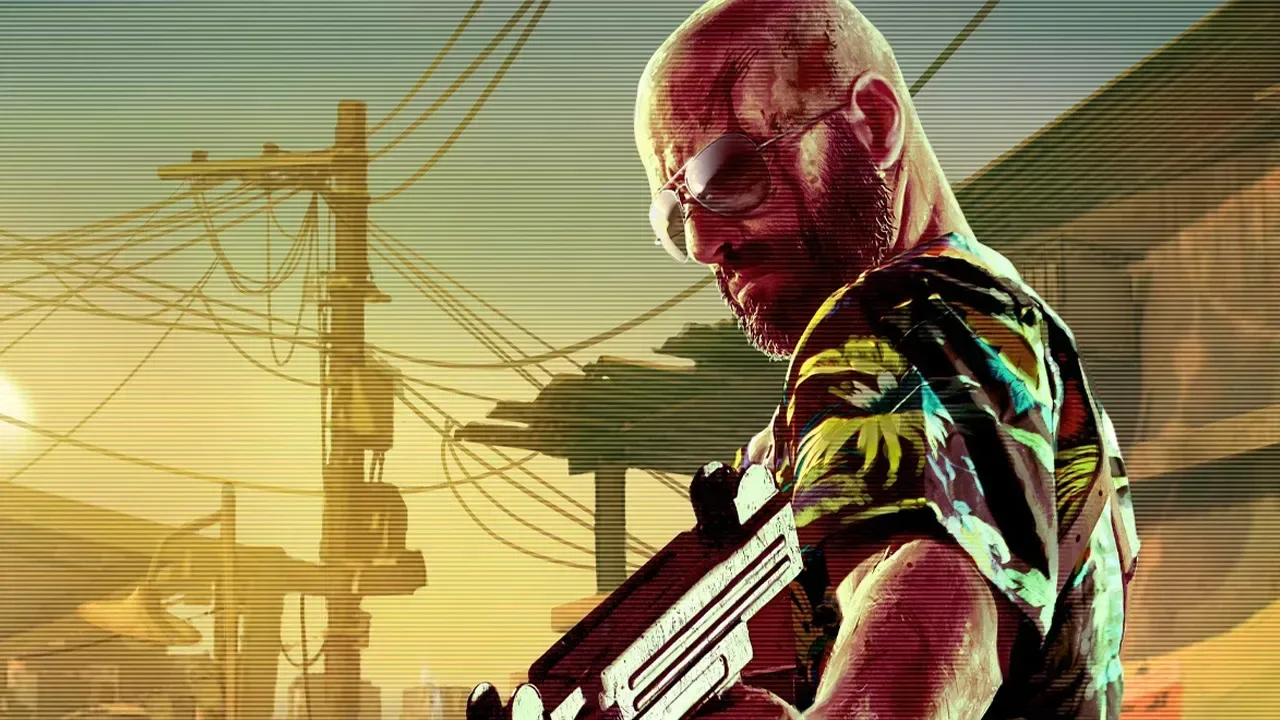
Dan Houser has offered an unusually direct reassessment of Max Payne 3, the 2012 sequel written during his time at Rockstar. The former Rockstar vice president says he enjoyed making the game and remains proud of elements of its design, but now believes he and the team misjudged what a substantial part of the series’ audience wanted from a new Max Payne.
His verdict is strikingly personal: “I got that completely wrong.” Houser described his own contribution as unsuccessful, specifically pointing to his role in decisions around the game and its writing. That does not amount to a claim that the entire production failed artistically. On the contrary, he called it beautifully made. His argument is narrower, and more interesting: technical polish, forceful action design, and a coherent creative plan did not necessarily make it feel like the Max Payne many players expected.
A sequel with a different creative center
The first two Max Payne games established a particular identity: third-person shooting shaped by noir, troubled interior monologue, and a gloomy, strange New York atmosphere. Remedy Entertainment, the Finnish studio behind those earlier games, put writer and creator Sam Lake’s voice at the center of that identity.
Max Payne 3 arrived much later under Rockstar, relocating the character to Brazil and approaching the material with a more colourful, high-intensity action sensibility. Houser said he knew Lake well and considered him both kind and highly talented, while acknowledging that players particularly missed Lake’s writing.
That distinction helps explain why debates around the game have endured. The question was rarely whether Max Payne 3 could deliver a satisfying firefight. Its reputation as a polished shooter has remained an important part of the discussion. The harder question was whether its mood, protagonist, language and pacing carried forward the particular kind of digital noir associated with its predecessors.
What “digital noir” means here
Noir is a storytelling mode often associated with crime, moral compromise, fatalism, alienation and sharply stylised urban environments. In games, it is not only a matter of rain, shadows, guns, or a cynical lead character. It also comes through narration, rhythm, point of view, and how the world makes a player feel.
Houser said Rockstar was aiming for a “digital noir experience.” He highlighted a relatively restrained design, a more linear structure than the open-world work he was used to, and visual treatments that put words on screen. He also liked the sense that the game moved as a roughly 12-hour film.
Linear, in this context, means the player is guided through a prescribed sequence of locations and story events rather than given broad freedom to choose routes, activities, or mission order. That can be an asset for a tightly controlled action story: every encounter, transition and cutscene can be shaped toward a specific pace. Houser clearly valued the chance to write within those boundaries. But the same degree of control cannot guarantee that the chosen tone will land with an established audience.
Related coverage includes Dan Houser Calls Max Payne 3 a Personal Misstep Despite Its Acclaim.
Why polish and reception can point in different directions
Houser’s comments are useful because they separate several ideas that are often compressed into a single verdict. A game can be critically well received, visually accomplished, mechanically effective and still fail to connect as strongly as its creators hoped. Max Payne 3 was well received critically, but it underperformed commercially and did not become a broad player favourite. Those outcomes are not mutually exclusive.
His explanation centers less on a missing feature or a production shortcoming than on continuity of voice. A sequel inherits more than a title and protagonist. It inherits audience memory. For players attached to the first two games, the original combination of noir atmosphere and Lake’s writing appears to have been as important as the slow-motion gunplay.
That does not make a new direction inherently mistaken. Rockstar brought something new to the series: a flashier, more overtly cinematic action approach and a new setting for Max. But a reinvention must convince players that the qualities being added are worth the qualities being left behind. Houser’s retrospective suggests that Rockstar did not fully clear that hurdle for enough of the existing audience.
“Some people liked it; lots didn’t,” Houser said, ultimately adding that “my bit was not a success.”
The phrasing matters. He did not erase the people who enjoyed the game, nor did he deny its craft. Instead, he took responsibility for misreading the consensus and for the absence many fans felt when the earlier creative voice was no longer guiding the series.
Bullet time was not the dispute
The franchise’s signature mechanic, bullet time, remains central to why Max Payne 3 is remembered so fondly by some players. Bullet time slows the action down, allowing the player to aim and react during firefights with an exaggerated, cinematic sense of time. It is more than a visual flourish: slowing the world changes tactical decision-making, sightlines and the risk-reward calculation of a dive into danger.
The supplied account says this mechanic still feels satisfying to activate in Max Payne 3. That is a meaningful point in any reassessment. A sequel can preserve a series’ most recognizable mechanical language while changing its emotional language. In this case, the latter appears to be where the disconnect lived.
For players revisiting the game, the practical implication is straightforward: expectations should be calibrated around that difference. Someone seeking a technically polished, linear third-person shooter with elaborate slow-motion combat may find much to value. Someone chiefly hoping for a continuation of the first two games’ murky New York mood and authorial voice may still find the tonal shift difficult to reconcile. Neither response requires pretending the other side is imaginary.
What this means for Remedy’s remakes
The discussion arrives while Remedy is remaking Max Payne and Max Payne 2: The Fall of Max Payne. The project was last publicly described more than a year ago as being in full production, with Remedy saying its collaboration with Rockstar remained close and productive.
No new release timing, features, or gameplay details were provided in this update. Still, Houser’s reflection adds context to why the remakes may carry unusually specific expectations. Fans will not simply be looking for modernized gunplay or higher-fidelity presentation. The earlier games’ tone, writing and atmosphere are evidently inseparable from what many people believe Max Payne is.
There is also a practical creative lesson in that. Remakes must decide what should be preserved exactly, what can be modernized, and what must not be smoothed away in the pursuit of contemporary spectacle. The renewed interest in Houser’s critique underscores that visual fidelity alone will not settle that question. If the remakes retain the first two games’ mood while bringing forward the tactile satisfaction associated with later action design, that balance could be especially compelling—but the projects’ final form has not been detailed.
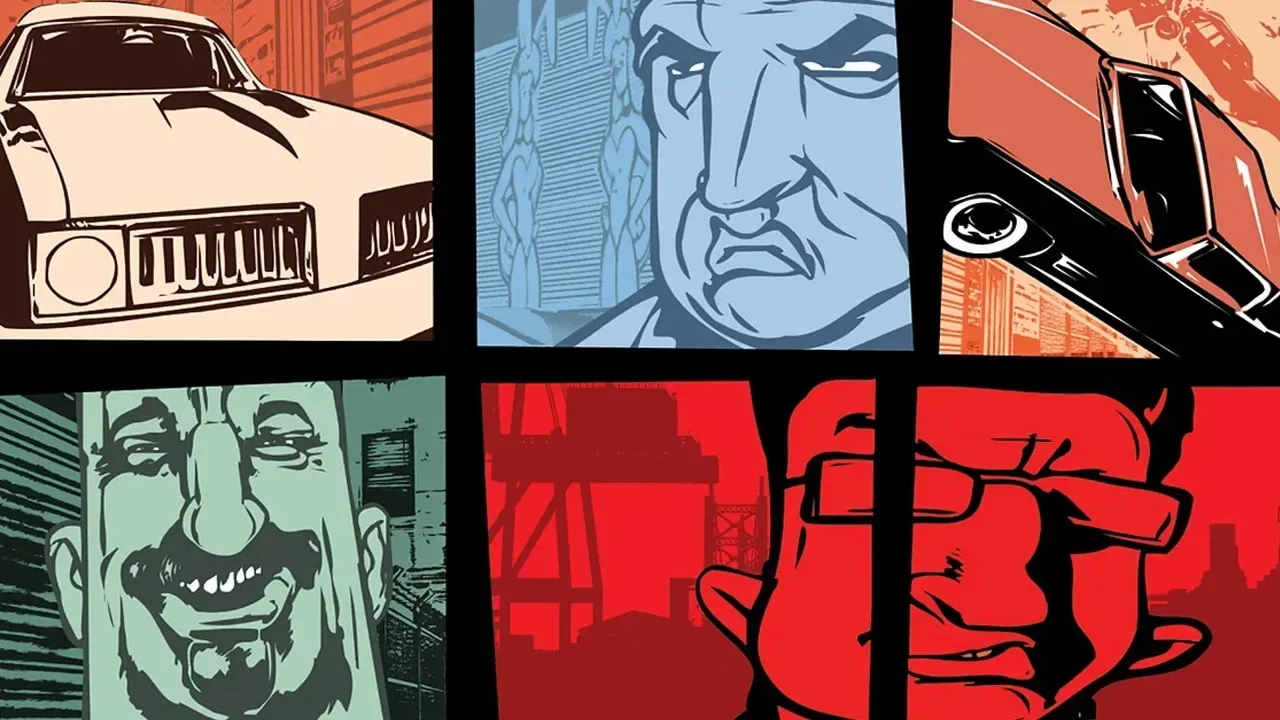
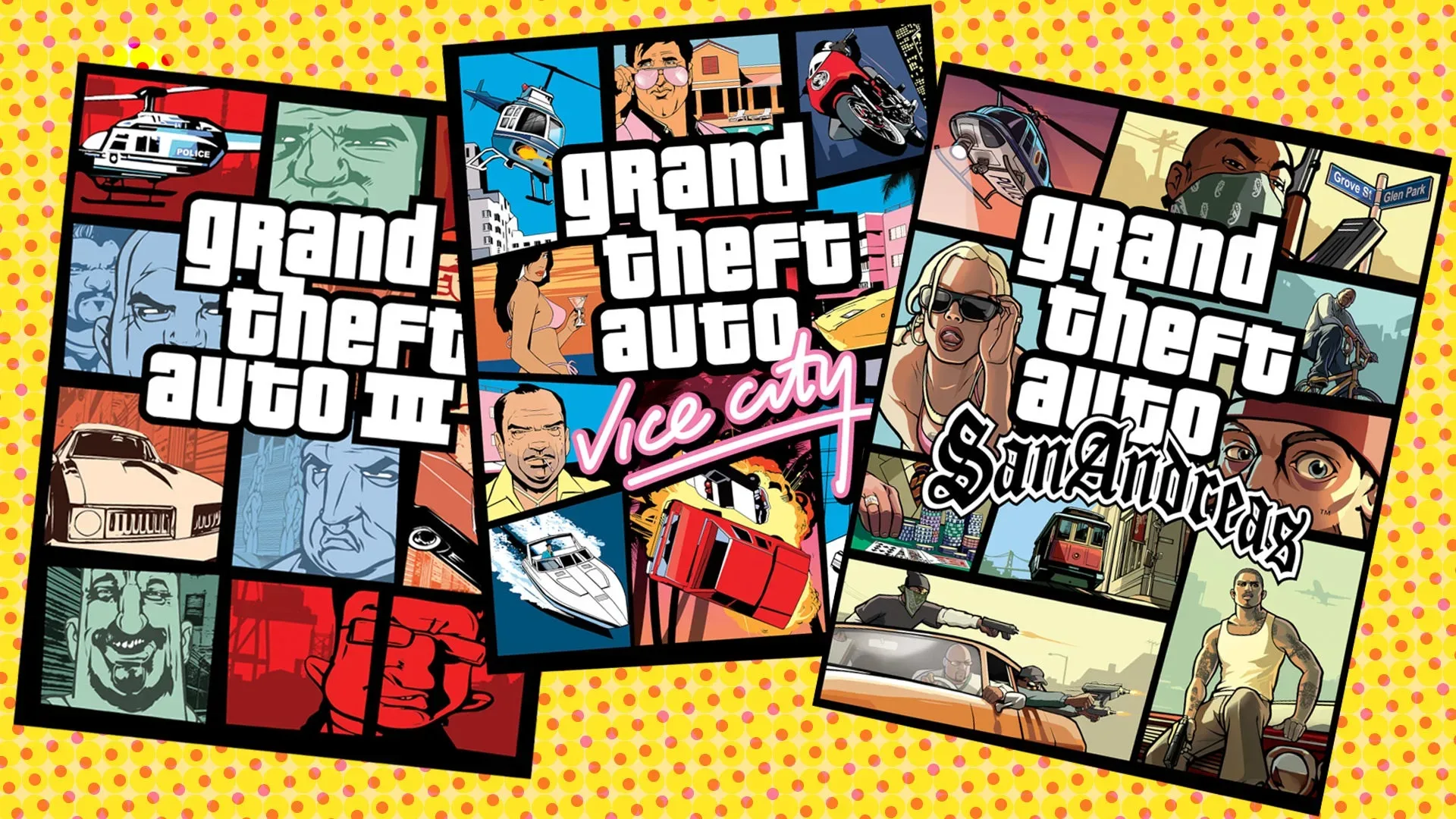
Houser’s willingness to own the mismatch also lands differently given the scale of Rockstar’s wider legacy. His earlier thoughts on the company’s evolving visual identity can be seen in his comments on the events that shaped Grand Theft Auto’s defining cover-art style. In the Max Payne 3 case, he is not presenting a design choice as an inevitable success. He is describing the limits of his own judgment.
An instructive failure, not a simple dismissal
It would be too neat to reduce Max Payne 3 to either a misunderstood masterpiece or an outright disaster. Houser’s assessment resists both labels. He enjoyed the structured challenge of writing a linear game after open-world projects. He liked the visual techniques, the focused design and the film-like construction. Yet he believes the result was less successful than it should have been, commercially and with players, and accepts a significant share of responsibility.
That is an unusually valuable distinction from a prominent writer and decision-maker. Creative failure is not always a case of careless work or a visibly broken product. Sometimes a game is carefully built, ambitious, and even admirable on its own terms—but it does not fulfill the particular promise an audience heard in its name.
For Max Payne, that promise was never just bullet time. It was a specific voice speaking through a specific kind of darkness. Houser now believes Rockstar’s sequel did not fully preserve that connection, even as it delivered one of the era’s most polished third-person shooters.