BOE’s bid to expand its role in Apple’s OLED supply chain may be running into a problem that sounds simple but is exceptionally serious on a display-production line: sheets of glass are breaking during manufacturing.
The issue has reportedly continued for about six months at BOE’s B16 facility in Chengdu, home to an 8.6-generation OLED production line. BOE is said to be operating two lines at the site, yet the underlying cause of the breakages has not been identified. That uncertainty matters as the company has only recently begun Apple’s panel-qualification process, where production consistency is every bit as important as the display’s finished image quality.
The immediate concern is not merely that a damaged glass substrate must be discarded. When glass breaks in the production equipment, workers need to remove fragments and inspect the machinery before output can resume. That recovery can leave equipment unavailable for roughly half a day to a full day. For a factory intended to run continuously at scale, occasional stoppages can become a major obstacle.
Why a small breakage rate can be a large manufacturing problem
A substrate is the sheet of glass on which display layers are built. In OLED manufacturing, it moves through a sequence of specialized processes to become part of a panel. It is not a disposable packaging material; it is a core component of the product and a critical part of the manufacturing flow.
Reports suggest that even two or three breakages per 1,000 substrates could disrupt mass production. At first glance, that may resemble a low defect rate. But the more useful way to understand the risk is to separate material loss from line interruption.
- Material loss: the broken substrate cannot be used.
- Equipment downtime: the affected tool or section of the line must be cleaned and checked.
- Flow disruption: material that would have passed through the equipment cannot continue on schedule.
- Planning uncertainty: repeated interruptions make it harder to deliver predictable volumes.
That is why the reported threshold for reliable operation is so strict: breakages need to be almost entirely eliminated. A line can have a high share of substrates pass through successfully and still be unsuitable for steady mass production if rare failures repeatedly force lengthy shutdowns.
In practical terms, this is a throughput problem. Throughput means the quantity of product a factory can move through its process over a set period. A display plant does not simply need to prove it can make an OLED panel under favorable conditions. It needs to make panels repeatedly, at a sustained pace, while meeting the buyer’s technical and supply requirements. Unplanned recovery periods work against that goal.
What panel qualification means for BOE’s Apple opportunity
Panel qualification is the process by which a prospective supplier demonstrates that its displays and manufacturing operation meet a customer’s requirements. The supplied information does not detail Apple’s qualification standards, but the present manufacturing issue illustrates why the process is consequential. A prospective supplier needs both a viable panel and a credible path to producing it dependably.
For BOE, the breakages could reportedly lead to delays in receiving orders or prevent it from obtaining them. Neither result is certain, but the distinction is important. A delay would suggest BOE can potentially resolve the issue and proceed later. Failing to secure orders would mean the factory’s present operation did not provide enough confidence for the intended supply program.
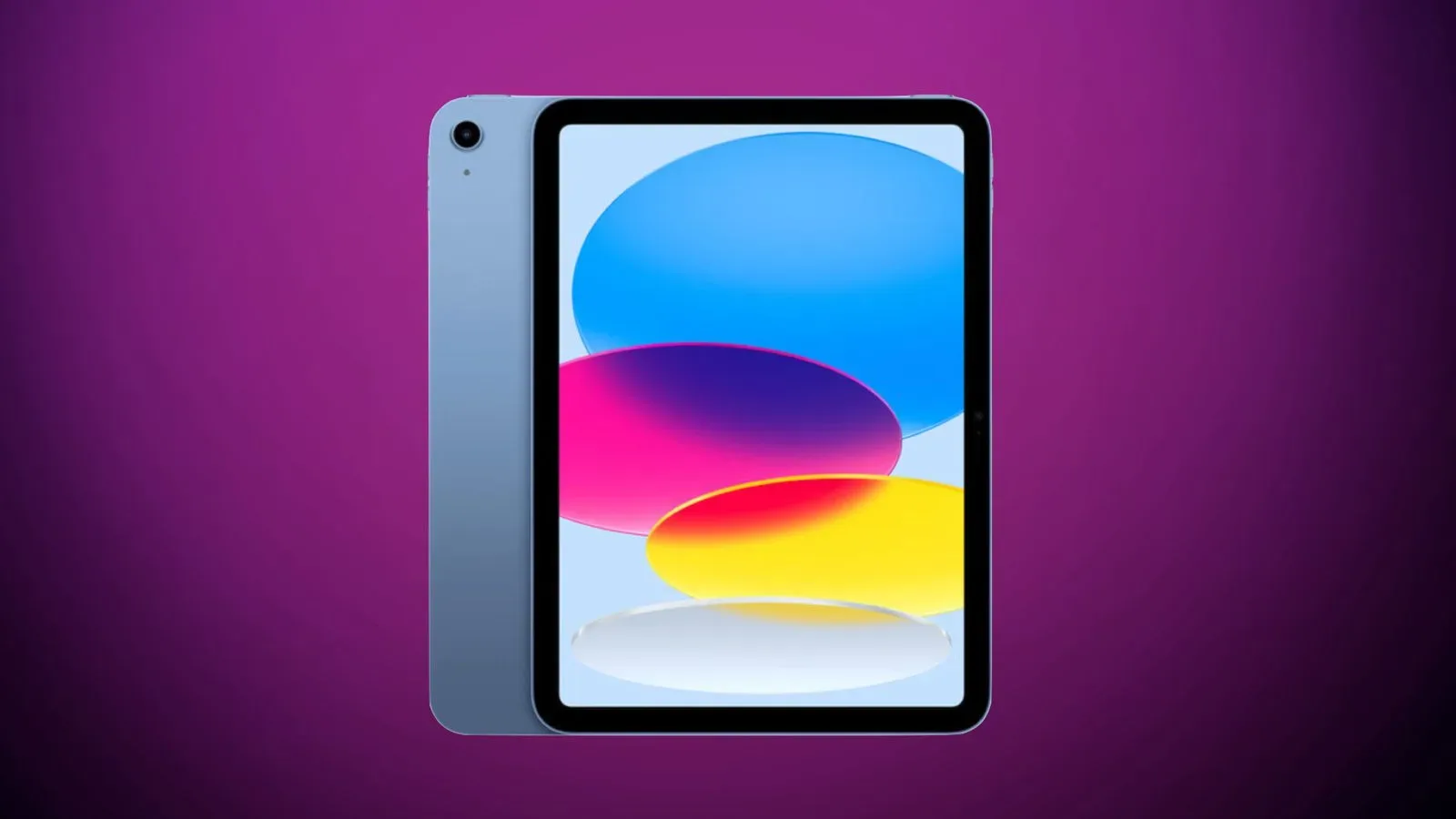
Apple’s interest in multiple OLED device categories makes the situation especially notable. Earlier reporting connected BOE’s iPad Air ambitions to the company’s separate B12 facility in Chongqing. The B16 plant in Chengdu, meanwhile, had been associated with a potential effort to provide OLED panels for MacBook Pro models. This means the Chengdu problem should not automatically be treated as a direct problem for every possible OLED iPad plan, even though it could affect BOE’s broader ability to win Apple display business.
An earlier report anticipated new iPad Air models with OLED displays in the first half of 2027, with Samsung Display expected to be the principal panel supplier. That framing provides useful context: BOE is not described as the primary supplier for that prospective iPad Air program. Its manufacturing stability can nevertheless shape how much room it has to become an additional supplier or to compete for other Apple OLED opportunities.
OLED, explained without the production-floor fog
OLED, short for organic light-emitting diode, is a display technology in which individual pixels emit their own light. This differs from conventional LCD designs that use a separate backlight. For buyers, the commonly discussed implications of OLED include pixel-level light control and the ability to show deep blacks by turning pixels off.
Those visual qualities do not make OLED manufacturing straightforward. The exact process details at B16 were not disclosed, and it would be speculation to pin the breakages on a particular machine, material, or handling step. What is established is narrower but still important: glass is failing on the line, the cause remains unknown, and the resulting cleanup and inspection process interrupts production for significant stretches of time.
The facility is described as an 8.6-generation OLED line. “Generation” in this context refers to the production-line format, rather than a consumer-facing version number. The provided information identifies B16 as an 8.6-generation line but does not specify its substrate dimensions, output targets, or the products it will ultimately serve. The key point is that it is a newer OLED manufacturing facility BOE hopes can support its ambitions in larger-device displays.
For people following Apple hardware, the useful takeaway is not that an OLED iPad or MacBook outcome has been determined. It has not. Rather, the report is a reminder that a product roadmap depends on a long chain of production capability. A panel supplier must not only create a display that looks correct; it must sustain output without disruptions that undermine volume, timing, or confidence.
A record of earlier reported BOE setbacks
The reported B16 issue does not stand alone in BOE’s Apple history. Previous work involving Apple displays has been affected by reported manufacturing and approval difficulties.
In 2022, Apple reportedly stopped production of BOE displays for the iPhone 13 after unauthorized design changes were found. In 2023, reports described light leakage around Dynamic Island cutouts that limited supply of BOE-made iPhone 15 panels. More recently, a January report said Apple had moved millions of OLED iPhone panel orders to Samsung Display after BOE encountered further production problems.
These reports concern different devices and different problems, so they should not be collapsed into one single technical failure. Unauthorized design changes, light leakage around a cutout, and glass breakages in a manufacturing line are not the same issue. But viewed at the supplier-relationship level, they point to the same broad commercial pressure: repeatable execution is essential when competing for a customer’s high-volume display orders.
That history also helps explain why an apparently limited breakage frequency can receive so much attention. Suppliers are evaluated not only on the potential of a factory or the promise of a new line, but on their ability to maintain specifications and volume over time. A recurring issue with no identified cause is harder to plan around than a one-off incident with a confirmed corrective action.
What this could mean for future Apple screens
There are several possible paths from here, all dependent on whether BOE identifies and remedies the source of the breakages. If it does, qualification could continue and future orders could remain possible. If disruptions continue, qualification or production timing could be pushed back. And if BOE cannot demonstrate dependable continuous operation, Apple could rely more heavily on other suppliers for relevant OLED programs.
None of those possibilities establishes a change to a specific Apple product schedule. The information available does not say that any iPad, MacBook Pro, or other device has been delayed, altered, canceled, or re-specified. It instead describes a supplier-side risk during a period in which BOE is trying to earn more OLED business.
Samsung Display’s reported role as the primary supplier for the anticipated OLED iPad Air models in the first half of 2027 is therefore relevant context, rather than proof of an immediate consumer impact. A primary supplier arrangement can reduce dependence on a company still working through factory problems, but it does not tell us the final supplier mix, production volumes, or launch details.
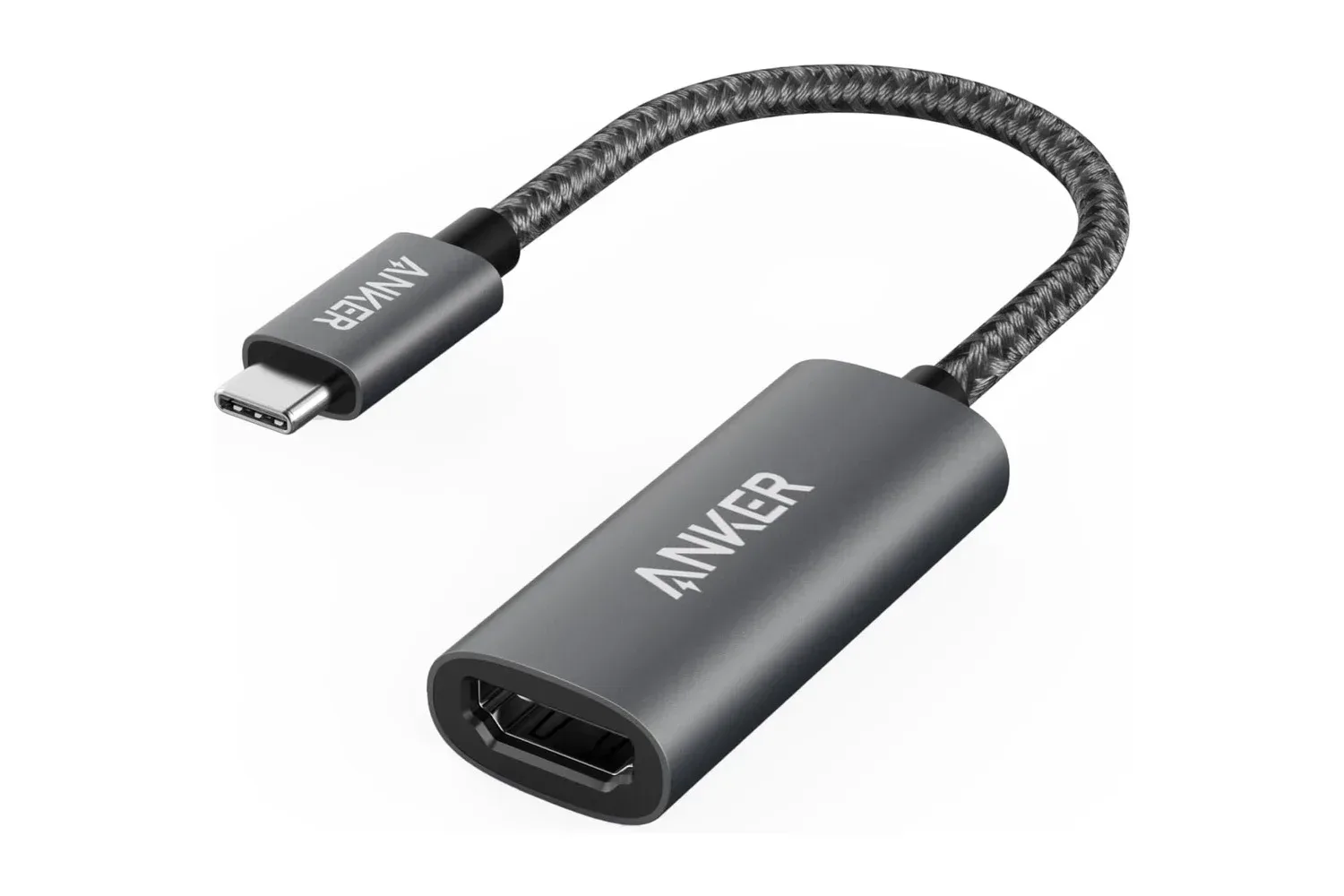
For users who care about screens in work, games, and media, the story reinforces a less visible truth behind premium display technology: the panel’s eventual performance begins with the consistency of the factory making it. Reliable manufacturing is what turns a promising OLED line into devices people can actually buy at volume. That broader display ecosystem is also relevant to everyday external-screen setups, whether the connection is a laptop dock or an adapter such as the Anker 310 USB-C to HDMI adapter.
For now, BOE’s situation is best read as a manufacturing challenge with meaningful stakes, not a confirmed verdict on any future Apple product. The company continues to run both B16 lines, but until it finds why the substrates are breaking and reduces the interruptions to a level suitable for continuous operation, its attempt to turn that capacity into Apple OLED orders faces a significant hurdle.