Apple is reportedly preparing a two-day product showcase in Los Angeles on October 27 and 28, with a cluster of new Macs and an iPad mini expected to arrive on or around the first day. The reported format is notable: rather than a conventional livestreamed presentation, the dates are said to be hands-on “experiences” aimed at content creators.
That distinction matters because a creator showcase is not necessarily a public launch event. Apple could still publish product pages, press releases and promotional video separately, while invited attendees receive a closer demonstration and time with the hardware. Until Apple itself confirms the plans, however, both the format and the product list should be treated as reported expectations rather than final specifications.
The products reportedly in line for October
Four product families are expected around October 27:
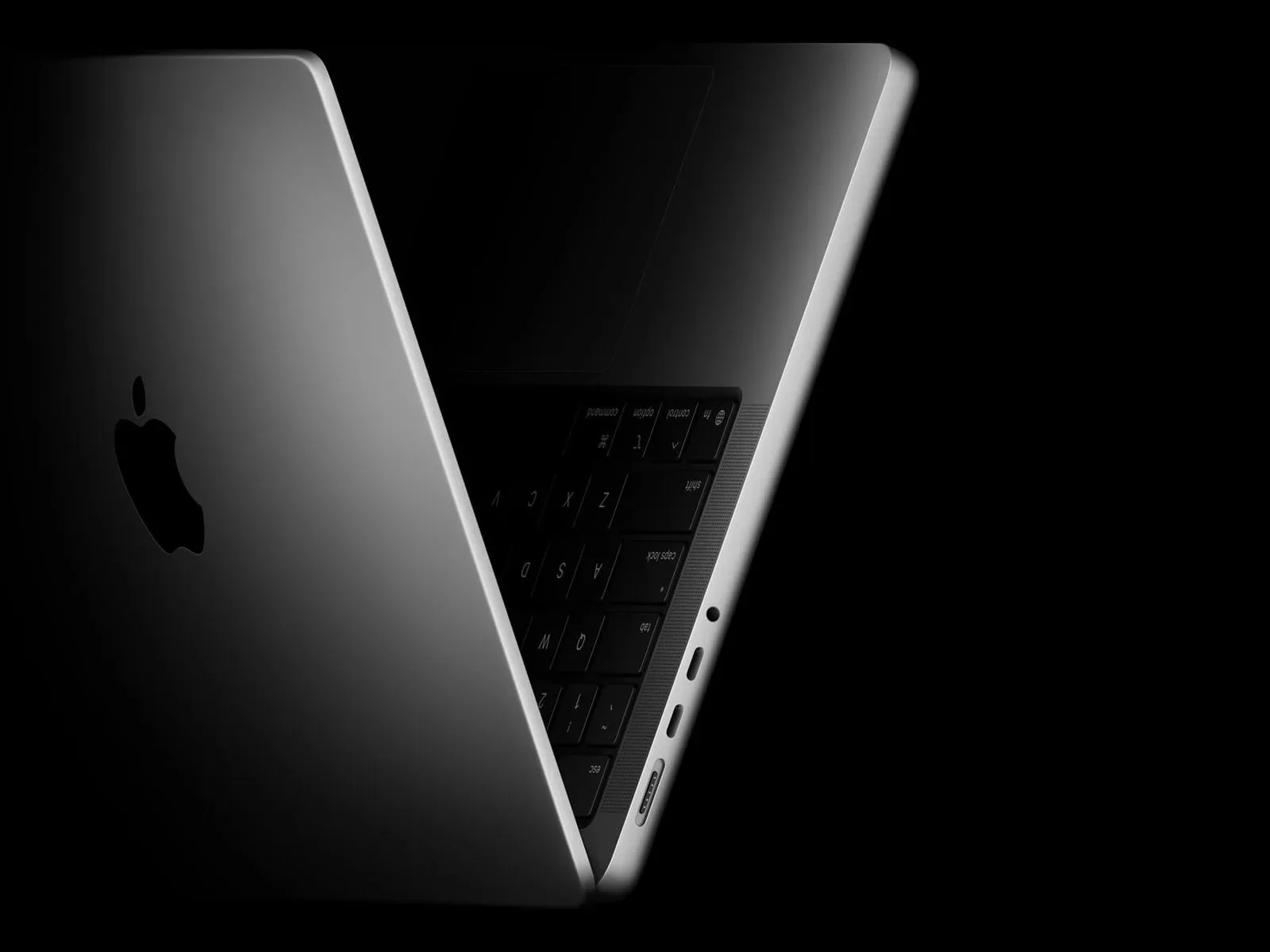
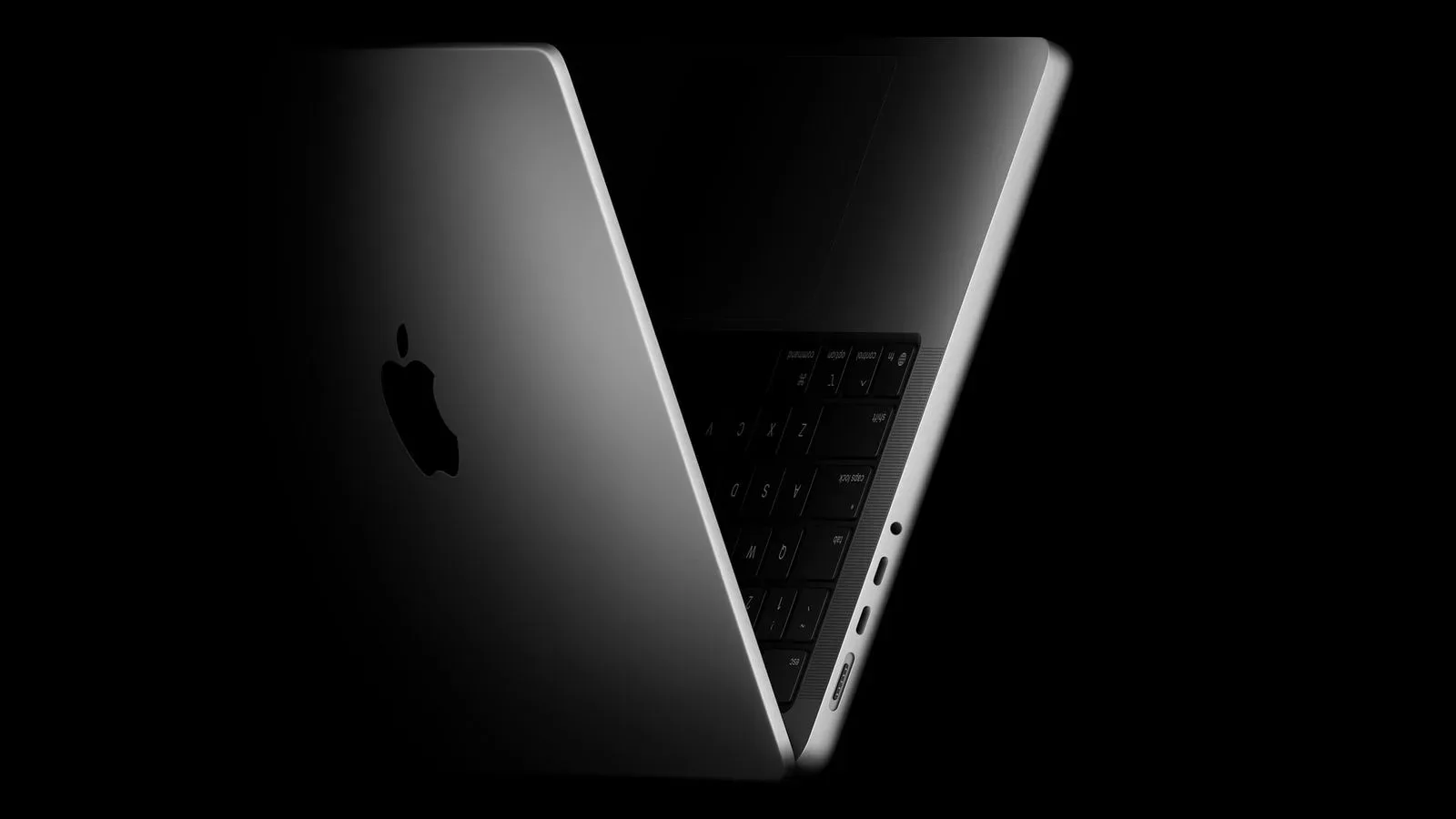
- Redesigned 14-inch and 16-inch MacBook Pro models with OLED displays, M5 Pro and M5 Max chips, touchscreen support, a Dynamic Island, a significantly lighter build and possible cellular connectivity.
- A 24-inch iMac powered by an M6 chip, with new color options.
- A separate 14-inch MacBook Pro with an M6 chip.
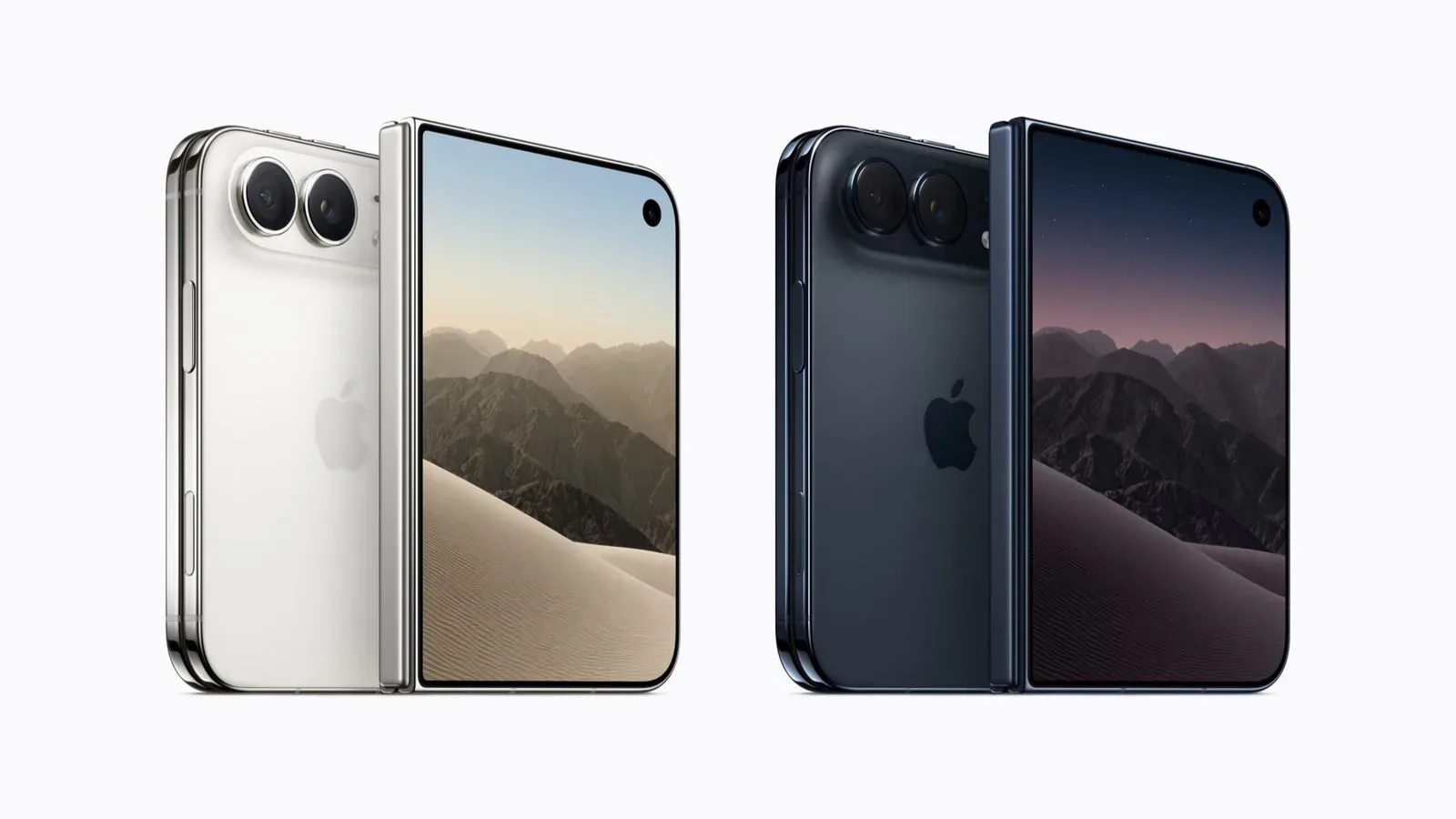
- An eighth-generation iPad mini, said to feature an OLED display, an A20 Pro chip, a landscape front camera, redesigned speakers and water resistance.
The breadth of that list suggests that the reported showcase could cover two distinct audiences. The larger MacBook Pro models would be positioned as higher-end portable Macs, while the 24-inch iMac remains an all-in-one desktop option. The 14-inch MacBook Pro and iPad mini would potentially broaden the update beyond the top of the Mac lineup.
OLED would be the headline MacBook Pro change
The most consequential reported change is OLED on the 14-inch and 16-inch MacBook Pro. OLED, short for organic light-emitting diode, is a display technology in which individual pixels emit their own light. In practical terms, pixels can turn off completely to display black, rather than relying on a separate backlight.
That can improve contrast because dark portions of an image can be genuinely dark beside bright elements. It can also give interface details, video highlights and colorful game imagery a more pronounced visual separation. The source material does not provide brightness figures, refresh-rate details, resolution, color targets or battery claims, so buyers should avoid assuming any particular performance result merely from the OLED label.
The report also points to touchscreen support. A touchscreen MacBook Pro would represent a meaningful input change, but the extent of that support is not yet known. It is unclear whether it would be intended for quick navigation and direct manipulation, creative applications, or a wider change to how macOS works. The important point is that touchscreen capability is reported, not confirmed.
Likewise, a reported Dynamic Island on the MacBook Pro would indicate a display-area design element associated with alerts, status information and camera hardware. But no details have been provided about its interface behavior, its size, or how software might use it on macOS. It should not be read as a promise that Mac and iPhone implementations would behave identically.
Chips, weight and cellular are all areas to watch
The larger redesigned MacBook Pro models are expected to use M5 Pro and M5 Max chips. The 24-inch iMac and another 14-inch MacBook Pro are expected to move to M6. Chip naming alone does not disclose CPU, graphics, memory or media-engine specifications, and no benchmark results are included in the report. It does, however, suggest Apple may differentiate the portable range more visibly: a 14-inch model with M6 on one side and redesigned 14-inch and 16-inch machines with M5 Pro or M5 Max on the other.
That nomenclature may look counterintuitive at first glance, because the M6 name is numerically later than M5 Pro and M5 Max. Apple’s expected product segmentation, if accurate, would make more sense to judge by the chip tier and the full machine configuration than by number alone. A Pro or Max-branded chip is a different class of component from a base chip, but the report does not establish exact real-world performance relationships.
The redesigned MacBook Pro models are also described as significantly lighter. Weight is particularly relevant to 14-inch and 16-inch notebooks because portability is felt every time a machine is moved between a desk, backpack and travel bag. Still, “significantly lighter” is qualitative language. There are no reported dimensions or measurements, so potential buyers will need the final technical specifications before deciding whether the physical change is meaningful for their setup.
Built-in cellular connectivity is perhaps the most speculative item in the MacBook Pro portion of the report. It is described as a possibility, potentially using Apple’s C1X or C2 modem. A modem is the component that enables a device to connect to a cellular network. If such a feature appears, it could reduce reliance on phone tethering or public Wi-Fi for people who work away from fixed connections. But neither the presence of cellular hardware nor compatibility details are established here. This is firmly a wait-for-confirmation feature.
The iPad mini 8 could receive a more substantial hardware refresh
The expected iPad mini 8 is reported to combine several changes: OLED, an A20 Pro chip, a landscape-oriented front camera, a redesigned speaker system and water resistance. Together, those items point to more than a simple processor update, although the report does not specify the level of water protection or any certification.
A landscape front camera is easy to explain in practical terms. It means the camera is placed with horizontal use in mind, which can be useful when the tablet is propped up or held sideways for calls. The source does not detail video-call features, resolution or software behavior, so the camera placement is the only supported takeaway for now.
The reported speaker redesign could matter for a small tablet often used without external audio, but there are no details on speaker count, placement, loudness or spatial-audio support. Similarly, the inclusion of an A20 Pro chip signals a new processor generation, but no performance claims or app-specific improvements have been disclosed.
OLED is potentially as significant on the iPad mini as it is on the MacBook Pro, especially on a compact screen often used up close. Yet the same caution applies: the report does not state display brightness, resolution or refresh rate. The technology is promising context, not a complete specification sheet.
What a creator-focused showcase may mean
The reported Los Angeles gathering follows the same general type of creator-oriented experience Apple is said to be holding in New York on October 13. Ahead of that date, Apple is expected to introduce a HomeView smart-home hub, HomePod mini 2 and refreshed Apple TV 4K. Readers tracking the wider October rollout may also want to see the site’s coverage of iPhone Duo pre-order preparations.
For the October 27-28 Mac and iPad gathering, the absence of a reported public livestream should not be confused with a lack of public information. The expected devices would still need official product descriptions and specifications before customers could make informed decisions. A hands-on showcase may instead be designed to give creators material for demonstrations, coverage and impressions after Apple makes its announcements.
That format also means the exact timing of each reveal is not certain from the reported schedule alone. The products are expected “on or around” Tuesday, October 27, while the experiences themselves are said to run across October 27 and 28. The dates provide a useful window to watch, not a confirmed minute-by-minute launch plan.
How prospective buyers should interpret the report
Anyone considering a 14-inch or 16-inch MacBook Pro faces the clearest reason to wait for official details. The reported redesign potentially touches display technology, physical weight, touch input, chip options and even connectivity. Those are foundational characteristics that could matter more than a routine processor revision.
The picture is less clear for shoppers looking at the 24-inch iMac or a standard 14-inch MacBook Pro. An M6 update is expected for both, and the iMac may receive new colors, but the available information does not outline wider design changes. A decision will depend on confirmed configurations, display details, ports, pricing and release timing—none of which are supplied in the report.
For iPad mini buyers, the reported combination of OLED, a landscape front camera, water resistance and updated speakers could be worth monitoring. But it is equally important not to buy based on assumptions about unreported items such as storage capacities, accessories, wireless features or screen specifications.
The October product activity is also expected to be Apple’s final major launch of 2026. That makes the reported MacBook Pro redesign and iPad mini update especially noteworthy, while also raising the stakes for a clear official announcement. For now, the safest reading is straightforward: Los Angeles is the reported setting for a two-day creator showcase, October 27 is the key date to watch, and the final feature lists remain unconfirmed until Apple publishes them.