The pitch behind Avail’s new creatorAPI is straightforward, but its implications are unusually knotty: use real creators in more advertising variations without requiring those people to personally make every version of every video.
The platform is designed for a short-form advertising market where brands frequently need a large number of creative options, while individual creators have only so many hours to film, review and participate in campaigns. Rather than asking a creator to repeatedly record new versions of a sponsorship, creatorAPI is intended to let the person license their likeness, voice and performance under rules they establish. A brand can then generate promotional videos within those negotiated limits.
That makes this more than a simple content-production tool. It is an attempt to make personal identity—specifically a creator’s on-camera identity—manageable through a structured licensing system. Avail positions the idea as an alternative to fully synthetic online personalities that can appear human without being attached to a real person at all.
For an industry built around the perceived directness of a creator speaking to an audience, the distinction matters. An audience may value a creator’s tone, credibility and perspective. But advertising systems value scale, speed and the ability to find the version of a message that performs best. creatorAPI is trying to put those needs in the same framework, with creator-set guardrails acting as the important middle layer.
What creatorAPI is meant to do
Avail says creators can define how their likeness, voice and performance may be used. Those permissions can cover the products and subjects they will endorse, the claims that can be made, and creative treatments that are acceptable or forbidden. Advertisers can generate different promotional-video versions so long as those versions remain inside the approved parameters.
The practical point is not that a creator gives an advertiser unrestricted control over their image. The stated model is controlled reuse: the creator provides rules first, and the advertiser works within them. In principle, a creator could distinguish between subject areas they are comfortable discussing and ones they do not want connected to their public identity. They can also set boundaries around the creative approach, rather than simply accepting that every new variation is fair game.
Likeness here means the identifiable aspects of a person’s public presentation. In this case, the relevant package includes how the person looks, sounds and performs on video. The wording is notable because each part can carry reputational weight. A creator may be fine with a particular brand association but object to a claim, a subject, or a presentation style that followers would see as out of character.
Creative treatment is advertising language for the way a message is executed: its framing, style, structure or presentation. It is separate from the basic product being advertised. Two videos could promote the same item while feeling radically different to viewers. Giving creators a say over treatments therefore has the potential to be as important as letting them approve categories of products.
The service has been in closed beta with a small group of direct-to-consumer brands and creators. It is launching with digital talent management company Night Media and Emily Higgins, a creator known for videos about AI.
“The appeal is the chance to enhance the performance of my content so both the brand and I win,” Higgins said in a statement about the technology’s testing flexibility and campaign reach.
Why ad testing is central to the idea
CreatorAPI is rooted in a long-standing advertising habit: testing multiple versions of a message to see which one gains the strongest response. Marketers have historically adjusted elements such as copy and offers, then compared outcomes. Short-form video makes that appetite for variation especially pronounced because brands may need many distinct pieces of creative for different audiences or campaign approaches.
Chris Giliberti, Avail’s CEO and co-founder, describes those variations as additional “at-bats”: more chances to find the asset that lands. The baseball metaphor is apt. No individual version is guaranteed to work best, so the marketer wants opportunities to try alternatives. Avail’s proposition is that one creator’s approved identity can support more of those attempts than the conventional shoot-review-publish workflow permits.
Creative testing does not simply mean making a larger pile of videos. It means changing elements that may affect how people respond. The supplied details do not specify which variables creatorAPI will alter in practice, so it would be premature to assume a particular level of automation or control. What is clear is the broader aim: advertisers can buy and test multiple forms of content, while creators can contribute to more campaigns without supplying equivalent additional time for every version.
That is a meaningful commercial tradeoff. Repeated production can be demanding for a creator, especially when campaigns require iterations. Yet a creator’s value may depend on the fact that they are a recognizable individual rather than an interchangeable spokesperson. The platform’s rules engine is supposed to preserve a connection to that individual while reducing the friction involved in multiplying approved campaign assets.
For brands, the attraction is flexibility. For creators, the attraction is reach without a matching increase in hours committed to each campaign. But the system’s credibility will rest on whether the guardrails are understandable, enforceable and specific enough to prevent approved licensing from becoming a vague surrender of creative control.
An answer to synthetic-creator fatigue—at least in theory
Avail is explicitly framing the tool against an online environment crowded with fully synthetic creators: fabricated personas that look like people and market products despite not being real individuals. Giliberti argues that this is at odds with the authenticity that made creator advertising attractive in the first place.
The company’s alternative is not a rejection of technology in advertising. It is a different claim about where the human element belongs. The person is real, the likeness is licensed, and the brand’s output is bounded by terms that person has set. That is a very different proposition from presenting a fictitious personality as if it were a genuine independent creator.
Still, it is important to separate the company’s intended safeguard from a guarantee of how audiences will interpret every resulting video. Rules may establish what is permitted in a campaign, but audience trust depends on presentation as well. If viewers believe a creator’s endorsement is personally made, while the creator’s involvement is actually a license operating under prearranged conditions, clarity around that relationship could become significant.
The material provided does not describe how creatorAPI handles disclosures, approvals for individual outputs, audience-facing labels or the precise technical method used to generate videos. Those are open operational questions, not details to fill in with assumptions. They are also the questions most likely to determine whether a permission-based model feels like a responsible extension of creator work or merely a more efficient way to stretch it.
The broader point is that “real person” and “authentic message” are not automatically identical. A real person may license their identity carefully and still need to protect the contextual meaning of that identity. Avail’s stated focus on limits around products, claims, subjects and treatments recognizes that the surrounding message is inseparable from the person delivering it.
From negotiated campaigns to a programmatic model
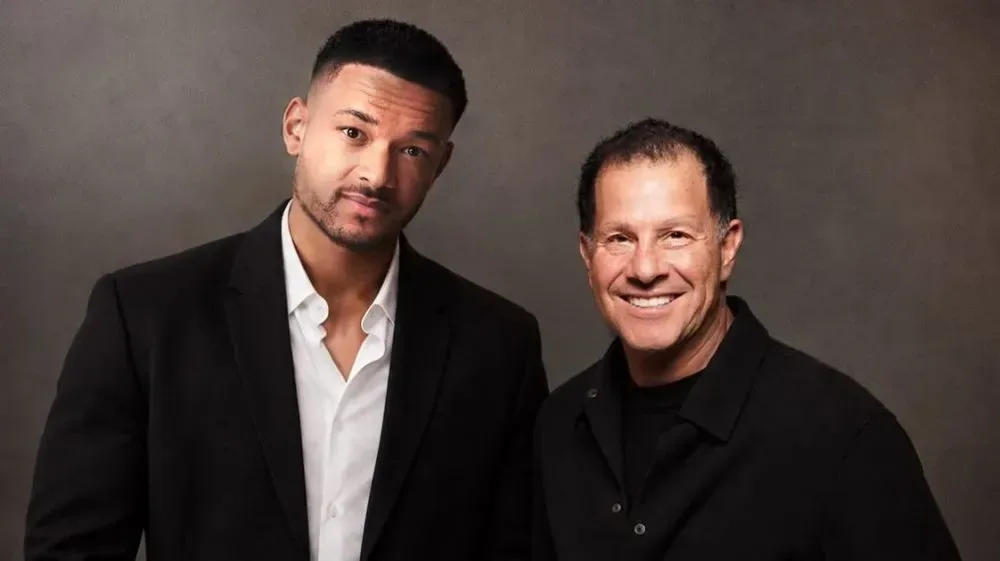
Giliberti’s experience in podcasting informs the company’s description of the problem. He previously worked as a senior executive at Gimlet Media, where he encountered marketers trying to create the right commercial. His assessment was that the process contained substantial friction, and he questioned how it could become as smooth as programmatic advertising.
Programmatic advertising generally refers to ad buying and delivery organized through software rather than handled entirely through manual, one-off negotiations. Avail expects over time to build toward a system where creators can increasingly negotiate, license, generate and execute campaigns through software—a marketplace-like approach to advertising involving human creators.
That ambition should not be mistaken for a claim that creator advertising already works exactly like conventional programmatic buying. It does not, based on the description here. The stated direction is to make parts of the transaction more software-driven. The difficult components remain highly personal: what a creator will endorse, which claims they accept, and the ways their identity can appear.
In other words, programmatic efficiency may help with the transaction, but it cannot erase the reason a creator is involved. Their name, presence and audience relationship are the asset being licensed. If a system makes approvals or permissions too broad, it risks weakening the authenticity it is supposed to protect. If it requires highly granular negotiation for every variation, it may fail to reduce the friction that prompted the platform in the first place.
This is why the boundaries are not a peripheral feature. They are the product’s core proposition. The more precisely a creator can define permitted and prohibited uses, the more plausible it is that software can scale work without flattening the creator’s identity into generic ad inventory.
The creator economy’s scaling problem
The business case arrives amid expectations of continued creator-economy expansion. A Goldman Sachs estimate published in 2023 projected the sector would grow from $250 billion at the time to $480 billion by 2027. That estimate is a forecast, not a settled outcome, but it conveys why platforms and marketers are looking for systems that can support a much larger volume of creator-led commercial activity.
Creators occupy an awkward position in that growth story. Their appeal comes partly from being people audiences choose to follow, often outside traditional media structures. But growth can create pressure to accept more sponsorship work, make more versions of a campaign and accommodate more brand demands. Done poorly, that can damage the very bond that makes the endorsement useful.
Avail’s plan is an effort to address that contradiction. It suggests that scaling creator advertising need not require an endless increase in a creator’s production labor, nor a move to purely invented spokespeople. Instead, a real creator’s approved presence could be licensed for a greater number of ad variations.
Whether that becomes a durable model will depend on details that remain unaddressed: how narrowly licenses are written, how campaigns are reviewed, how brands respect the set limits, and how viewers understand what they are watching. Yet the premise is clear enough. The next stage of creator marketing may not be about choosing between a wholly manual human process and a wholly synthetic feed. It may be about constructing systems where real people can grant limited, legible permission for their public selves to work at advertising speed.
That sits within a wider industry argument about platforms, software and the value of personal attention. As other digital-marketplace questions continue to put terms and conditions under scrutiny, the fine print remains central to how consumers and partners judge a deal. For creatorAPI, the equivalent fine print is likely to be the entire point: not just who can use a face and voice, but for what, in which form, and under whose continuing control.