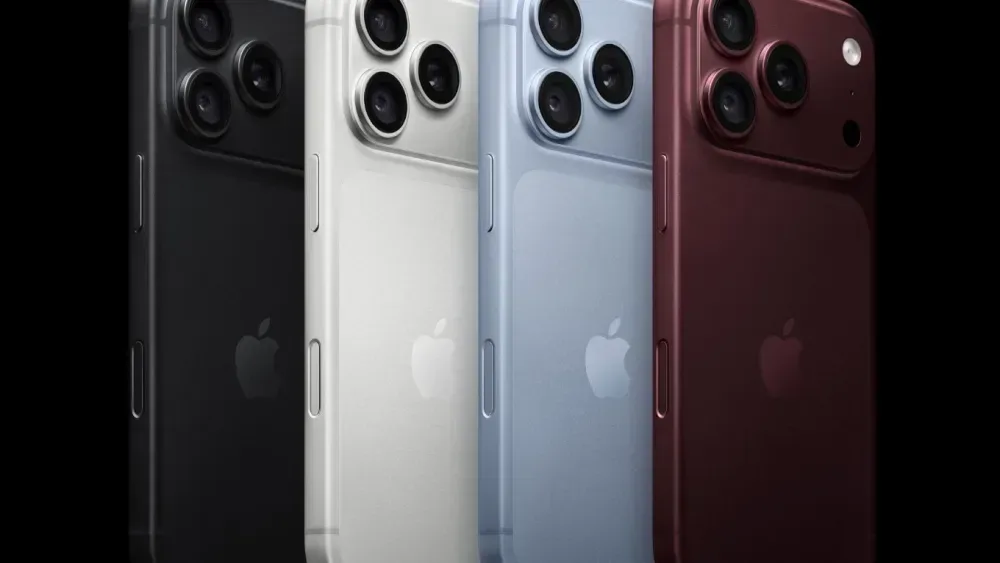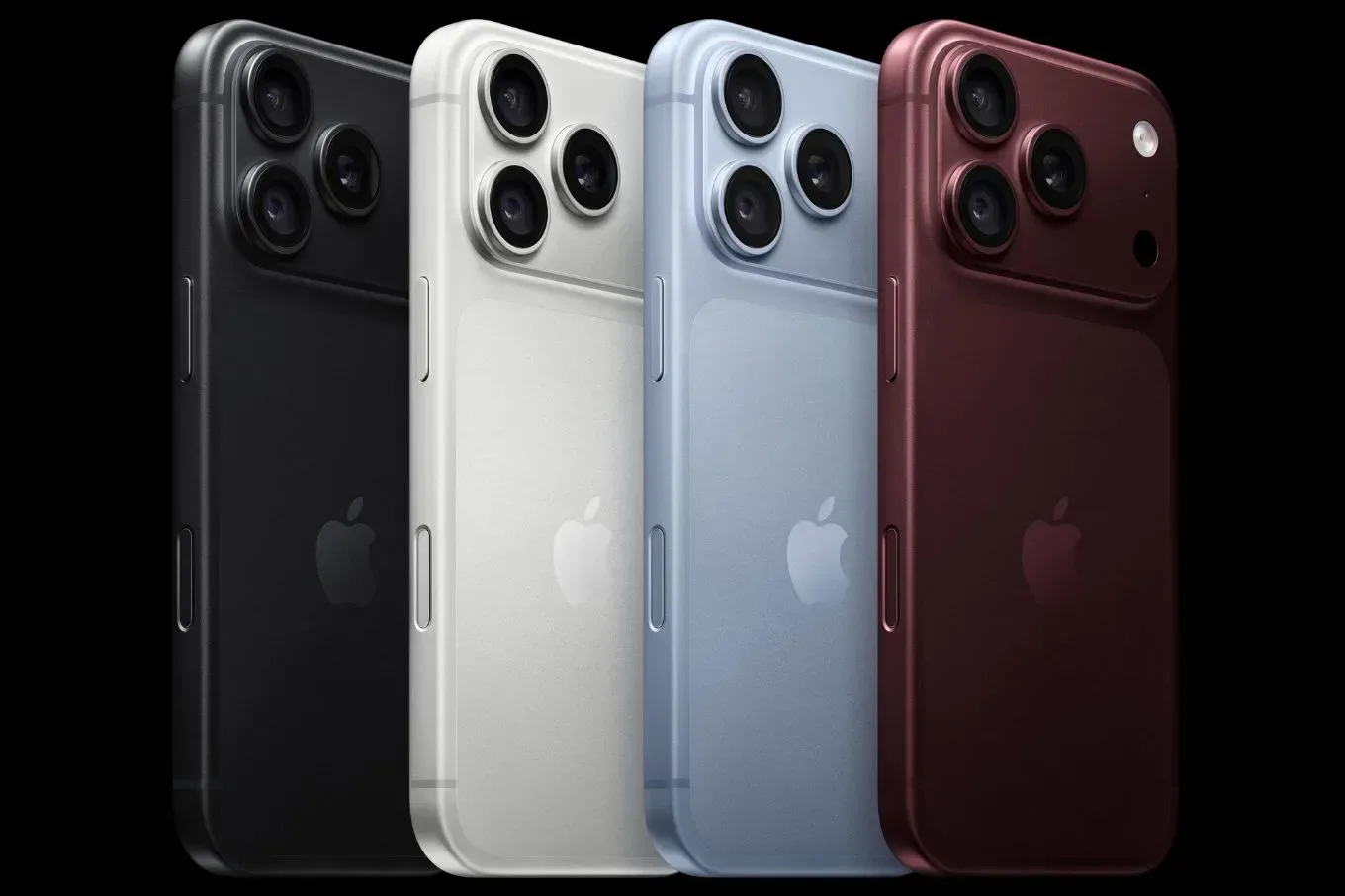
T-Mobile is positioning its latest new-customer promotion around Apple’s iPhone 18 Pro family, with an “iPhone 18 Pro On Us” offer and savings of up to $1,200 on the iPhone 18 Pro Max. The two phones are slated to arrive Friday, September 18.
That is a deliberately simple headline: a current flagship phone, presented as included with a carrier switch. But a smart purchase decision requires separating the confirmed offer headline from the information a shopper still needs before moving a number, selecting a plan, and committing to a new mobile arrangement.
The supplied promotion details do not specify the qualifying plan, trade-in requirements, payment duration, method by which credits are issued, taxes or fees, or every eligibility condition. Those missing details do not make the offer less real; they do mean “on us” should be read as the name of a promotion rather than as a complete description of its cost. Prospective switchers should review the current offer terms directly before treating a headline saving as their final out-of-pocket result.
What T-Mobile is offering
The promotion is aimed at new T-Mobile customers. Its stated headline benefit is an iPhone 18 Pro “On Us,” alongside savings of up to $1,200 on an iPhone 18 Pro Max. “Up to” is important language: it describes a maximum potential discount, not necessarily the amount every applicant will receive.
For anyone comparing carriers, the more useful question is not simply whether a discount exists. It is which version of the offer applies to a particular line, phone configuration, and account situation. A customer bringing a number from another provider may have a different set of requirements from an existing customer adding a line, and the provided material only identifies new customers as the intended group.
There is also a practical distinction between the two phones in the wording. The iPhone 18 Pro is presented as the device available through the “On Us” promotion. The iPhone 18 Pro Max is described as eligible for savings of up to $1,200. Shoppers should not assume that the same conditions, final balance, or discount mechanics apply to both models merely because they share the Pro name.
The iPhone 18 Pro hardware, explained
Apple’s iPhone 18 Pro is described with a 6.3-inch Super Retina XDR display supporting ProMotion and Always-On functionality, an aluminum unibody design, and the A20 Pro chip. Those specifications point toward a phone built for people who spend significant time viewing video, taking photos, creating content, or playing graphically demanding games—but the names deserve a little translation.
Display terms are more than branding
Super Retina XDR is Apple’s display branding. In ordinary use, the key takeaway is that this is the screen specification associated with the Pro model, not merely a larger panel added to a basic handset.
ProMotion refers to the display’s ability to vary its refresh behavior. Refresh rate is how frequently a screen updates an image. It matters most when scrolling, moving through interfaces, and displaying rapid on-screen action. The supplied information does not state a specific refresh-rate number, so comparisons should stay at that level rather than attach an unsupported figure.
Always-On describes a mode that can keep select information visible while the phone is otherwise idle. For a buyer, that can make quick glances at time and notifications more convenient. It also means that display features should be considered as part of the complete battery-use equation, rather than judged in isolation.
Camera changes aim at flexibility
The iPhone 18 Pro’s rear camera system is described as a 48-megapixel Fusion main setup with variable aperture and 8x optical-quality zoom. It also has an 18-megapixel Center Stage front camera and a Smart Group Selfies feature.
A variable aperture is a camera capability that changes the opening through which light reaches the sensor. In broad terms, aperture influences light intake and can affect the visual separation between a subject and its background. Its presence suggests the main camera is being positioned as more flexible than a system with one fixed aperture, although real-world results will naturally depend on the scene and how the feature is implemented.
Optical-quality zoom is wording that should not be confused with a blanket promise that every zoom level is equivalent to a separate optical lens. The confirmed claim here is 8x optical-quality zoom. For shoppers, it means Apple is emphasizing more usable reach for distant subjects than a simple digital enlargement, where software merely expands an image. Anyone whose purchase rests on a particular focal length or professional workflow should consult the complete camera specifications when they become available.
On the front, Center Stage is associated with keeping people framed more effectively during camera use. The mention of Smart Group Selfies similarly signals an effort to make the front camera more accommodating when more than one person is in shot. These features may be more relevant to frequent video callers and social photographers than to someone who primarily uses their phone for messaging.
Battery and charging claims: how to read them
Apple says the iPhone 18 Pro can provide up to 13 additional hours of video playback, and can reach up to 50% charge in roughly 15 minutes when using a compatible charging adapter. Both claims contain meaningful qualifiers.
“Up to” identifies a best-case ceiling under the company’s stated test conditions, not a promise that every individual will see the same endurance. Battery results change with signal conditions, display use, apps, camera activity, streaming, temperature, and countless other day-to-day variables. The claim still provides a useful sense of Apple’s direction: video-playback longevity is a stated priority for this generation.
The charging statement is conditional too. A compatible adapter is required, but the provided information does not identify which adapter is needed or say whether it is included. A buyer who is counting on the 15-minute claim should confirm compatibility rather than assuming every charging brick already in the house will produce that result.
For mobile gaming and media, battery and network capacity work together. A powerful phone cannot eliminate the power demands of extended video playback, downloads, cloud saves, multiplayer sessions, or tethering. The more meaningful upgrade question is therefore personal: does the buyer regularly hit battery limits, need faster top-ups between commitments, or rely on mobile data for entertainment away from Wi-Fi?
AI and the A20 Pro: what has actually been stated
The A20 Pro is identified as the iPhone 18 Pro’s chip, while Siri is described as gaining more expressive voices and systemwide dictation. Systemwide dictation means voice-to-text input is intended to work across the device’s software environment rather than being restricted to a single app. For accessibility, messaging, note-taking, and search, that could be a more tangible change than a vague promise of artificial intelligence.
It is worth keeping the confirmed scope in view. The supplied details establish the named chip and the Siri improvements, but they do not provide benchmark results, a complete list of AI features, compatibility limits, or a comparison with earlier iPhones. The responsible conclusion is that Apple is foregrounding voice interaction and dictation as part of the iPhone 18 Pro package—not that every possible AI claim has been independently established.
Carrier perks are part of the calculation
T-Mobile is also emphasizing plan-related extras: access to Netflix and Hulu, Apple TV for $3 per month rather than its stated regular $14.99 monthly price, 12 months of around-the-clock AAA roadside assistance, and DoorDash DashPass at no additional cost. These benefits can have genuine value, but only if a household already uses them or would otherwise pay for them.
The Netflix inclusion is notable for entertainment-focused customers, particularly at a time when the service continues to build a wide range of scripted and unscripted programming; one recent example is Netflix’s forthcoming The Murder of JonBenét Ramsey. Yet a bundled service is not automatically a saving for someone who does not watch it, already receives it through another household arrangement, or needs a different plan tier than the one included.
The same test applies to roadside assistance and DashPass. Their value is individualized. Someone who drives frequently may care about the AAA benefit; a regular delivery customer may prioritize DashPass; another household may place little value on either. The point is to calculate benefits as used value, not as the sum of every advertised retail price.
T-Mobile also cites an award describing it as the Best Mobile Network in the U.S., based on Ookla’s analysis of Speedtest Intelligence data for the first half of 2026. Network awards can be a useful starting signal, but mobile performance remains highly local. Coverage and congestion can vary by neighborhood, workplace, commute, building materials, and the places where a customer actually uses data. A national distinction is not a substitute for checking service where it matters most.
A practical pre-switch checklist
Before moving to a new carrier for the iPhone 18 Pro offer, shoppers should approach the decision as a service purchase first and a handset promotion second. The available facts support the phone’s feature set and the headline savings; the remaining work is matching those claims to an individual account.
- Confirm new-customer eligibility. The promotion is framed for new customers, so verify whether the intended account and lines qualify.
- Ask what produces the advertised savings. Establish whether any trade-in, port-in, plan selection, financing arrangement, or other condition is required. The supplied information does not spell this out.
- Separate the Pro and Pro Max offers. “On Us” for iPhone 18 Pro and up to $1,200 off iPhone 18 Pro Max are not identical statements.
- Verify the total monthly service cost. Compare the plan that qualifies with the plan currently being paid for, rather than comparing a phone discount with an unrelated service tier.
- Value perks realistically. Count Netflix, Hulu, discounted Apple TV, AAA roadside assistance, and DashPass only where they replace spending the household would genuinely make.
- Check coverage in routine locations. Home, work, school, travel routes, and often-visited venues matter more than a broad national ranking.
- Confirm charging needs. The fastest stated charge result requires a compatible adapter, so check what is necessary before budgeting around that convenience.
For shoppers who want a Pro-model iPhone and were already considering a carrier change, T-Mobile’s offer has a clear appeal: it links a flagship handset promotion to a package of entertainment, delivery, and roadside perks. The careful path is to let the headline begin the research, not end it. The meaningful saving is the final combination of phone cost, required service, reliable local coverage, and benefits that will actually be used.