Apple’s lawsuit over pre-release iOS 26 information has moved into a dispute that is less about what appeared in videos and more about what evidence should be handed over next. Apple says Jon Prosser has yet to provide requested YouTube revenue reports, channel analytics and communications with third parties. Prosser’s attorney counters that the required discovery has already been completed and that Apple is expanding its requests as additional records are produced.
The disagreement matters because Apple’s claims include an allegation that confidential software information was obtained and disclosed for financial gain. Prosser, meanwhile, is challenging both the characterization of the information as trade secrets and the need for more material about his channel. The joint status report also shows co-defendant Michael Ramacciotti seeking a clearer, separate route toward either dismissal or trial.
What Apple says it still needs
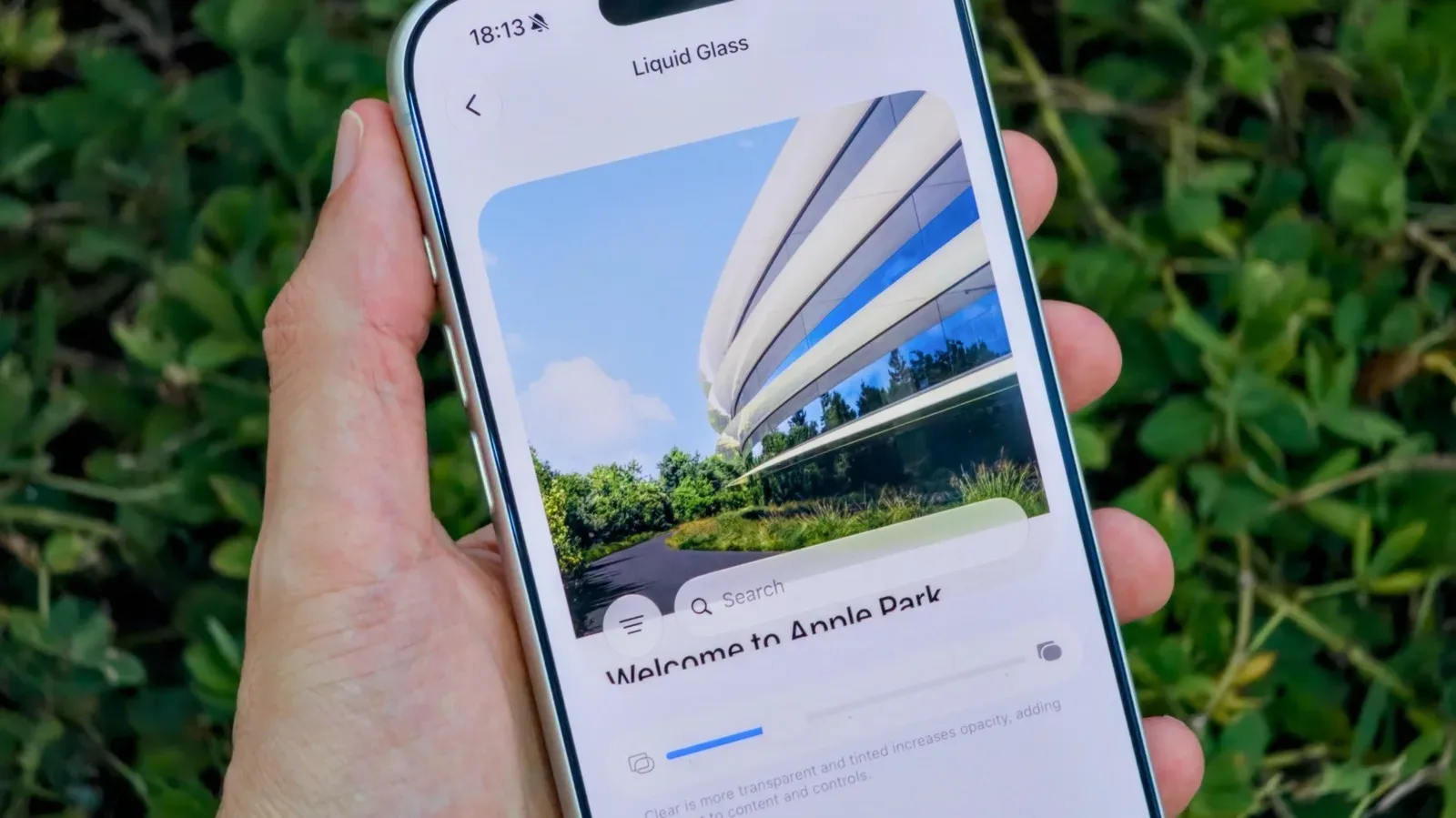
Apple filed suit in July 2025 against Prosser and Ramacciotti. It alleges that the two coordinated to gain access to an Apple employee’s development iPhone and profited from unreleased software information. Before Apple’s announcement, Prosser published videos with recreations of iOS 26’s Liquid Glass redesign. Apple is pursuing damages and an injunction intended to prevent further disclosure of the alleged trade secrets.
In the latest filing, Apple says it has been waiting for three broad groups of records for more than three months:
- YouTube revenue reports, which may bear on Apple’s allegation of financial gain;
- Channel analytics, which could show how the relevant videos performed; and
- Third-party communications, which Apple says are relevant to how confidential information was obtained and shared.
Those are not merely housekeeping requests in the context of the claims described in the case. Revenue and viewing data could be used to argue that early disclosure had commercial value. Messages with third parties could be relevant to the disputed sequence of events: who knew what, when they knew it, and whether people acted together. None of that establishes Apple’s allegations on its own. It explains why the requested materials have become a point of contention.
Apple also says testimony from Prosser’s deposition, together with Signal exchanges between Prosser and Ramacciotti, supports its position that the pair coordinated to obtain and disclose confidential information for financial gain. Apple says that evidence conflicts with Ramacciotti’s denial that there was a conspiracy.
Prosser’s position: the alleged secrets are public
Prosser’s lawyer says he has met the discovery obligations the parties agreed to when they sought to set aside a default against him. The attorney’s complaint is not simply that Apple wants particular documents; it is that Apple allegedly asks for more each time a production is made.
Prosser’s defense also attacks a central label in Apple’s case: “trade secret.” His attorney argues that the identified information is now public because iOS 26 and macOS 26 have been released. The attorney further questions whether some of the material was secret at the relevant time, pointing to earlier disclosures by third parties.
That argument requires an important distinction. Information can be publicly known now while the parties still dispute whether it was confidential when it was allegedly accessed or disclosed. The status report does not decide that issue. It records competing positions: Prosser argues the public releases undermine Apple’s trade-secret claims, while Apple continues to pursue its allegations and requested evidence.
Prosser’s attorney additionally says Apple’s written descriptions of its claimed secrets do not include corresponding images, which the defense says makes the claims difficult to evaluate. Apple disputes that its disclosure is inadequate and says it is prepared to discuss the issue with the defendants’ lawyers.
Why the visuals are part of the disagreement
The details matter here because the case concerns software features and visual design work, including the Liquid Glass redesign shown in Prosser’s pre-announcement recreations. A written description may identify a feature or design concept, while images can help illustrate precisely what is alleged to have been confidential. Prosser’s side says the absence of images complicates its ability to assess Apple’s descriptions. Apple rejects the premise that its disclosure falls short.
This is therefore a dispute about definition as well as evidence. Before the parties can efficiently argue whether particular information was improperly obtained, they need workable agreement—or a court ruling—on what information Apple says is covered by its claims. The report indicates that this remains unresolved.
What “discovery” means in this stage of the case
Discovery is the pretrial process in which parties seek evidence from each other. It can include documents, communications, financial records, written responses and sworn questioning. A deposition is sworn testimony given outside the courtroom, typically recorded for use as the case progresses. A joint status report is a filing used to update the court on where the case stands, including disputes that still need attention.
In practical terms, the current fight is about scope and completion. Apple says relevant categories have not been produced. Prosser says the agreed obligations are already satisfied. The court may ultimately need to determine whether more production is appropriate, whether Apple has identified the alleged secrets sufficiently, or whether the parties can narrow the dispute themselves.
For audiences accustomed to following software leaks as a cycle of screenshots, mock-ups and rumor videos, the legal case centers on a more exacting set of questions. The issue is not simply whether a later-announced interface resembled a pre-release recreation. The parties are disputing the alleged origin of the information, the confidentiality attached to it, the degree of coordination involved, and any claimed commercial benefit.
That distinction is especially relevant to platform-based creator businesses. Analytics and revenue reports are ordinarily operational data, but Apple’s request treats them as potential evidence relating to motive and alleged gain. Prosser’s response treats the repeated requests as overreach beyond what was agreed. The filing does not resolve whose characterization is right.
Ramacciotti seeks a separate timetable
Ramacciotti is attempting to keep his own defense from being absorbed into Prosser’s arguments. His lawyer says he is “unwilling to be drawn into” Prosser’s defense. Ramacciotti has asked Judge James Donato to hold an October conference in which Apple would explain what additional evidence it believes it needs.
His proposed sequence is specific: after that explanation, Apple would face a 30-day deadline to either dismiss its claims against him or commit to taking the case to trial. He has also made a second deposition and updated written answers conditional on Apple first supplying what his side describes as a roadmap to resolution.
That request underscores a split in strategy between the defendants. Prosser is contesting the status of the alleged secrets, the adequacy of Apple’s descriptions, and the extent of his document-production obligations. Ramacciotti, while facing Apple’s assertion that the Signal exchanges contradict his denial of a conspiracy, is asking for a defined path that clarifies whether more evidence is genuinely required before the case moves forward.
The prior response remains significant
In his July 2 response to the lawsuit, Prosser admitted that he took part in a FaceTime call during which Ramacciotti showed him features running on the development device. He denied participating in a coordinated scheme and denied that the information he viewed constituted trade secrets.
That combination of admission and denial explains the shape of the present dispute. The FaceTime call itself is not being denied in Prosser’s response as described in the filing. What remains disputed is the legal and factual meaning of the interaction: whether it was part of a coordinated effort, whether the information qualified as protected confidential material, and whether disclosure generated the financial benefit Apple alleges.
Apple’s interest in communications and YouTube-related records fits those live questions. Prosser’s effort to characterize the alleged material as public—and potentially already exposed by others—aims at the opposite side of the same dispute. Both positions are arguments, not findings by the court.
What comes next
Judge Donato has been asked to consider an October status conference for Ramacciotti’s requested process. If the court does not grant that conference, the parties plan to provide their next update on December 2.
There is no reported ruling here on Apple’s trade-secret allegations, on whether Prosser must produce the requested YouTube information, or on Ramacciotti’s proposed timetable. The immediate takeaway is narrower: the case remains in a discovery conflict, with Apple pressing for data it says is relevant to financial gain and coordination, and the defense challenging both the continuing demands and the underlying secrecy of the information at issue.
For more Apple-related industry coverage, see our report on the reported Apple Home event plans.