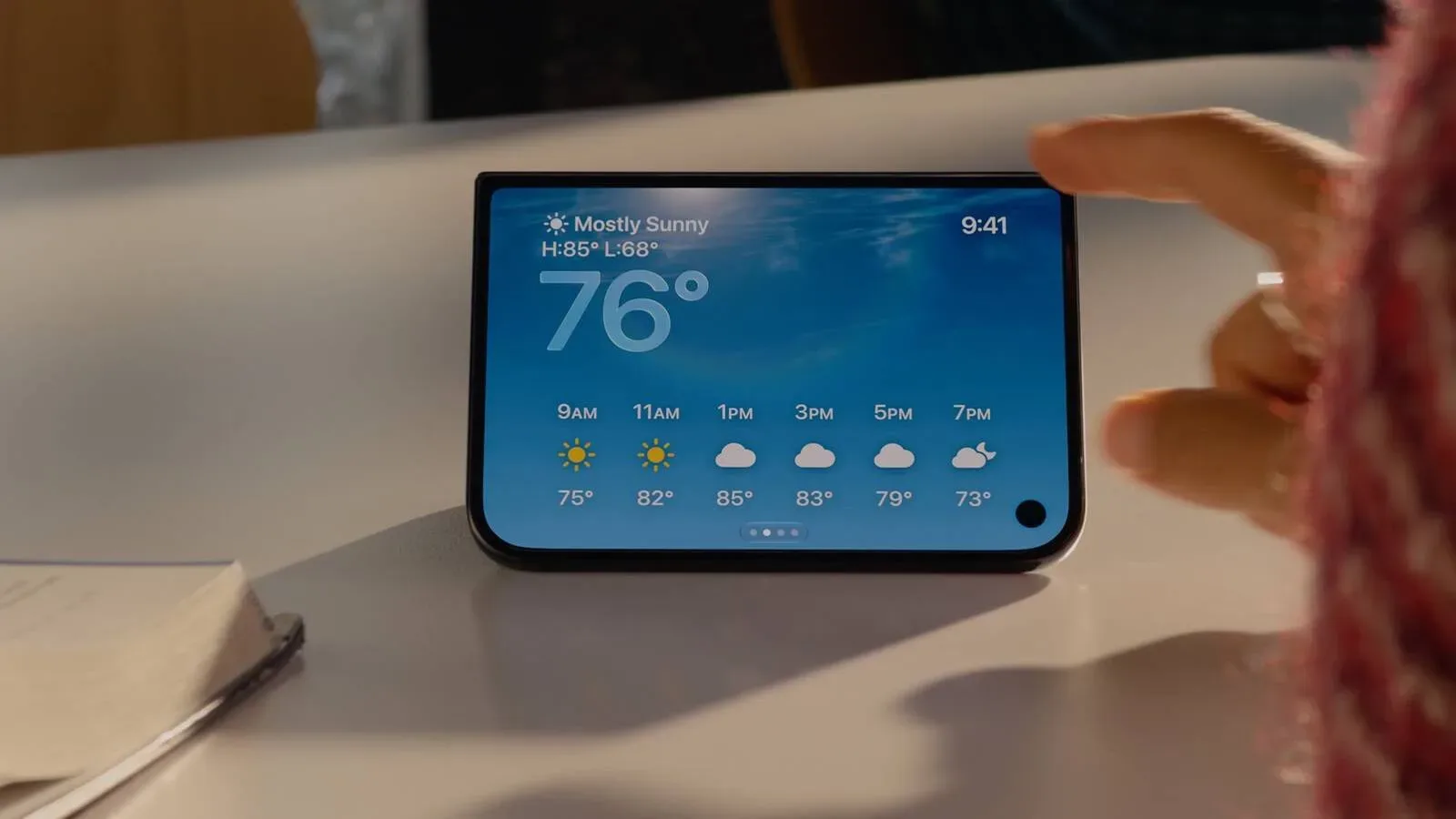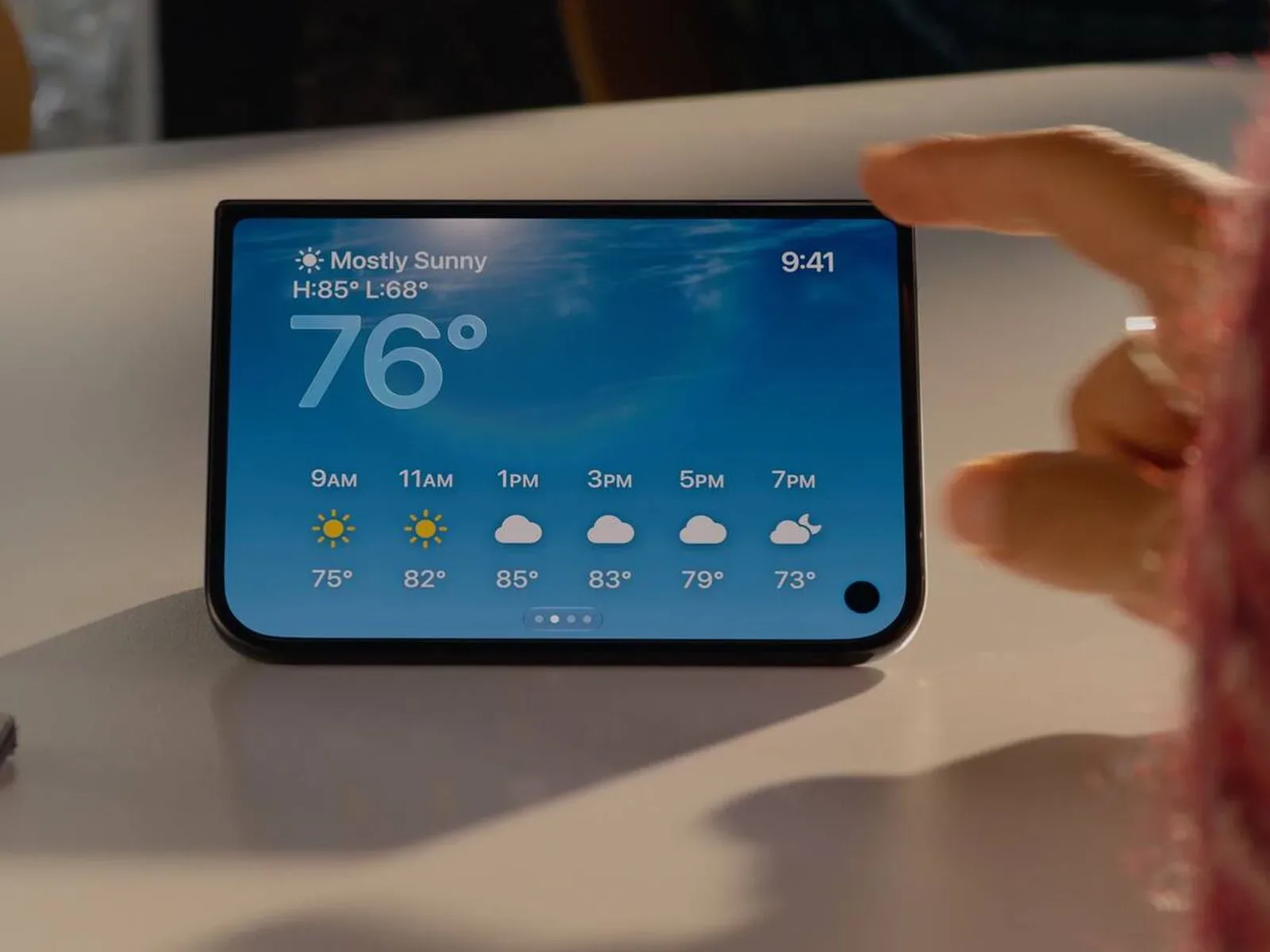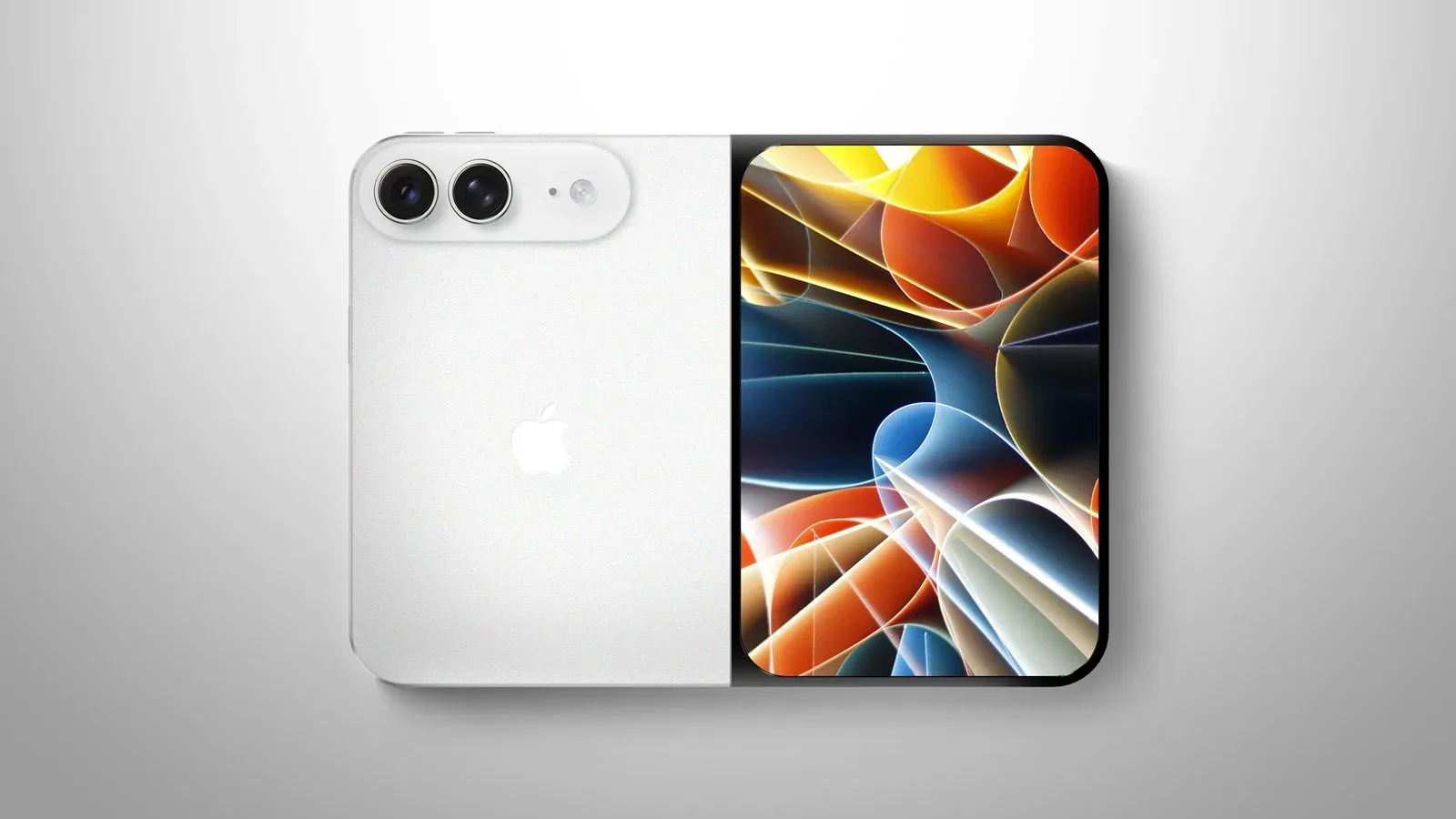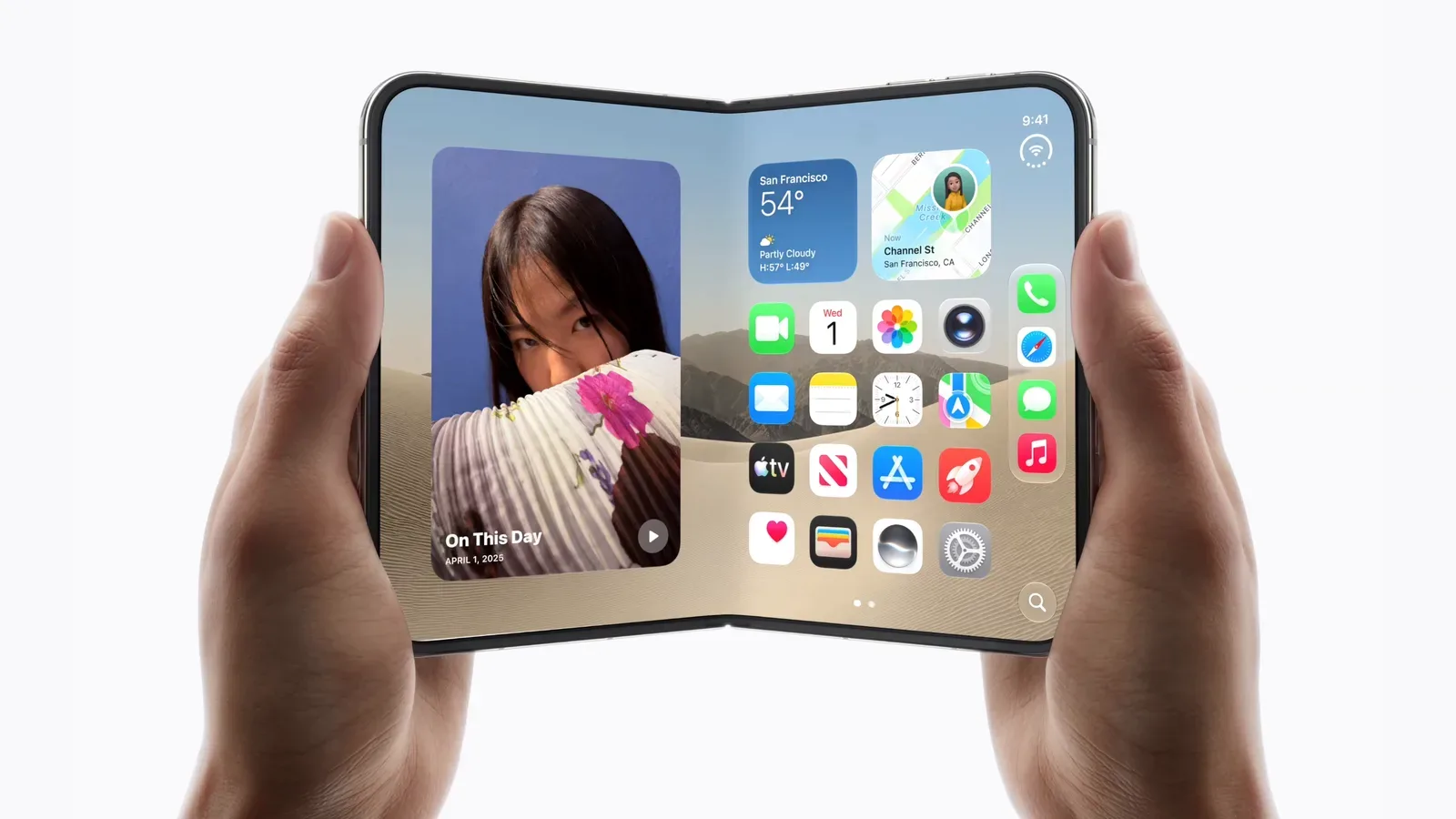
Foldable phones have a familiar party trick: they turn one screen into two shapes. They also have a familiar unwanted guest: the crease, waiting in the middle like a tiny geological feature that nobody invited. Apple’s upcoming iPhone Duo is entering that conversation with a specific design choice and an unusually direct challenge from its hardware engineering team.
Tom Marieb, Apple’s vice president of hardware engineering, said the iPhone Duo’s matte nano-texture display is intended to reduce glare while also making the central fold less conspicuous, including as the device ages. More notably, he invited customers to judge that claim for themselves: “Hold us accountable to that, please.”
It is a concise statement, but it puts the focus on a question that matters far beyond the first minutes of opening a new device. A foldable can look pristine at launch; the more meaningful test is whether the screen and hinge still look and feel convincing after repeated opening, closing, and use in different positions. Apple is explicitly tying the iPhone Duo’s matte finish to that longer-term perception.
Why a matte display matters to a foldable crease
The iPhone Duo uses a matte nano-texture display. In Apple’s explanation, the finish serves two linked purposes: cutting down on glare and reducing how readily the eye picks up changes in the display surface around the hinge.
Marieb referred to the issue as “specularity,” a technical term for the sharp, mirror-like way a glossy surface reflects light. On a glossy screen, a bright lamp, window, or overhead light can create strong reflections. If the surface is not perfectly flat, those reflected shapes can bend, break, or shift. That can make even a modest physical contour easier to notice.
A matte surface scatters reflected light rather than producing the same clean, mirror-like reflection. The immediate practical benefit is less glare. Apple’s larger argument is that this scattering also makes subtle differences in the screen’s topology—that is, the physical contours and shape of its surface—less visually pronounced. Put plainly: if reflections are less crisp, the fold line may be less eager to announce itself whenever the lighting changes.
That is not the same thing as saying the crease cannot exist, or that a finish alone solves every durability question associated with a foldable display. The company’s point is narrower and more practical. A matte finish can be more forgiving when the hinge and display change through ordinary use over time, because it does not emphasize surface variation as strongly as a glossy panel might.
For prospective buyers, that distinction is important. “Less visible” is a claim about what users see, especially under real-world lighting, rather than a claim that the screen has no fold line at all. It also means the eventual judgment will depend on several situations: viewing the panel straight on, looking at it from an angle, using it indoors near bright lights, and checking it after the device has been opened and closed extensively.
The hinge is the other half of the promise
Marieb also put considerable emphasis on the iPhone Duo hinge, calling it an area of which he was especially proud. Apple wanted a mechanism that was durable and that felt solid when users opened and closed the phone. The desired sensation was deliberately compared to the closing of a high-end automobile door: a controlled, confidence-building action rather than something loose or flimsy.
That brings in another term: torque profile. Torque is rotational force. In a hinge, it affects how much resistance a person feels while moving one half relative to the other. A torque profile describes how that resistance behaves over the course of the movement rather than at only one point.
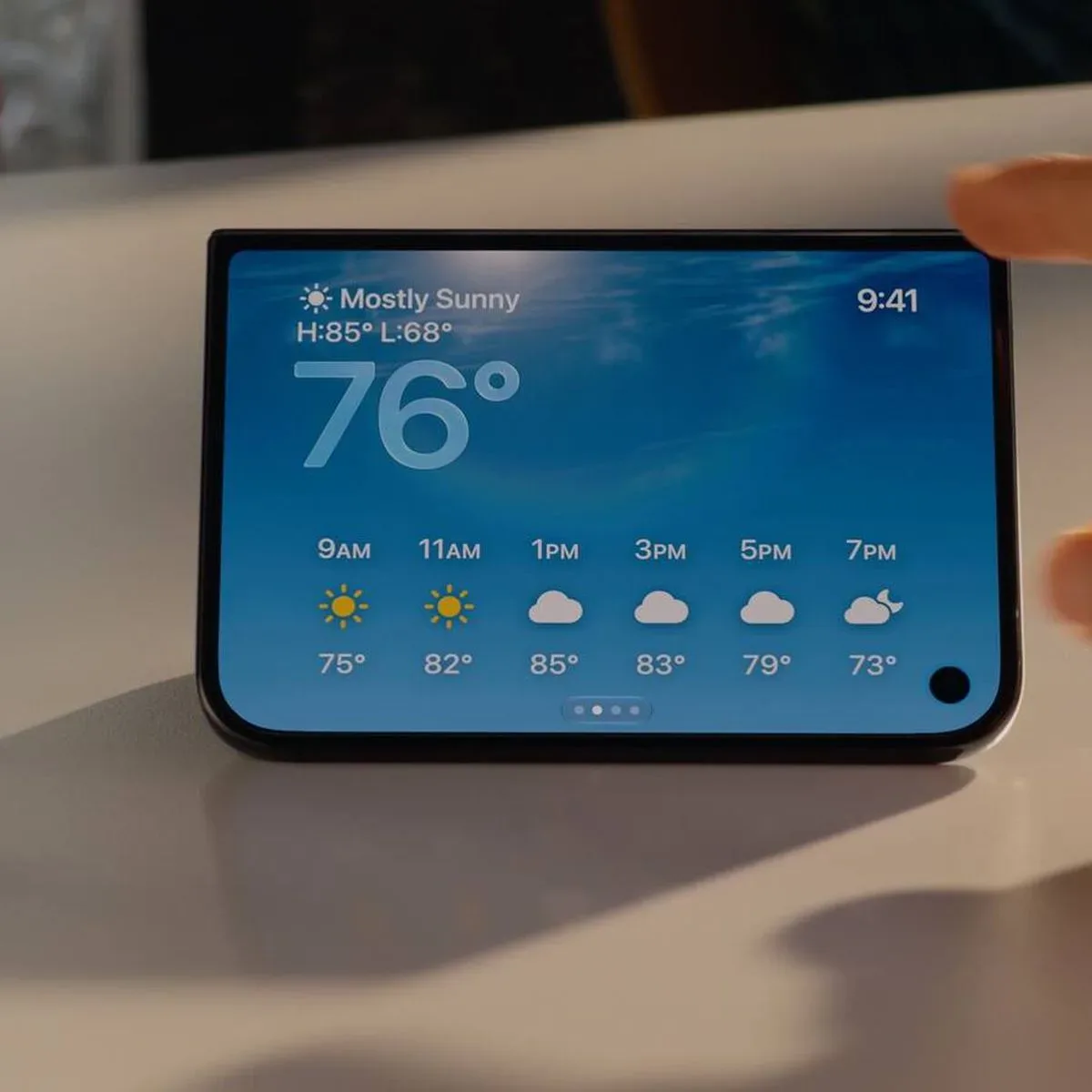
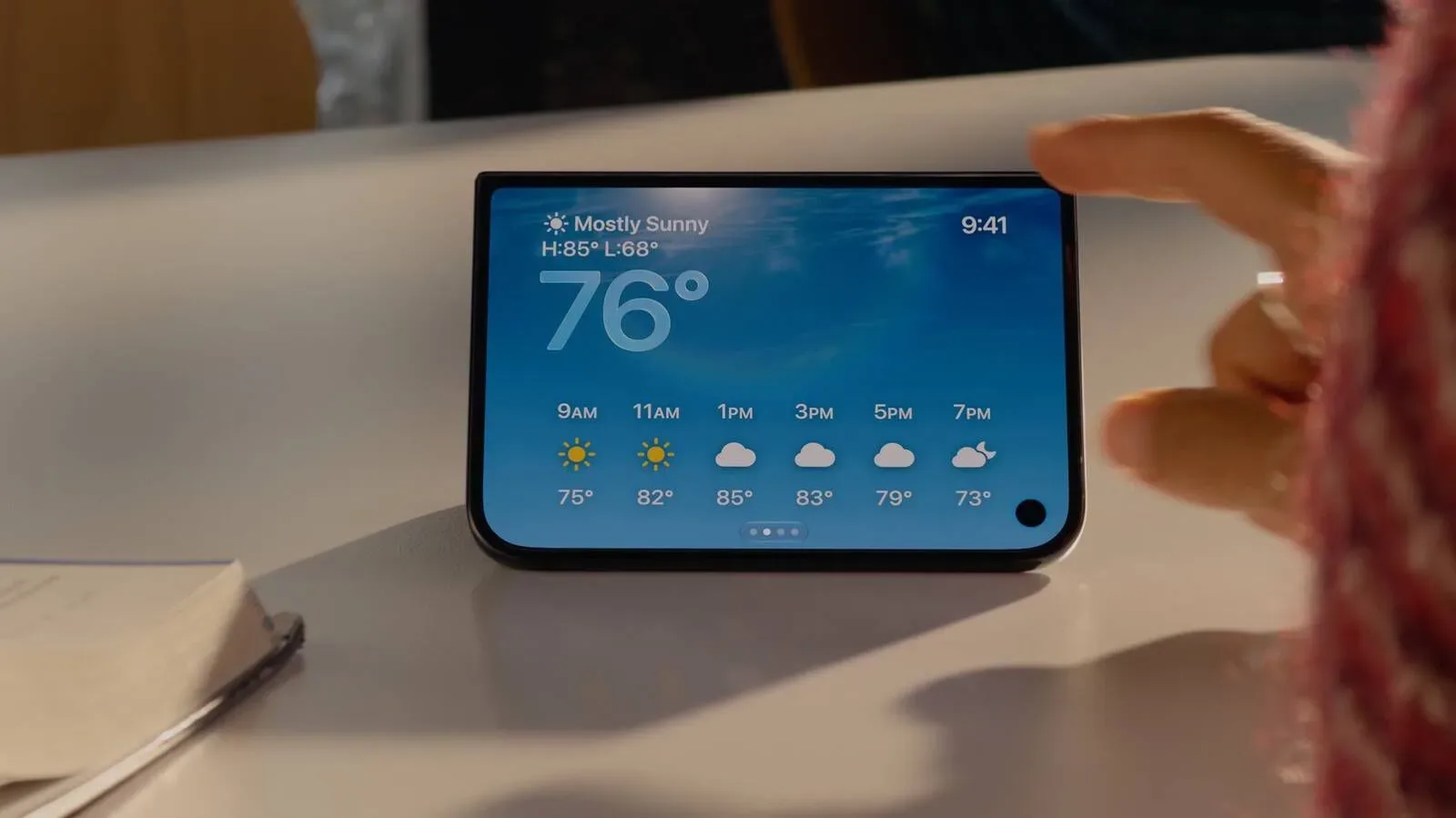
For a foldable phone, getting this right is not merely about making a satisfying closing sound or avoiding the dreaded “floppy” feeling. The resistance has to support the device across multiple states. Marieb said the finished hinge allows the iPhone Duo to be used open, closed, and partially folded in seated and standing modes.
Those positions make the hinge a functional component, not simply the mechanism that permits storage. A device that can remain stable while partially folded can be placed on a surface in a way a conventional slab phone cannot. But that flexibility also raises the standard for the mechanism: it has to move smoothly, remain where it is positioned, and still feel secure through normal handling.
Apple says it spent significant effort refining the mechanical properties that shape that behavior. The company’s stated design goal was to give people reassurance that the phone is carefully built and safe to use, rather than making them nervous each time they reposition it. That emphasis acknowledges a central foldable challenge: users interact with the moving part constantly, so its feel becomes inseparable from their sense of product quality.
A public standard is still a standard
The request to “hold us accountable” gives the iPhone Duo’s crease discussion a more concrete standard than a broad promise of premium construction. Apple is asking people to assess whether the matte nano-texture treatment actually remains forgiving of hinge-related changes over time.
There are two separate questions wrapped up in that standard:
- Visibility: Does the crease stay unobtrusive in normal viewing, especially under lighting conditions that would make a glossy panel reveal surface contours?
- Mechanical behavior: Does the hinge retain its intended resistance and stability across open, closed, and partially folded use?
The first is chiefly about the screen’s visual presentation. The second is about moving hardware. They are connected, however, because the hinge and the foldable display meet at the same highly scrutinized center line. A hinge that changes with age could affect the visual behavior Apple says the matte finish is meant to soften. That is why Marieb’s comments frame the finish as part of the equation, rather than presenting it as an isolated aesthetic choice.
It is also why the company’s language should be read as a design rationale, not as a substitute for long-term evidence. Apple has described what it optimized for and why. The actual accountability test comes after devices are in people’s hands and have accumulated use.
What prospective buyers should take from the pitch
The iPhone Duo is scheduled for pre-order on October 16, with launch set for October 23. Pricing starts at $1,999. At that entry price, the difference between a visually elegant foldable and a merely expensive novelty will rest heavily on details users encounter every day: glare, reflections, the central crease, and the physical confidence of the hinge.
Apple’s presentation suggests that the display finish should be evaluated as more than a cosmetic preference. Matte panels can change the experience of bright environments by suppressing reflections, but Apple is also positioning the finish as a practical way to make the folding architecture less visually intrusive. Someone who usually prefers glossy displays for their reflective look will have a different tradeoff to consider here: the company is prioritizing reduced glare and a less reflection-sensitive view of the screen’s fold.
The hinge description points to a second buyer consideration. People interested in using a foldable partly open, resting on a surface, will want to pay attention to how assuredly the mechanism holds intermediate angles. That is exactly the behavior Apple says it tuned through its torque work. The best-case version of this approach is a hinge that feels purposeful rather than over-tight, loose, or unpredictable.
None of this answers every question surrounding a new device. The supplied details do not establish a specific durability rating, quantify crease depth, or describe the materials and testing behind the hinge. Marieb also discussed Ceramic Shield 2 and expressed dislike for screen protectors, but no further product specifics were provided. Those are areas where buyers will need clearer information before treating broad engineering intent as a complete picture.
Why this matters outside the phone aisle
For players, creators, and anyone accustomed to judging hardware by daily feel rather than a spec-sheet parade, this is a familiar proposition. A device’s most important quality can be the part that disappears during use: the controller stick that returns reliably to center, the handheld hinge that does not make a user hesitate, or the screen treatment that prevents ambient light from becoming an accidental co-star.
That same hardware expectation regularly reaches games industry coverage, including discussions around studios taking on unfamiliar technical challenges, such as Playground’s move from racing expertise toward Fable. The connection is not that phones and games are the same product. It is that high expectations become most demanding when a company asks customers to trust it in a new or more complex category.
With the iPhone Duo, Apple’s engineering message is clear: the foldable’s crease should be less distracting because the screen is matte, and the hinge should feel carefully controlled rather than floppy. It is a sensible pair of priorities for a device whose defining feature is a screen that bends and a mechanism that moves every time it is used. The company has also made the eventual test plain. Watch the crease, use the hinge, and judge whether the hardware keeps its promise.