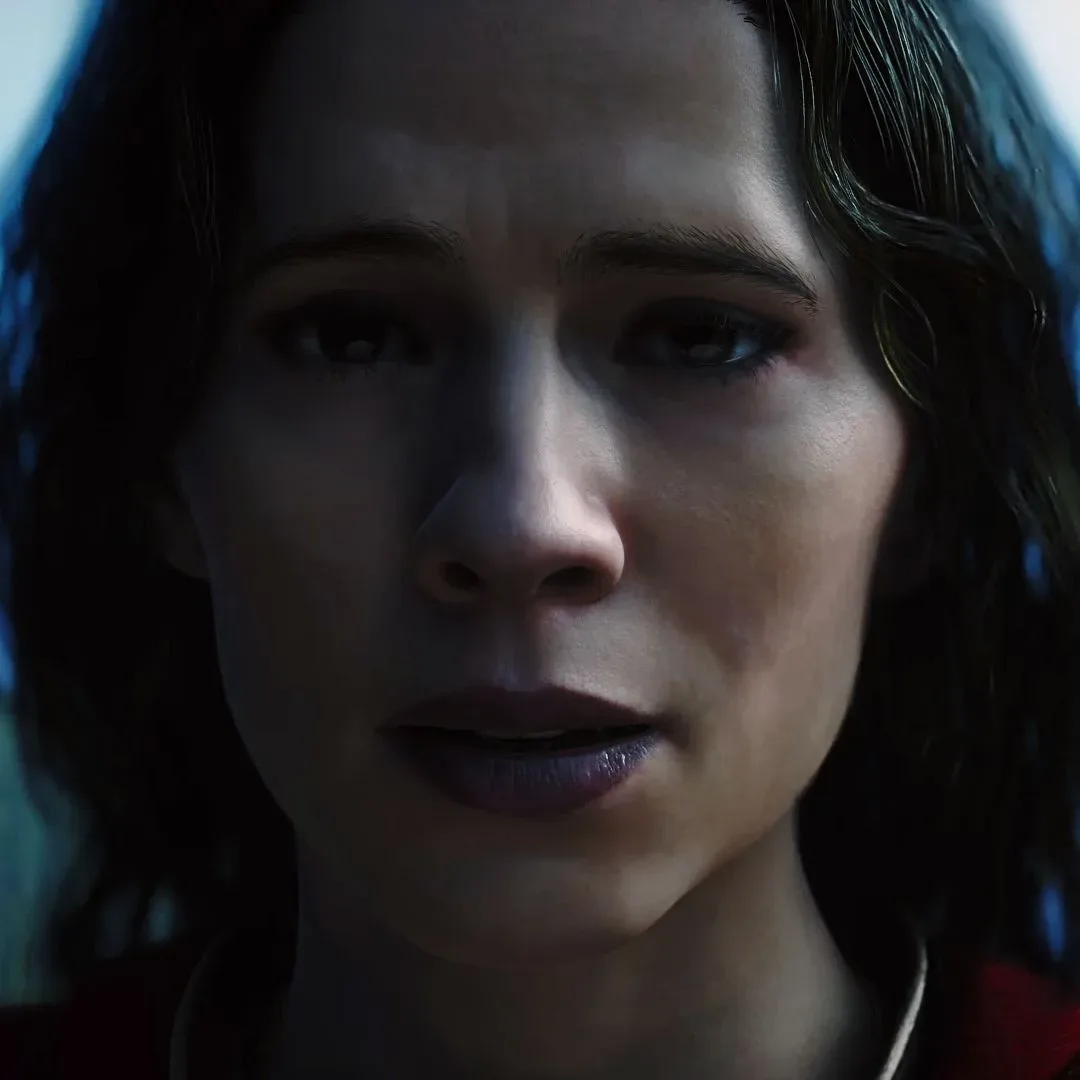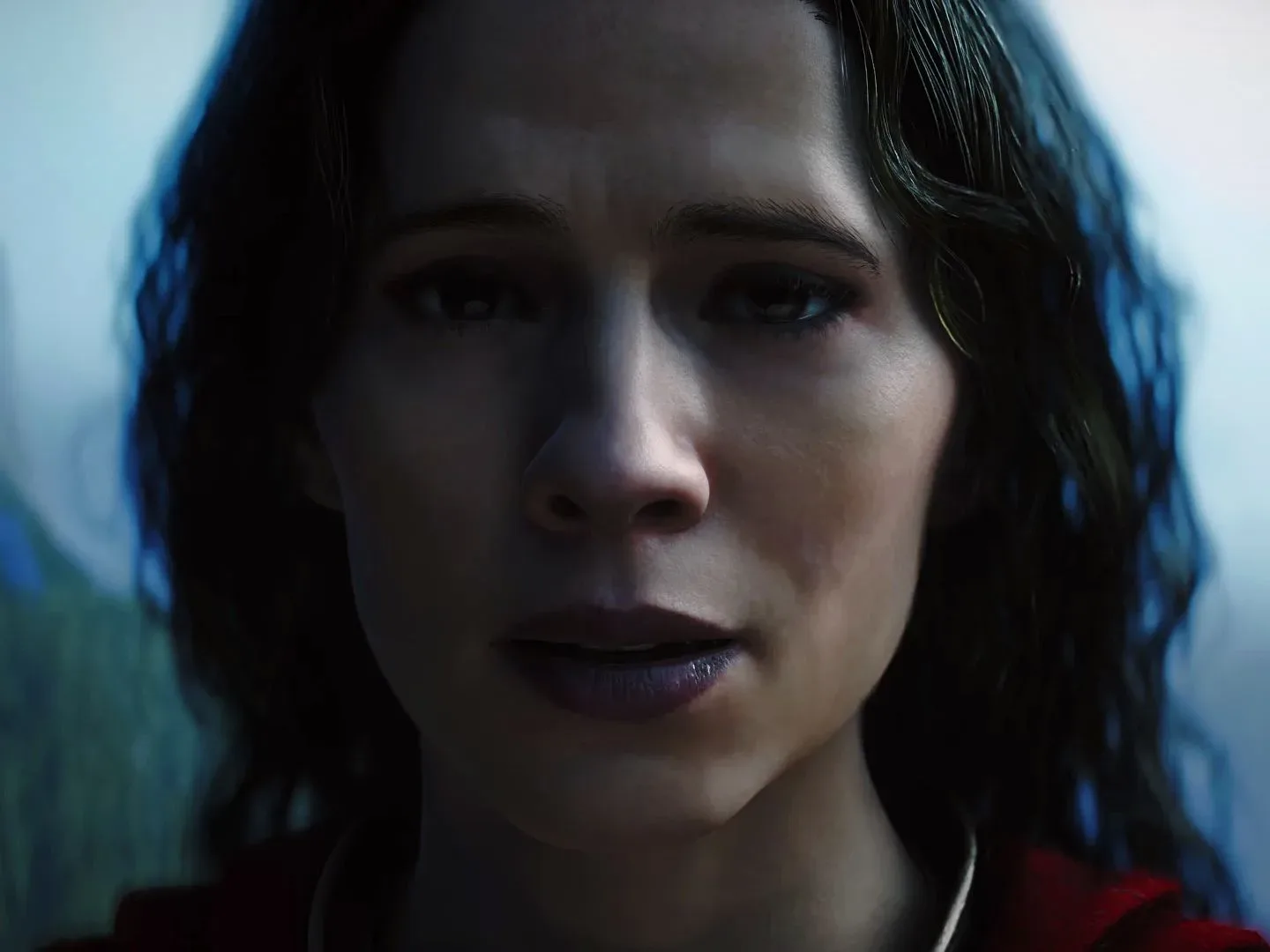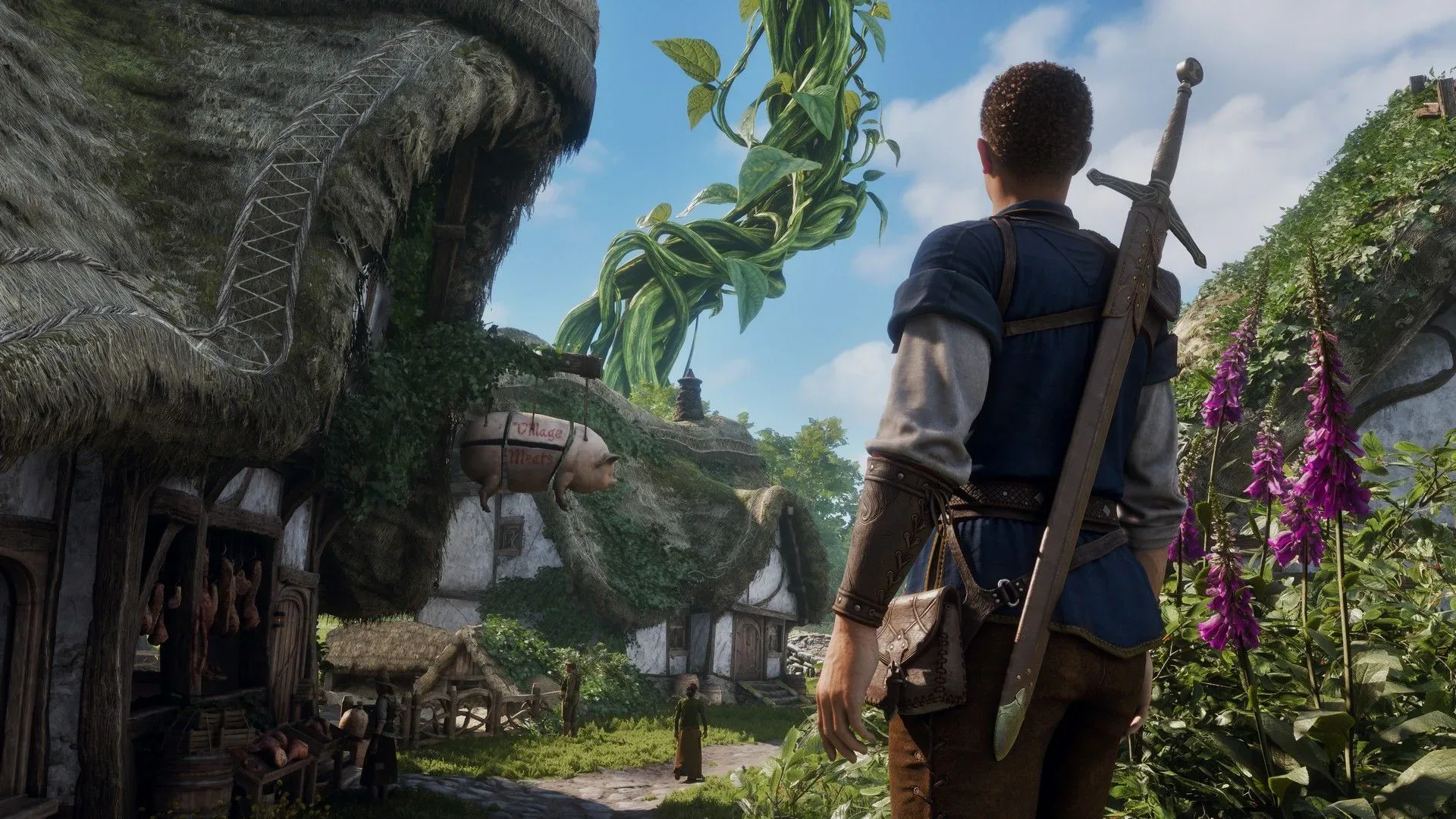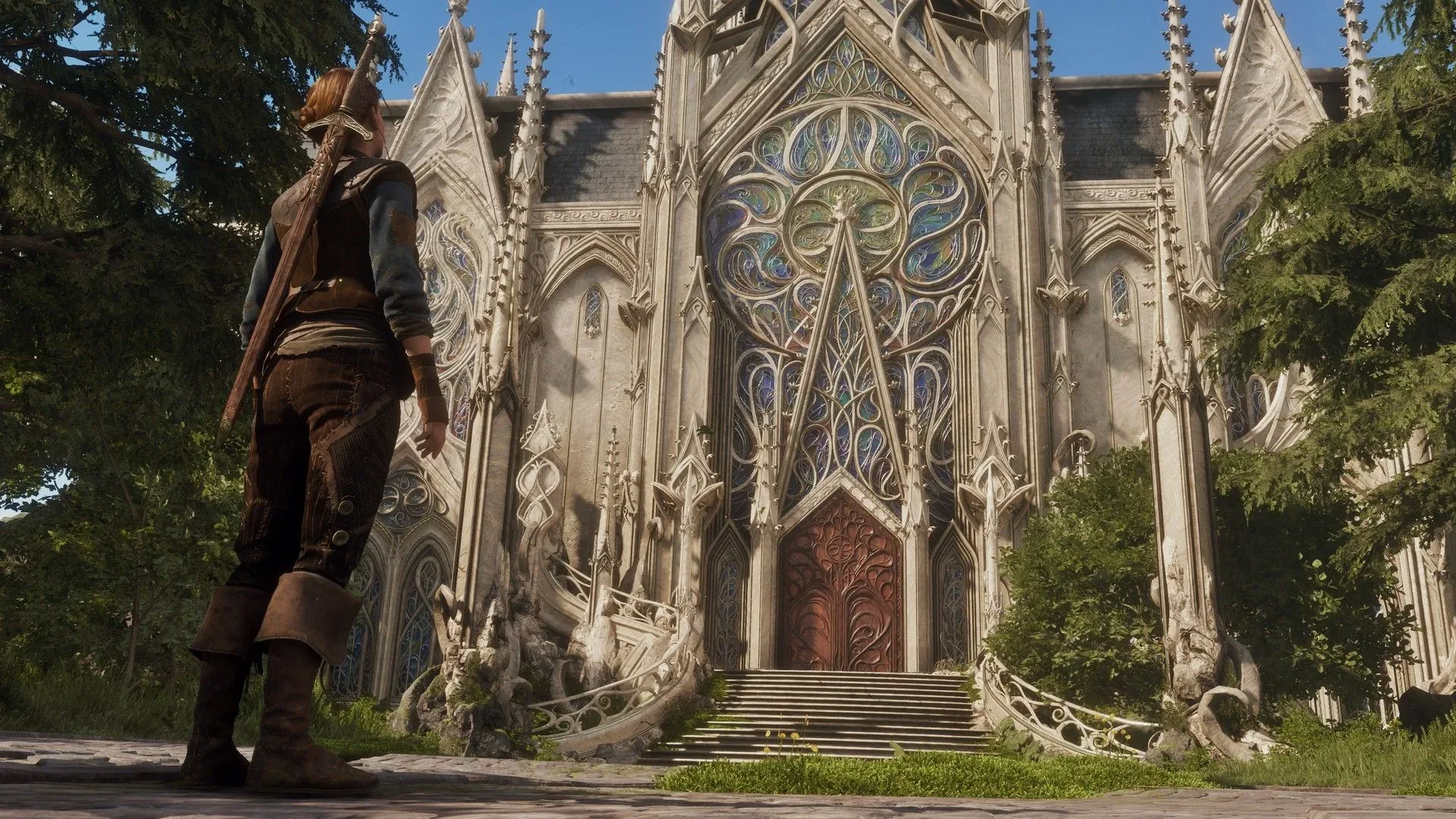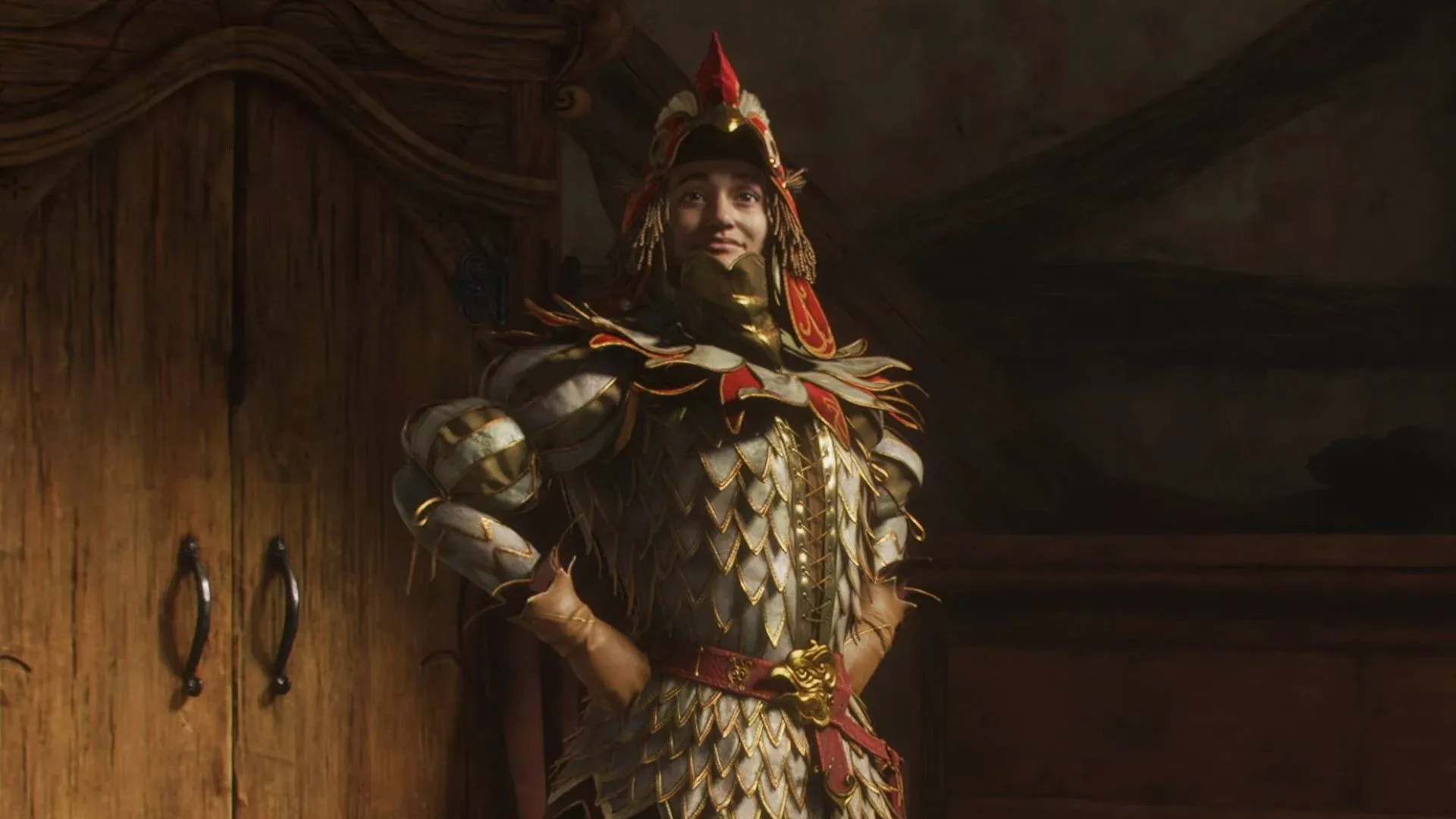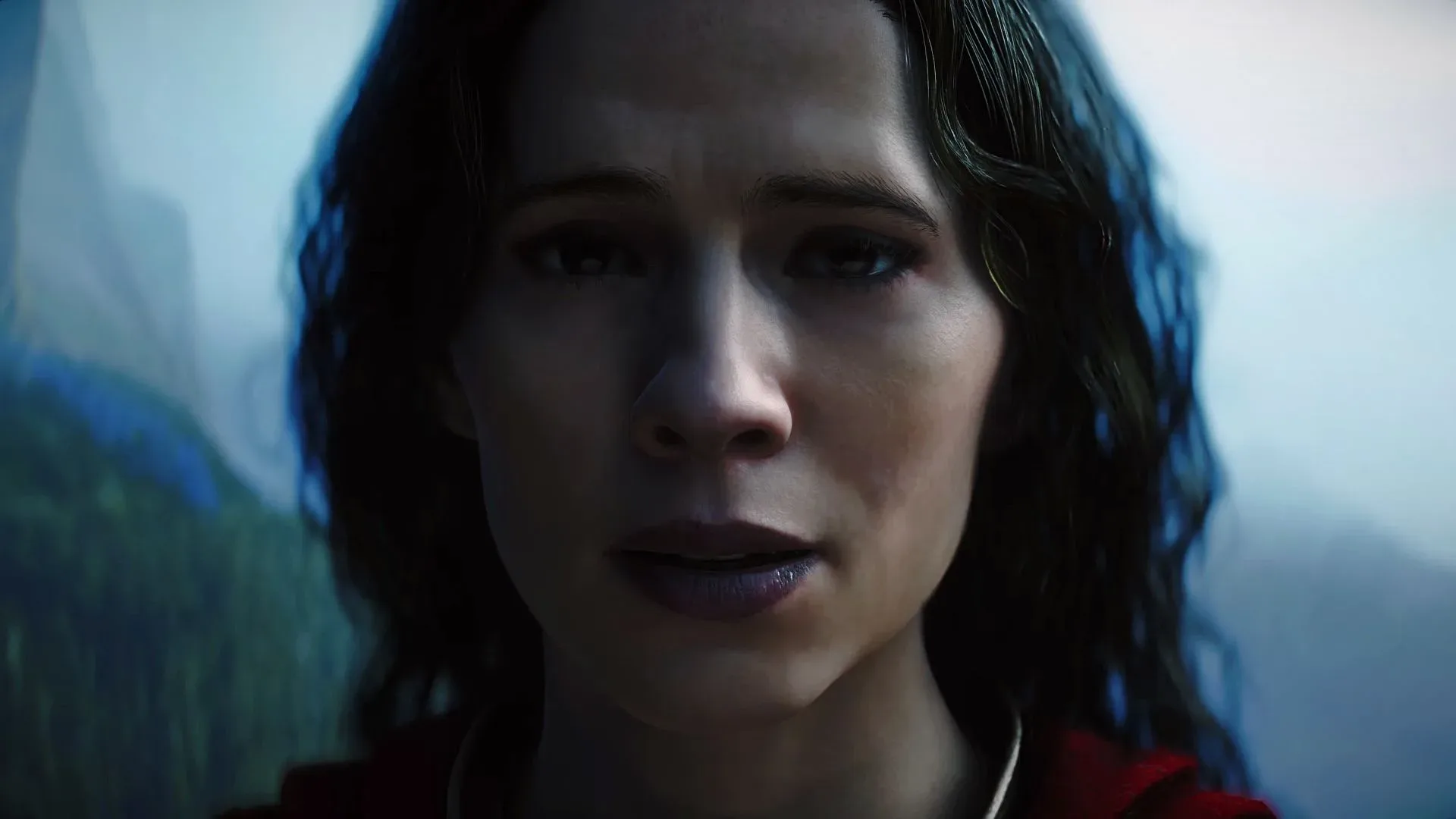
Playground Games is making a very deliberate leap with Fable. The Xbox-owned developer is best known for the Forza Horizon series, but its next major project is a revival of the fantasy role-playing franchise previously made by Lionhead Studios. It is scheduled to arrive on February 23, 2027.
That shift is not being framed internally as a casual genre detour. Ralph Fulton, Playground co-founder and Fable game director, has described the assignment as a point of pride for the studio: an opportunity to show that it can work successfully outside racing games.
“I think there was a little bit of pride in proving we could cut it in a different genre,” Fulton said.
It is an unusually clean statement of the question hanging over the project. Playground’s history is rooted in high-speed cars and driving-focused open worlds. Fable, by contrast, carries the expectations of a beloved RPG trilogy and belongs to a genre in which player progression, character roles, fantasy-world identity and player choice are central concerns. The studio has not claimed that making one kind of game automatically makes it equipped to make the other. Instead, Fulton identified the open world as the area in which its established knowledge can carry over.
For more context, explore How to Preserve Four PS2 Games When the Disc Is Only Part of the Collection.
Why the open world is the bridge between the series
Fulton said Playground did not want to move too far away from what it understood through Forza Horizon. Cars will not be part of the new Fable, but the team viewed open-world development as a discipline with transferable skills.
“It made sense not to fall too far from Horizon. This project definitely wasn't going to have cars, but open worlds felt like an area where we had transferable skills,” Fulton said.
That distinction matters. An open world is generally a game structure that lets players travel through a broad interconnected environment rather than moving only through a strict sequence of levels. It does not define a genre on its own. A racing game and an RPG can both use an open world while asking very different things of the player.
Related coverage includes Playground Games Says Fable Is a Chance to Prove It Can Thrive Beyond Racing.
For a driving game, an open world must support movement at speed and make exploration compelling between events. For a fantasy RPG, the same broad structure must serve an entirely different kind of journey. Players may expect the world to support adventure, discovery and the fiction of living in a fantasy setting. The shared format creates a reasonable foundation for Playground, but it does not erase the challenge of adapting that foundation to Fable.
That is the useful way to read Fulton’s comments: not as a promise that Forza Horizon and Fable will feel alike, but as an explanation of why Xbox may have seen a credible fit. Playground has experience building worlds meant to be navigated freely. The new game needs that experience to serve a wholly different fantasy.
A franchise revival with a visible change in stewardship
Fable is also a high-profile handoff. The revival is being developed by Playground rather than Lionhead Studios, the studio associated with the original trilogy. Whenever a recognizable series moves to a different developer, players naturally look for two things at once: respect for what made the older games meaningful, and evidence that the new team has a genuine reason for taking on the work.
Fulton’s description suggests the latter was immediate. Playground joined the Xbox studio organization in 2018, when it was called Microsoft Studios. Years later, when Xbox brought up Fable, Fulton said other possible opportunities faded from view.
“When Xbox mentioned Fable, every other opportunity dissolved into the background. It was all we could think about,” Fulton said.
That response does not tell players exactly how the finished game will play, and it should not be treated as a substitute for seeing the game itself. It does, however, establish that the choice was not presented as a reluctant corporate reassignment. For the studio leadership, the franchise apparently had enough pull to become the clear priority.
There is another important element in the wider picture: the team has said that every member is, first and foremost, a fan of the original RPG trilogy. Fandom is not a production feature, nor is it a guarantee that every returning player will agree with the new interpretation. But it helps explain the emotional stakes that Playground appears to attach to the project. The team is trying to build a new entry in a series it recognizes as significant, while also proving it can make the kind of game it has not previously released.
What “transferable skills” does—and does not—mean
“Transferable skills” can sound broad enough to mean almost anything, so it is worth narrowing it to what Fulton actually identified. His point was specifically about open worlds. Playground’s experience with Forza Horizon gives it a background in making games whose spaces players traverse by choice, rather than solely following a linear route.
That should not be confused with a claim that racing design and RPG design are interchangeable. They are not. A studio can be strong in one discipline while encountering fresh creative and technical questions in another. That is precisely why Fulton characterized the move as a chance to prove something.
From a player’s perspective, the best-case implication is not “Fable will be Forza Horizon with swords.” The more sensible reading is that Playground hopes its established open-world sensibility will give the game a sturdy starting point while the team develops the systems, tone and fantasy identity required by Fable. The distinction is important because it keeps expectations tied to the information actually available.
There is no need to invent a checklist of features from those remarks. Fulton did not detail combat systems, progression mechanics, quest structures, platforms, editions or any other specific gameplay component. The concrete information is simpler: the game is a Fable revival, it is being made by Playground Games, and it is set for February 23, 2027. The creative rationale being offered is that open-world experience offers common ground between the developer’s racing past and its fantasy-RPG future.
The pressure behind the opportunity
Playground enters this assignment after launching Forza Horizon 6 to near-universal acclaim. That success gives the studio a considerable reputation to carry into its next release, but it also heightens the visibility of the transition. A well-regarded racing series does not make the public question disappear; in some ways, it makes the contrast sharper. The team is moving from a genre where it has an established record to one where it will be judged as a newcomer.
That makes Fulton’s emphasis on pride especially revealing. The project is not only about returning Fable to Xbox’s lineup. It is also a test of whether a studio’s strengths can be adapted without simply repeating the formula that made it successful before.
The answer will ultimately depend on the finished game, not on the logic of the pitch. Still, the rationale is coherent: Playground is not claiming a blank-slate reinvention, and it is not pretending its previous work is irrelevant. It sees its open-world expertise as a useful base, recognizes the genre shift as substantial, and is openly embracing the pressure to demonstrate that it belongs in this different space.
For fans waiting on the revival, that is the central tension to watch as the February 2027 release approaches. The series is returning under a studio with a distinct pedigree, and Playground’s leadership is presenting that difference as both its biggest challenge and its motivation.