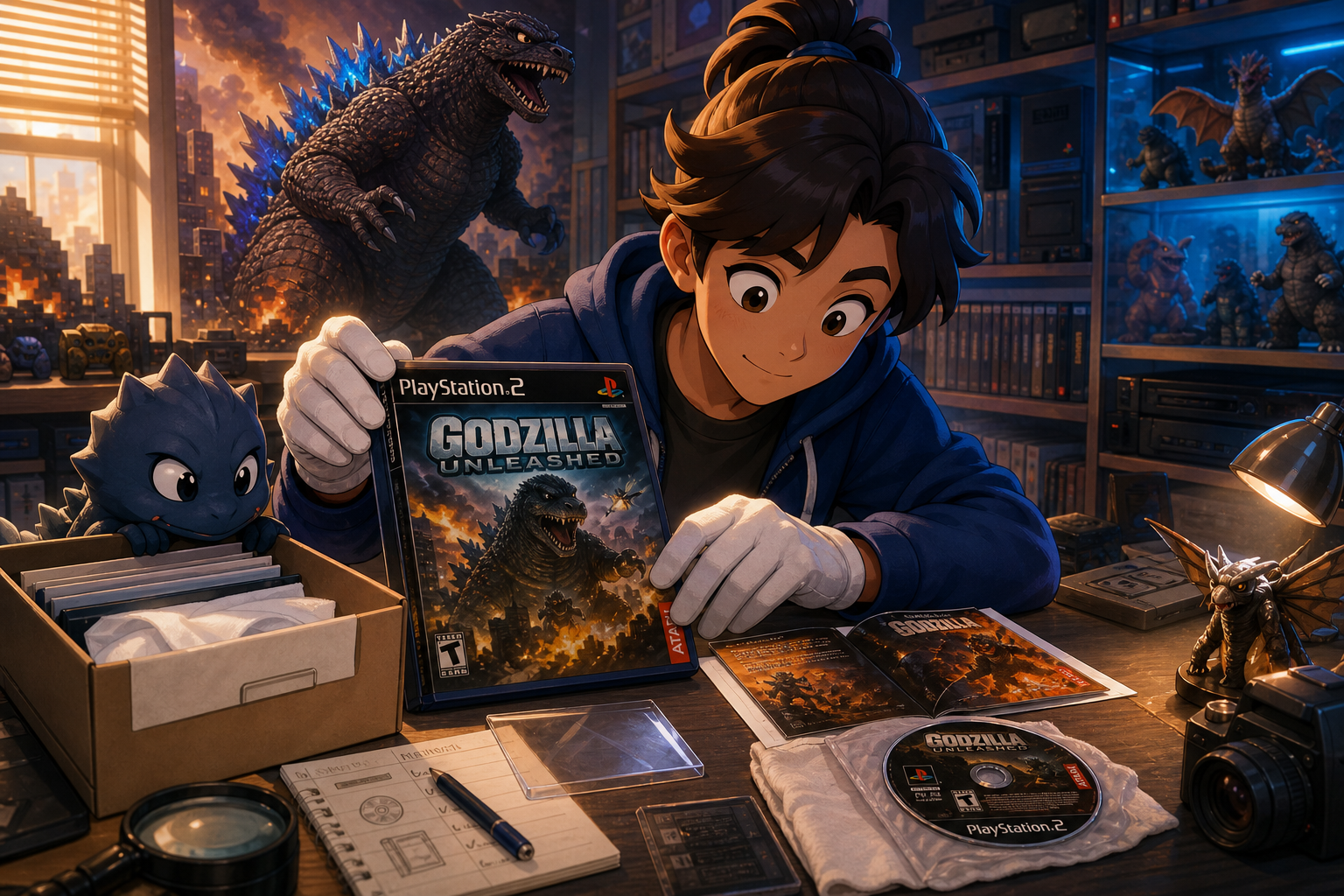
A PS2 game can be physically present and still be incomplete as a playable collection object. The disc may be intact while the manual is missing, the relevant save is stranded on an unlabeled memory card, or a music game lacks the microphone or headset that makes its central mode practical. Regional editions can add another layer: even the documented save-space requirement for City Crisis changes between releases.
The useful solution is not to assign one vague label such as complete or incomplete. Record the disc, packaging, printed material, save data, accessories, region, and play requirements as separate parts of one linked record. These four games make a useful comparison because each exposes a different preservation problem.
The preservation unit is larger than the DVD
Start by deciding what you are preserving. For a conventional PS2 release, the minimum record usually includes the disc, its case and artwork, the manual or other printed material, the regional identity, and the save data needed to continue a game. Some releases add a meaningful hardware dependency. That dependency should be recorded separately rather than hidden inside a CIB label.
The distinction matters when a collection changes hands. A disc and case can identify a game, but they may not explain how to save it, which memory-card slot to use, or whether a special controller, microphone, or headset is expected. A memory card is not part of every game’s retail package, yet its data can be essential to preserving the owner’s actual play history. Likewise, a missing manual and a missing microphone are different gaps: one affects documentation, while the other can affect immediate playability.
Use one inventory ID for the game and link related objects to it. The disc can have its own condition note, the memory card can have a card number and location, and an accessory can have a serial or identifying description. This avoids storing unrelated hardware in the case while losing the connection between the objects.
- Record title, platform, region, publisher or developer when verified, and the exact edition description.
- Give separate status fields to disc, case, artwork, manual, save data, peripherals, and play requirements.
- Link every associated memory card and accessory to the game’s inventory ID.
Four PS2 games, four different preservation records
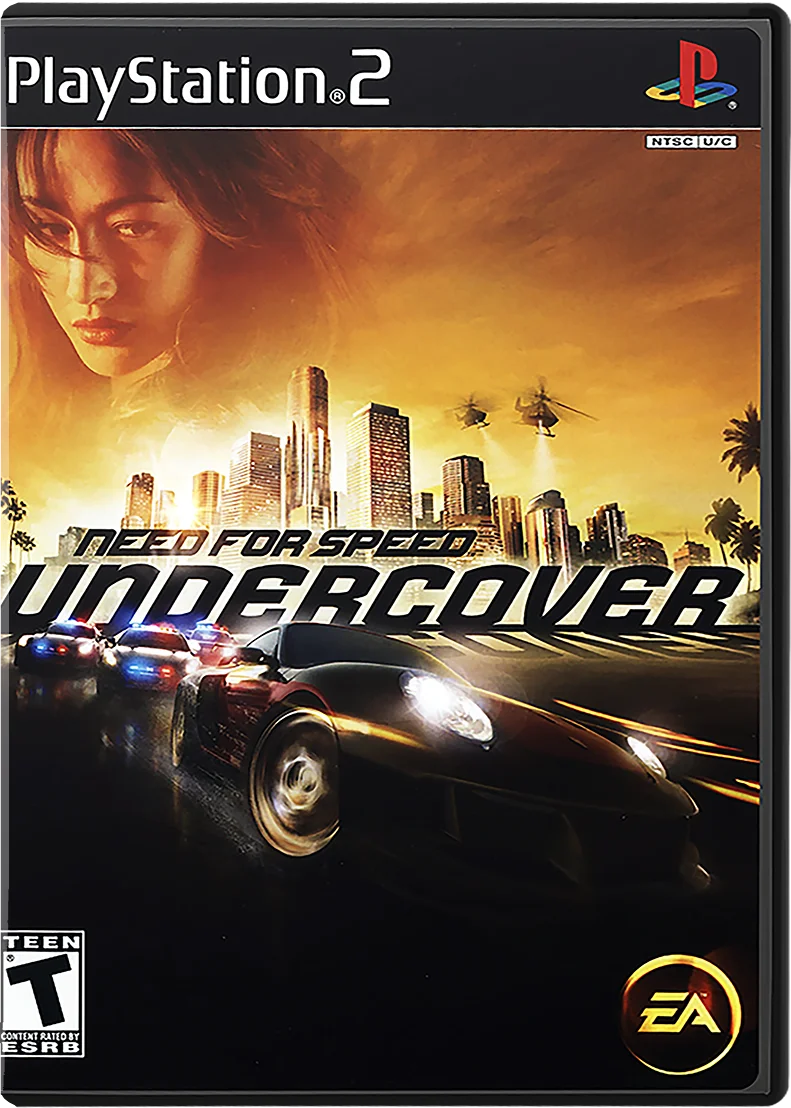
Need for Speed: Undercover is the useful baseline. Its PlayStation 2 entry is a DVD-ROM release, so the core record centers on the PS2 disc, the case and artwork, the manual, the region, and ordinary save data. Do not merge it with another platform’s release, and do not invent a precise save-space figure when your documentation does not establish one. “Save present” and “save size verified” should be separate fields.
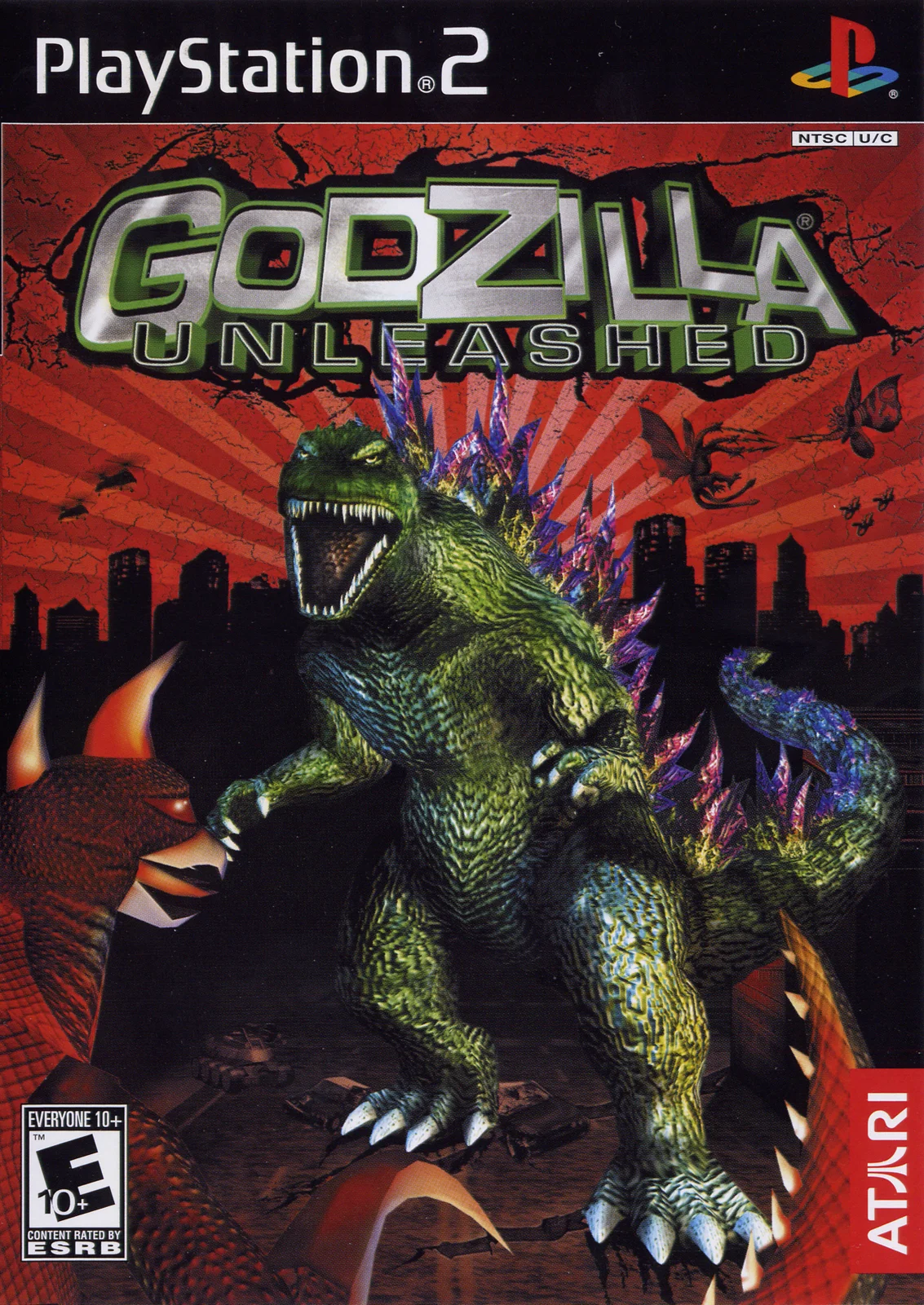
Godzilla: Unleashed demonstrates why a disc does not preserve progress. Its PlayStation 2 release is distinct from the Wii edition, and its manual describes Story Mode data being recorded after encounters with more than one save record or slot available for continuing a story. Preserve the correct PS2 disc and manual, then identify the memory card and the relevant save rather than treating a Wii copy or a blank card as an equivalent substitute.
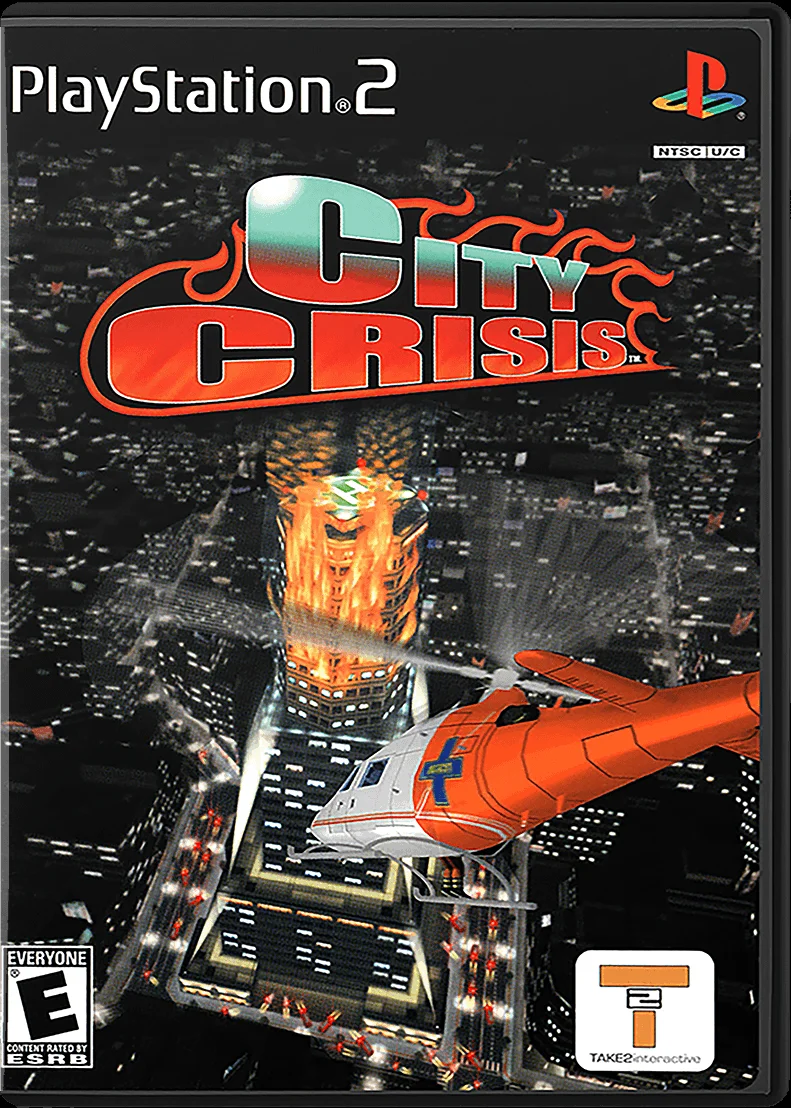
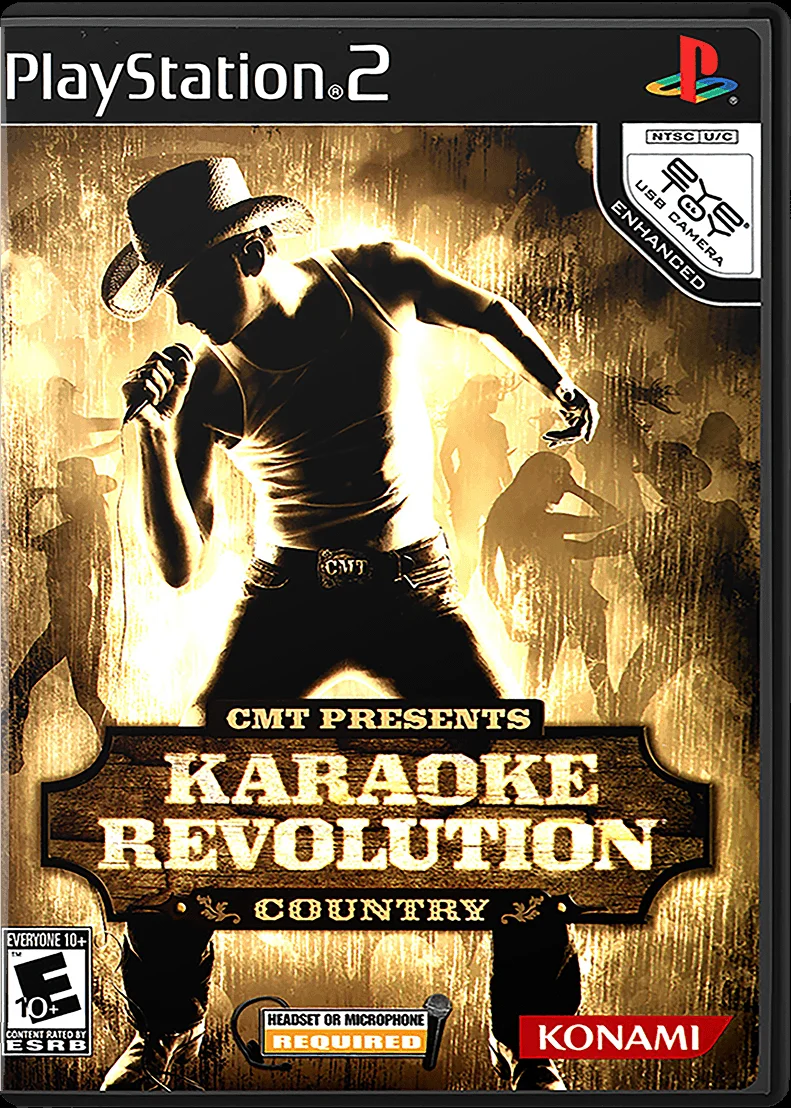
City Crisis adds regional metadata with practical consequences. The documented memory-card figures are 350 KB for NTSC-U and 230 KB for PAL and NTSC-J. Those numbers belong to their respective regional records; they should not be copied into one universal City Crisis entry. Karaoke Revolution Country adds the accessory question: its manual specifies memory-card slot 1, says each save uses at least 240 KB, and describes loading from another PS2 memory card containing a previous save. Its compatible PS2 microphone or headset is part of the playable setup, not merely a decorative extra.
- Keep separate records for PS2 and Wii versions of Godzilla: Unleashed.
- Store City Crisis save figures with the correct region, not only with the title name.
- Mark Karaoke Revolution Country’s microphone or headset status independently from its disc and case status.
Need for Speed: Undercover as the control case
The most ordinary title in the group is valuable because it shows how not to over-document. For Need for Speed: Undercover, first establish that the item is the PlayStation 2 release rather than a similarly titled version for another system. Photograph or transcribe the disc label, note the regional rating or catalog identifiers visible on the package, and keep the cover and manual status separate. Regional cover and manual galleries show why a generic image is not enough to prove that a particular edition is complete.
Next, record save information conservatively. If the game creates a save on a memory card, identify the card and note whether the data has been observed, backed up, or merely expected from the title’s documentation. Do not turn an unverified capacity into a catalog fact. A field reading “exact requirement not verified” is more useful than a confident but unsupported number.
This baseline also prevents accessory creep. Nothing in the supplied record makes a distinctive microphone or camera a required part of the standard Undercover entry. If a particular bundle includes an extra item, document that package as an edition-specific variant. Do not make every loose copy responsible for accessories that may never have been included with it.
- Verify the PS2 platform before comparing artwork or manuals.
- Use “not verified” for an unresolved save-size field.
- Treat bundle contents as evidence about one edition, not a rule for every copy.
Godzilla: Unleashed preserves progress as well as software
Godzilla: Unleashed is a good example of a collection where the saved state has a meaningful identity. The manual’s Story Mode instructions describe saves being recorded after encounters and provide multiple records or slots for continuing the story. That means a preservation worksheet should not stop at “memory card included.” It should identify the card, the game save, and—when the owner wants to retain personal progress—the relevant slot or record.
A clean disc can reproduce the software, but it cannot reproduce an unlocked story position or a particular continuation. If the collection is being prepared for lending or transfer, make the save’s relationship to the game clear without overwriting it. Keep the original card labeled, and use a separate working card when practical. Never remove a card while saving or loading; the manual’s warning exists because interruption can damage the very data being preserved.
The platform distinction is equally important. Godzilla: Unleashed has PS2 and Wii releases, but those are not interchangeable preservation objects. Record the PS2 disc, PS2 manual, and PS2 memory-card data together. A Wii disc, a Wii save, or a Wii-specific accessory note belongs in another record even if the title appears similar.
- Record whether the preserved Godzilla data is a blank setup, an active story, or a particular saved record.
- Label the memory card without writing on the game disc or case insert.
- Keep PS2 and Wii media, saves, and hardware notes separate.
City Crisis proves that region can change function
City Crisis is not only a title with different covers or release labels. Its documented memory-card requirements differ by region: 350 KB for NTSC-U and 230 KB for PAL and NTSC-J. That is exactly the kind of detail that disappears when a collector catalogs every regional copy under one simplified title record.
Create a regional child record beneath the main title. Include the disc’s region, the package language and rating information, the manual’s region, and the applicable save-space note. If the number came from a catalog specification rather than a manual in hand, identify it as catalog metadata and preserve the source alongside the record. This makes later correction possible without confusing a verified observation with an assumption.
The same method works beyond City Crisis. A manual may describe a slot requirement, a regional release may use different packaging, or a catalog may list different storage needs. Region is therefore both an identification field and potentially a functional field. Do not use a North American save estimate to plan space for a PAL or Japanese card simply because the title is the same.
- Make NTSC-U, PAL, and NTSC-J entries distinct where the evidence differs.
- Attach the 350 KB and 230 KB figures only to their documented regions.
- Flag catalog-derived data separately from measurements taken from your own copy.
Karaoke Revolution Country needs a hardware record
Karaoke Revolution Country, also identified in the documentation as CMT Presents: Karaoke Revolution Country, shows why peripheral-dependent games need a wider definition of completeness. The manual specifies memory-card slot 1 for saving and loading settings and progress, and says each game save uses at least 240 KB. It also explains that a prior save can be loaded from another PlayStation 2 memory card.
The game requires at least one PlayStation 2-compatible microphone or headset during play. The documentation identifies both the Karaoke Revolution microphone and a Logitech USB microphone as supported options, and explains that the accessory connects to one of the PS2’s USB ports. Record the accessory as a separate inventory item rather than assuming that any microphone in the collection is original to the copy.
A disc, case, and manual may therefore be physically complete for a standard package while the current collection remains unable to reproduce the intended singing setup. Conversely, a loose microphone should not automatically be declared original to a particular copy. Record the accessory as compatible, included with this edition, or provenance unresolved—whichever the evidence supports.
The documentation also identifies EyeToy support, so an inventory can include an optional camera-functionality field without calling the camera universally required. This is a useful distinction: required, supported, optional, included, and currently present are different claims. Keeping them apart prevents a catalog from overstating either the game’s hardware needs or a package’s contents.
- Record slot 1 and the at-least-240-KB save note from the manual.
- List microphone or headset compatibility separately from whether that accessory came with the copy.
- Mark EyeToy as supported or optional only when the documentation supports that description.
A safe PS2 memory-card workflow
Sony’s PlayStation 2 user guide identifies the official 8 MB PlayStation 2 Memory Card as the normal storage device for PS2 software saves. That printed capacity is not a promise that every game uses the same amount, nor does it replace a title’s own instructions. The guide also warns that PS2 software cannot save directly to an original PlayStation memory card, so a PS1 card should not be treated as an interchangeable backup target.
Before handling data, label the card externally with a non-invasive identifier such as MC-A or MC-B and write that identifier into the inventory. Use the PlayStation 2 Browser to inspect, copy, or delete data when the console and cards support that operation. Sony’s guide explains that two memory cards can be used for copying through the Browser. Copy to a clearly identified destination, then verify the destination before changing the original.
Do not remove a card during saving, loading, copying, or deleting. Do not delete the source until the backup has been checked and the collection owner has decided that deletion is acceptable. A backup is not automatically a preservation success if it has replaced the only original or been placed on an untracked card. For unusual third-party cards or transfer methods, record the uncertainty instead of promising compatibility.
- Use a PS2 memory card for PS2 saves; do not substitute an original PS1 card.
- Keep source and destination card identifiers in the catalog.
- Never remove a card during an active save, load, copy, or delete operation.
The worksheet that keeps uncertainty visible
A practical worksheet should contain three kinds of information: what the object is, what is physically present, and what has been verified. Start with title, platform, region, edition name, disc identifier, case and artwork status, manual status, and condition notes. Then add save-card identifier, save title or slot, documented capacity requirement, observed capacity requirement if available, and backup status.
Add hardware fields for required, compatible, optional, included, and present accessories. For Karaoke Revolution Country, these fields prevent the microphone question from collapsing into a single yes-or-no completeness label. For City Crisis, a region field prevents the wrong save figure from being inherited. For Undercover, a verification field prevents an unsupported exact number from entering the record. For Godzilla, a slot or story-progress note preserves more useful information than simply saying “save exists.”
Finally, include test date, source type, unresolved questions, and next action. “Manual missing—locate regional scan” is actionable. “Incomplete” is not. If the item has not been tested, say so. Preservation records become more trustworthy when they distinguish documentation, observation, and assumption rather than presenting all three in the same voice.
- Separate documented facts, direct observations, and unresolved assumptions.
- Record a next action for every meaningful gap.
- Use a test date so an old status is not mistaken for a current inspection.
Use several completeness labels instead of one
A useful collection can describe the same copy with multiple labels. “Disc present” answers whether the software medium is there. “Case and artwork present” answers a packaging question. “Manual present” answers a documentation question. “Playable setup present” answers whether the required or intended hardware is available. “Save preserved” answers whether progress or configuration data has been retained. None of these labels implies the others.
For these four games, an honest record might say: Need for Speed: Undercover, PS2 disc and case present, manual missing, ordinary save status unverified. Godzilla: Unleashed, PS2 disc and manual present, story save retained on MC-A. City Crisis, PAL disc identified, regional save metadata recorded, manual status pending. Karaoke Revolution Country, disc and manual present, slot-1 save retained, compatible microphone absent. Those statements are more informative than calling all four “CIB” or “incomplete.”
Reserve “preservation-complete” for a standard that you define in advance. It might require verified regional identity, readable disc, associated printed material, documented save location, and all hardware needed for the intended play mode. A collection can reasonably use a lower standard for display and a higher one for active preservation, as long as the labels remain explicit.
- Use independent labels for physical completeness, playability, save preservation, and accessory status.
- Define preservation-complete before applying it to the shelf.
- Never let a case-and-disc label imply that progress or peripherals are present.
Store the objects separately, but keep the story together
Discs, manuals, memory cards, and microphones have different storage needs. Keep discs in their cases or suitable protective sleeves, keep manuals flat and dry, and avoid leaving a memory card loose inside a case where it can be lost or mistaken for another title. A microphone can be stored with other compatible hardware if its inventory ID remains linked to the game. The goal is physical separation without administrative separation.
Use a small linked label system rather than writing on original packaging. The game ID can appear on an archival note, case-facing sleeve, or collection database entry; the memory card can carry a matching external identifier. If a card contains saves for several games, list every relationship instead of assigning it permanently to the first title encountered.
When lending or moving the collection, export or print the relationship list. The recipient should know which card contains Godzilla: Unleashed progress, which region applies to City Crisis, and whether the Karaoke Revolution Country microphone or headset is available. That handoff information is part of preservation because it prevents the objects from becoming separated from the knowledge that makes them useful.
- Store each object according to its material needs while retaining a shared inventory ID.
- Document memory cards that contain saves for multiple games.
- Include region, save location, and accessory status in any handoff record.
These four PS2 releases show why preservation is an information problem as much as a storage problem. Undercover benefits from careful platform and edition identification; Godzilla: Unleashed requires attention to story progress; City Crisis makes regional save metadata functional; and Karaoke Revolution Country connects the disc to a microphone or headset, memory-card slot, and optional camera support.
A disc-first inventory is a good beginning, but a linked record is stronger. Track what is present, what is required, what has been verified, and what remains uncertain. That approach protects the physical collection while preserving the context needed to play, transfer, and understand it later.