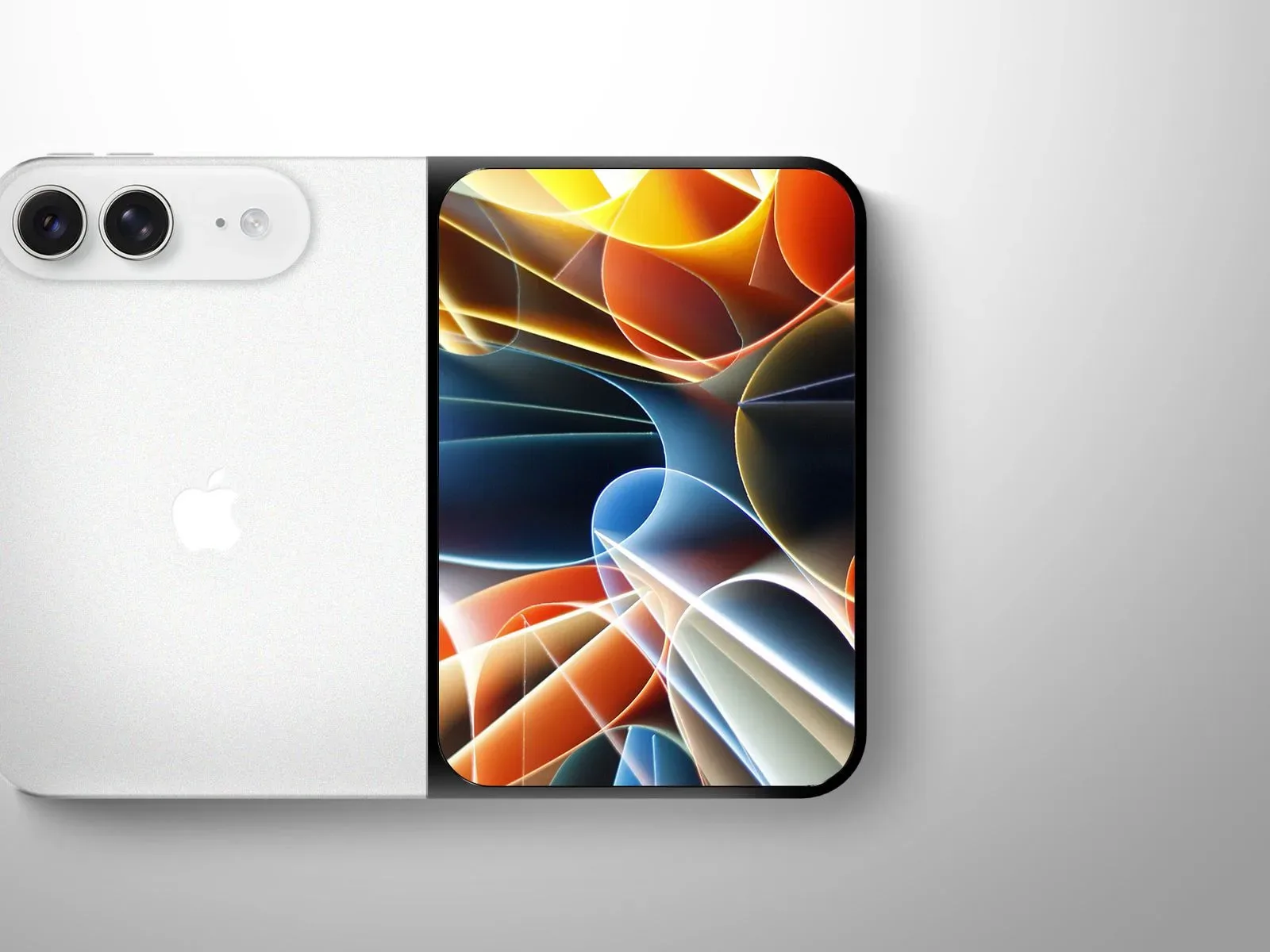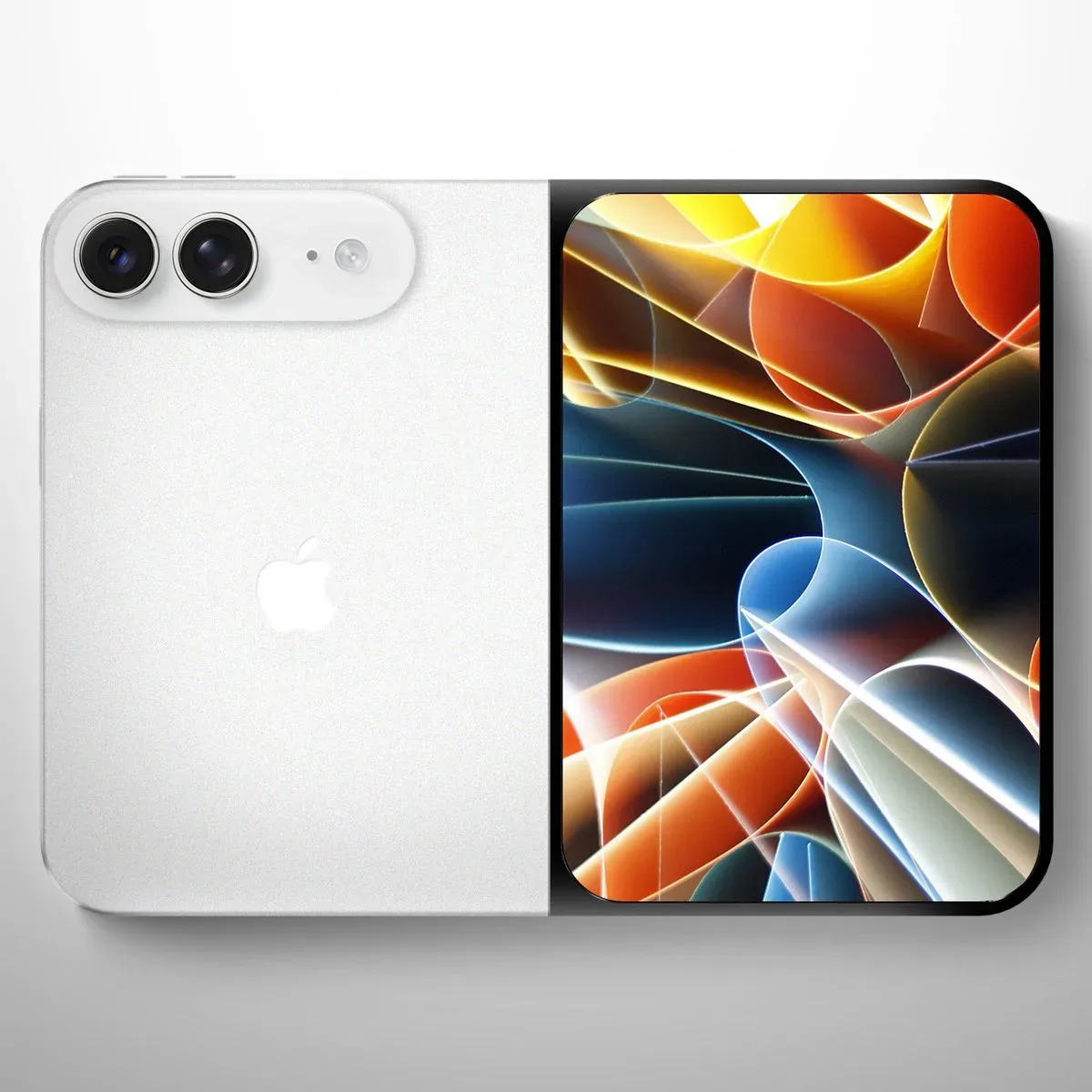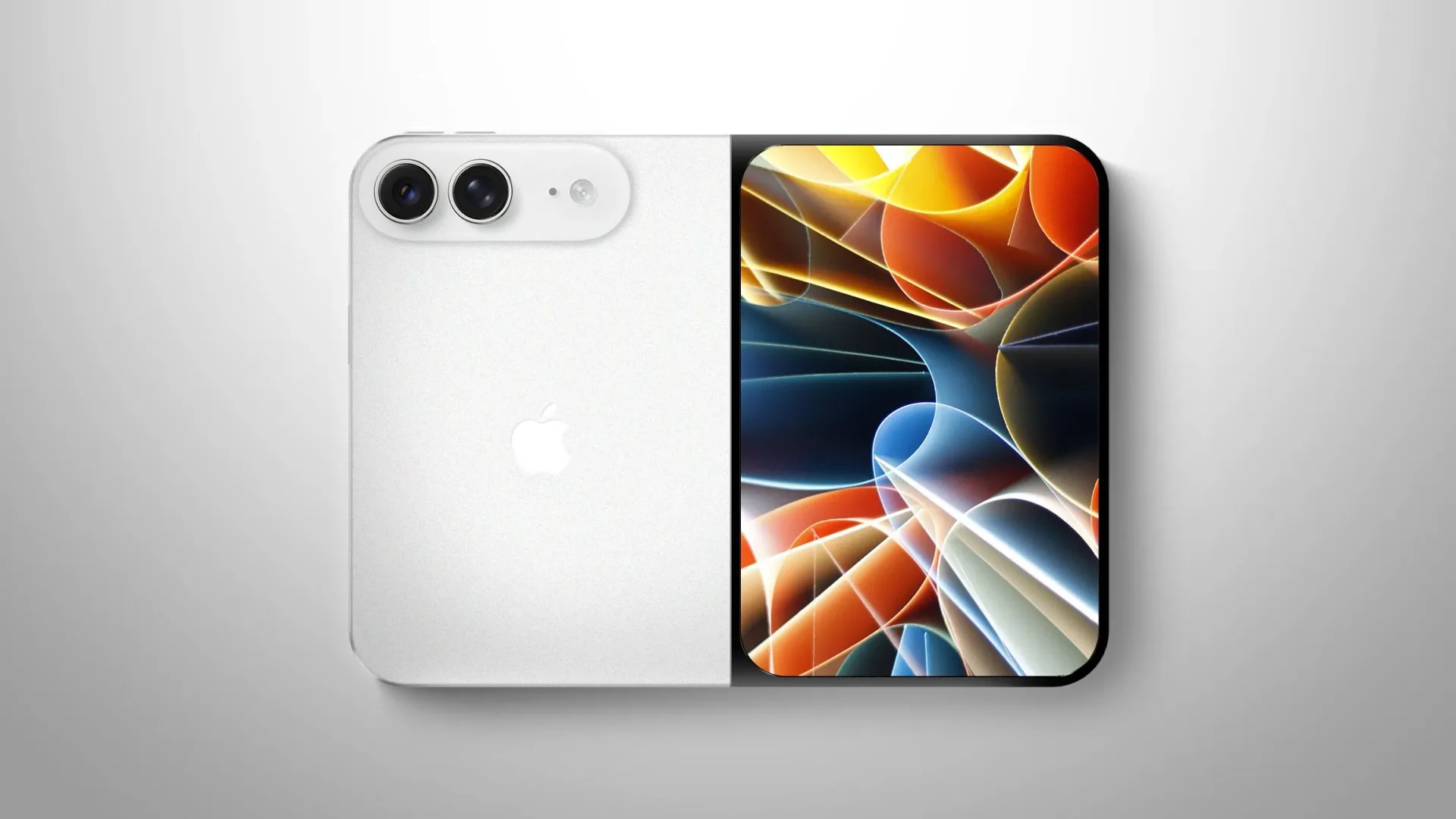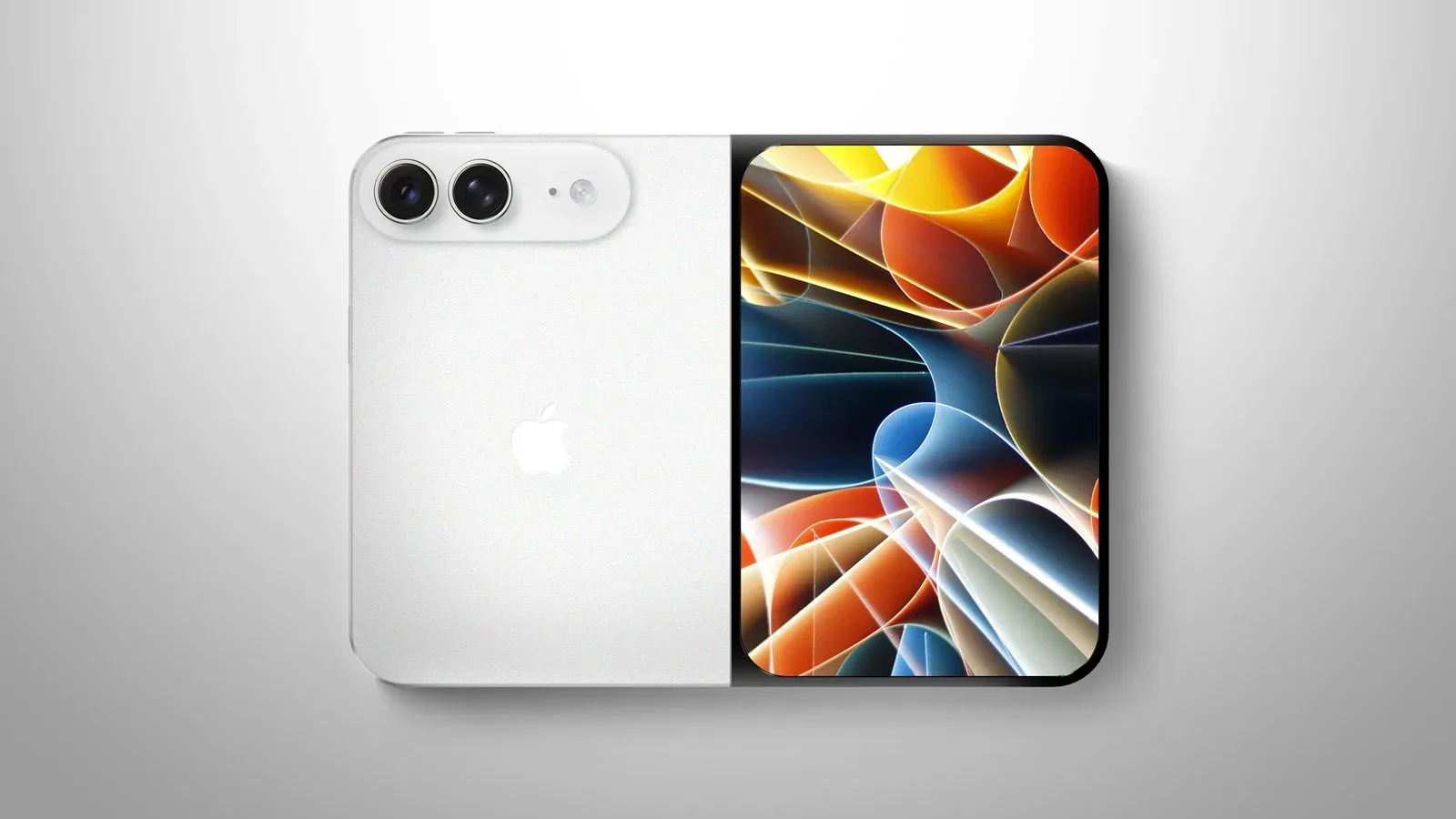
Before a foldable iPhone has a confirmed public name, it has already collected a small wardrobe of possible ones. iPhone Ultra has substantial momentum in reporting and internal shorthand. iPhone Fold is the plain-English candidate that tells shoppers exactly what the hardware does. And now iPhone Duo has entered the discussion: a name that would point directly at the expected two-screen setup while pulling an old Apple branding thread back into the light.
The central fact remains simple: Apple has not confirmed the name. The company is expected to reveal its foldable iPhone at an event next week, but until that happens, Ultra, Fold, Duo, and any other label remain possibilities rather than settled product branding. That uncertainty is part of the fun here. Product names are tiny design documents. They tell customers whether a device is supposed to feel like an upgrade, a new category, a professional tool, or a familiar phone with an extra party trick.
For a device as consequential as a foldable iPhone, the choice could shape the story nearly as much as the hinge, displays, cameras, or software.
Why “iPhone Duo” makes immediate sense
“Duo” is a concise explanation of the concept. A foldable phone built around two displays can naturally be described as a duo, whether it is closed like a conventional handset or opened into a larger work and entertainment surface. The word is friendly, short, and much less technical than a hardware-focused term such as “dual-display.” It also avoids making the folded form factor the entire identity of the device.
There is Apple history behind it, too. The company sold PowerBook Duo laptops during the 1990s, and it used the name again for the MagSafe Duo Charger in the early 2020s. That does not establish that an iPhone Duo is on the way—past naming is not proof of future naming—but it means the word is not alien to Apple’s catalogue.
For gaming and media use, Duo has a particularly clear appeal. A pair of screens evokes multiple kinds of portable play: a larger screen for games when opened, separate spaces for a game and chat, or layouts that put controls and information apart from the main action. None of that confirms how Apple’s foldable software will work, and the eventual product may take a very different approach. Still, the name would leave room for the device to be framed as more than a phone that happens to bend.
It also has a certain retro-tech rhythm. “Duo” belongs to an era when compact product names could sound almost conversational, which may appeal to people who remember the PowerBook line—or simply like a title that does not feel engineered by a committee locked in a room with a thesaurus and a spreadsheet.
The baggage attached to Duo
The problem is that the name has not been sitting untouched since Apple last used it. Microsoft launched the Android-based Surface Duo in 2020, a dual-screen smartphone line that was later discontinued. Intel also made the Core Duo and Core 2 Duo processor names widely recognizable in the 2000s.
Neither association automatically rules out iPhone Duo. Major technology companies regularly use words that overlap with competitors, especially broad words such as Ultra, Pro, Max, Fold, Air, and Plus. Still, branding teams have to decide whether a name carries helpful familiarity or unwanted comparison. A foldable iPhone called Duo would inevitably remind some people of Microsoft’s departed experiment, even if Apple’s design, operating system, and ambitions are distinct.
That is why Duo is compelling as a possibility but not a foregone conclusion. It communicates the two-screen premise elegantly, yet it comes with existing mental pictures attached. A brand as controlled as Apple may prefer a name that starts the conversation on its own terms.
Ultra has the strongest Apple-shaped logic
Of the currently discussed names, iPhone Ultra has perhaps the clearest fit with Apple’s modern vocabulary. Apple already applies Ultra to the Apple Watch Ultra, CarPlay Ultra, and the M1 Ultra, M2 Ultra, M3 Ultra, and M5 Ultra chips. In that context, Ultra signals the top tier: the model with the biggest ambition, the greatest capability, or the most expansive version of a platform.
That makes it an intuitive label for a foldable iPhone. Rather than treating the device merely as a special form factor, “Ultra” would position it at the high end of the iPhone family. It suggests a premium flagship first and a folding device second. That distinction matters because foldables have often been marketed as fascinating alternatives; Apple could instead present its version as the broadest expression of what an iPhone can be.
There is meaningful reason to take Ultra seriously. In April, Filipe Espósito reported that a person familiar with Apple’s plans said the foldable iPhone would be called iPhone Ultra. Mark Gurman has also said that many Apple employees call the device iPhone Ultra internally, while stopping short of firmly identifying that as the official retail name.
Internal terminology is useful but not definitive. Companies frequently use shorthand during development, and those working names can survive for years without reaching a box, a keynote slide, or an online store. Yet Ultra is not random rumor vocabulary; it aligns closely with terminology Apple already deploys across several major products.
For an audience accustomed to comparing high-end hardware, that could be strategically clean. “Ultra” tells buyers where to look in a lineup. It also sidesteps the possibility that “Fold” makes the physical mechanism sound like the only reason to care.
Fold is blunt, useful, and crowded
Then there is iPhone Fold, the candidate with no mystery whatsoever. It is a foldable iPhone; “Fold” says exactly that. There is real value in immediate comprehension, especially when introducing a category that could require shoppers to rethink the relationship between a phone and a small tablet.
But Fold is also a well-worn label. Samsung has a Galaxy Z Fold line, including the Galaxy Z Fold8 cited in current comparisons, while Samsung’s Galaxy S26 Ultra demonstrates that Ultra is also used beyond Apple. The existence of competitive Ultra and Fold products does not make either word unavailable. It does show how few clean, obvious nouns remain in a mature hardware market.
Calling the device iPhone Fold could be a practical move: familiar category language can make a new product feel less intimidating. The counterargument is equally practical. Apple has often favored names that nest inside its own hierarchy—think device-family labels and capability tiers—rather than names that sound like a category tag borrowed from the shelf beside it.
In short, Fold is probably the easiest name to understand and the least distinctive one to own.
A name can signal what Apple thinks the device is for
The eventual choice may reveal how Apple wants people to interpret the foldable iPhone before they touch it. iPhone Fold would foreground the transformation. iPhone Duo would foreground the paired displays. iPhone Ultra would foreground status and range.
Those are different invitations. Fold says, “Look at this mechanism.” Duo says, “Look at these two spaces.” Ultra says, “This is the biggest version of the idea.” For games, streaming, messaging, productivity, and creative apps, the difference is not merely marketing poetry. It affects which use cases get the spotlight when the device is introduced.
It is also a reminder that form-factor shifts tend to bring interface questions with them. As portable screens grow and multiply, developers have to decide what belongs on the main view, what belongs beside it, and when an app should behave like a phone experience versus a tablet one. That broader push toward new display contexts is visible across immersive technology as well; recent discussion of XR’s interest in shared spaces and smarter displays shows how much attention the industry is placing on where digital experiences happen, not just what they contain.
The sensible prediction: expect one of the known names, but leave room for a curveball
Ultra currently has the strongest combination of reported momentum and brand compatibility. Duo has a clever, device-specific meaning plus a legitimate Apple naming lineage. Fold is the straightforward consumer-facing option, even if it sits in a crowded competitive vocabulary.
There is also a fourth possibility worth keeping in view: Apple may choose something else entirely. The company could use a name not currently circulating, attach the foldable concept to a broader iPhone tier, or reserve a familiar word for an unexpected product position. No amount of plausible reasoning changes the absence of an official confirmation.
Until the expected event next week, the foldable iPhone remains a rare piece of hardware news where a single word is carrying almost as much speculation as the hardware itself. Whether Apple lands on Ultra, Fold, Duo, or a surprise, the name will be the first clue to how it wants this long-awaited device to be understood.