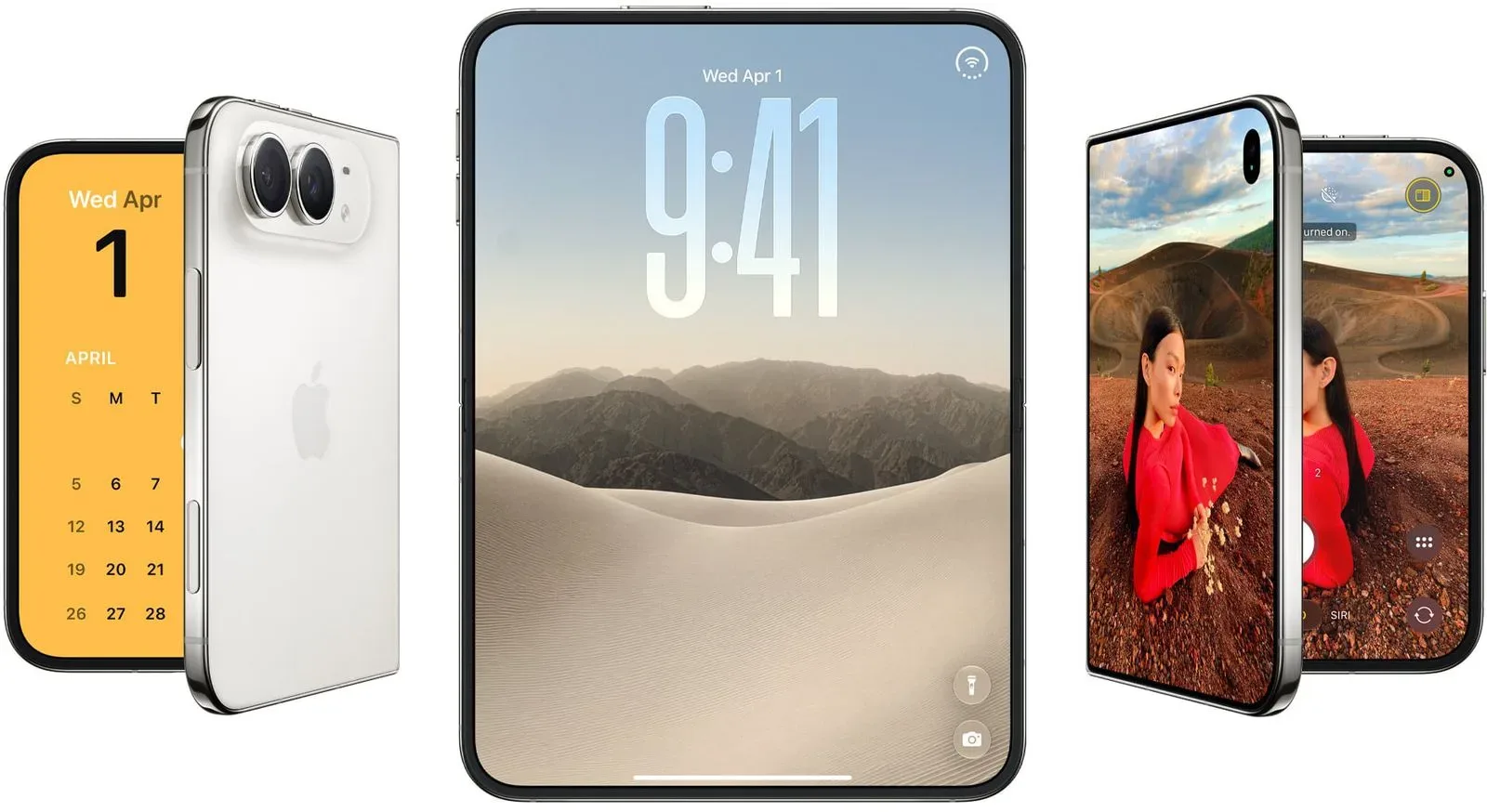
Apple is preparing an unusually hands-on retail rollout for the iPhone Duo, its foldable phone expected to reach stores on October 23. The catch is that the company is also expected to have limited stock available for buyers at launch.
That split is the central story of the iPhone Duo debut: Apple appears determined to let people see, open, close and compare the device in person, even if not every interested shopper will be able to take one home immediately. For a product with a starting U.S. price of $1,999 for 256GB, the retail experience matters. A foldable device is not just a different screen size on a specification sheet; its hinge, folded state, open state and physical feel are central to the purchase decision.
A retail launch built around seeing the fold
Most Apple stores are expected to add an extra spotlight table for the iPhone Duo. These tables use Apple’s familiar white presentation furniture with a central post, while a new fixture is intended to demonstrate the phone’s folding and unfolding motion.
That choice is notable because the fold itself is the product’s defining interaction. A conventional phone can be understood quickly from its dimensions, display and camera setup. The iPhone Duo needs a shopper to answer more tactile questions: how it sits when closed, how it opens, what it looks like on a table, and whether its larger open configuration works for their routines. A dedicated fixture makes that physical transformation part of the store presentation instead of leaving it as a brief detail in a sales conversation.
Apple is also expected to place the device in the Avenue display areas that run along the sides of stores. There, visitors will be able to explore StandBy on untethered phones. In this context, untethered means the demonstration unit is not physically attached by a cable to the table, allowing the device to be handled more naturally.
StandBy is the iPhone interface that can display information while the phone is positioned for at-a-glance viewing. Showing it on a foldable makes practical sense: the device’s physical positions may be just as important to prospective owners as its fully open screen. The demonstration is not proof of every use case, but it gives shoppers a clearer view of how Apple expects the Duo to function when it is not being held like an ordinary phone.
Where the biggest demo allocations are expected
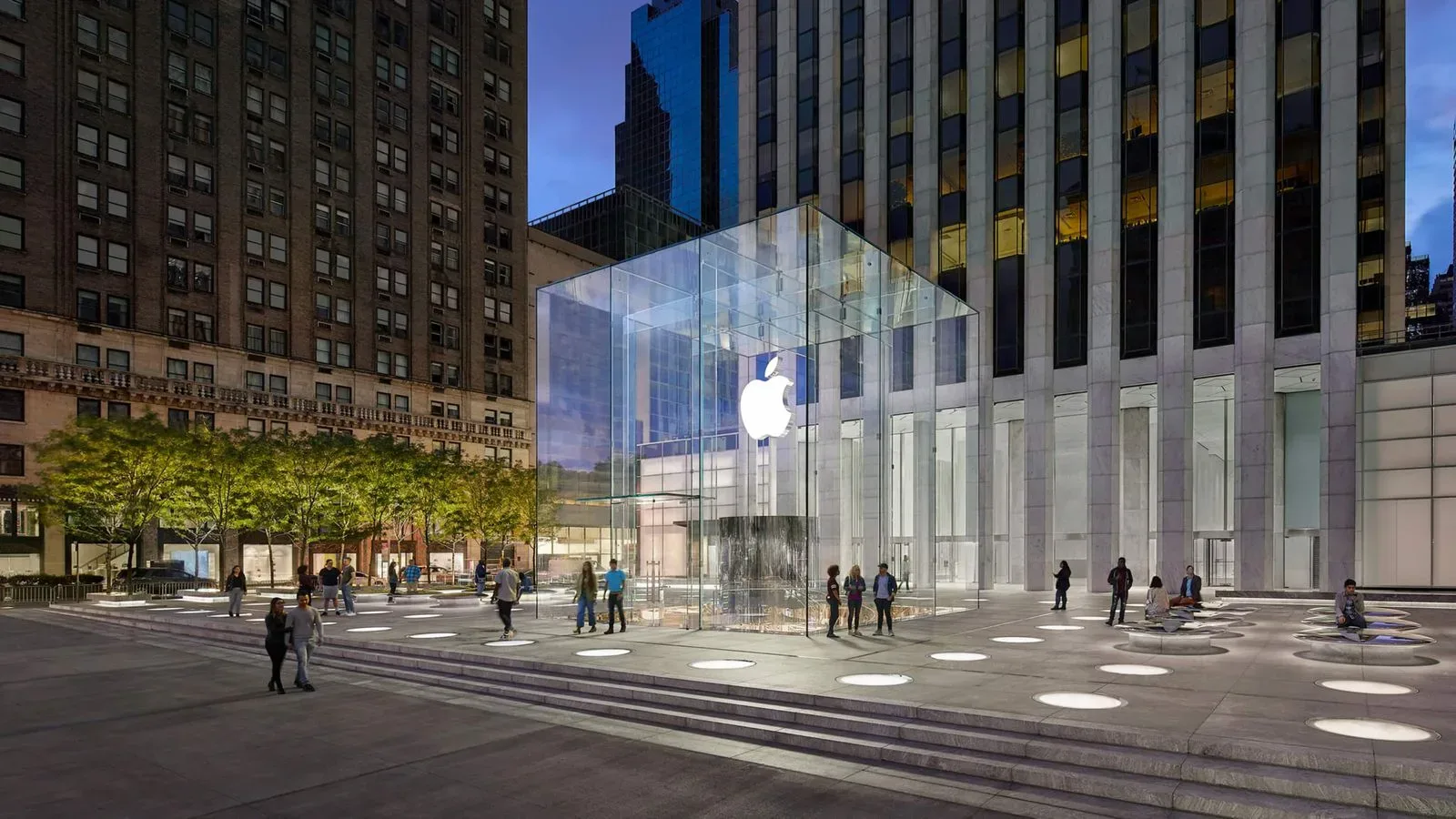
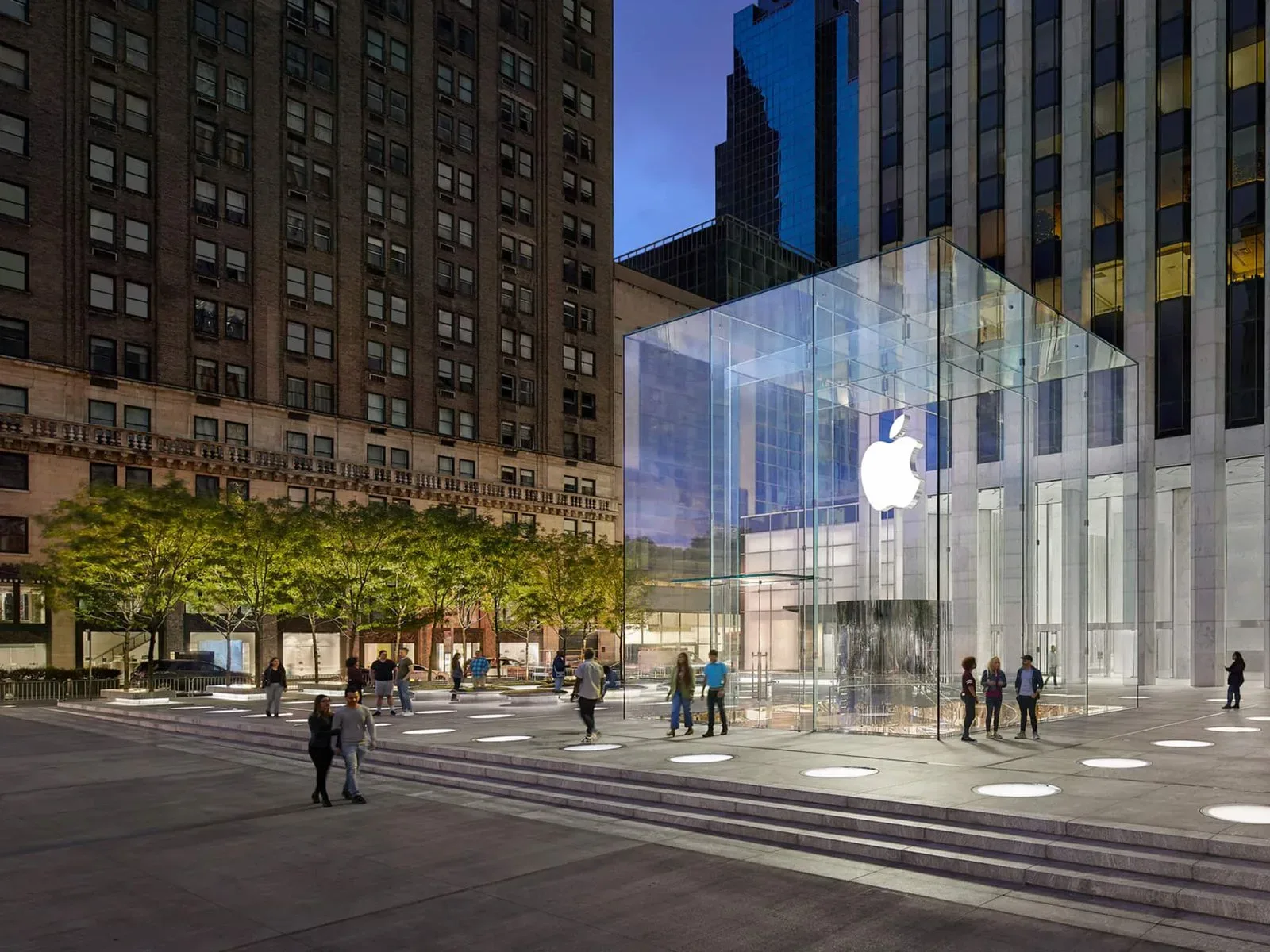
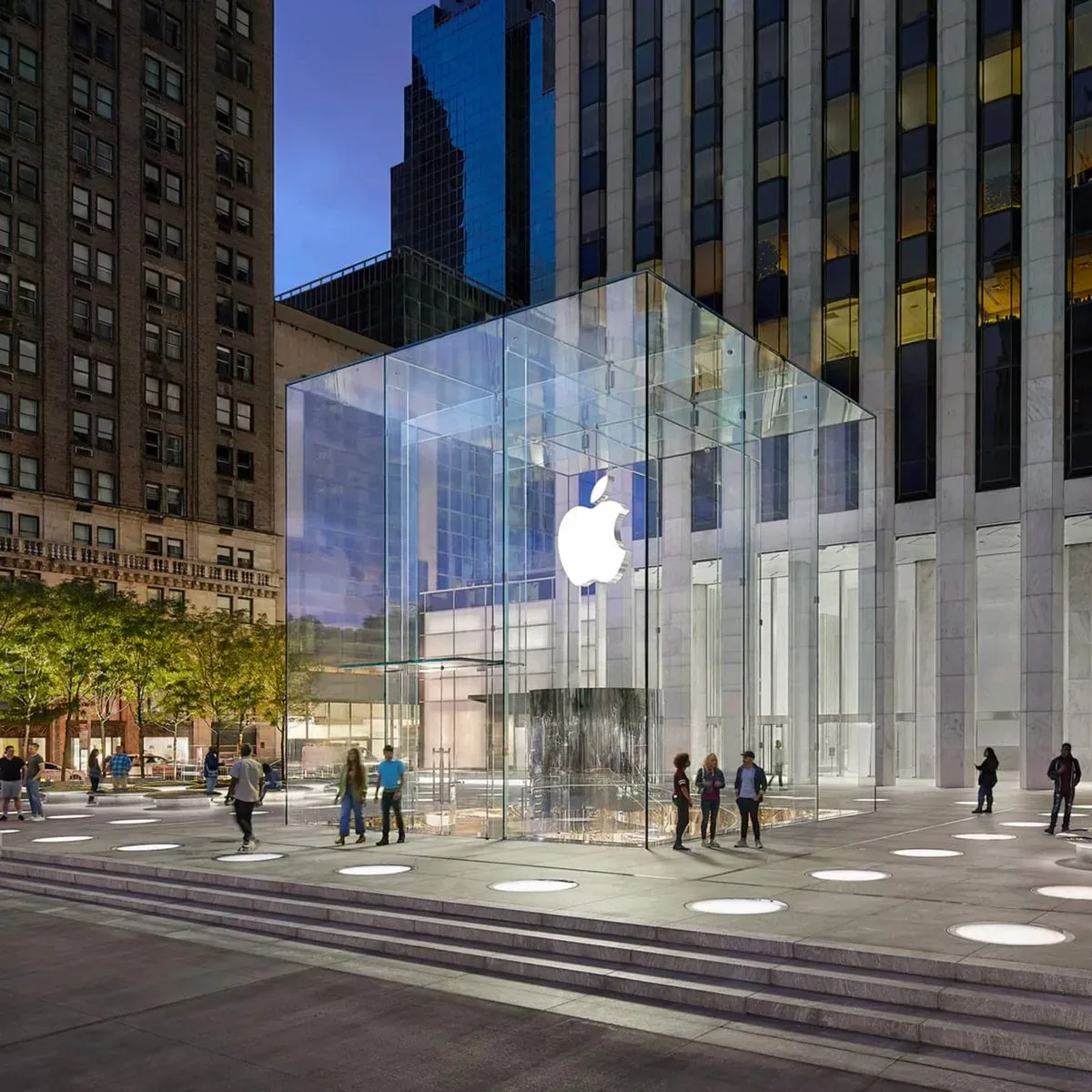
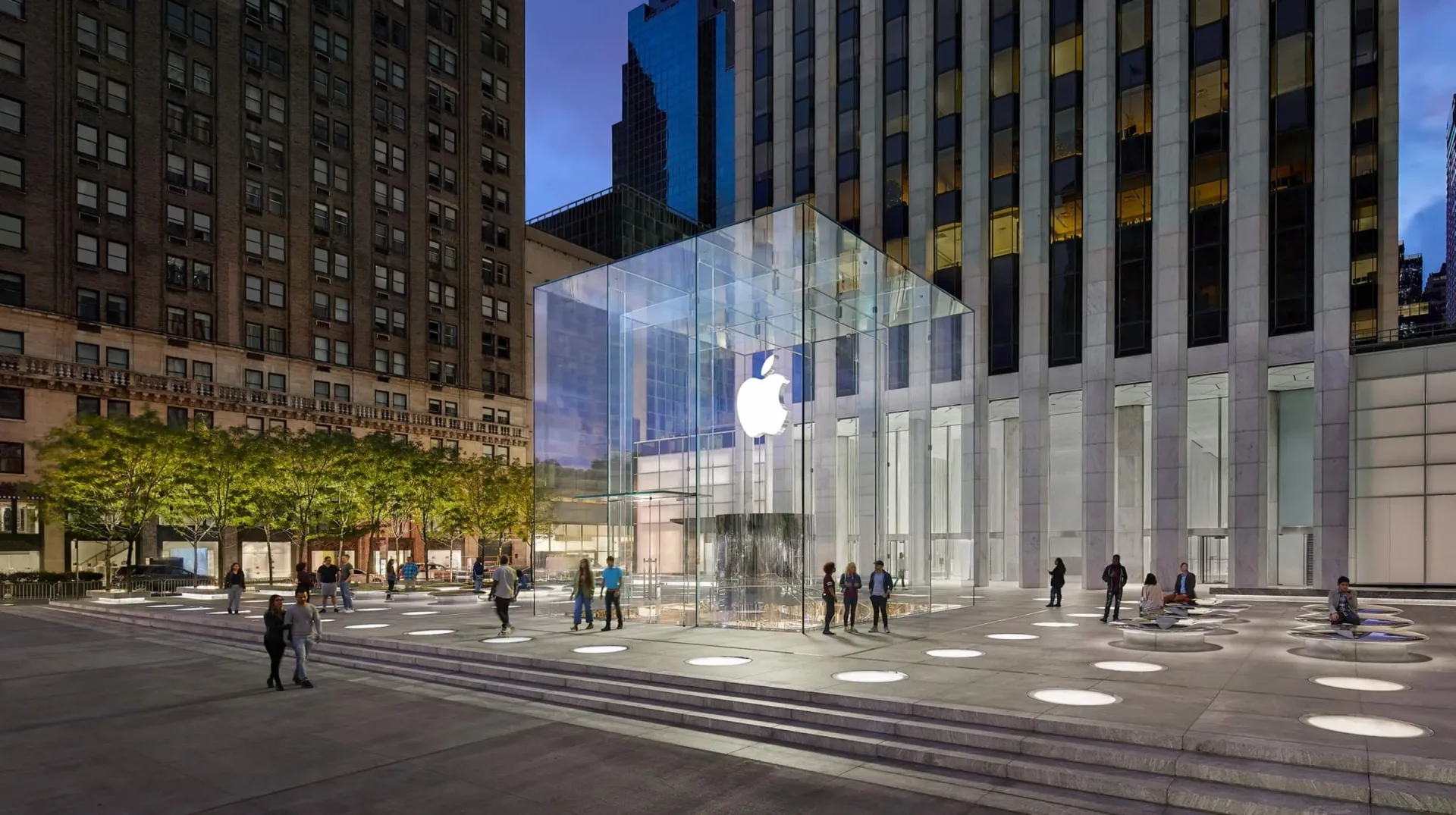
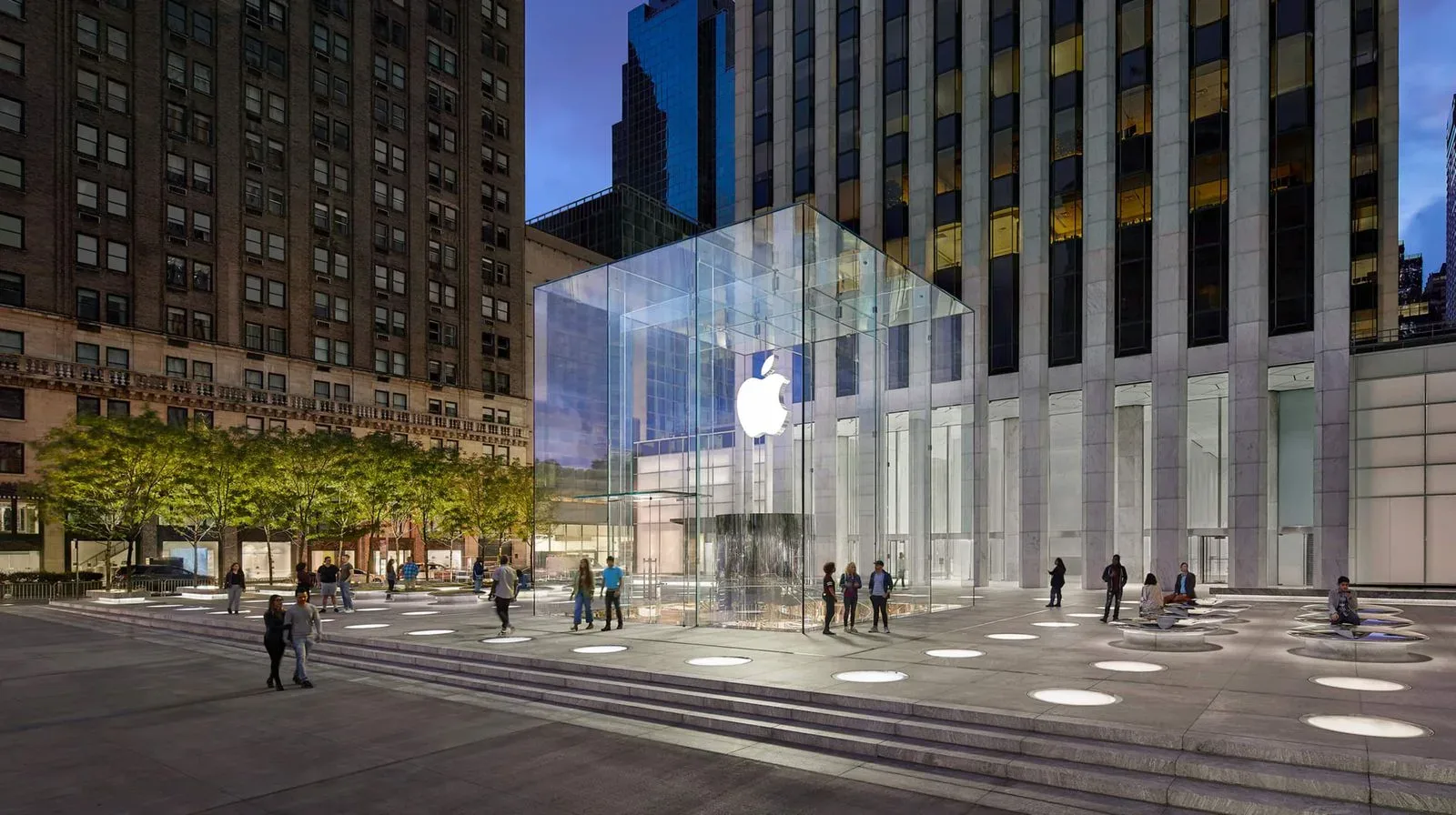
Demo-device counts are expected to differ sharply from one location to another. Apple’s Fifth Avenue store in New York is reportedly set to receive more than 150 iPhone Duo units for customer demonstrations and other displays. The Apple Park Visitor Center is expected to have close to 100.
Three other high-profile locations are expected to receive roughly 30 to 40 devices each:
- Michigan Avenue in Chicago
- The Grove in Los Angeles
- Apple’s Upper West Side store in Manhattan
Non-flagship stores, by comparison, are expected to average about 20 demo units apiece. These are demonstrations allocations, not promised inventories for sale. That distinction is important. A store can have a substantial number of phones on display and still have a much smaller quantity of boxed retail stock for immediate purchase.
The uneven distribution also gives prospective buyers a useful planning signal. Anyone who primarily wants to evaluate the hardware before committing may have more opportunity at a flagship store, where a greater number of devices could reduce the chance that every demo unit is occupied. Conversely, a smaller local store may still be sufficient for a straightforward look, but shoppers should not assume a showroom full of hardware means broad launch-day availability.
The comparison table is a quiet but important detail
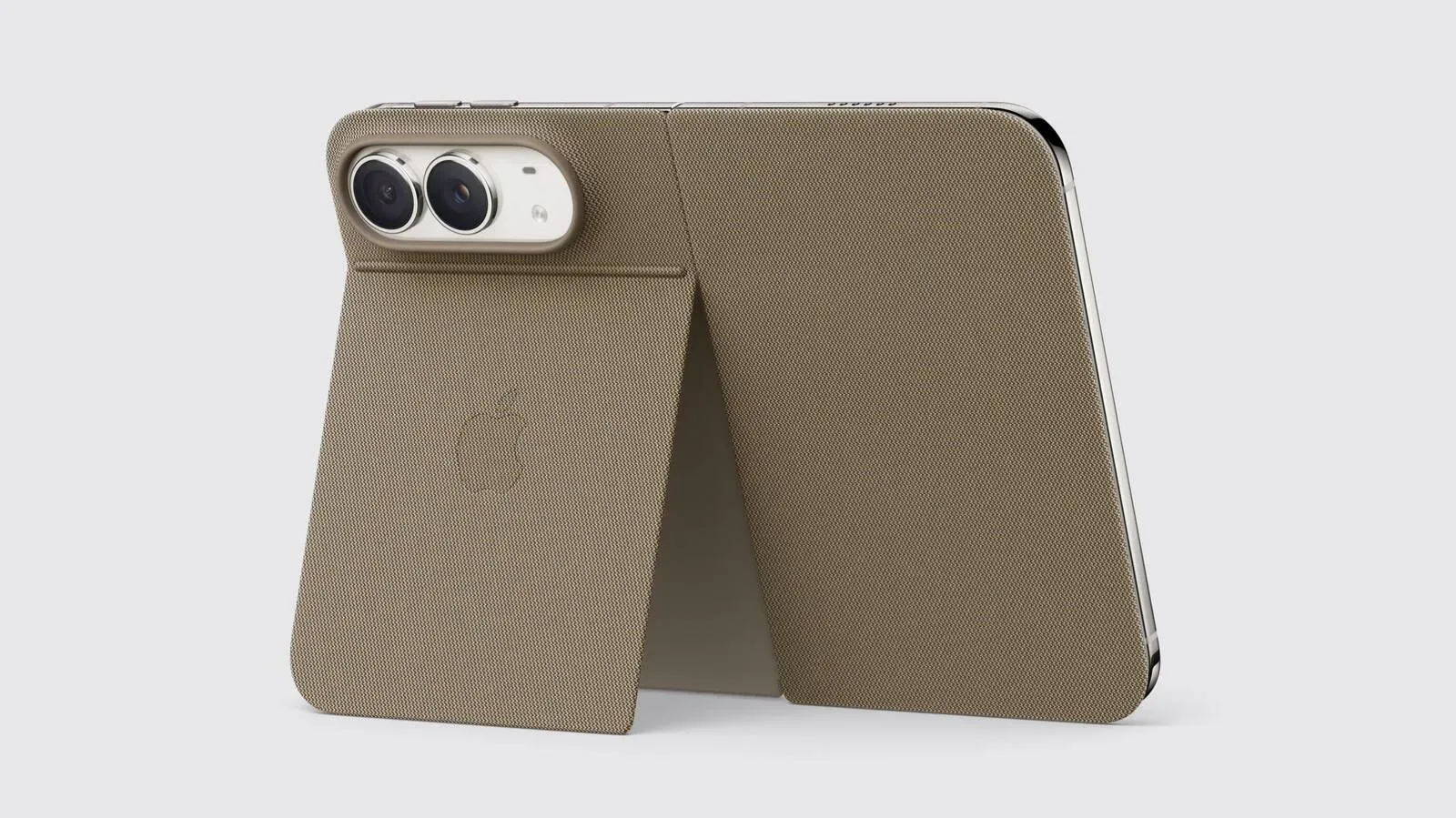
Apple has reportedly designed a MagSafe stand that holds one open iPhone Duo alongside two conventional iPhones. MagSafe is Apple’s magnetic accessory system, used here to position the devices for an in-store comparison.
This setup should make it easier to assess the Duo against familiar phone formats rather than considering it in isolation. The open foldable can be visually dramatic on its own; placing standard iPhones beside it helps show the practical trade-off in footprint and viewing area. For shoppers, that is likely more useful than a generic “bigger screen” claim. They can inspect the difference with the phones oriented together, then decide whether the Duo’s format addresses a real need or is simply novel.
It is also a sensible way to frame an expensive new category. The $1,999 starting price puts the Duo well beyond the casual-upgrade territory of many buyers. A side-by-side display does not answer every question, but it can help a customer evaluate whether the device’s physical format is worth the premium. Buyers should still separate what a retail display can establish—size, folding action, positioning and interface visibility—from what it cannot establish in a few minutes, such as how the device fits into a person’s long-term habits.
Limited supply remains the complication
The large demonstration plans arrive against a backdrop of tighter supply than Apple had expected. Roughly two months earlier, the company reportedly believed production constraints could delay the beginning of sales until later in November. It has apparently assembled enough inventory to proceed with an October release, but supplies are still expected to be constrained.
Production constraints are limits that prevent a company from making or preparing as many units as it wants in the intended timeframe. The available information does not identify the specific constraint, so it would be speculation to assign it to any one component, assembly stage or design element. What is clear is the practical outcome: Apple has enough iPhone Duo inventory to start sales on October 23, yet not necessarily enough for an easy, broad launch.
For buyers, limited stock makes pre-order timing more consequential. Pre-orders are scheduled to begin on October 16 at 5 a.m. Pacific Time, one week before sales begin. Shoppers who already know they want the phone may prefer to be ready at that time rather than relying on launch-day walk-in availability. Those who want to handle it first face a more difficult trade-off: wait for an in-store demo, or place an order before seeing the hardware in person.
There is no supplied indication of how long a wait could be, which models or locations may be affected most, or how inventory will be refreshed. It is therefore best to treat “limited” as a warning about uncertainty, not as a guarantee that every store will immediately sell out. The most defensible expectation is simply that availability may be uneven and that a display unit should not be mistaken for a unit ready to buy.
Presto machines will prepare sealed phones wirelessly
Apple is also equipping stores with Presto machines adapted for the iPhone Duo. Presto is Apple’s wireless system for installing software updates on an iPhone while it remains sealed in its retail packaging. That means a buyer can receive a phone with needed software already applied without an employee opening the box.
The system is also expected to add the buyer’s name to the greeting shown during the device’s first startup. This personalized greeting is expected to be offered at U.S. Apple Stores in English and Spanish.
It is a small detail, but it illustrates the difference between a display-heavy launch and a standard transaction. Apple is preparing both the public-facing part—fixtures, comparison stands and many demo devices—and the back-end store process used to deliver sealed hardware with current software. For a product that may be in short supply, keeping the box sealed while completing an update could help preserve the familiar new-device unboxing experience.
Buyers should not read the presence of Presto as an extra device feature. It is a retail-preparation tool, not a capability exclusive to the iPhone Duo after purchase. The personal greeting is likewise part of the first-startup experience, rather than a reason to expect different hardware or software functionality.
What prospective buyers can do
The situation calls for two separate plans: one for buying and one for evaluating. People who have already decided that the iPhone Duo is right for them can focus on the October 16 pre-order window. Those who need to assess the physical design should check local-store options and recognize that flagship stores are expected to have much larger demo allocations.
- Know the dates: pre-orders open October 16 at 5 a.m. Pacific Time; sales begin October 23.
- Separate demos from inventory: a store’s ability to show the iPhone Duo does not establish its quantity of sale stock.
- Use the comparison setup: compare the open Duo with the conventional iPhones on the MagSafe stand instead of judging it only from marketing images.
- Test the physical concept: pay attention to how the phone folds and unfolds and how StandBy looks in the Avenue area.
- Plan around uncertainty: limited supply may make a prompt order more practical for buyers who do not want to wait.
The iPhone Duo’s retail strategy appears designed to make an unfamiliar form factor feel understandable before anyone pays $1,999. Apple is allocating substantial attention to the in-store demonstration, particularly at a handful of prominent locations, while its supply position may force customers to make faster decisions than usual. For anyone weighing a foldable iPhone, the useful question is not only whether the device looks impressive open on a table. It is whether that folding format earns its place—and its price—in everyday use.
Apple’s wider device roadmap is also worth watching for shoppers deciding whether to buy now or wait; the company’s tablet direction has been discussed in reports about an entry-level iPad gap and possible future OLED iPad Air plans. That does not change the Duo’s launch details, but it reinforces the value of judging each product on its own confirmed retail timing and capabilities.