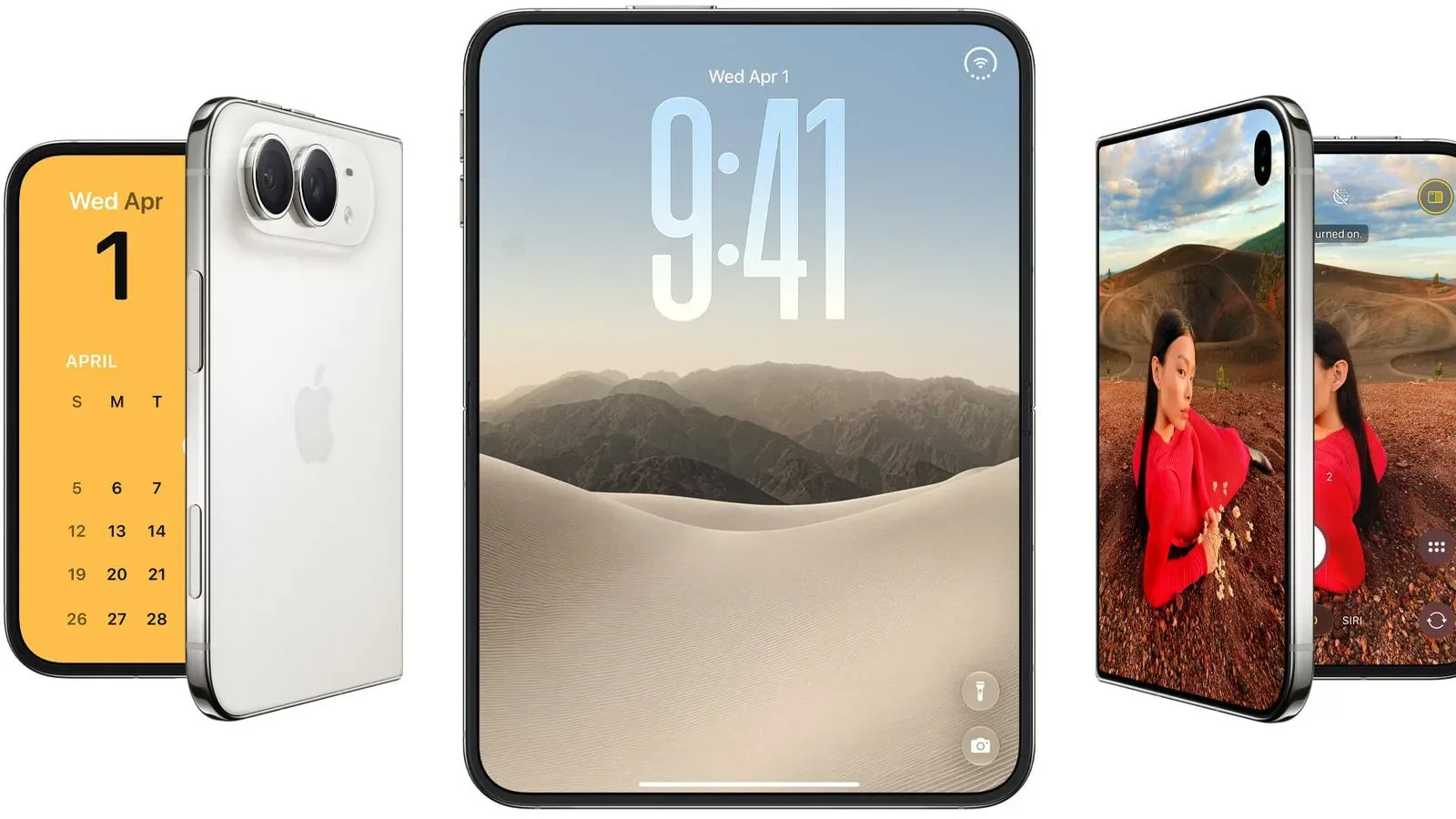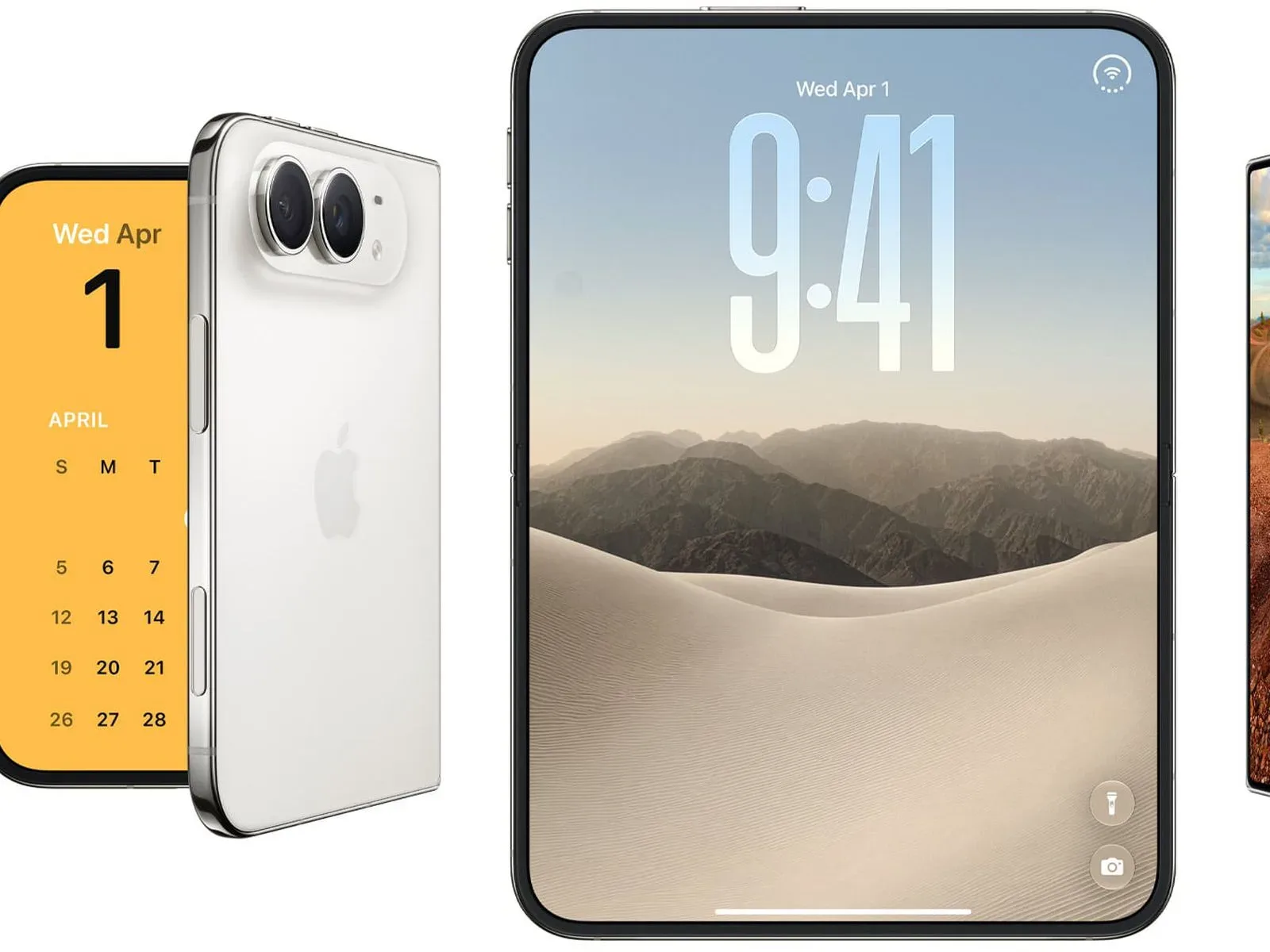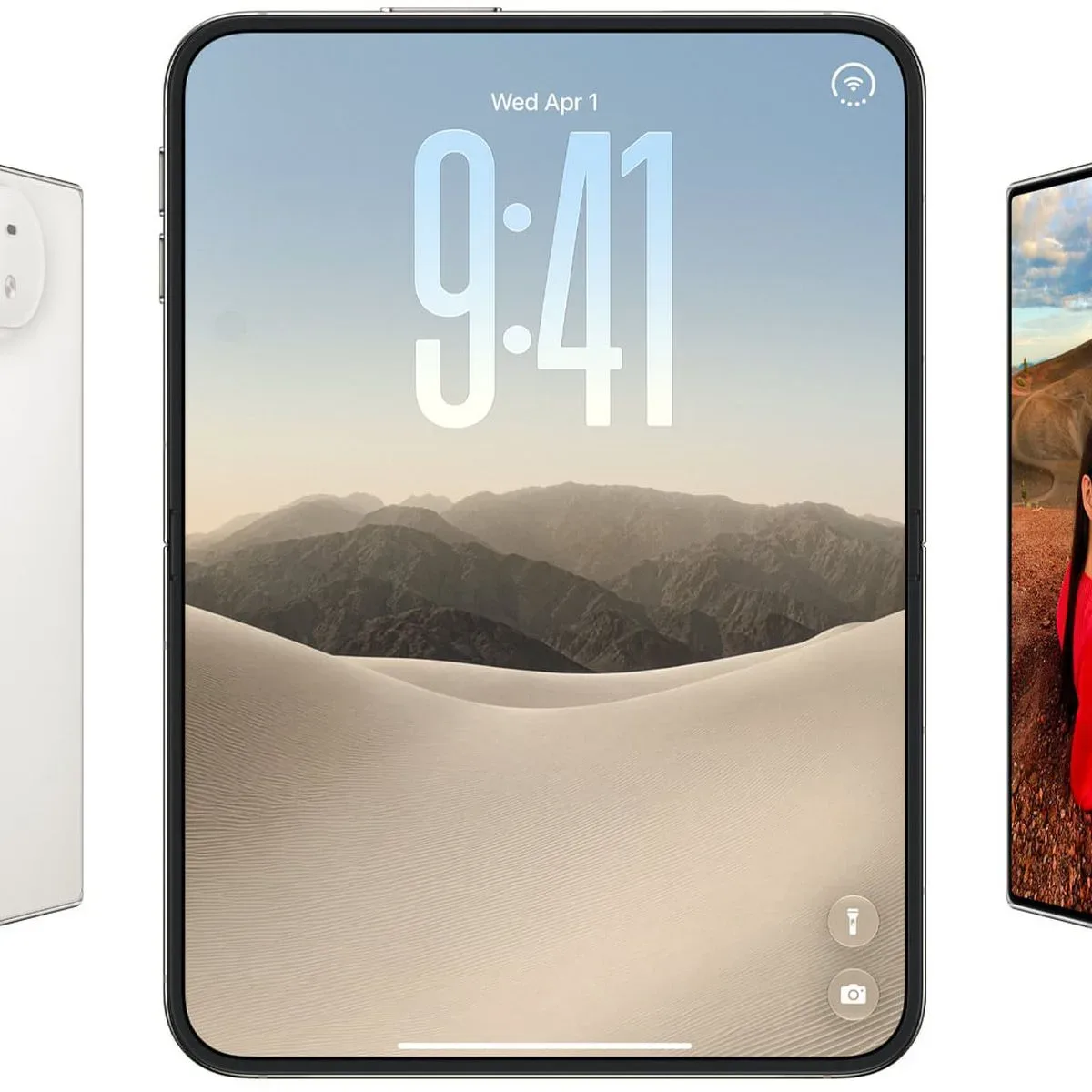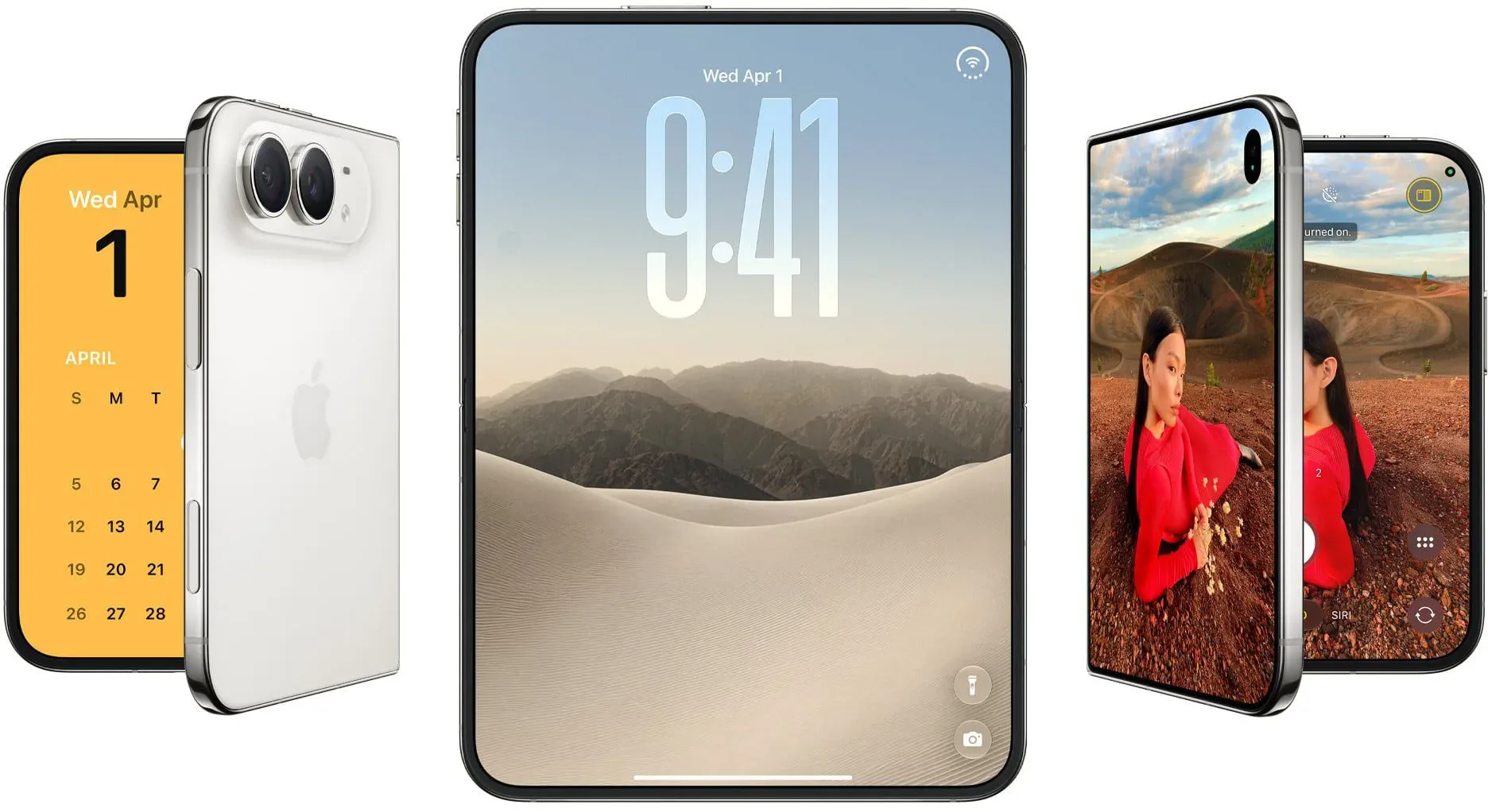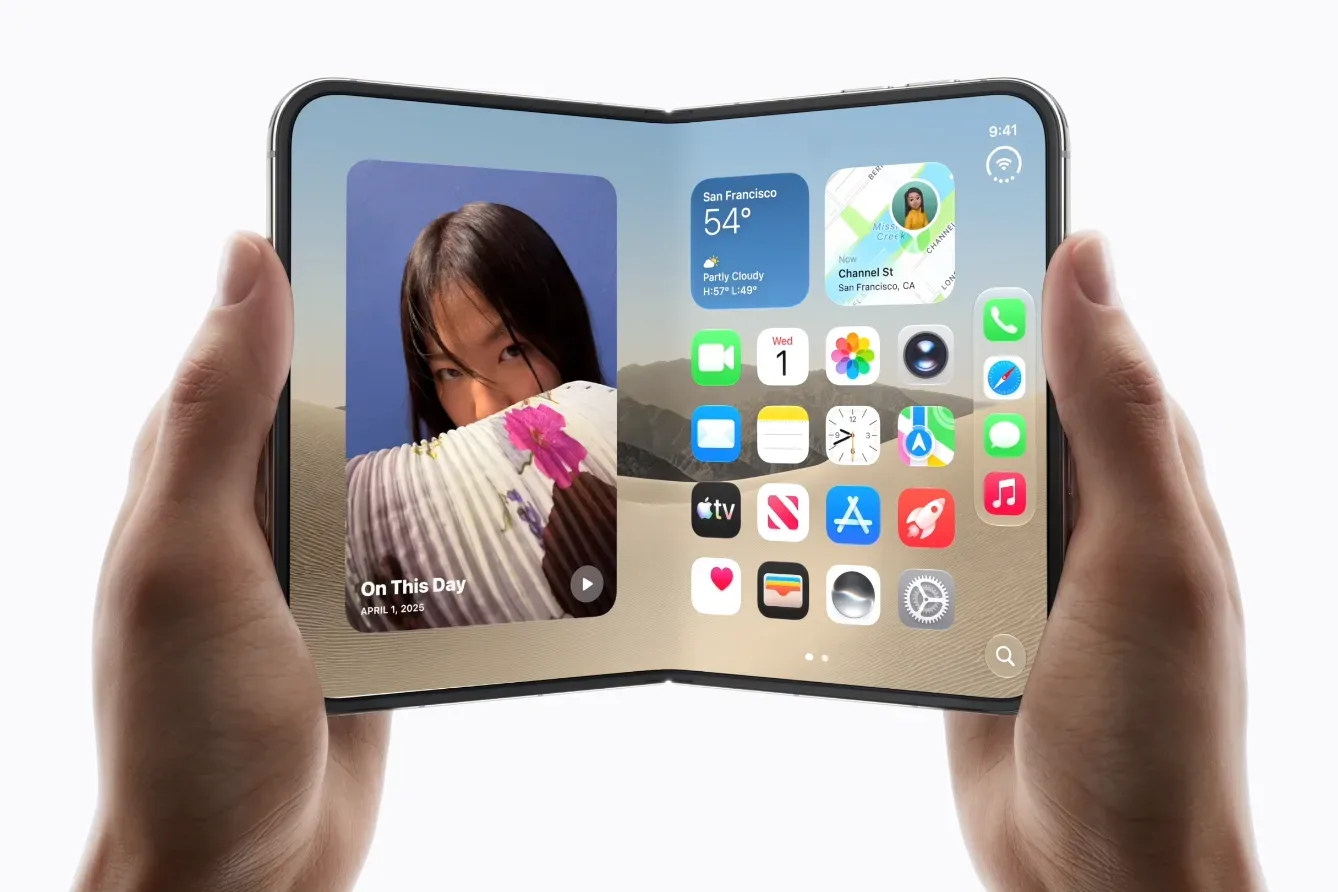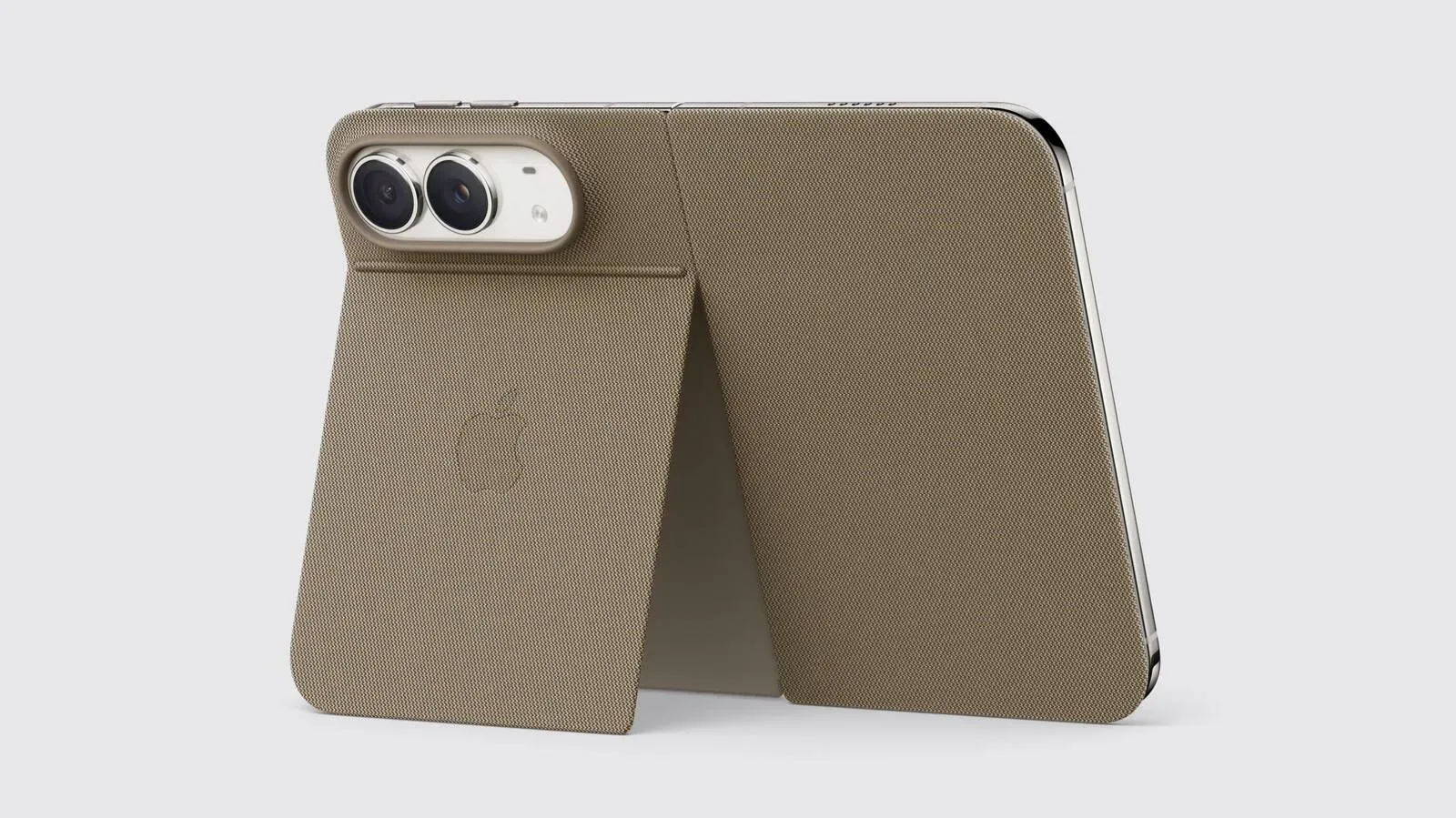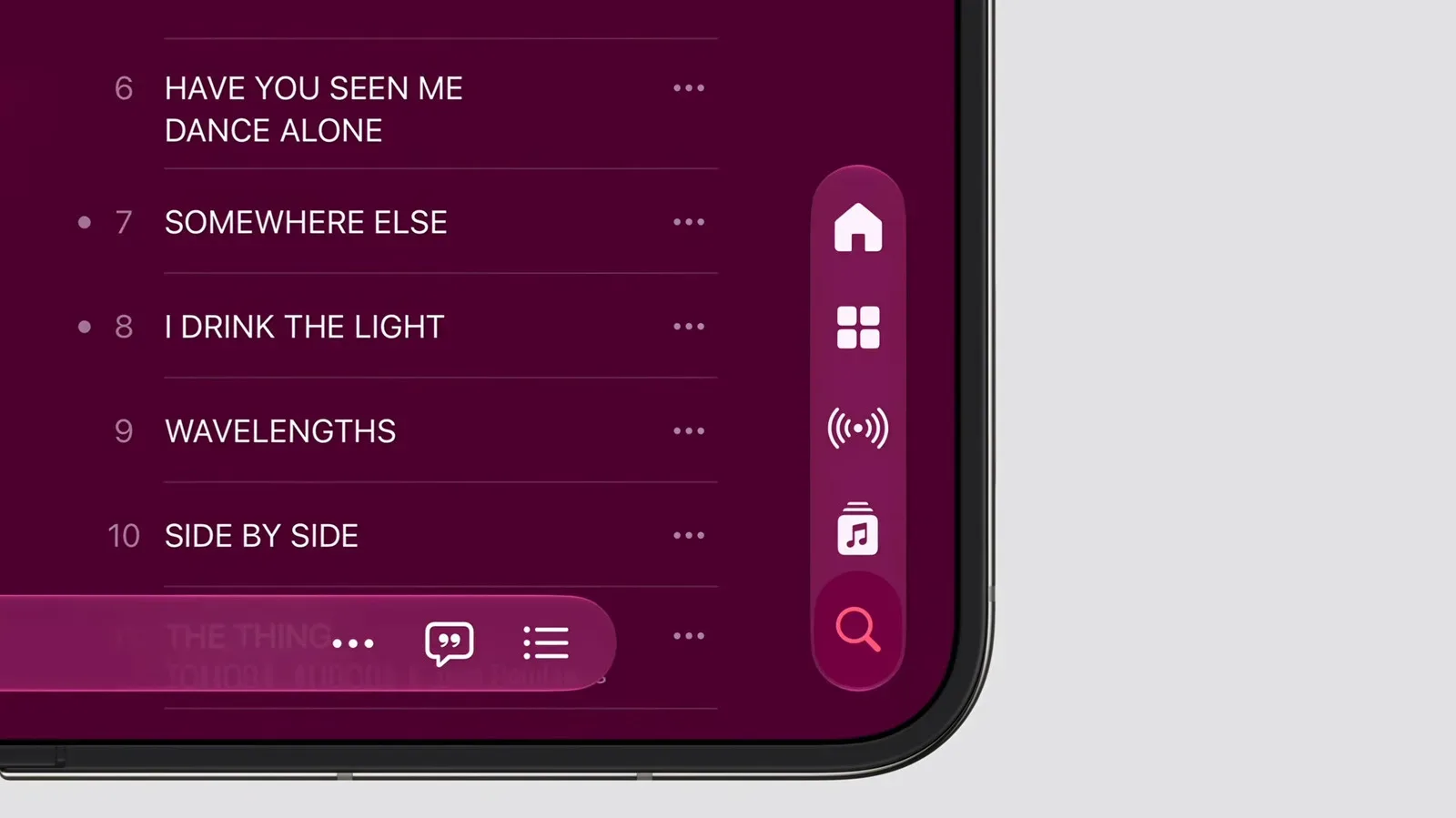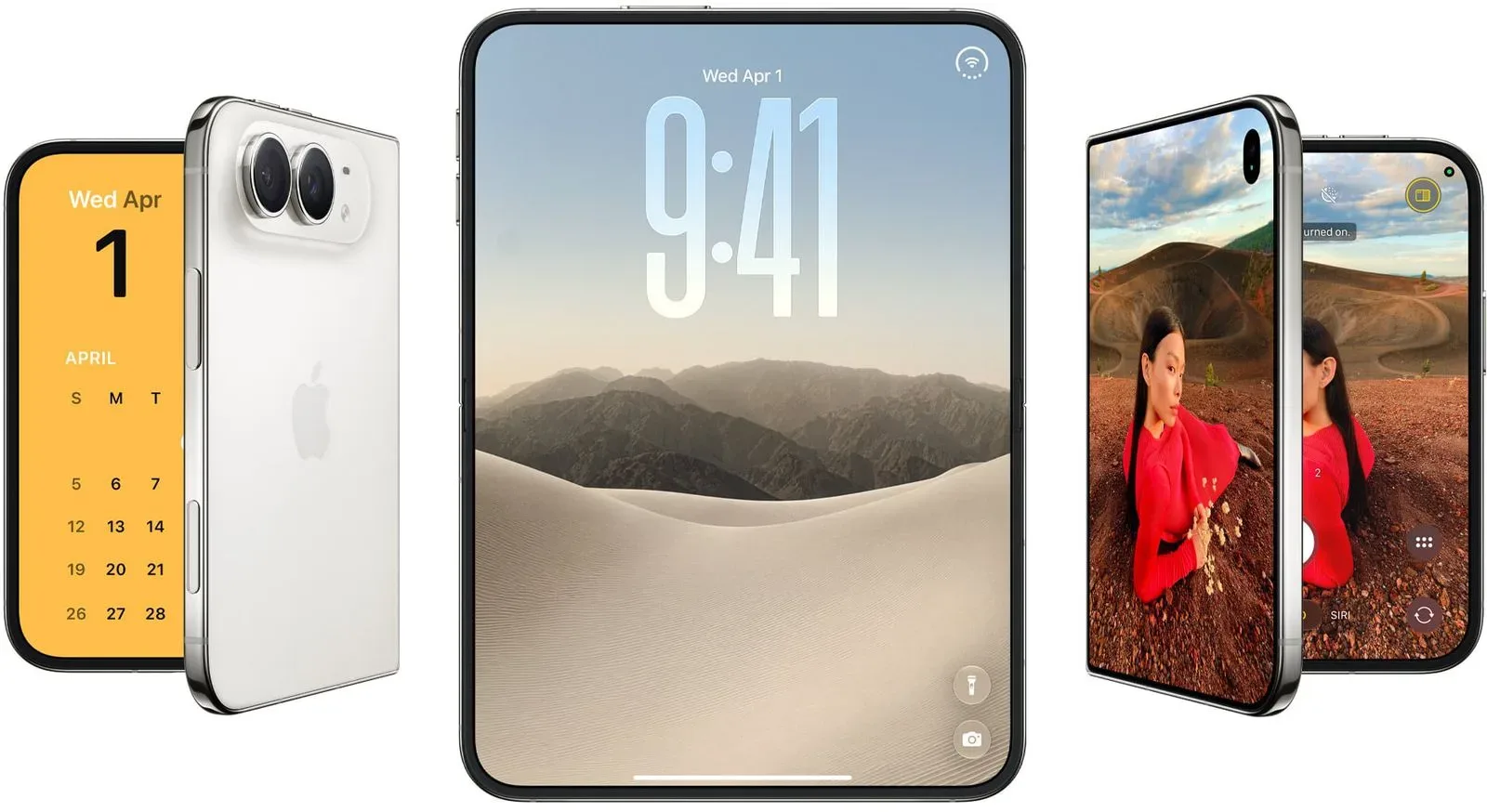
The iPhone Duo’s charging picture is now substantially clearer: the foldable handset includes a magnetic charging array and supports both MagSafe and Qi2.2 wireless charging at up to 25W. That answers one of the lingering practical questions around the device, whose unusual foldable format made its accessory and charging compatibility especially worth watching.
Wireless charging is rarely the flashiest part of a phone announcement, particularly when the phone in question folds open into a larger display. Still, it is a daily-use feature, and magnetic alignment can be one of those small conveniences that becomes far more noticeable when it is absent. The iPhone Duo will retain that magnetic charging option rather than asking owners to treat its new form factor as a trade-off in basic charging behavior.
The specification also puts the iPhone Duo on equal footing with the iPhone 18 Pro models for maximum MagSafe wireless charging speed: up to 25W. Third-party charging accessories using the Qi2.2 standard can likewise deliver up to 25W. For a premium phone beginning at $1,999, that consistency matters. Buyers evaluating a foldable at this price are not just comparing screen size or hinge design; they are considering whether existing habits, chargers and bedside setups can carry over.
A magnetic array makes the foldable fit familiar charging routines
MagSafe is Apple’s magnetic attachment system for compatible chargers and accessories. In charging terms, the magnets are designed to help place a charger in the intended position, removing some of the fuss that can come with ordinary wireless charging pads. The iPhone Duo’s confirmed magnetic array means compatible magnetic chargers can attach to the handset rather than relying solely on a phone being set down in roughly the correct spot.
That may sound like a minor detail, but it has a few real-world implications. A magnetic charger can be useful on a desk, at a nightstand, or while a device is being picked up and put down during the day. It also matters for people who have already built a collection of compatible stands, battery packs, wallets, docks and charging pucks around MagSafe. The confirmation does not establish compatibility details for every existing accessory, and prospective owners should check individual accessory specifications. It does establish that the iPhone Duo itself has the magnetic charging foundation those products depend on.
It is particularly notable on a foldable product. New categories can sometimes create uncertainty around the mundane features that make a device easy to live with: charging placement, cases, stand support and the overall accessory ecosystem. The iPhone Duo’s magnetic system suggests that the folding design does not remove MagSafe charging from the equation.
For a broader look at the handset’s positioning, including its 7.6-inch unfolded display and entry price, see the iPhone Duo’s foldable display and pricing details.
25W is the stated ceiling for MagSafe and Qi2.2
The key number is 25W. The iPhone Duo supports MagSafe wireless charging at up to 25W, matching the stated MagSafe maximum of the iPhone 18 Pro and iPhone 18 Pro Max. The word up to is important: it identifies a maximum supported rate, not a promise that every charging session, charger, cable, power adapter, battery level or temperature condition will produce that figure.
Wireless charging performance can vary with the accessory and the surrounding charging setup. A compatible charging pad or stand needs to support the relevant standard and power level, while the power source feeding that charger is also part of the chain. Cases and alignment can affect the experience as well. The newly confirmed specification gives iPhone Duo owners a clear target—25W—without eliminating the usual need to pair the phone with suitable equipment.
Qi2.2 support is equally important because it expands the story beyond accessories carrying Apple’s own MagSafe branding. The iPhone Duo can charge at up to 25W via third-party Qi2.2 accessories. That provides a standards-based path to the same maximum wireless charging rating, provided the accessory supports Qi2.2 at that level.
For shoppers, the distinction is simple enough: MagSafe remains available, and compatible third-party Qi2.2 gear is not limited to a lower maximum merely because it comes from another accessory maker. It is an especially useful detail for anyone who prefers a multi-device charging station, a particular stand design, or a travel charger from outside Apple’s own accessory range.
What the two wireless options mean
- MagSafe: The iPhone Duo supports magnetic wireless charging at up to 25W.
- Qi2.2: Third-party Qi2.2 accessories can also charge the phone wirelessly at up to 25W.
- Practical takeaway: The foldable’s magnetic charging support is confirmed, while accessory buyers should still verify that a specific charger supports the desired standard and output.
This is not simply a spec-sheet contest. The availability of both routes gives owners flexibility. Someone already using MagSafe chargers has a familiar option. Someone choosing a new charger from the wider Qi2.2 market has an option that can reach the same stated maximum. And someone who sees the iPhone Duo as a long-term, premium purchase can weigh accessories with a little more confidence than when magnetic support was still uncertain.
Wired charging remains the quicker route
The iPhone Duo also supports faster charging over a wired connection. Its stated wired result is 50 percent charge in 20 minutes. On paper, that is quicker than its 25W wireless maximum in the broad sense that wired charging is identified as the faster choice, but it trails the comparable claim for the iPhone 18 Pro and iPhone 18 Pro Max.
The Pro and Pro Max models are rated to reach 50 percent in 15 minutes, making the iPhone Duo five minutes slower to the halfway mark. That is a modest but meaningful difference, particularly for people who judge a phone’s charging capability by how rapidly it can recover during a short stop at an outlet. The Duo’s 20-minute figure remains the relevant expectation for buyers who prioritize a quick wired top-up; the Pro models retain the advantage in this specific comparison.
It would be easy to overread that gap, so the scope of the comparison should stay precise. The available information supports a direct contrast between the published 50-percent times: 20 minutes for iPhone Duo and 15 minutes for iPhone 18 Pro and Pro Max. It does not, on its own, explain why the products differ, establish total time to a full charge, or describe performance under every condition. Battery charging is not always linear, and a single 50-percent benchmark should be understood as one published measure rather than the whole charging story.
Even so, the numbers create a sensible division of roles. Wireless charging provides the convenience of a magnetic attachment and a 25W maximum through either MagSafe or Qi2.2. Wired charging is the route to choose when getting back to 50 percent as quickly as possible is the priority. The iPhone Duo offers both, though the fastest stated half-charge result in this family belongs to the Pro and Pro Max phones.
Dates, storage and the premium foldable proposition
The iPhone Duo goes on sale October 16 and launches October 23. Pricing begins at $1,999 for the model with 256GB of storage. Those dates give prospective buyers a week between the opening of sales and the device’s launch, while the starting configuration makes clear that this is positioned as a high-end product from the outset.
At that price, charging support is not likely to be the sole reason anyone selects the iPhone Duo. Foldable buyers will have larger questions about the format, display, portability and how the phone fits into their work and entertainment routines. But charging can be a veto point. A customer who depends on magnetic charging stands or who wants a viable third-party wireless accessory market now has a concrete answer: the device supports MagSafe and Qi2.2, each at up to 25W.
The confirmation also removes an unnecessary ambiguity from the foldable’s launch checklist. Rather than introducing a new design while stepping away from familiar magnetic charging, the iPhone Duo brings the feature along. It pairs that wireless support with a published wired benchmark of 50 percent in 20 minutes, though shoppers comparing it directly with the iPhone 18 Pro line should account for the Pro and Pro Max models’ faster 15-minute half-charge claim.
In short, the iPhone Duo’s charging specifications present a balanced premium-device setup: magnetic wireless charging is supported, standards-based third-party Qi2.2 charging can reach the same 25W ceiling, and wired charging remains the speed-oriented option. The only clear compromise in the available comparison is that its published wired charge-to-50-percent time is five minutes behind the iPhone 18 Pro and Pro Max. For prospective owners, that is a straightforward trade-off to consider before October 16 sales begin and the October 23 launch arrives.