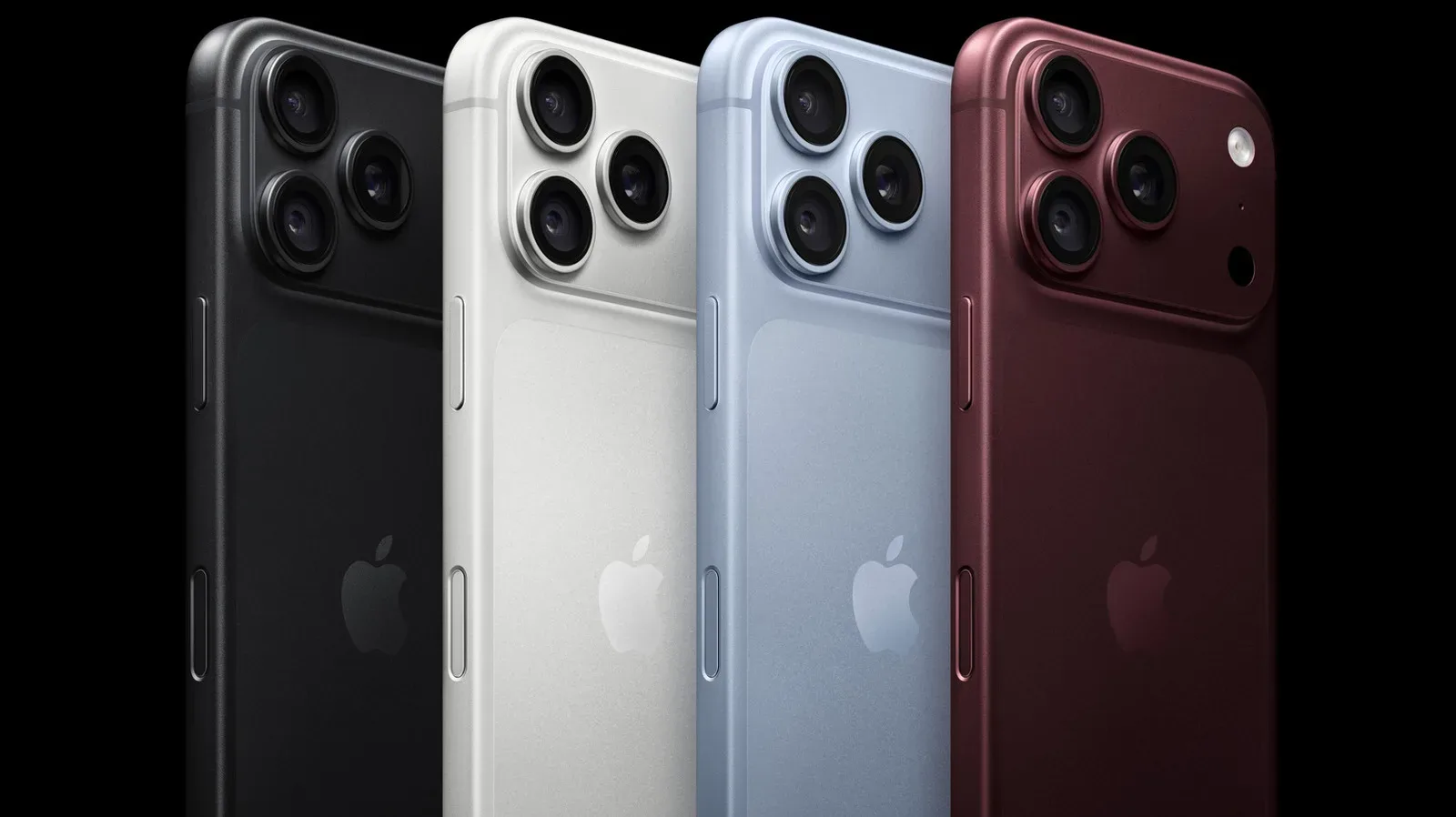
The global smartphone market contracted sharply in the third quarter of 2026, but the pain was far from evenly distributed. New-phone shipments fell 20% year over year, reaching the lowest third-quarter level seen since 2012. At the same time, Apple and Samsung increased their portions of a smaller market, while Xiaomi, Oppo and Vivo saw substantial shipment declines.
The central pressure is memory. Rising prices for DRAM and NAND—two essential types of memory used in modern phones—have pushed up manufacturers’ material costs amid continuing supply constraints. DRAM is the phone’s short-term working memory, used while apps and the operating system are active. NAND is the longer-term flash storage that holds apps, photos, files and the operating system itself. A handset needs both, so higher pricing in either category can affect the bill of materials for virtually every model.
Manufacturers appear to be prioritizing profit protection over absorbing those costs. Global retail smartphone prices have increased 20% since the start of the year, and the near-term outlook does not point to a quick reversal. That combination—fewer devices being shipped and higher prices on the devices that do reach buyers—helps explain why market-share gains should not automatically be read as shipment growth.
A larger slice of a smaller market
Market share measures a company’s proportion of all shipments, not necessarily the number of phones it shipped. This distinction is particularly important in this quarter’s results.
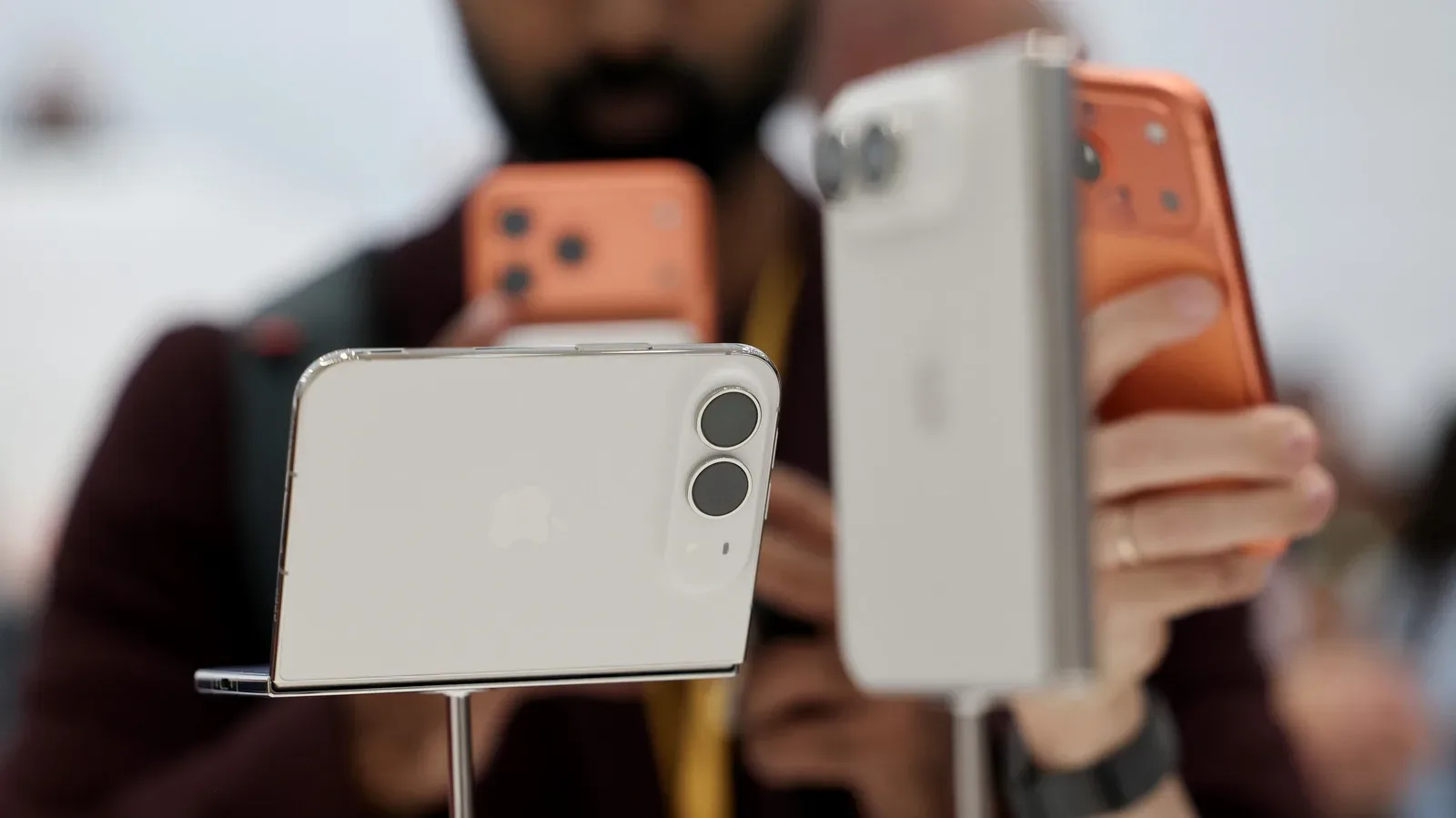
Samsung remained the largest smartphone manufacturer globally. Its share rose by four percentage points to 23%, even as its shipment volume declined 3% year over year. In simple terms, Samsung shipped fewer phones than it did in the comparable quarter, but the wider market fell even faster. Early demand for the Galaxy Fold 8, released in early August, was identified as one contributor to Samsung’s relative resilience.
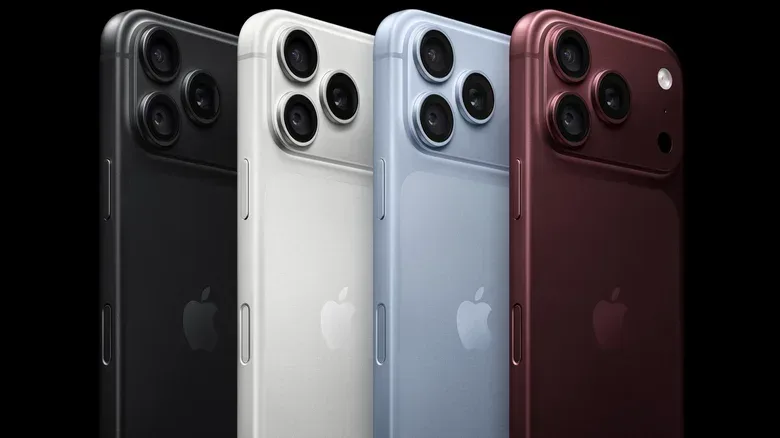
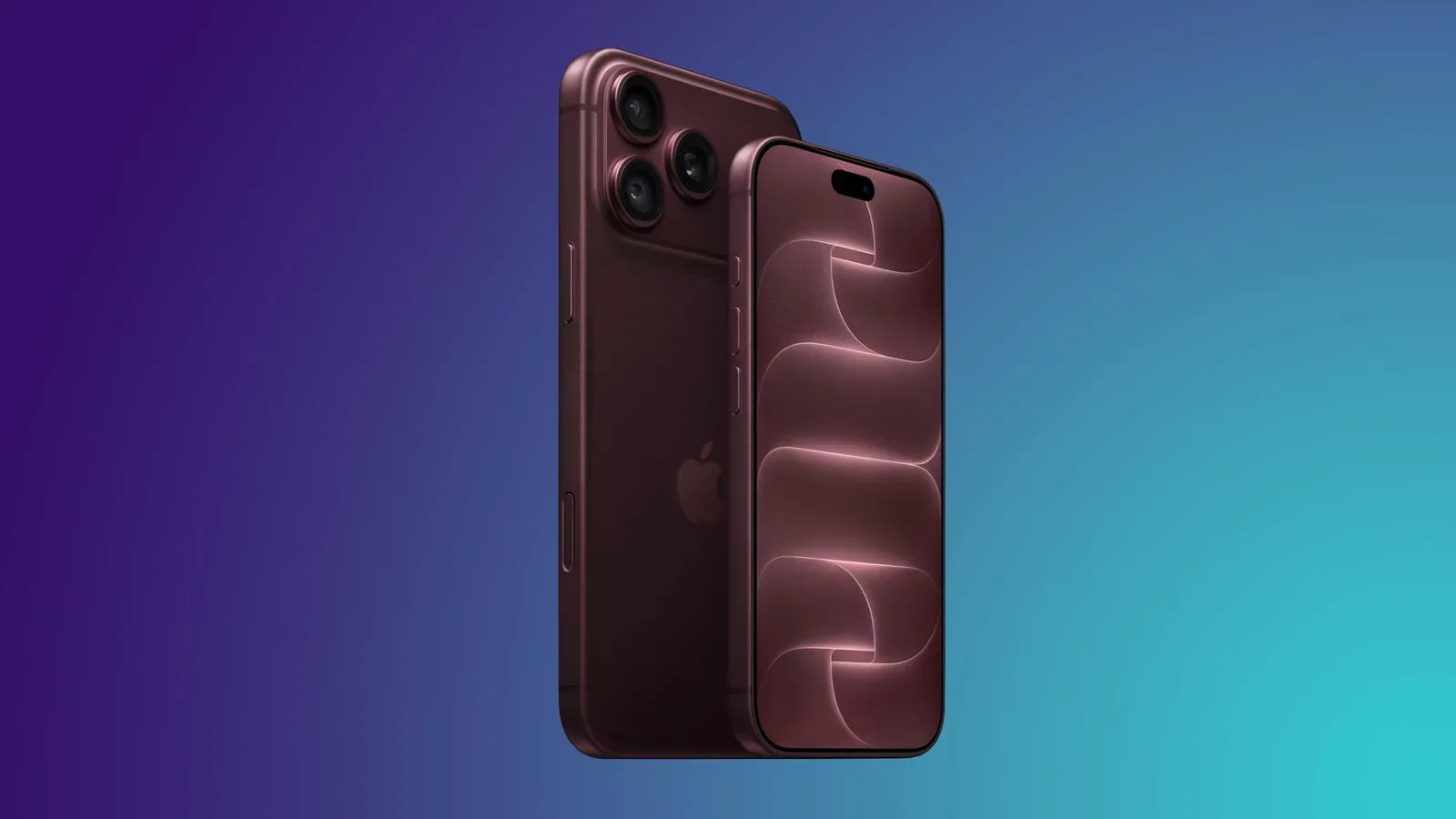
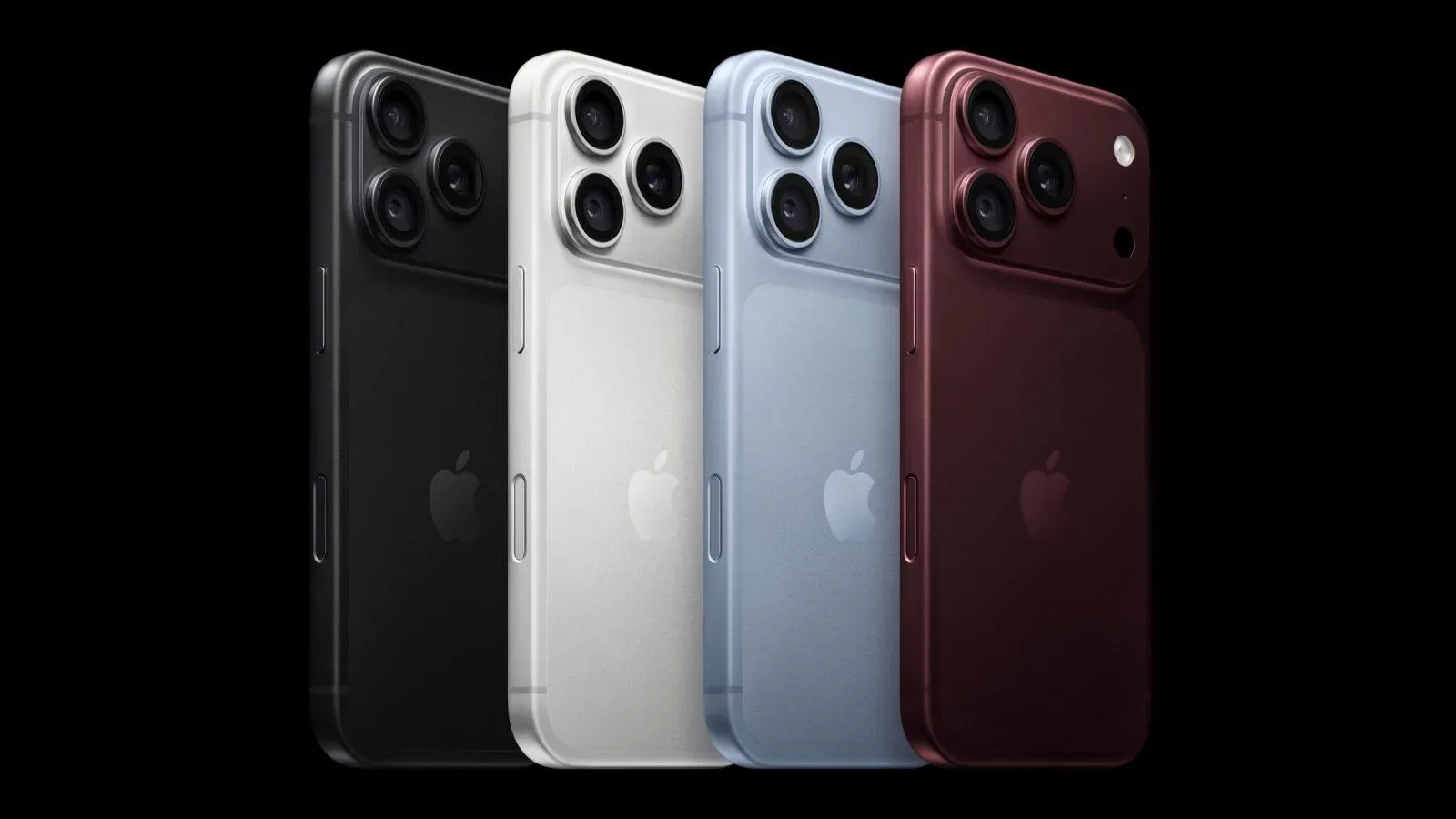
Apple posted a similar, though more pronounced, share story. Its quarterly share climbed from 18% to 22% year over year, marking the first time it exceeded 20% in any third quarter. Its shipment volume still declined, but it did so less severely than the overall market. Strong launch performance for the iPhone 18 Pro and continued momentum for the iPhone 17 supported that result. The base iPhone 18 had not yet launched during the period.
For readers comparing the two leaders, the most useful takeaway is not that either company escaped the downturn. Neither did. Instead, both held up better than many competitors while the market’s total volume shrank. Their increasing share is evidence of relative strength in a difficult environment, rather than proof that the market itself is healthy.
Premium phones gain importance when budgets tighten
The quarter’s results point to a market being pulled in two directions. Higher prices are encouraging many people to keep existing phones for longer and to consider refurbished devices rather than buying new. Yet some buyers are still choosing more expensive premium models. That split matters because premium devices can carry higher selling prices and may help manufacturers defend margins when low- and mid-range demand is under pressure.
“Premium” in this context should not be confused with a specific feature checklist. It describes the upper-priced portion of the market and the strategy of emphasizing models that can generate more revenue per sale. Samsung’s foldable demand and Apple’s iPhone 18 Pro launch fit the reported pattern, though the available figures do not establish that premium models alone caused either company’s share increase.
The rest of 2026 is expected to remain challenging, with the industry’s focus on premium devices likely to continue. That is an understandable response to rising component costs: when a larger portion of every handset’s cost comes from memory, manufacturers have an incentive to sell products that give them more room to preserve profitability. But it also introduces a risk. If retail prices keep climbing, more shoppers may postpone upgrades or turn to refurbished stock, limiting demand for new devices regardless of how feature-rich premium handsets become.
Apple’s strong Pro-model start comes before the base iPhone 18 enters the picture, so its 22% share should be viewed as a snapshot of this particular launch window, not a complete verdict on the full iPhone 18 range. For a separate look at how Apple’s foldable direction is being framed against a rival device, see the comparison of iPhone Duo and Xiaomi 18 Fold priorities.
Steeper declines for Xiaomi, Oppo and Vivo
The other side of the market-share chart was much harsher for three major Chinese manufacturers. Xiaomi’s shipments fell by more than 30% year over year. Its global market share consequently dropped from 14% to 10%.
Oppo and Vivo also recorded shipment declines of more than 20% from the third quarter of 2025. Their shares fell to 9% and 8%, respectively. Those figures are not merely a reflection of a weak overall market: all three companies lost share, meaning their shipment reductions were steeper than the 20% decline reported for the market as a whole.
That comparison is key to interpreting the results. A company can lose units yet gain share, as Samsung and Apple did, if rivals fall more quickly. Conversely, a company can be caught in an industry-wide downturn and still lose share if its volume drops faster than the market. Xiaomi, Oppo and Vivo were in the latter position during Q3.
The available data does not assign a distinct company-by-company cause for those declines. It would be a mistake to claim that one model, region, feature decision or sales channel determined the outcome. What the numbers do support is a broad competitive shift during a period of higher component costs and reduced demand for new handsets.
What higher memory costs mean for buyers
For consumers, the immediate implication is straightforward: a new phone may cost more than an equivalent purchase earlier in the year, and the market’s pricing pressure is not expected to disappear immediately. The reported 20% increase in global retail smartphone prices does not mean every phone has become exactly 20% more expensive in every territory. It is a market-wide measure, while real pricing will differ by product, seller and region. Still, it signals that the cost issue is broad enough to be visible at retail.
That backdrop explains the reported move toward longer ownership cycles. When the economic case for upgrading becomes weaker, buyers may decide their existing phone remains sufficient. Others may look at refurbished devices, which can offer an alternative to the cost of a new handset. Neither choice is presented as universally better; they are consumer responses to a market where new-device pricing has risen.
For someone deciding whether to purchase now, the relevant question is less about headline market share and more about personal need. A share gain for Apple or Samsung does not guarantee that any particular model is the right value for a buyer. Likewise, a decline at Xiaomi, Oppo or Vivo does not on its own describe the quality or suitability of a particular device. The report is a view of global shipment patterns, not a product-by-product buying guide.
- Shipment volume: the number of devices sent into the market during a period; it is not the same as the number of phones actively used by consumers.
- Market share: a brand’s percentage of those total shipments. It can rise even while that brand ships fewer devices, provided competitors decline faster.
- DRAM: temporary working memory that supports active tasks and apps.
- NAND: flash memory used for persistent storage, including apps, files and media.
- Refurbished device: an existing phone returned to sale rather than a newly manufactured unit, an option receiving more consideration as new-device prices rise.
The important number is the gap between brands
The 20% market-wide shipment decline is the headline figure, but the differences around it reveal the competitive result. Samsung’s volume slipped 3% while its share reached 23%. Apple increased share to 22% from 18%, despite its own volume decline. Xiaomi’s more-than-30% shipment reduction brought it to 10% share from 14%, while Oppo and Vivo each fell to single-digit share at 9% and 8%.
Those changes leave Samsung and Apple in notably stronger relative positions as the year continues. Their performance also reinforces the industry’s growing premium emphasis: Samsung benefited in part from early Galaxy Fold 8 demand, while Apple was helped by the iPhone 18 Pro and ongoing iPhone 17 sales. The evidence supports a correlation between those premium-device performances and relative share resilience, without proving that price tier was the only factor involved.
With memory shortages still unresolved and material costs elevated, the smartphone sector faces an uncomfortable equation. Manufacturers want to maintain profitability, consumers are confronting higher prices, and total shipments have already fallen to a third-quarter low not seen in more than a decade. The result is likely to be a market where selling fewer phones at higher prices becomes increasingly central to strategy—while the fight for each remaining unit grows more consequential.