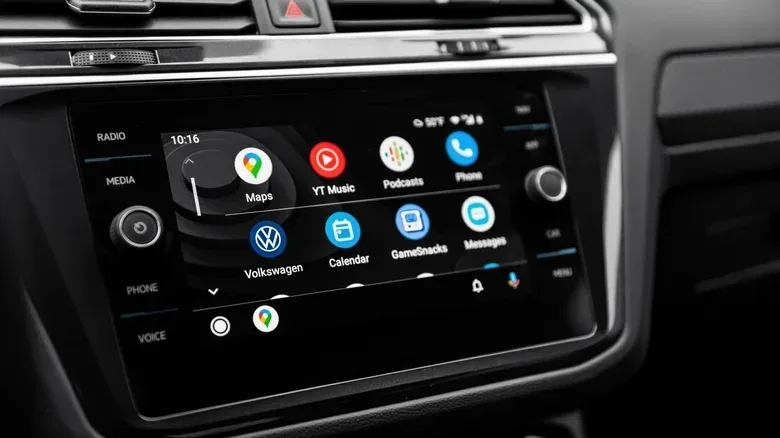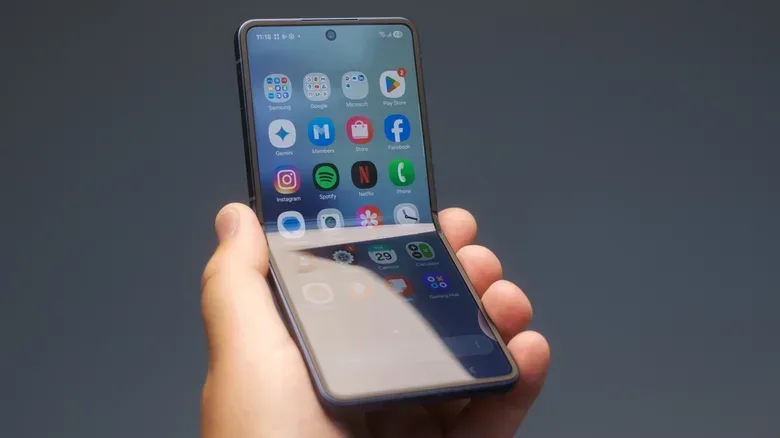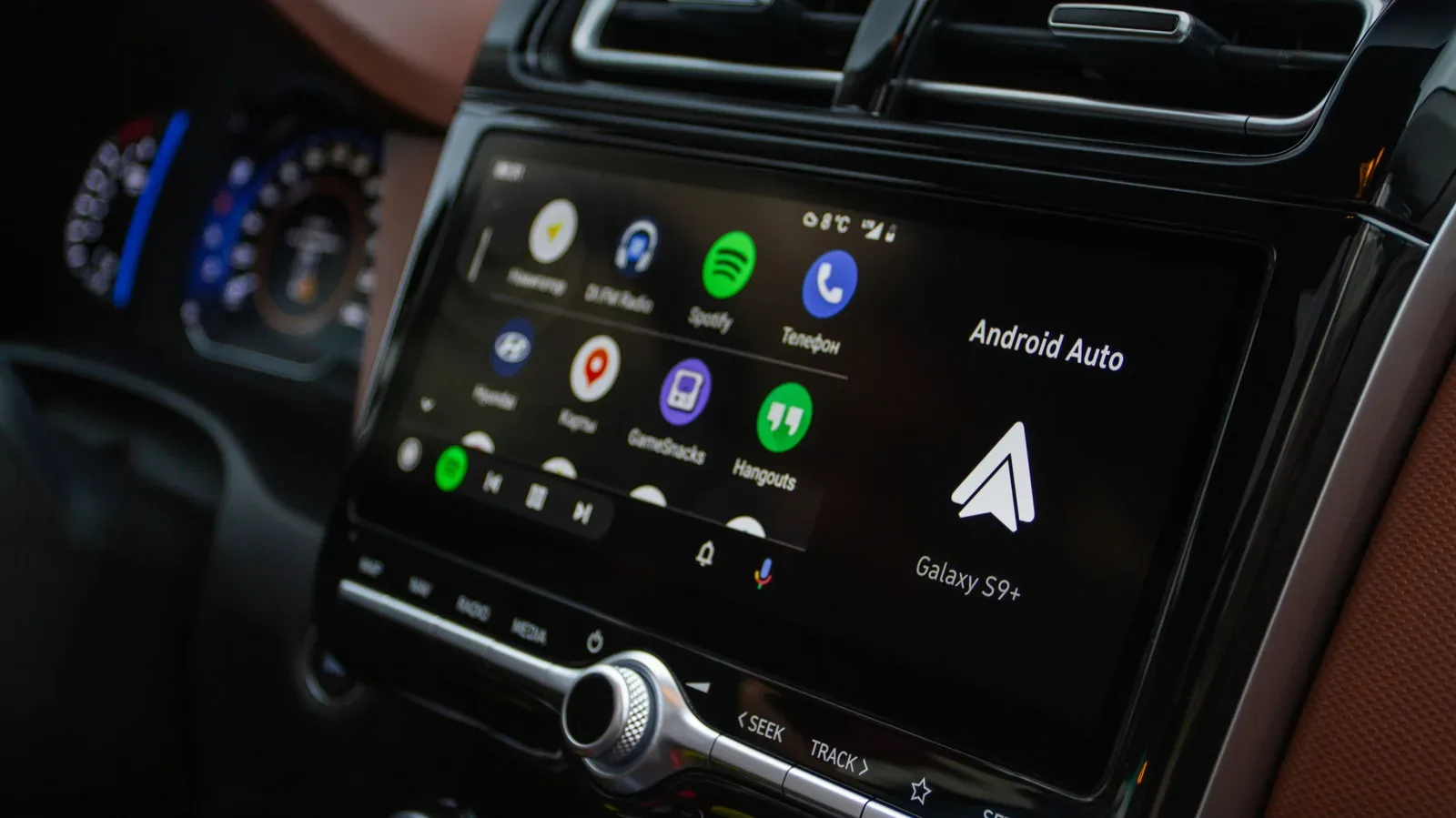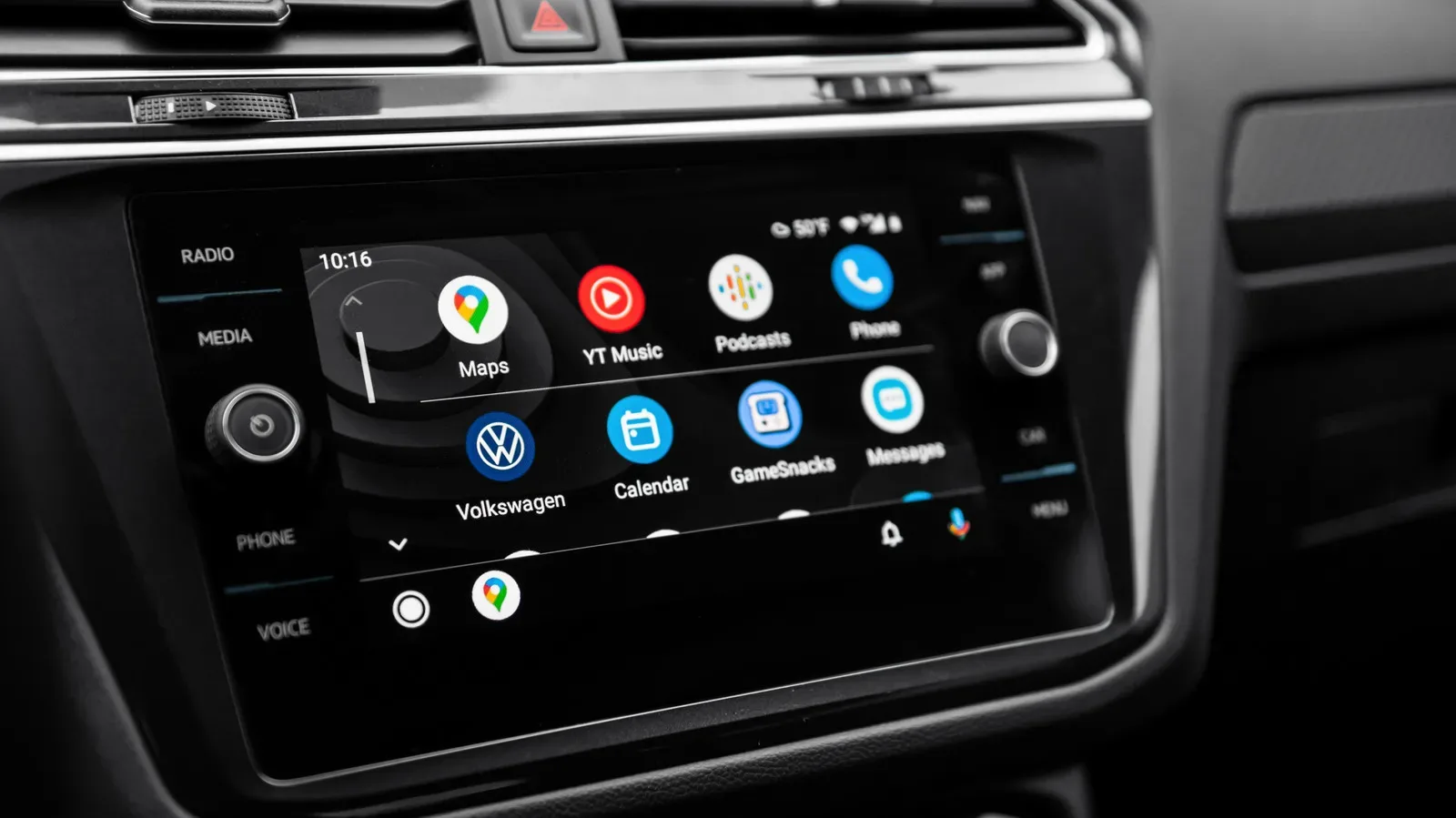
Foldable-phone owners are reporting a frustrating Android Auto problem: outgoing calls made while the handset is closed may fail to connect. The reports describe a particularly awkward mismatch between the promise of hands-free car calling and the reality of being told to physically open the phone before a call can proceed.
The issue has been raised by users of foldable devices in community discussions and manufacturer support forums. Motorola Razr Ultra 60 and Razr Ultra 70 models running Android 16 appear most frequently in the reports so far. A Samsung Galaxy Z Flip 7 has also been mentioned. The available evidence does not establish that every foldable phone, every Android 16 installation, or every Android Auto setup is affected.
What does appear consistent across the accounts is the distinction between incoming and outgoing calls. Incoming calls reportedly still arrive normally. The trouble begins when a user tries to initiate a call with the phone folded shut, typically through a voice command in Android Auto. One reported on-screen instruction says to “flip open to continue.” That defeats a core convenience of a clamshell-style foldable: its exterior display is meant to support tasks without opening the larger internal screen.
Gemini is a suspected connection, not a confirmed cause
Several people affected by the problem say it began after they started using Gemini, Google’s AI service. That timing makes Gemini a plausible area for investigation, but it is not proof that Gemini itself caused the bug. A problem like this could involve how the voice service hands off a request, Android’s call controls, Android Auto’s connection to the vehicle, the phone maker’s closed-device behavior, or an interaction among multiple parts of that chain.
That distinction matters. “Correlation” means two changes appeared around the same time; “causation” means one change demonstrably produced the other. User reports can identify patterns that deserve attention, but they cannot by themselves isolate the responsible component. For now, the careful description is that Gemini is implicated by timing in user accounts, not confirmed as the technical root of the failure.
There is one notable clue. In an earlier discussion, a user said outgoing calls worked again while the phone was closed after switching from Gemini back to Google Assistant. That is useful as an anecdote, because it suggests the selected assistant may affect the behavior. It is still only an individual report, and it is less practical now that Google has removed Google Assistant from phones, tablets and other devices that meet the requirements for Gemini. That migration began on September 4, 2026.
The situation illustrates a difficult part of platform-wide assistant changes. Voice assistants are not merely standalone apps; they can sit between a spoken request and several device functions, including calling. When an assistant changes, users may encounter a behavioral difference at the seams between software from Google, a phone manufacturer and a vehicle interface. Finding that seam is precisely the work still needed here.
Which devices have been named?
The most commonly cited handsets are Motorola’s Razr Ultra 60 and Razr Ultra 70, with Android 16 installed. A report involving Samsung’s Galaxy Z Flip 7 extends the issue beyond one manufacturer, although it would be premature to treat that as proof of a broad industry-wide foldable defect.
Related coverage includes Android Auto Call Bug Reported on Closed Foldables.
Android 16 began rolling out in June 2025. Its cited additions included live notification updates, camera improvements and scam-detection features. The reports do not show that Android 16 alone is at fault: the available accounts connect the onset more closely with Gemini use in some cases, while the small number of reports means the scope remains uncertain.
Google and Motorola have not announced an official fix. Representatives from both companies have responded in forums by gathering incident details, indicating that the issue is being investigated. Until either company identifies the cause, owners should be cautious about broad claims that a certain phone model, Android release or AI feature is definitively responsible.
Why a closed-phone call matters in Android Auto
Android Auto is designed to move selected phone functions into a car-friendly environment, where voice prompts and the vehicle display can reduce the need to handle a handset. On a foldable phone, that expectation has an added hardware wrinkle. Folding the phone closed changes the active display state, and manufacturers can apply different restrictions or interfaces when the main inner screen is not open.
For a voice-initiated outgoing call to work, several steps must cooperate: Android Auto needs to receive the request; the chosen assistant needs to interpret it; Android must allow the calling action in the device’s current folded state; and the call must then route through the phone and car connection. A failure at any one stage can look the same to the driver: no call is placed.
That is also why incoming calls functioning normally does not rule out a defect. Receiving a call and starting one are separate actions. An incoming call can trigger a notification or system call interface without the assistant needing to resolve a spoken contact request and request permission to place a new call. The difference gives investigators a potentially meaningful boundary: the problem appears tied to call initiation under the closed-foldable condition, rather than all phone connectivity in a car.
For drivers, the practical concern is bigger than a minor smart-assistant annoyance. Opening a foldable phone in order to place a call is an extra action that Android Auto’s voice features are intended to avoid. Users should follow local road-safety laws and avoid manipulating a phone while driving. If a call is necessary and voice calling fails, stopping safely before opening or using the device is the sensible option.
What owners can do right now
There is no verified universal workaround beyond opening the phone before placing the call. Neither Google nor Motorola has published a fix, and the reported Assistant switchback is not a dependable answer after the Assistant removal on supported devices.
People encountering the bug can make reports more actionable by recording the details that separate one configuration from another. Useful information includes the exact phone model, Android version, whether Gemini is the active assistant, whether the phone is open or closed, the wording of any prompt or error message, and whether incoming calls continue to work. It can also help to specify that the failure occurs through Android Auto and with an outgoing call, rather than describing it only as a general calling issue.
- Do not assume an incoming-call success means outgoing voice dialing will work.
- Keep the phone open before starting a call if the closed state produces the prompt to continue.
- Watch for official software updates or support guidance rather than relying on unverified fixes.
- When reporting the fault, distinguish the phone’s folded state, Android Auto use and the assistant selected.
An AI transition meets a basic phone task
The reports arrive as Gemini becomes more deeply embedded in Google’s ecosystem. That wider transition makes dependable execution of basic actions especially important. Users can tolerate an experimental feature being imperfect more easily than a regression in a task as ordinary as calling a contact from a vehicle.
It is also a reminder that discussions around AI adoption extend beyond what an AI tool can generate or answer. They include whether people retain clear choices, whether replacement systems work reliably with established device features, and how quickly companies respond when edge cases emerge. Similar questions of AI adoption and user control have surfaced elsewhere in entertainment technology, including debates around consent explored in a recent Spider-Noir AI waiver dispute.
For the Android Auto issue, the immediate facts remain narrow: some owners of closed foldables cannot complete outgoing calls, Gemini is a recurring but unproven variable, and Google and Motorola are collecting information. A fix will need to establish whether the failure belongs in Gemini, Android Auto, Android’s folded-device controls, manufacturer software or their interaction. Until then, foldable owners affected by the bug should treat opening the handset before an outgoing call as the only known practical path.