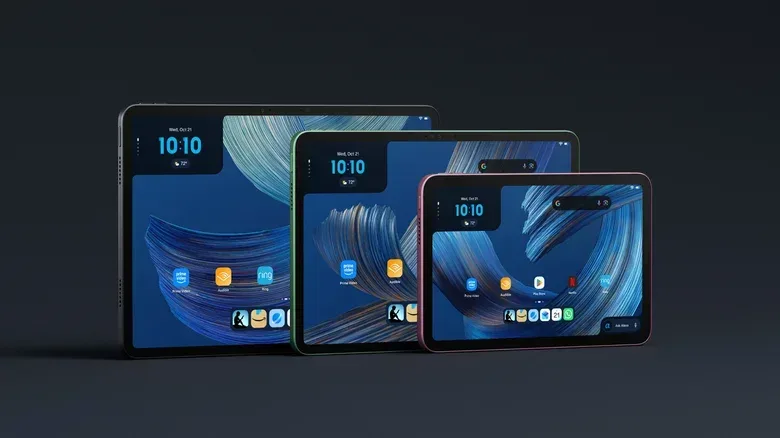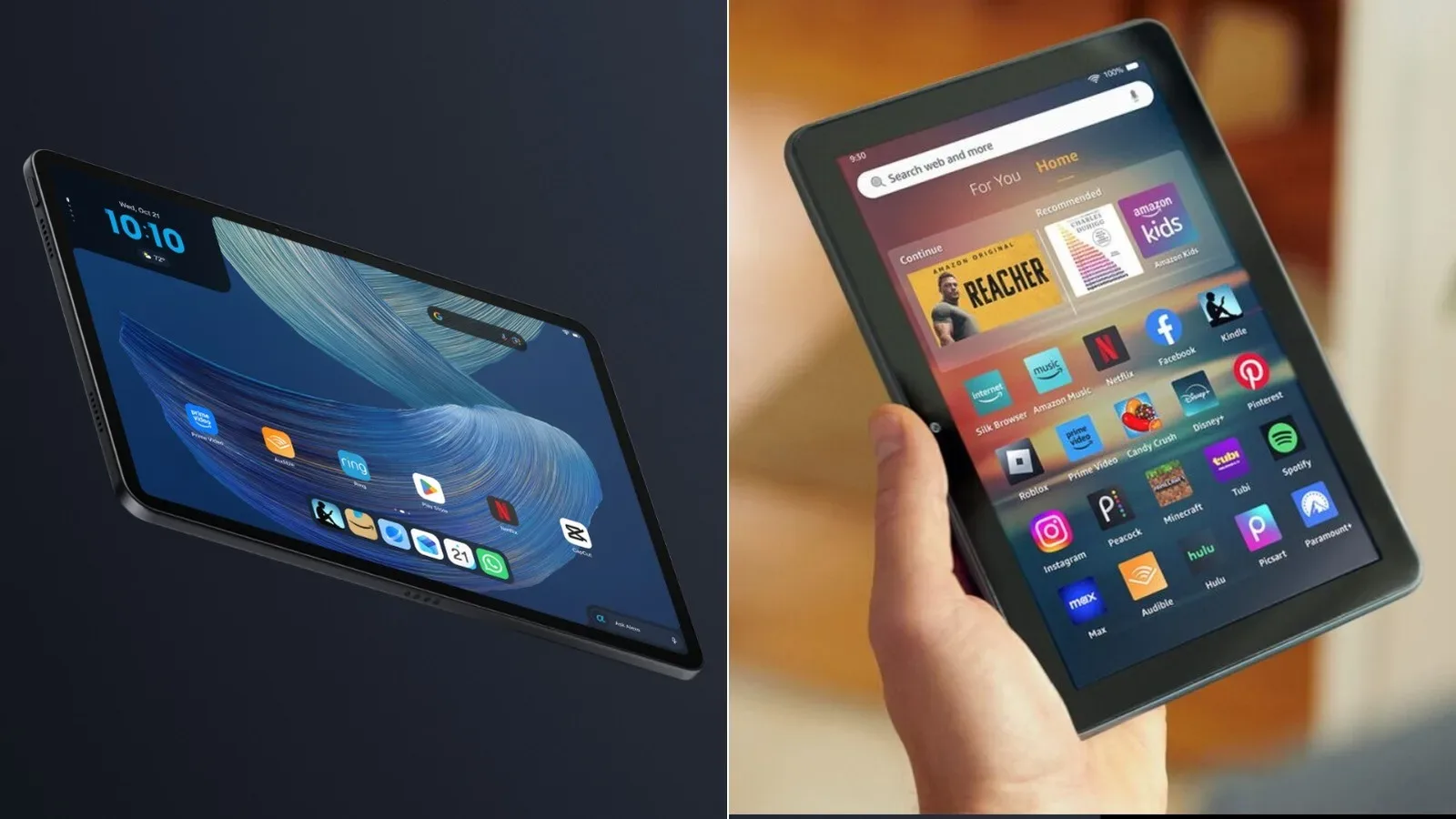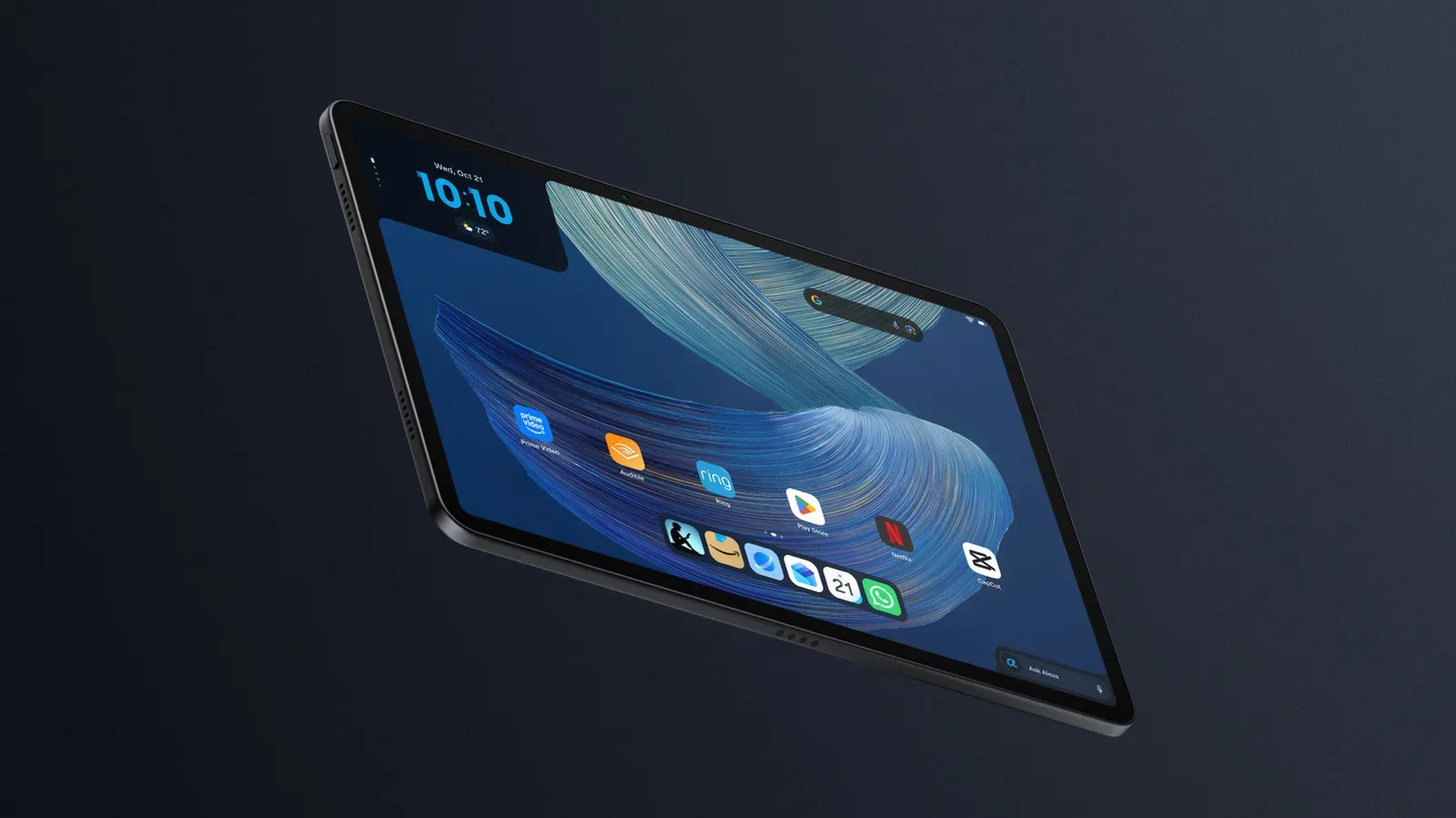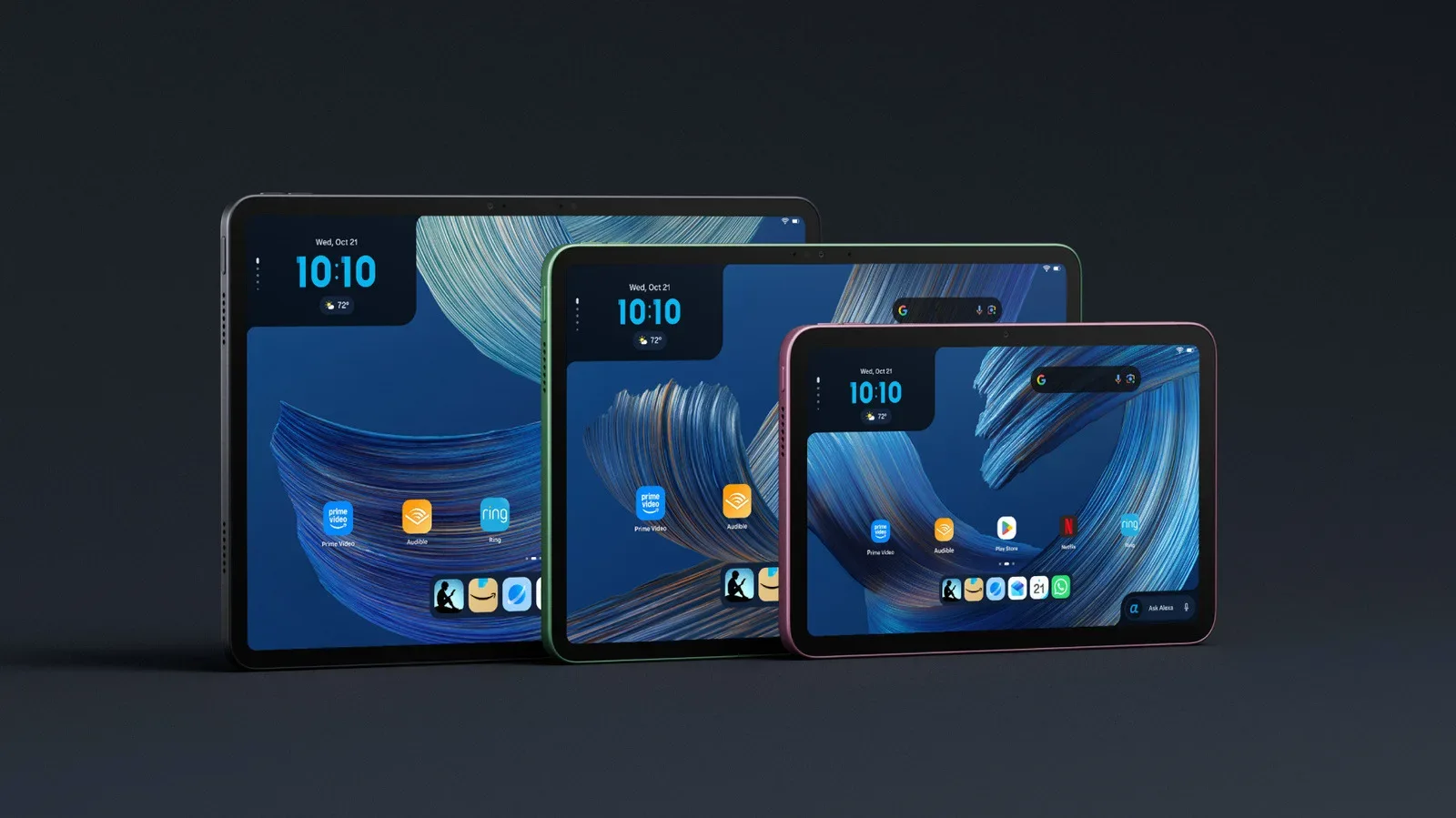
Amazon is expanding its tablet range with three new Alexa-branded models built around different jobs: the compact Alexa Tablet 8, entertainment-oriented Alexa Tablet 11 and productivity-focused Alexa Tablet 12 Pro. All three have aluminum unibody construction, built-in Alexa+, the Kindle app and other Amazon apps preinstalled, plus access to the Google Play Store.
The standout is the 12-inch flagship, which can be configured with a standard screen or an optional anti-glare treatment called Nanomatte. That option is not merely a cosmetic finish: Amazon is positioning it as the version for people who read, write and work under difficult lighting, with the added claim that it improves the feel of stylus writing.
Pricing starts at $500 for the Alexa Tablet 12 Pro with 8GB of RAM, 128GB of storage and its standard display. The Nanomatte model starts at $550. Amazon says the tablets will go on sale October 14 in the United States, Mexico and Canada, followed by the UK, Germany, France, Italy and Spain on October 19.
A tablet family split by screen size and intended use
The new range is deliberately tiered rather than built around a single device with small specification differences. The 12 Pro is the largest and most capable model; the 11-inch device is aimed at video and general entertainment; and the 8-inch version places portability first.
At the top sits the Alexa Tablet 12 Pro. Amazon says its 4nm, eight-core processor delivers three times faster processing and nine times faster graphics than any tablet it has previously shipped. It supports up to 16GB of RAM, includes quad Dolby Atmos speakers, supports Wi-Fi 6E and is rated for up to 16 hours of video playback.
Its screen has a 3:2 aspect ratio, 280 pixels per inch and a 120Hz refresh rate. Aspect ratio describes the shape of the display: 3:2 is relatively tall compared with the more widescreen format used on the Alexa Tablet 11. That makes the Pro’s panel a logical fit for documents, web pages and book-like layouts, while the 120Hz rate means the screen can update up to 120 times per second. In practical terms, higher refresh rates can make scrolling and interface movement look smoother; they do not by themselves guarantee better game performance, which also depends on the software and hardware workload.
The Alexa Tablet 11 starts at $330 and takes a different route. It has a 2.5K, 90Hz display in a 16:10 “cinematic” aspect ratio, 8GB of RAM, 64GB of storage, an eight-core processor and Dolby Atmos speakers. Amazon rates it for up to 15 hours of video playback. It will be offered in Graphite, Amethyst and Matcha.
Meanwhile, the Alexa Tablet 8 starts at $230. Its 8.7-inch display is housed in a body measuring 7.95mm thick, and its 329-gram weight makes it the lightest model in the group. It includes an eight-core processor, 4GB of RAM and 64GB of storage, with Graphite, Rosette and Teal color options. The smaller device is the clearest choice for carrying in a smaller bag or holding for longer stretches, though its lower memory specification also separates it from the larger two tablets.
What Nanomatte means on the Alexa Tablet 12 Pro
Matte screens are generally intended to reduce glare, but that can involve trade-offs. A conventional matte treatment may diffuse incoming light while also softening the image seen by the user. Amazon’s Nanomatte approach is its attempt to make that compromise less severe.
The company says it worked with Corning on a manufacturing process that etches a pixel-aligned texture into the glass at the sub-pixel level. A sub-pixel is one of the tiny color elements that together form a screen pixel. Amazon’s claim is that the precision of this texture lets Nanomatte control reflections without the uneven light scattering associated with traditional matte displays.
The promised result is preserved detail and color accuracy, sustained contrast in bright surroundings and text that appears to sit close to the surface of the glass. Those are manufacturer claims rather than independently established measurements, but the purpose is clear: make the anti-glare option useful for reading and productivity without turning it into a visibly hazier screen.
For people deciding between the $500 standard 12 Pro and the $550 Nanomatte version, the extra $50 is best understood as a screen-use choice. The standard screen remains the lower-cost route into the same 12-inch tablet tier. Nanomatte is the variant aimed at people who value reduced reflections, a more paper-like reading presentation and its stated pen-on-screen friction.
Accessories turn the Pro into a more deliberate work setup
Amazon is selling two accessories exclusively for the 12 Pro: the $90 Alexa Tablet Pro Pen and the $150 Alexa Tablet Pro Keyboard. The keyboard attaches magnetically and does not need Bluetooth pairing. That avoids one routine setup step and means the accessory is designed as a direct extension of the tablet rather than a separate wireless peripheral.
The pen is especially tied to the Nanomatte option. Amazon says that screen’s textured surface adds resistance during writing to create a paper-like sensation. The company also says the pen can be used to add notes and highlights in Kindle books.
That combination of a taller 3:2 display, keyboard support and a stylus puts the 12 Pro’s pitch in straightforward terms: it is designed to handle reading, notes, text entry and media in one larger device. The important caveat is that the accessories are extra purchases. A buyer starting with the $500 standard configuration would spend $740 with both the pen and keyboard, while a Nanomatte configuration starting at $550 reaches $790 before any other options.
For more context on how this larger model changes Amazon’s tablet positioning, see our Alexa Tablet 12 Pro and Fire HD 10 comparison.
A Kindle mode designed to reduce interruptions
Each of the new tablets includes a revised Kindle experience intended to make a multipurpose Android tablet behave a little more like a dedicated reading device when a book is open. Opening a book in the Kindle app will silence notifications, reduce blue light and minimize battery consumption, according to Amazon.
Users will also be able to select from three display themes, including a softened paper tone and pure grayscale. These are reading-oriented presentation settings rather than claims that the LCD-type tablet display becomes an e-ink screen. Their value is in changing the visual treatment and reducing distractions while reading.
The 12 Pro Nanomatte model has the most explicit reading angle because Amazon says its surface gives ebooks a paper-like feel and helps readability in varied environments. Combined with the Pro Pen’s annotation support, that makes the 12 Pro the only model in this line presented as a full reading-and-markup device. The 11 and 8 still receive the notification controls, blue-light reduction, battery-saving behavior and themes, which could matter to readers who prefer a smaller and less expensive tablet.
Alexa+ can inspect what is on screen, but only if enabled
Alexa+ is built into the core of all three tablets, and the most notable related tool is On-Screen Intelligence. This feature allows a user to ask Alexa to interpret visible on-screen information and act on a request. Amazon’s examples include turning a page of sporting-event dates into calendar entries or asking Alexa to locate an item shown in a video on Amazon.
This is an example of screen-aware assistance: rather than requiring a user to manually copy details into another app, the assistant is asked to use the content already visible as context. The practical appeal is convenience, particularly for repetitive tasks such as collecting dates or identifying a product.
It is also significant that On-Screen Intelligence is off by default. Users must actively opt in before it can be used. That is a meaningful boundary for a feature based on the information displayed on a device screen, and potential buyers should distinguish it from the baseline presence of Alexa+. The assistant is built in; the screen-inspection capability requires a separate choice to activate it.
What the new line signals
The Alexa Tablet family gives Amazon a more explicit answer to three distinct tablet priorities without treating every buyer as if they need the same screen and accessory setup. The 8-inch model focuses on a lighter, slimmer form factor. The 11-inch model combines a widescreen 2.5K panel, 90Hz refresh rate and Dolby Atmos audio for entertainment. The 12 Pro concentrates the higher-end specifications in a larger 3:2 device that can add a pen, keyboard and anti-glare screen.
Google Play Store access is a notable part of the package across the line, alongside Amazon’s own apps and services. The Kindle experience and Alexa+ then operate as the common thread, whether someone is buying the $230 portable model, the $330 entertainment option or the 12 Pro starting at $500.
The deciding detail for the flagship may be whether Nanomatte earns its $50 premium for a specific buyer’s environment and habits. Its intended benefits—less glare, retained contrast, paper-like reading and more tactile pen use—are tightly linked to reading and writing. Buyers mostly watching video or seeking the least expensive route to the 12 Pro may find the standard panel the simpler fit. Those who regularly read or take handwritten notes in bright spaces have the clearest reason to consider the Nanomatte configuration.