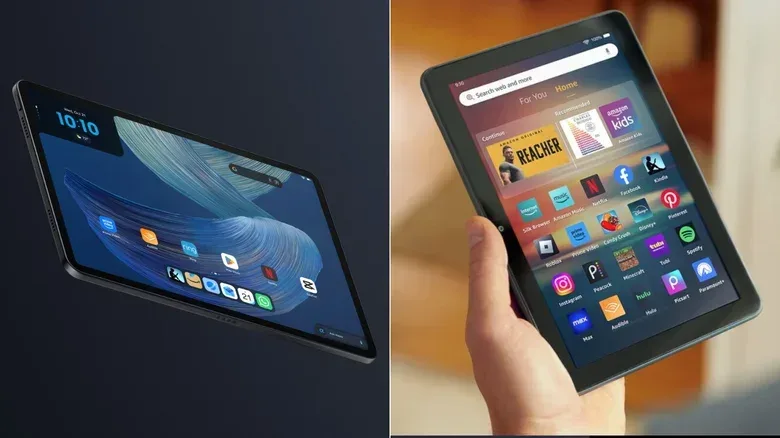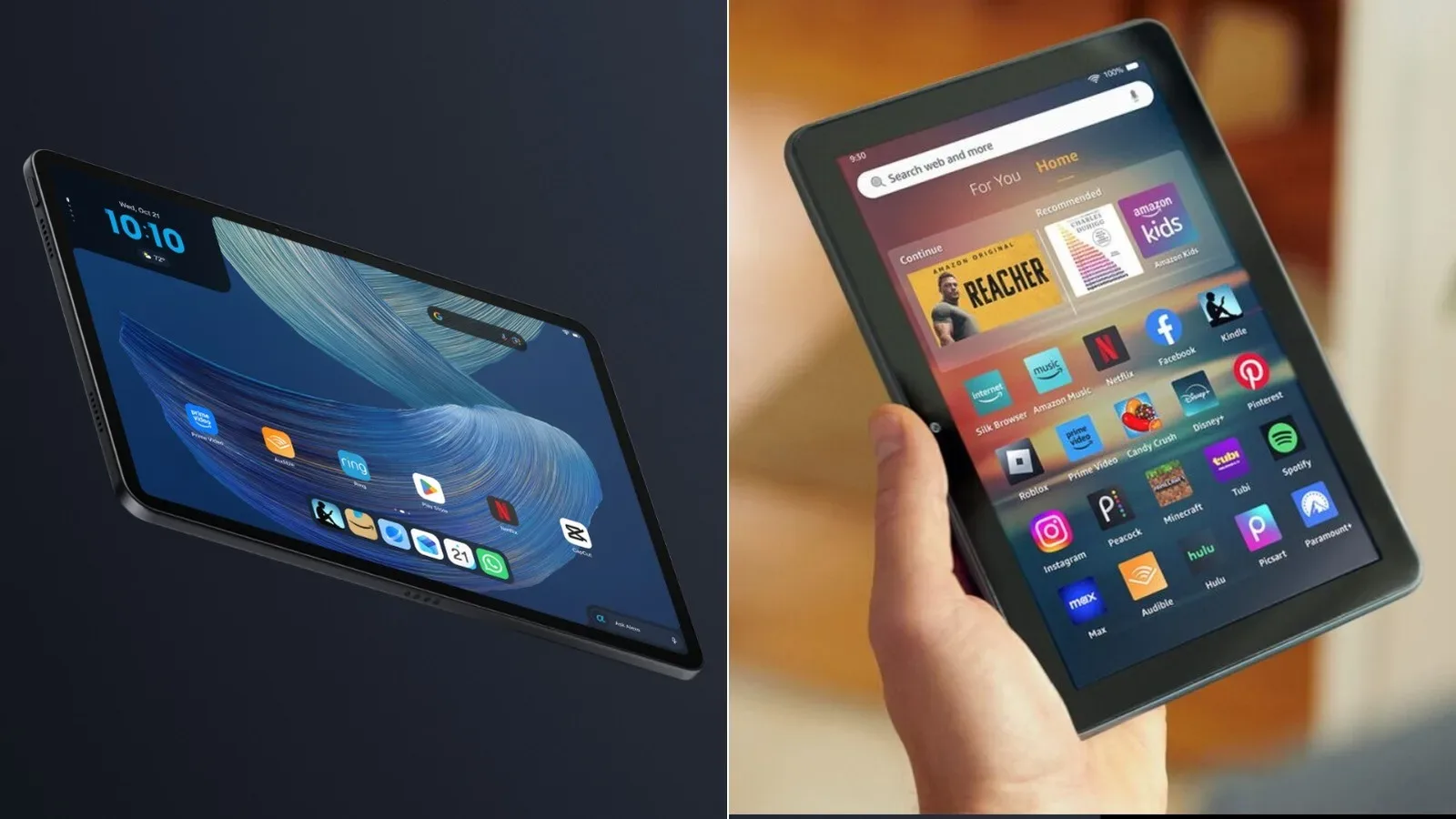
Amazon’s Alexa Tablet 12 Pro is not a subtle successor to the Fire HD 10. It moves the company’s top tablet from an inexpensive, primarily media-focused device toward a noticeably larger and more capable Android machine, with a premium construction, considerably more memory and storage at the entry level, a new MediaTek processor, and access to the Google Play Store.
It also makes a different argument for why an Amazon tablet should exist. The Fire HD 10 was a low-cost screen for ebooks, video and light everyday use. The Alexa Tablet 12 Pro places equal emphasis on Kindle reading and Alexa+, Amazon’s AI-enhanced assistant, while offering optional matte-like display glass intended to make the tablet more comfortable for reading under brighter conditions.
The upgrade is real on paper. It is not, however, a direct replacement for everyone who bought a Fire HD 10 because it was cheap. The new model starts at $500, versus $155 for the Fire HD 10 base configuration described here. That difference changes the buying question from “is the newer tablet better?” to “will its more advanced hardware, larger screen, Android software and reading-specific features actually be used?”
The headline changes: size, materials and internal hardware
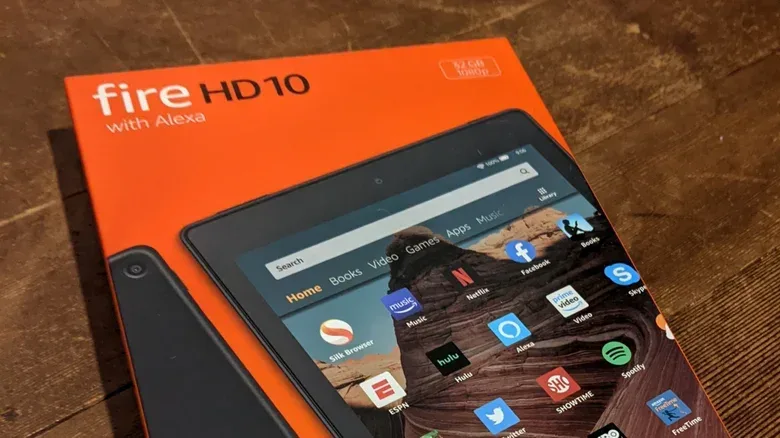
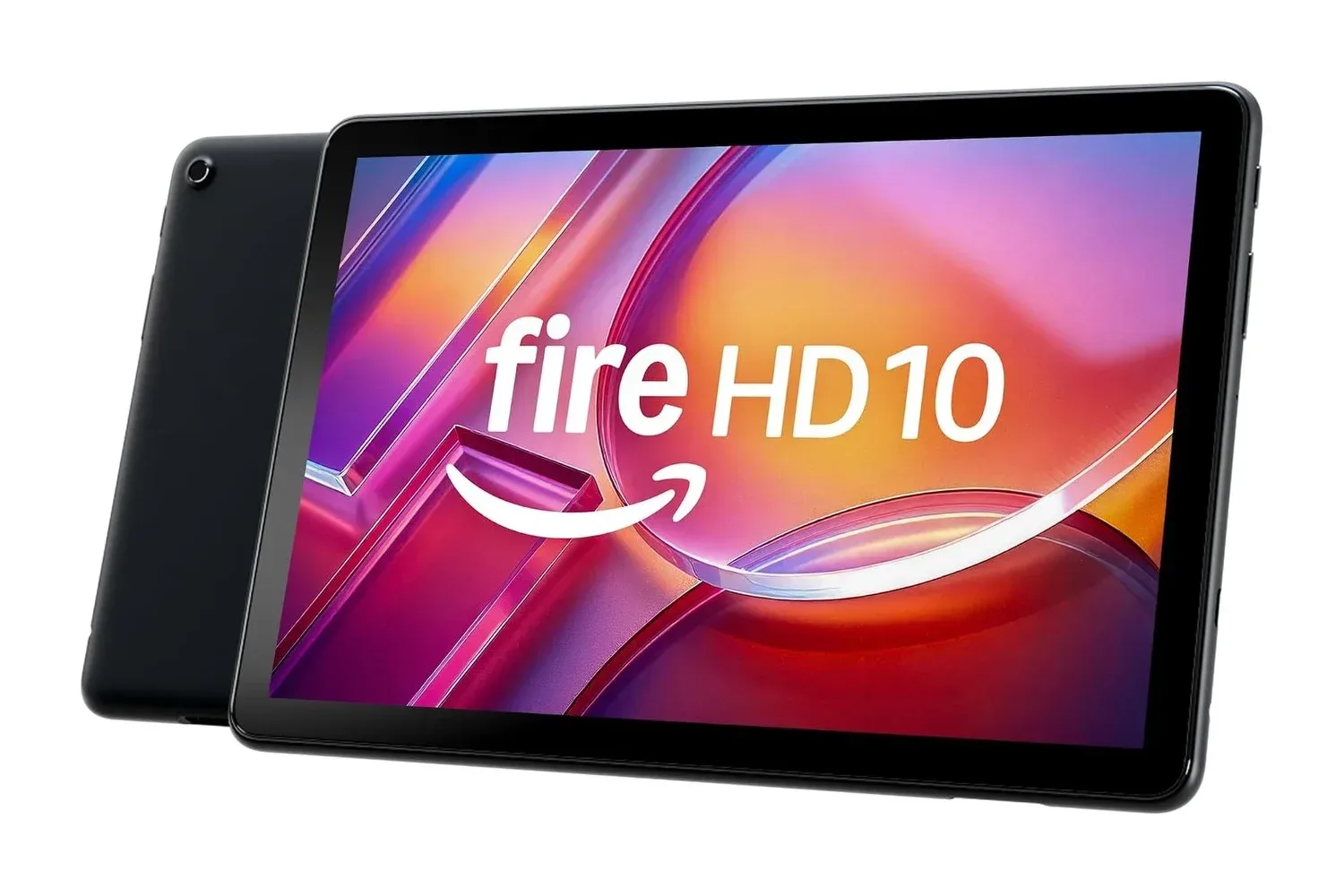
The Fire HD 10 occupied the high end of Amazon’s tablet lineup after the Fire Max 11 was discontinued in the United States. Its role was defined by compromise. The base device had 32GB of storage, 4GB of RAM, a 10.1-inch WUXGA screen and a MediaTek Helio processor. Those specifications made sense for its low price and for straightforward use such as streaming and ebooks, but did not position it as a serious productivity tablet.
The Alexa Tablet 12 Pro changes nearly every one of those fundamentals. It has an aluminum enclosure rather than the Fire HD 10’s plastic elements, a 12-inch display, and a MediaTek Dimensity 8400 processor built on a 4-nanometer process. The chip has eight cores, and the tablet can be configured with up to 16GB of RAM.
For clarity, RAM is the working memory that helps a device keep apps and tasks active. More RAM does not automatically make every app faster, but it can matter when switching between apps or keeping more work in progress. Storage, meanwhile, is the space used for downloaded apps, books, media and files. The 12 Pro begins with 128GB of storage and 8GB of RAM, a much more generous starting point than the Fire HD 10’s 32GB and 4GB base configuration.
The processor change is important because the older Fire HD 10 was built around a far more modest class of hardware. Amazon is framing the Dimensity 8400 in part as the engine for Alexa+ features, but stronger silicon and additional memory should also make the new tablet a more viable general-purpose device. That is an expectation based on the stated hardware gap, rather than a performance verdict: sustained speed, app behavior and thermal performance require independent testing.
Display size is another practical distinction. Moving from 10.1 inches to 12 inches creates more room for reading pages, viewing video, using split-screen layouts or attaching the optional keyboard. Both versions of the Alexa Tablet 12 Pro have a 280-pixels-per-inch display. Based on the supplied dimensions and density, that works out to roughly 2,880 by 1,920 pixels. Pixel density refers to how tightly pixels are packed into a screen; higher density can make text and fine UI details appear sharper at typical viewing distances.
Two display choices, with reading at the center
Amazon will sell the Alexa Tablet 12 Pro with either a conventional glossy panel or a textured nanomatte version. The standard-display model starts at $500 with 128GB of storage and 8GB of RAM. The nanomatte version with the same memory and storage costs $550.
The nanomatte finish is designed with Corning and is intended to align its texture with the screen’s pixel grid. Its purpose is to reduce glare and give the surface a more paper-like feel when reading. Glossy displays can make colors and contrast look punchier, but they are often more reflective. A matte treatment aims to scatter those reflections, potentially making text easier to see when bright light is hitting the screen.
That trade-off is worth treating carefully. “Paper-like” does not mean this becomes an e-ink reader, and the supplied details do not establish how the texture affects color, sharpness or contrast compared with the glossy option. The $50 premium is easiest to justify for people who spend long stretches in ebooks and anticipate reading in bright rooms or outdoors. Buyers focused mostly on video, general apps or games may reasonably prefer to wait for direct display comparisons before assuming the nanomatte surface is better for them.
Amazon is reinforcing that reading focus with a dedicated Kindle mode, which will also be available across the newly announced Alexa tablet range. When using the Kindle app, the mode is designed to silence notifications, reduce blue light and extend battery life. It offers warm, paper-like and grayscale display settings.
There is a useful distinction between a feature being convenient and being exclusive. A user can ordinarily set do-not-disturb controls and blue-light adjustments on other tablets. Kindle mode’s potential appeal is that it bundles several reading-friendly behaviors into a dedicated experience rather than requiring manual setup. Whether that is a major advantage depends on how well it works in practice and how much someone values a distraction-reduced Kindle environment.
Android and Google Play are arguably the biggest software shift
For many prospective owners, the defining change may not be the screen or processor. The Alexa Tablet 12 Pro uses Android as its underlying software and adds the Google Play Store, replacing the long-standing Fire tablet approach centered on Fire OS and Amazon’s own storefront-oriented interface.
That is a substantial change in what the tablet can be. The source material does not provide a complete list of supported apps or games, so it would be premature to promise specific titles or compatibility. Still, Google Play access means the device is no longer defined by the narrower app-store setup associated with prior Fire tablets. For someone who wants a tablet to move between Kindle books, streaming, general Android apps and game-related utilities, that broader software foundation may be as meaningful as the upgraded hardware.
It also affects the tablet’s relevance to people who already use game services and companion apps on Android. A large 12-inch panel, more capable internals and a familiar app marketplace could make the Alexa Tablet 12 Pro a more flexible secondary device than the Fire HD 10. But it should not be read as a claim that Amazon has suddenly built a dedicated gaming tablet: no gaming-specific controls, refresh-rate figures, graphics specifications, controller support details or game performance results were provided.
The wider industry context matters here. Hardware buyers increasingly weigh access to software libraries alongside the physical device itself, a tension that also appears in the changing mix of physical and digital game consumption. Recent U.S. physical game spending figures and the role of game-key cards illustrate why access models remain a central part of a hardware purchase, even when the product in question is not a games console.
Alexa+ is more present, but its value will be personal
Amazon has built the new tablet around Alexa+ as well as reading. The assistant integration includes smart-home controls, the ability to discuss what is on the screen, and a hands-free live voice-chat mode. These features depend on the owner’s interest in using an AI-powered assistant as part of their everyday tablet routine.
That makes Alexa+ less universal than the screen, memory or storage improvements. A larger display benefits nearly any use case. A faster processor and more RAM have broad practical value. AI features, by contrast, are likely to feel useful to people already comfortable with Alexa and less compelling to those who prefer not to put voice or screen-based assistance at the center of their device use.
The home-screen direction reflects this priority. Instead of the storefront-like layout familiar to Fire tablet users, the new interface is more Alexa-oriented. This could feel like a needed modernization to shoppers who want a less retail-centered tablet experience. Others may see it as Amazon giving its assistant a more prominent role than they asked for. The relevant point is not that one approach is automatically superior; it is that the Alexa Tablet 12 Pro has a clearly different software identity from the Fire HD 10.
Accessories help explain the “Pro” positioning
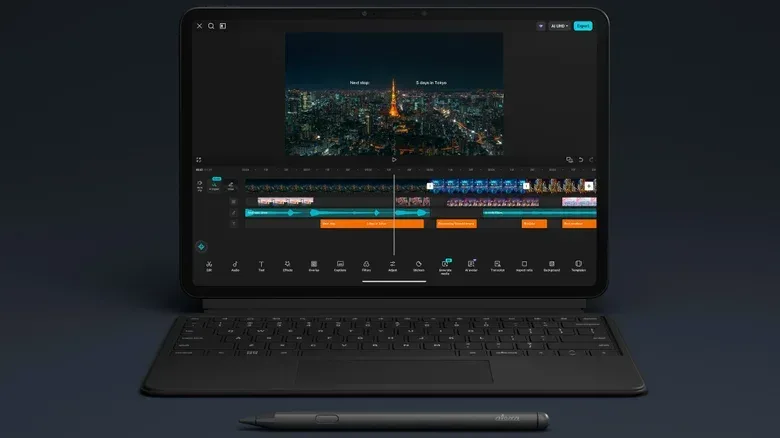
Amazon will sell a Pro Keyboard case for $150 and a Tablet Pro Pen stylus for $90, separately. Neither accessory is included in the starting price. Together, they add $240, which raises the standard model and both accessories to $740 before any other costs.
The accessories suggest Amazon wants the 12 Pro to cover more than passive consumption. A keyboard case can turn a tablet into a more laptop-like setup for typing, while a stylus is generally aimed at handwriting, marking up material or drawing. Yet their usefulness will depend on software behavior, writing feel, keyboard quality and the owner’s workload—details that are not established here.
For that reason, the optional accessories should be part of the purchase calculation rather than an afterthought. Someone shopping chiefly for a Kindle-capable reading and video device may not need either. Someone hoping to use the 12 Pro for regular writing or pen input should evaluate the complete cost rather than comparing only the $500 tablet price with the Fire HD 10’s $155 entry point.
Is upgrading from a Fire HD 10 worth it?
For an existing Fire HD 10 owner, the Alexa Tablet 12 Pro is worth considering if the limitations of the older device are already clear: 32GB feels restrictive, 4GB of RAM is no longer enough for comfortable multitasking, the 10.1-inch display feels cramped, or the Fire OS app environment has become an obstacle. The move to 128GB and 8GB at entry level, the 12-inch panel, aluminum build, stronger processor and Google Play support form a meaningful package rather than a routine annual refresh.
It is also the more logical choice for a Kindle-heavy user who specifically wants a color Android tablet rather than a single-purpose reader, particularly if glare reduction and a simplified reading mode are priorities. The nanomatte model’s $50 step-up is relatively modest within this price bracket, though its real visual trade-offs need examination.
On the other hand, the Fire HD 10 remains easier to justify for basic reading and video use on a tight budget. At its stated $155 base price, it costs less than one-third of the Alexa Tablet 12 Pro’s $500 starting point. If the old tablet already handles the tasks an owner actually performs, the new model’s capability may be attractive without being necessary.
The Alexa Tablet 12 Pro is therefore best understood as Amazon offering a different tier of tablet, not merely a nicer Fire HD 10. It closes several long-standing gaps in materials, memory, storage, screen size and software access. Its strongest case is for users who will combine those upgrades: reading often enough to value Kindle mode, using Android apps often enough to value Google Play, and doing enough beyond video playback to benefit from the larger, higher-spec hardware.