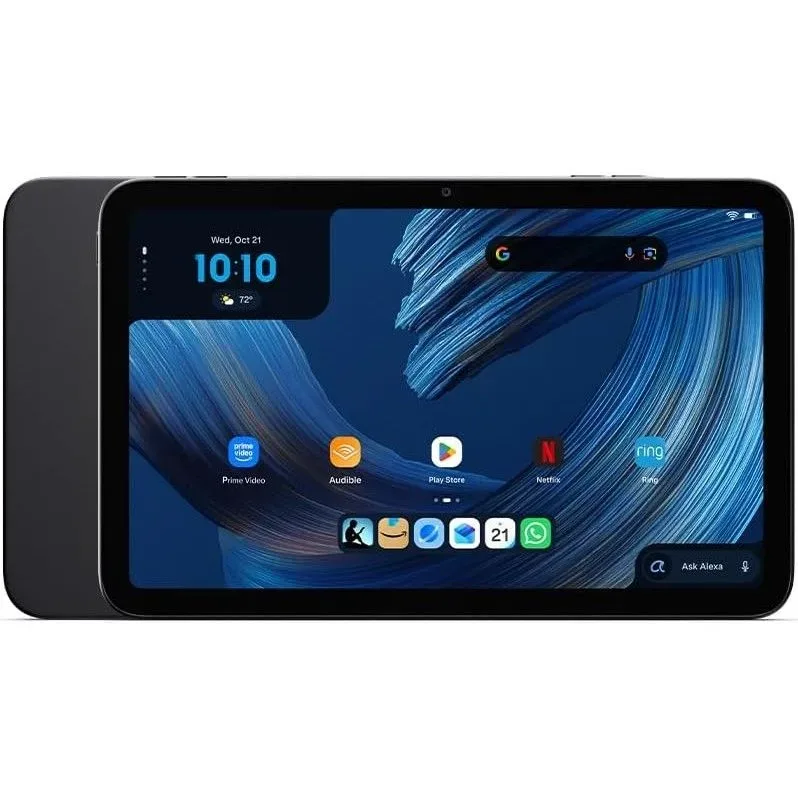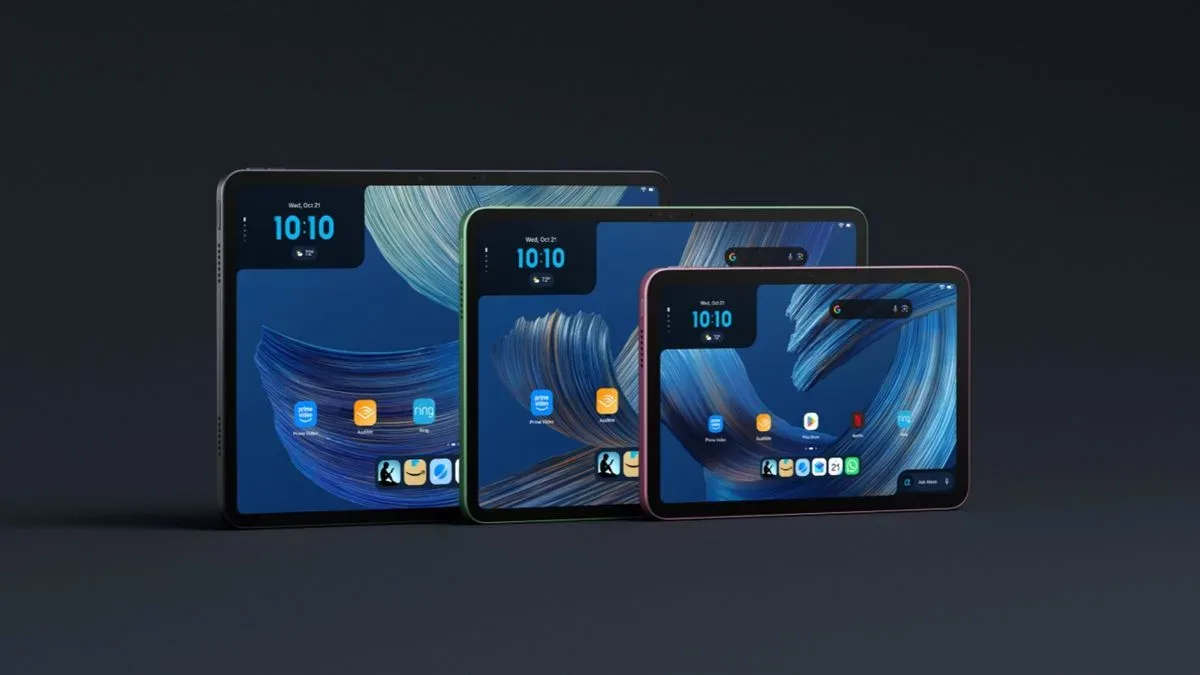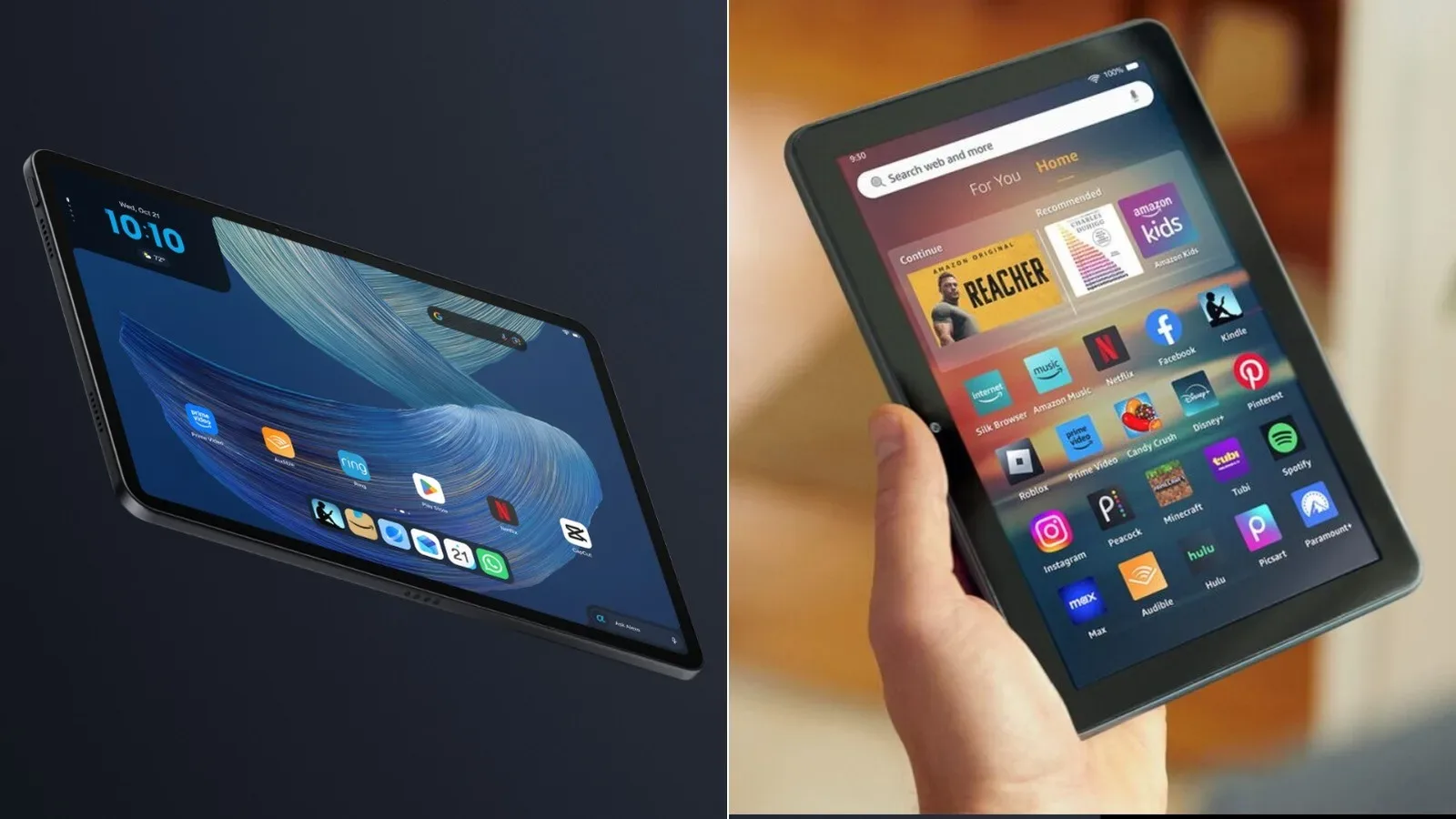
Amazon’s newly announced Alexa tablet family may have solved the problem that long shadowed its Fire tablets: software access. The new 8-inch, 11-inch and 12-inch models will support the Google Play Store alongside Amazon’s own Prime-oriented software, opening the door to a far broader Android app library and potentially more dependable app updating.
For games, that change matters more than a spec-sheet flourish. A tablet can have a pleasant screen and an agreeable price, but it is difficult to recommend as a general gaming device when its app ecosystem limits what players can install. Google Play access does not automatically make an entry-level tablet a gaming powerhouse. It does, however, remove a compatibility question that previously sat in front of almost every Fire-tablet recommendation like a pop-up asking whether anyone is still watching.
The catch is that Amazon’s hardware and pricing position the range in an awkward middle ground. At the affordable end, the new tablets look potentially compelling for browsing, streaming, lighter work and casual games. At the expensive end, the 12 Pro approaches dedicated gaming-tablet pricing without clearly matching the performance-oriented proposition of those rivals. In other words: the app-store gate is open, but the boss battle against competing Android tablets is still underway.
The important upgrade is the Play Store, not a bigger number on the box
The defining news here is support for Google Play. Amazon’s older Fire approach depended on Amazon’s own app system, a restriction that could leave users with fewer choices and uncertainty over whether a particular app or game would be available and maintained in the same way as it is on broadly supported Android devices.
Google Play is Android’s largest app marketplace. For a buyer, access means the tablet should be able to draw from the much wider library associated with mainstream Android devices. That is especially useful for someone whose tablet is not solely a streaming screen: they may want productivity apps, social apps, games, or the flexibility to move between all of those uses without first checking whether Amazon’s store has the right version.
This does not tell us how every individual title will perform. App availability, compatibility and performance are separate questions. A game being installable is the first step; how smoothly it runs depends on the chipset, graphics hardware, memory, game settings and the demands of that particular game. Still, the distinction is crucial. A tablet that supports the major Android marketplace offers a more straightforward starting point for anyone assembling an everyday device around both apps and games.
It also changes how the Alexa range should be judged. Previous Amazon tablets were often considered low-cost, home-friendly machines with a heavy software caveat. With Play Store access, the new devices can be evaluated more directly alongside familiar Android alternatives. That is good news for consumers, even if it makes Amazon’s component choices and price brackets harder to ignore.
Three sizes, two chip families and a wide price spread
The Alexa tablet lineup consists of three models:
Related coverage includes Amazon's Alexa Tablets Add Google Play, but Mobile Gaming Value Is Still a Question.
- Amazon Alexa 8: an 8.7-inch device using MediaTek’s Dimensity 8189 chipset, with 4GB of RAM. Its stated price range is $229.99 to $299.99.
- Amazon Alexa 11: an 11-inch model with a 2.5K, 90Hz display, MediaTek Dimensity 8189 and 8GB of RAM. Its stated price range is $329.99 to $399.99.
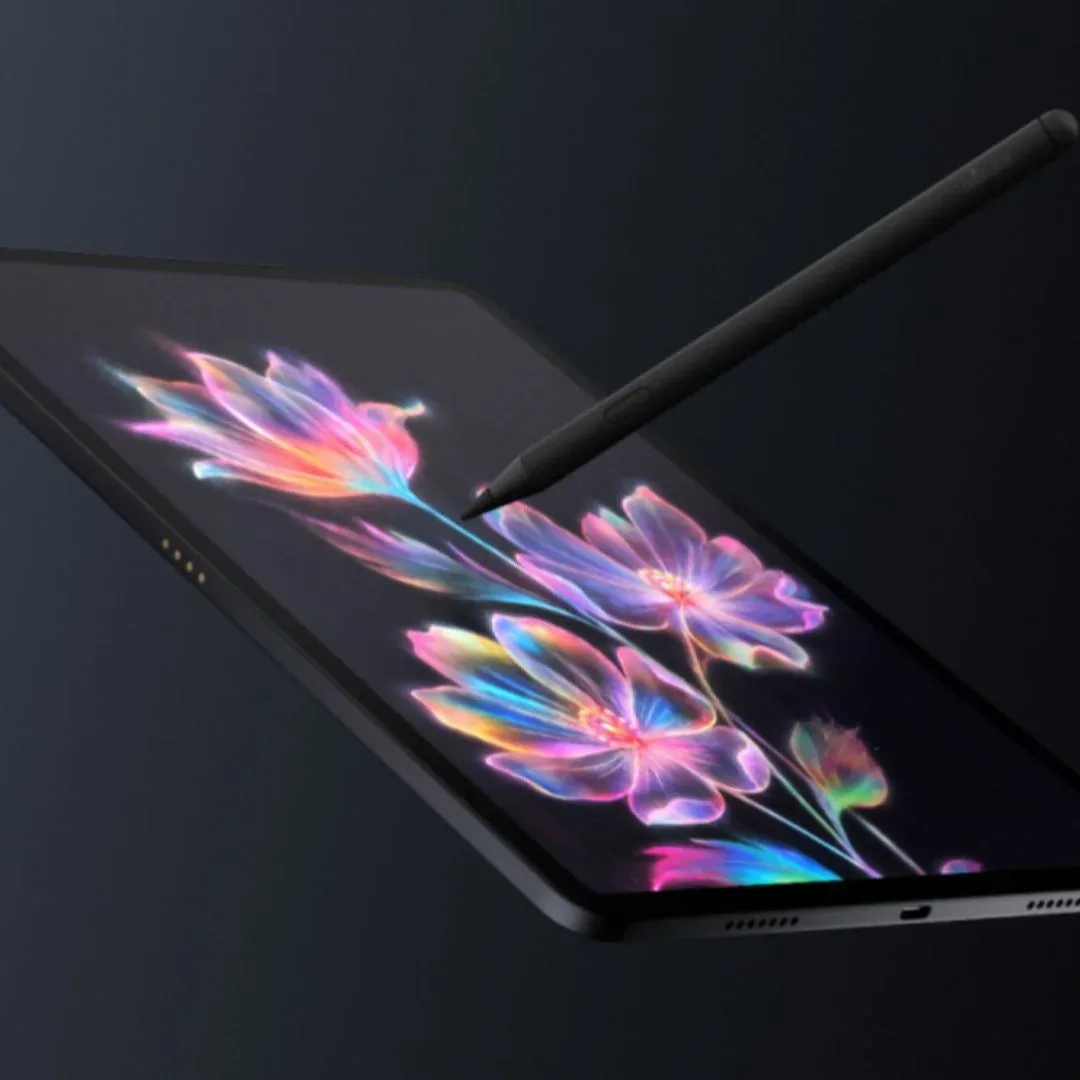
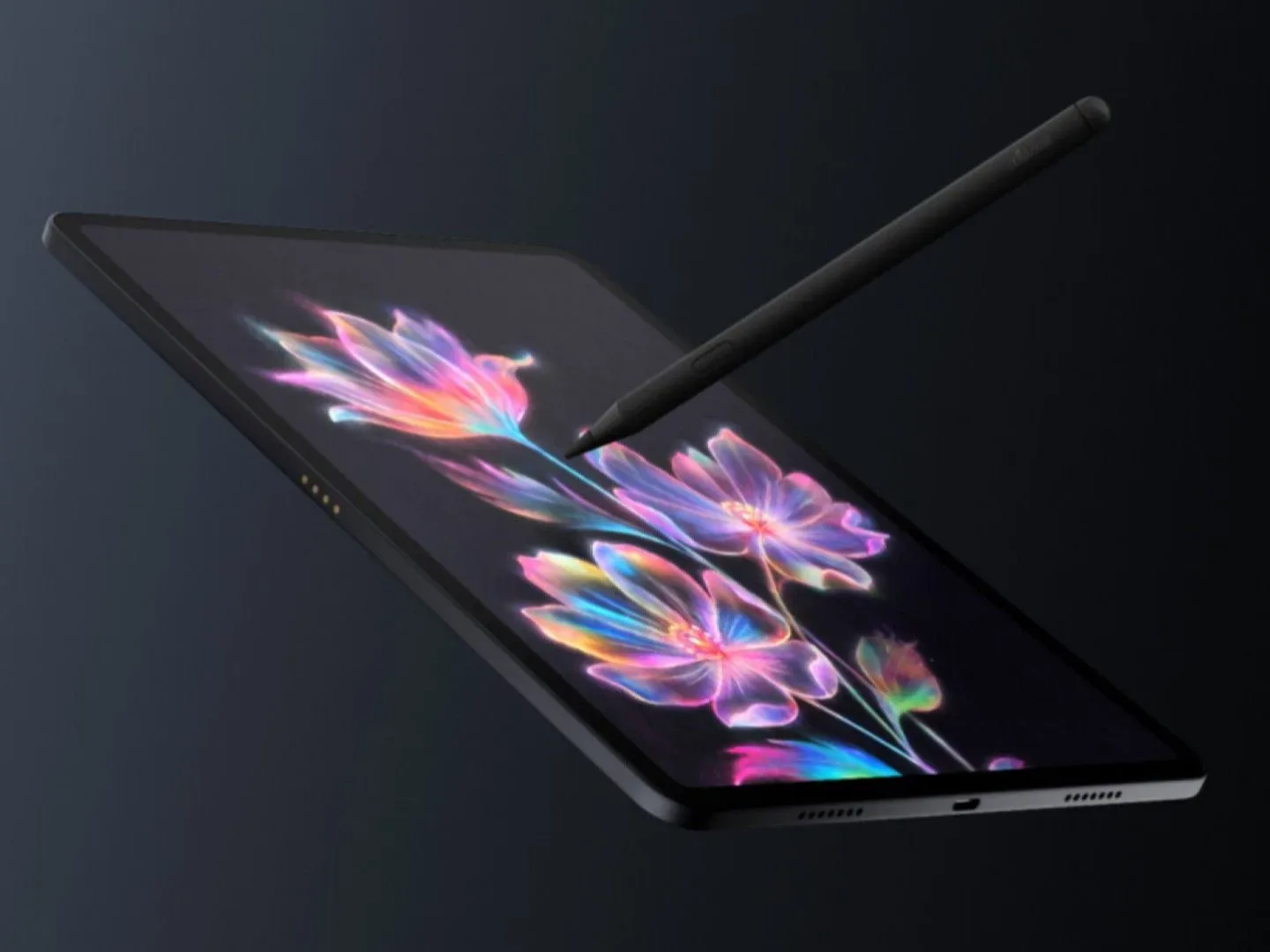
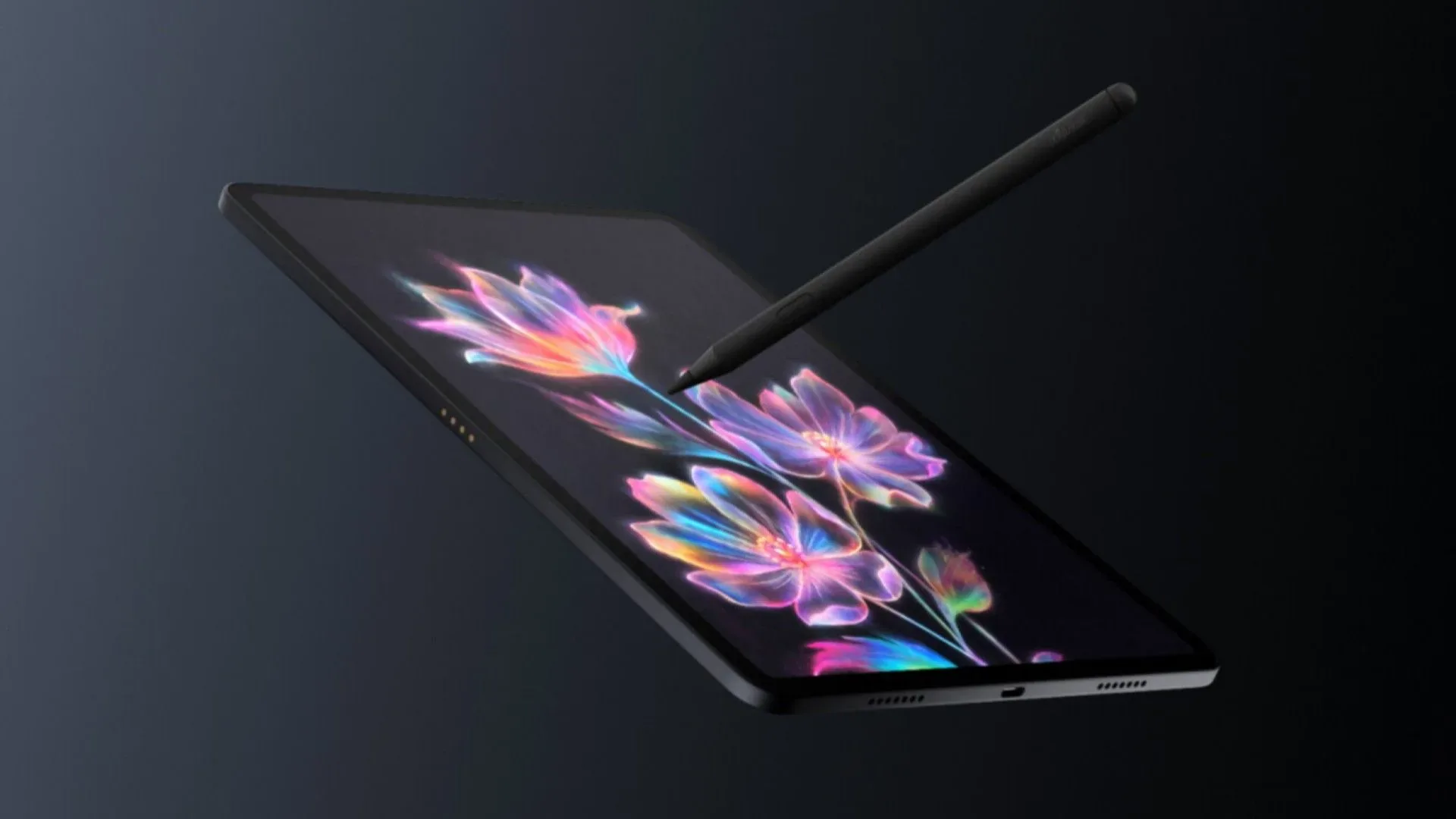
- Amazon Alexa 12 Pro: a 12-inch model with a 2.8K, 120Hz display, MediaTek Dimensity 8400 and 8GB of RAM. Its stated price range is $499.99 to $679.99.
The smallest model begins at $229.99 for 64GB with lock-screen ads. Removing those ads puts the entry point at $249.99. That $20 difference is small enough that buyers who do not want advertising on the lock screen may reasonably treat $249.99 as the practical starting price.
The upper end is represented by the 256GB matte version of the Alexa Tablet 12 Pro at $679.99. This is where the range’s identity becomes less clear. The basic proposition of an affordable, flexible tablet is easy to understand. A nearly $680 model must answer much tougher questions about performance, display quality, memory, storage and gaming capability—especially when buyers can compare it with devices designed more explicitly for demanding play.
What the gaming specifications suggest—and what they do not prove
Amazon is using the Dimensity 8189 in the 8-inch and 11-inch versions, while the 12 Pro moves to the Dimensity 8400. The supplied specifications suggest the Dimensity 8189 is oriented more toward efficiency than the chips in some competing entry-level tablets. Efficiency can be useful for portable, everyday tasks such as video playback, web browsing and light work. It can also be perfectly adequate for simpler games and the sort of touch-first play that does not place severe demands on graphics hardware.
But “adequate” is not the same as “best buy for demanding games.” The Dimensity 8189’s listed Mali-G57 MC2 graphics hardware is described as a step behind the Mali-G615 MC2 associated with the Dimensity 7300 used by the Samsung Galaxy Tab A11+. Put simply, the GPU—the graphics processing unit—is the part of a system-on-chip that handles the visual calculations games rely on. When a game gets more visually intensive, GPU capability increasingly matters.
That does not mean one can declare a universal winner without testing the actual devices. Game engines vary, updates can change performance, and a player’s tolerance for lower visual settings varies too. It does mean that buyers who expect to play more demanding Android games at medium settings should look closely at the tablet’s graphics hardware rather than assuming that Google Play access itself answers the performance question.
The 11-inch and 12 Pro displays also advertise 90Hz and 120Hz refresh rates respectively. Refresh rate is the number of times a screen can update per second. A higher rate can make scrolling, interface motion and compatible gameplay appear smoother. Yet that benefit depends on the software and the hardware producing enough frames to take advantage of it. A 120Hz panel is welcome, but it is not a substitute for a sufficiently capable chip when a game becomes demanding.
Memory deserves the same measured reading. The Alexa 8 has 4GB of RAM, while the Alexa 11 and Alexa 12 Pro list 8GB. RAM is working memory: it helps a device hold active apps and game data ready for use. More RAM can help multitasking and headroom, but it does not by itself establish gaming performance. The announcement information lists 8GB even on the premium 12 Pro, while the cited assessment notes that features such as OLED screens and 12GB of RAM have become expected elsewhere in the higher-end space.
Price is the Alexa range’s most difficult level
At roughly $250 without lock-screen ads, the Alexa 8 lands near sale pricing for the Samsung Galaxy Tab A11+ and Lenovo Idea Tab. Both are described as entry-level tablets using MediaTek processors: the Samsung with the newer Dimensity 7300 and the Lenovo with the Dimensity 6300.
The comparison exposes two practical concerns. First, Samsung’s Galaxy Tab A11+ is said to offer 128GB of storage around $250, compared with 64GB for the base Alexa 8. Storage matters to mobile players because games, updates, downloadable content, screenshots and media can consume space quickly. A cheaper-looking tablet can become less convenient if its starting capacity fills rapidly.
Second, Lenovo’s IdeaTab includes a 90Hz display, while the refresh rate for Amazon’s entry-level 8-inch display has not been disclosed. This does not make the smallest Alexa tablet a bad choice; it simply means its value needs to be assessed with the full configuration in view. The Play Store is a substantial advantage compared with previous Amazon tablets, but buyers shopping in a crowded $250 bracket will also weigh storage, display details and chip capability.
The premium comparison is sharper. The matte Alexa Tablet 12 Pro with 256GB costs $679.99. Lenovo’s Legion Tab Gen 5 is listed at $729.99 and uses a Snapdragon 8 Elite Gen 5 chip, while the RedMagic Astra 2 is listed at $749. The gap is only $50 to the Legion and $70 to the RedMagic. That is close enough that someone setting aside hundreds of dollars specifically for mobile gaming should examine those alternatives before deciding that a larger Alexa-branded screen is the deal.
There is no supplied performance testing of the Alexa tablets, so it would be premature to claim precise frame-rate results or declare the 12 Pro incapable. The more defensible reading is about market fit: Amazon’s announced specifications do not make the Alexa range look like a direct answer to dedicated high-end gaming tablets, particularly at its highest price.
Who should consider an Alexa tablet?
The strongest case is the lower-priced end of the lineup. Someone who wants a tablet for streaming, reading, browsing, straightforward work and a broad range of Android apps now has a much less compromised Amazon option. Casual games and less demanding touch-based titles fit naturally into that use case. The ability to install through Google Play makes the device more flexible than earlier Amazon tablets with their narrower software setup.
The 11-inch model may appeal to buyers who value the larger 2.5K, 90Hz display and 8GB of RAM, but do not need a device built around intensive gaming. The 12 Pro offers the most expansive panel and fastest listed refresh rate in the family, plus the Dimensity 8400. It could make sense for people prioritizing a big screen for a mix of media and everyday Android use.
For a buyer whose first question is, “What is the best tablet for demanding mobile games at this budget?”, the Alexa 12 Pro’s price makes the decision harder. Close-priced gaming-focused rivals have a much clearer performance case on paper. Meanwhile, at the budget end, competing models may provide more storage or graphics advantages for similar money.
That does not erase Amazon’s progress. It clarifies it. The Alexa tablets appear to be a meaningful correction to the ecosystem limitations that defined the company’s earlier slate devices, not an abrupt conversion into a specialist gaming-hardware brand. The bigger app library may be the upgrade that changes daily ownership. Serious players, though, should keep comparing specifications, storage and prices with the patience of someone waiting for a suspiciously long patch download.
For another look at how major tech companies are positioning screen-based home devices, see Apple’s reported smart-display focus for its October event.
Shop the products
Check current price, model and availability at the retailer.