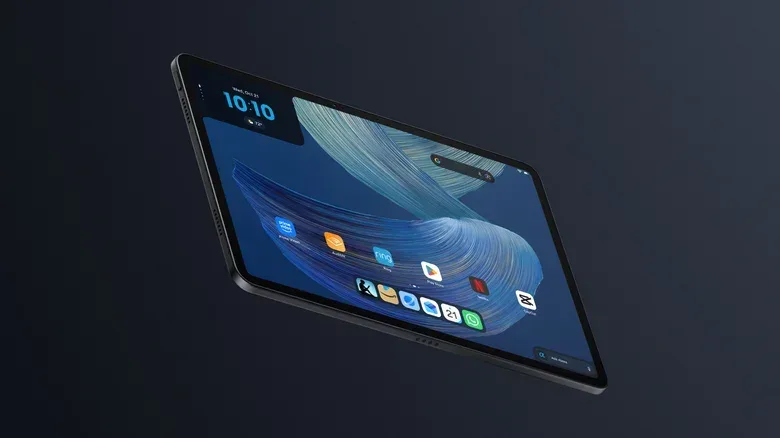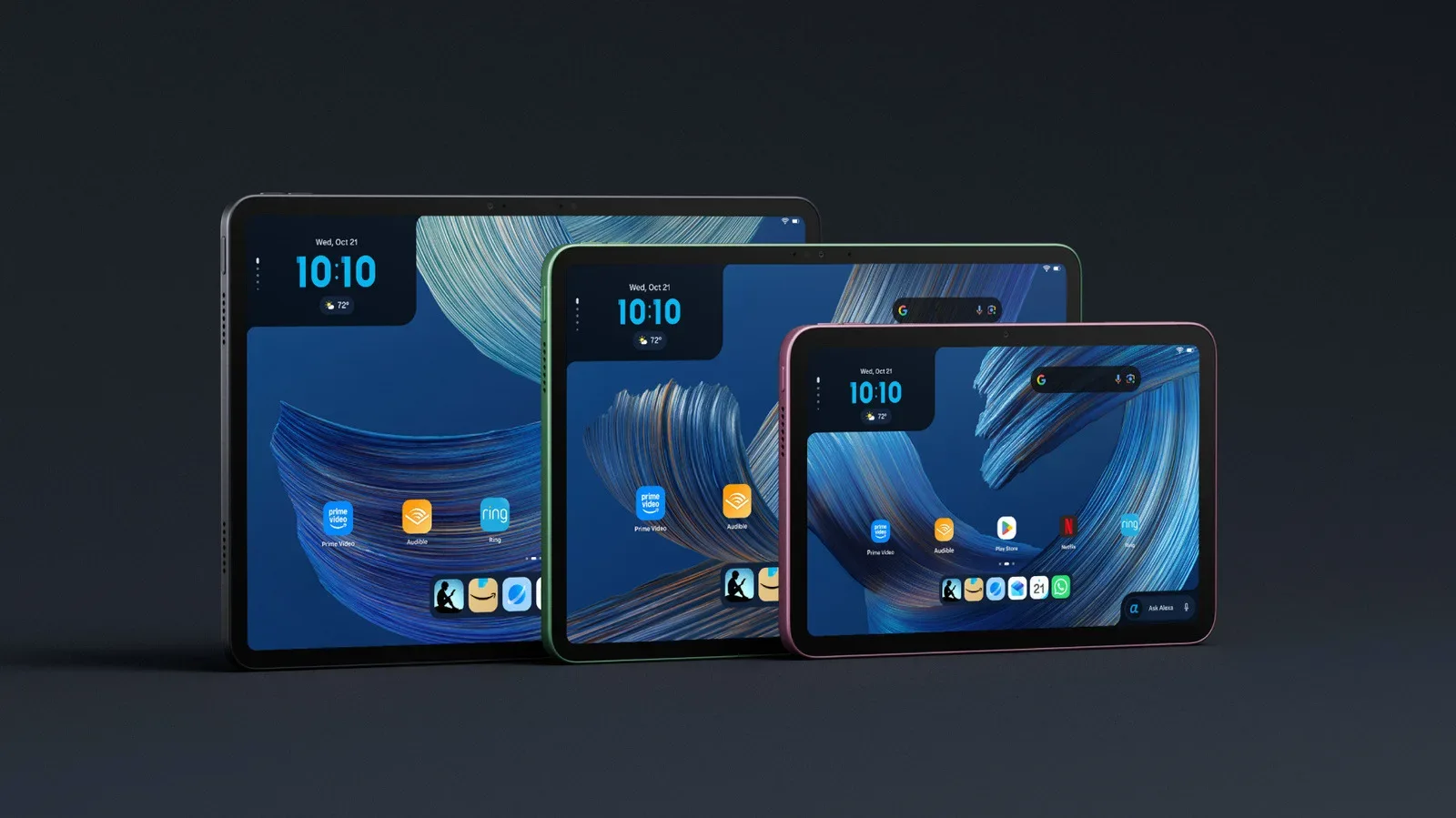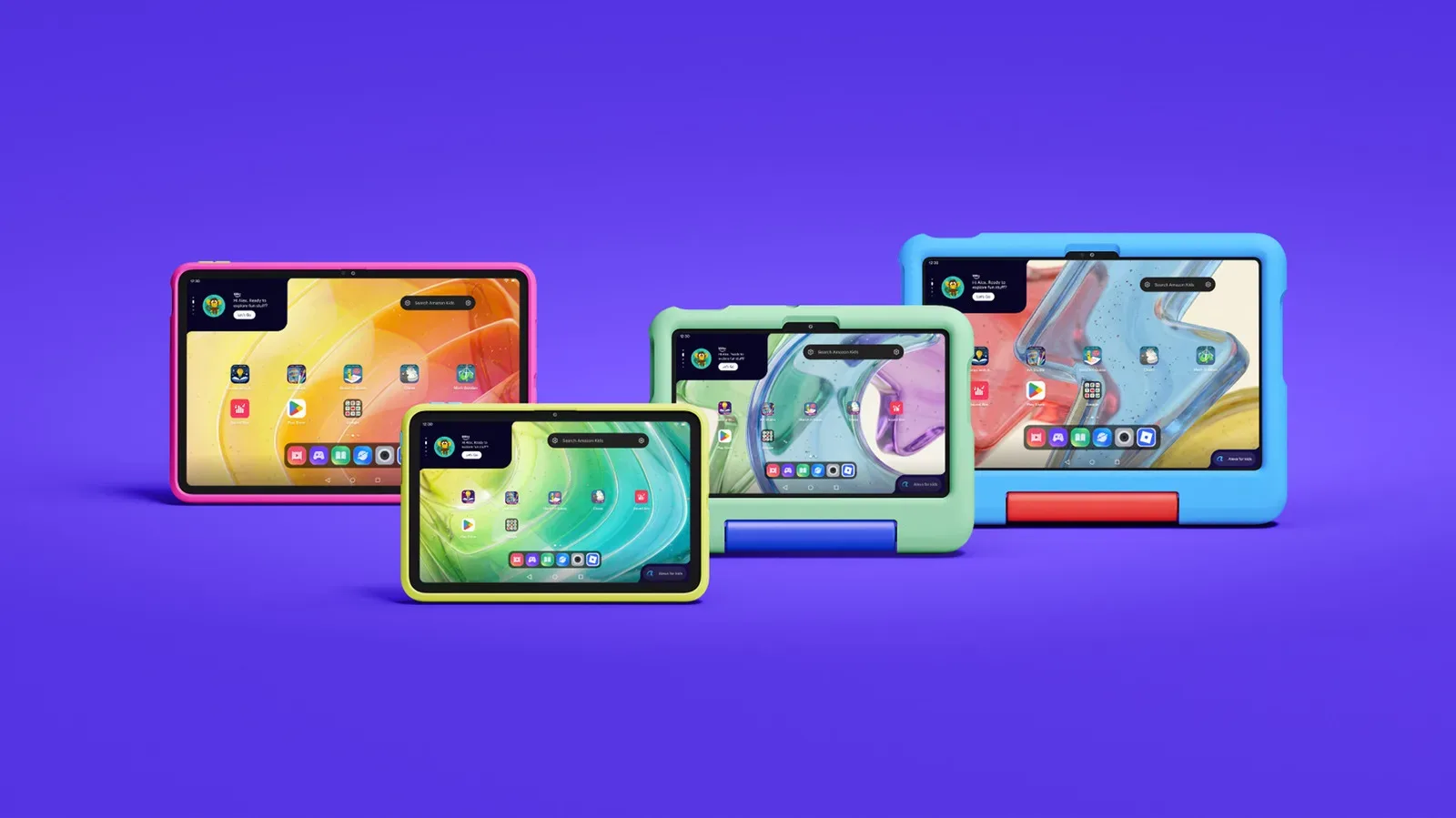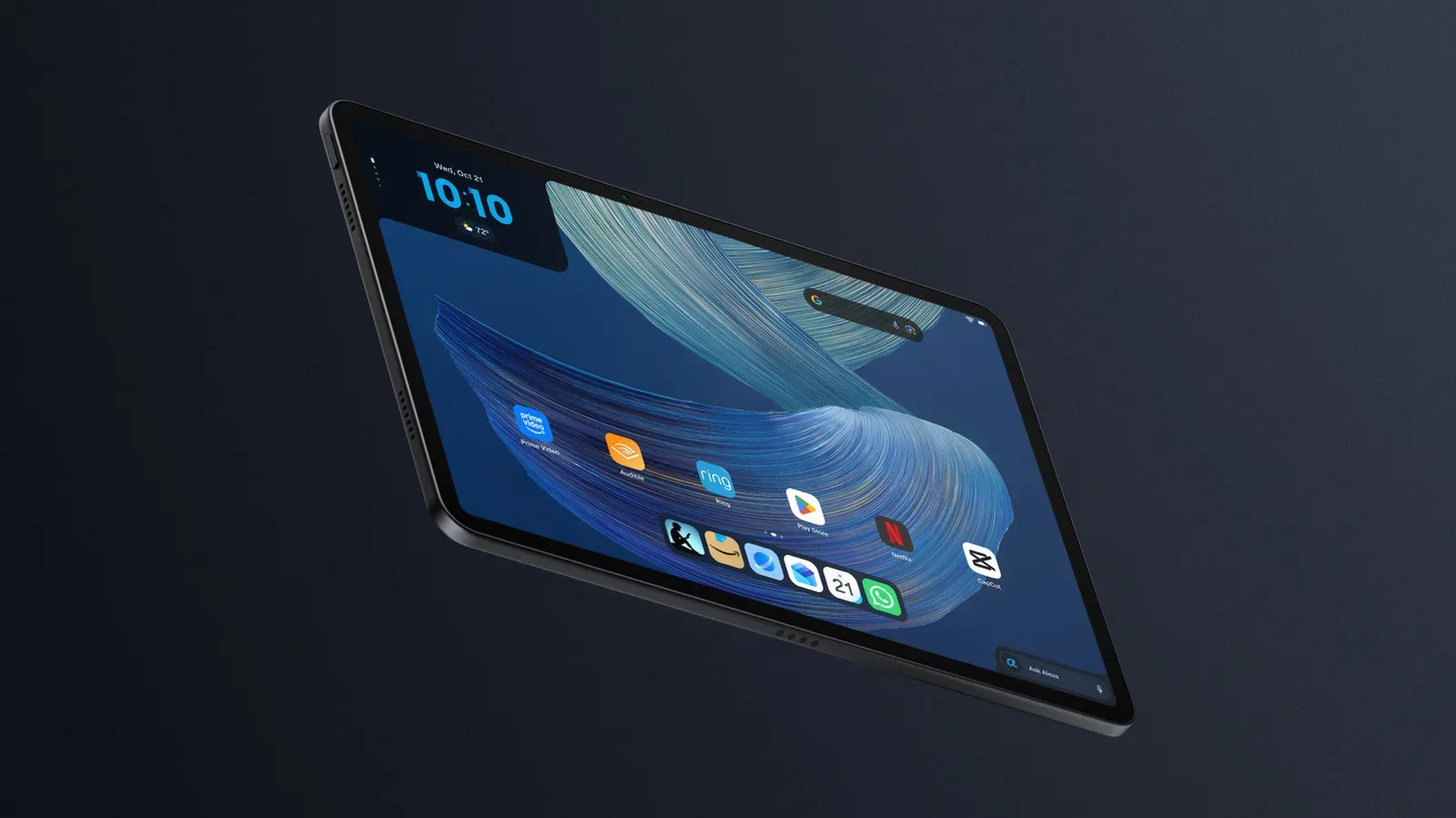
Amazon’s new Alexa Tablet range is breaking with a limitation that defined its earlier tablets for years: buyers will have access to the Google Play store. The change applies to the Alexa Tablet 12 Pro, Alexa Tablet 11 and Alexa Tablet 8, all of which run Amazon’s custom version of Android while arriving with Amazon’s own services already installed.
That is a major practical shift from the older Fire tablet approach. Amazon tablets have historically used a forked, or separately customized, version of Android and directed people to Amazon’s own app ecosystem. The original Kindle Fire established that model in 2011. On prior devices, the Amazon Appstore was the official route for downloading software, and its selection was substantially smaller than Google Play’s.
Google Play access means the new tablets can download from the much larger Android catalog, which contains millions of apps. For people looking at one of these devices as a general-purpose screen, that broadens the choices well beyond apps created or adapted specifically for Amazon’s platform. For gaming-minded users, it also makes the tablet’s software proposition less dependent on what Amazon’s store carries at a given moment.
What changes on the Alexa Tablet line
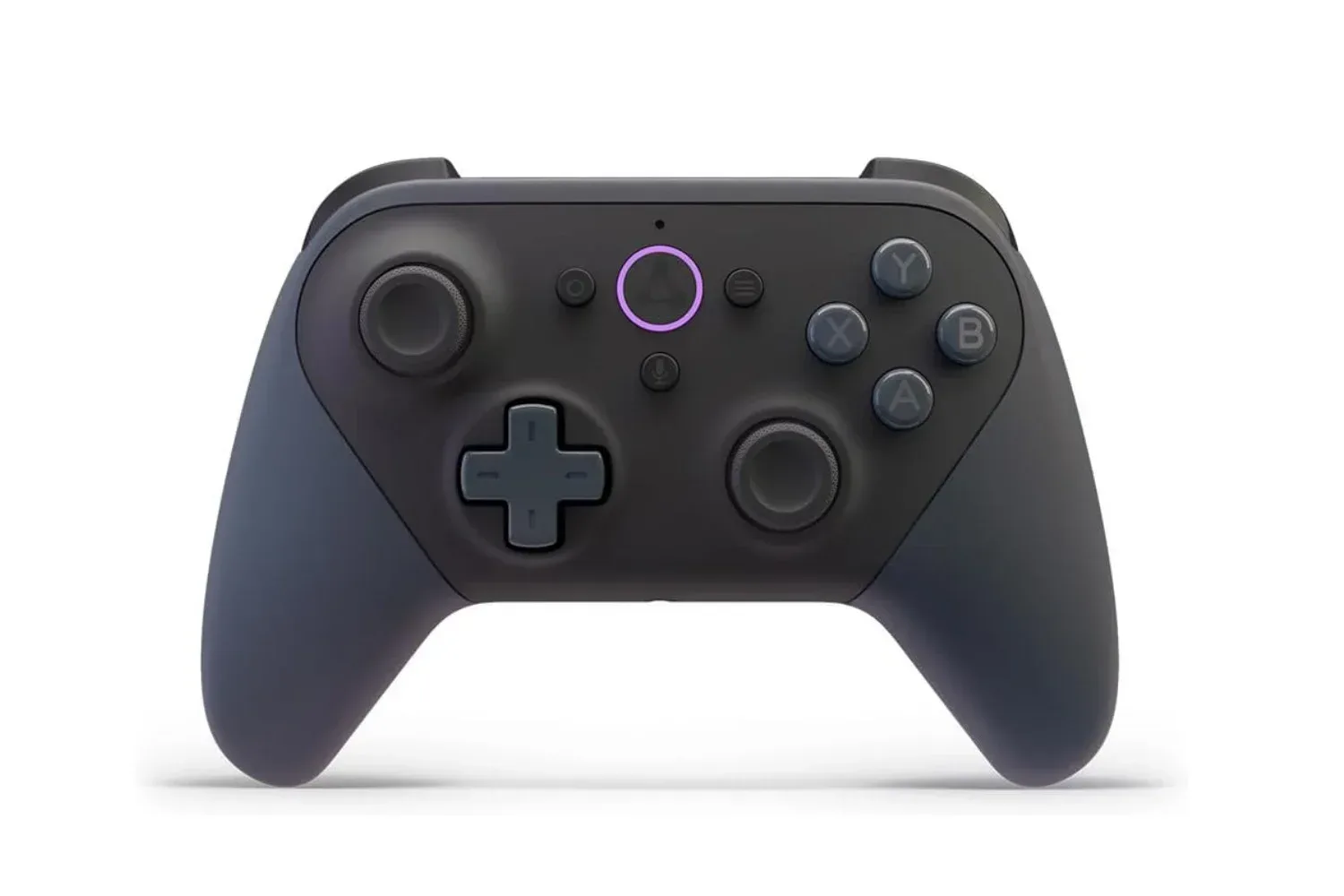
Amazon’s new tablets still retain a distinctly Amazon-shaped starting point. They come preloaded with Kindle, Prime Video, Audible, Amazon Music, Amazon Quick and Amazon Luna. Luna is Amazon’s cloud gaming service, so its inclusion puts gaming front and center among the software that ships with the devices.
The key difference is that those bundled apps are no longer the practical boundary of the experience. Google Play provides an additional storefront and route to Android software. A buyer can use Amazon’s apps and services while also having access to the conventional Android app marketplace used by many other Android devices.
It is useful to distinguish between a tablet running Android and a tablet having Google Play. A forked version of Android is software based on Android that has been customized and maintained as its own platform. That does not automatically mean it includes Google’s app store. Amazon’s earlier tablets illustrate that distinction: they used Android-derived software but depended on the Amazon Appstore rather than Google Play.
The new Alexa Tablets continue the customized-Android approach, but the addition of Play makes them operate more like Android devices with their own manufacturer-specific software layer rather than devices confined to a separate app marketplace. That is a meaningful distinction for anyone who has previously ruled out an Amazon tablet because an app they wanted was unavailable through Amazon’s store.
Why the app-store change matters
App availability is only one part of the story. Updates matter too. Developers generally prioritize releases, bug fixes and ongoing maintenance delivered through Google Play ahead of the Amazon Appstore. As a result, new Alexa Tablet owners should be able to receive those Google Play updates alongside the broader Android audience instead of waiting for a separate Amazon Appstore release path.
That could reduce a familiar source of friction for users of earlier Amazon tablets. An app might exist in Amazon’s store but receive features or fixes later than the version available to Android users through Google Play. In other cases, the app might not be present in Amazon’s catalog at all. The new store access does not promise that every app will be appropriate for every user or use case, but it gives owners a vastly wider pool from which to choose.
For games, the implications are straightforward without needing to overstate them. The Android game market is much larger than Amazon’s tablet-focused storefront, and Google Play access lets users search that broader catalog directly. It also means people using the tablet for Luna are not forced into a single ecosystem for everything around the cloud-gaming app, whether that means other entertainment software, social apps or compatible game-related utilities available through Google Play.
Amazon Luna remains one of the preloaded apps, which is important because cloud gaming works differently from a conventional downloadable mobile game. Rather than relying solely on the tablet to run the game locally, a cloud service streams the game over an internet connection. In this context, the tablet is both a display and an access point to the service. Google Play does not change the nature of Luna itself, but it removes the old app-store constraint around the rest of the device.
A broader choice, not a replacement for Amazon’s ecosystem
The addition of Google Play should not be read as Amazon abandoning its own services. Kindle, Prime Video, Audible, Amazon Music, Amazon Quick and Luna are still loaded on the tablets out of the box. Amazon is instead pairing its established software ecosystem with wider access to Android applications.
That combination may be the point. Amazon keeps the services that make its hardware useful inside its own ecosystem while offering users more freedom to decide which additional apps they want. The result is closer to the approach seen on Android tablets that layer a manufacturer’s own software and services on top of broader access to Google Play.
Anyone comparing the models should still look beyond the store change. Screen size, the intended role of the device and the other hardware differences will matter, particularly between the 12 Pro, 11 and 8. The Play Store access, however, is a shared feature across the new range rather than a capability reserved for the highest-end model. For a closer look at the family’s largest option, see Amazon’s Alexa Tablet Lineup Adds a 12-Inch Pro With Optional Nanomatte Glass.
Availability by region
Google Play access will be available across all three newly named Alexa Tablets: the Alexa Tablet 12 Pro, Alexa Tablet 11 and Alexa Tablet 8. The devices are scheduled to become available in the United States, Mexico and Canada on October 14. The United Kingdom, Germany, France, Italy and Spain follow on October 19.
For prospective buyers in those markets, the headline is simple: the next generation of Amazon tablets is no longer limited to the smaller Amazon Appstore. Amazon’s own apps, including Luna, remain prominent, but Google Play turns the new Alexa Tablet line into a much more open Android proposition than the Fire tablet lineage that came before it.