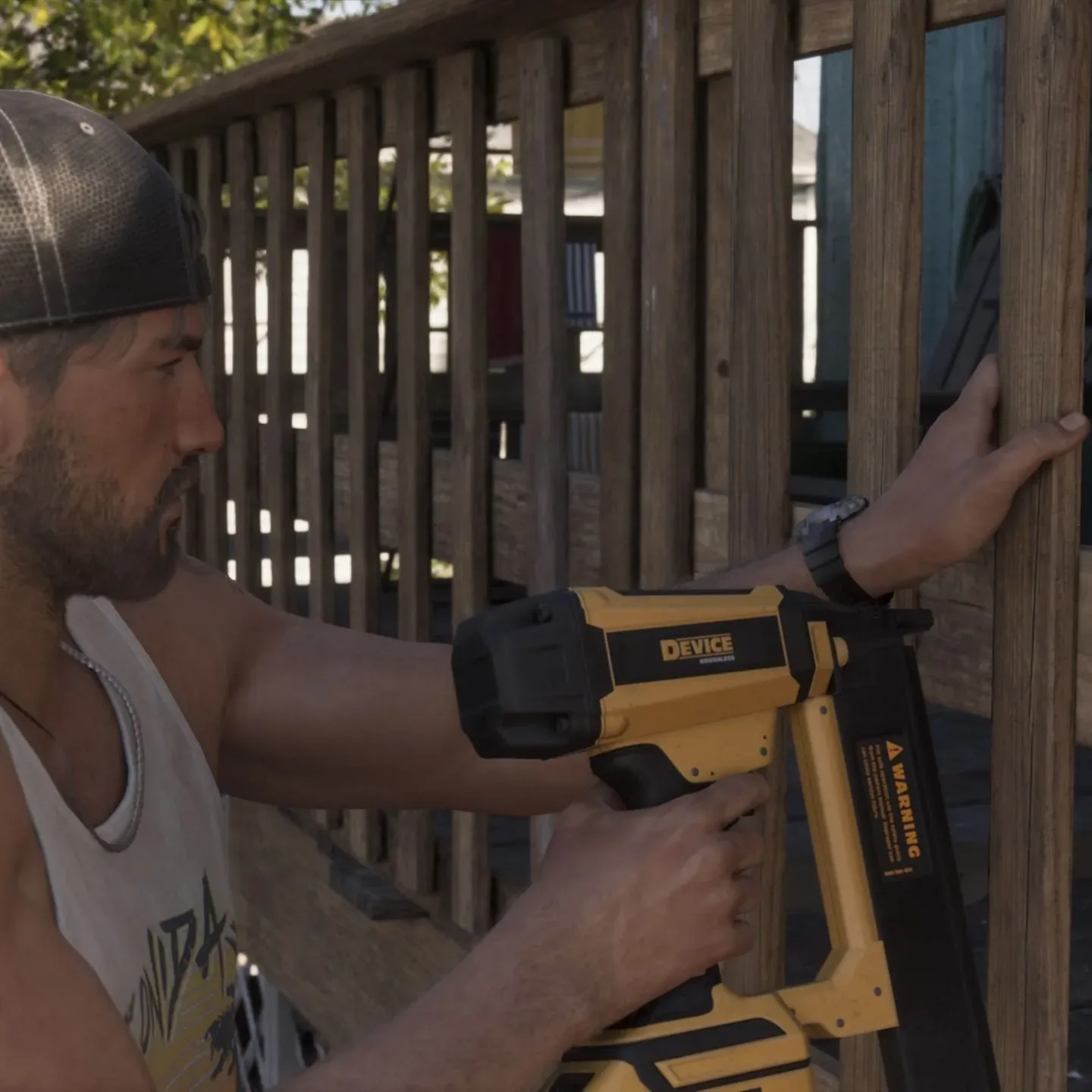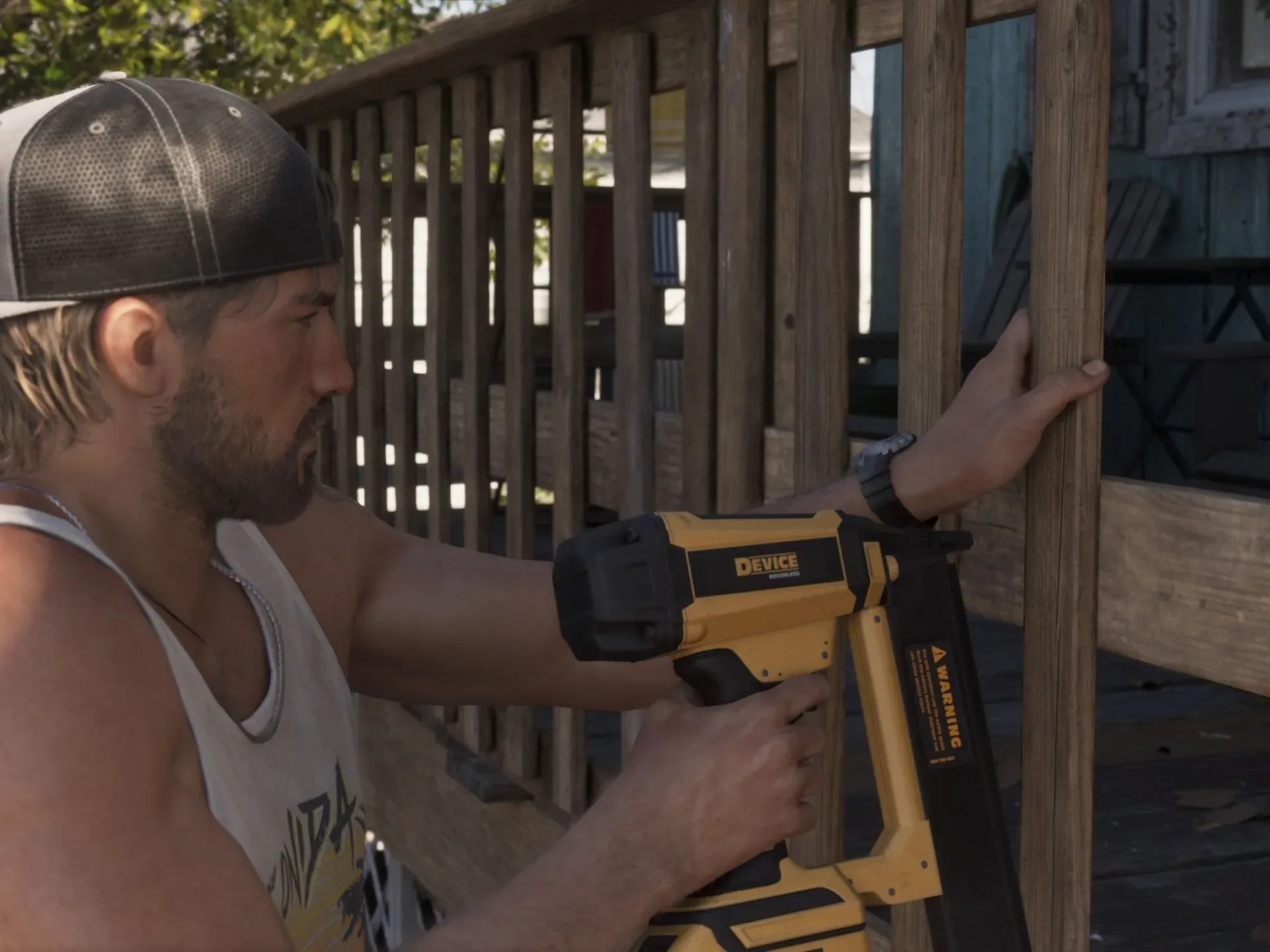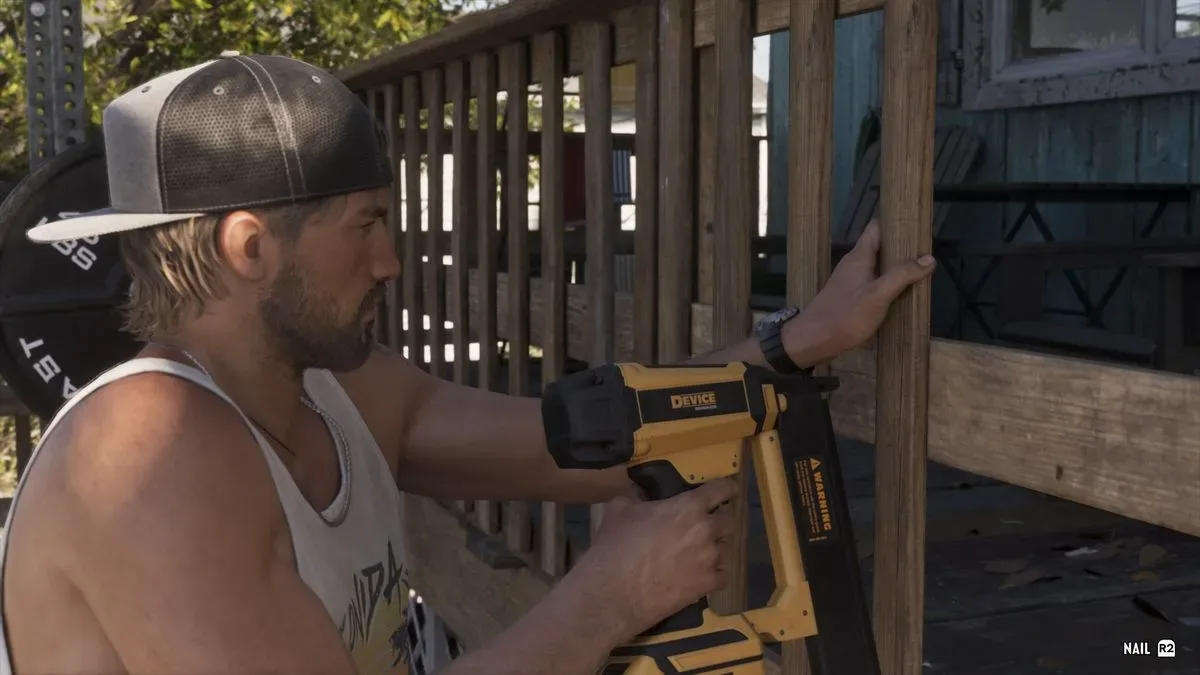
Grand Theft Auto has always had room for the optional detour: take the long route, ignore the urgent mission marker, get distracted by something absurd, then eventually remember why you got in the car. But GTA 6’s early hours appear to be inspiring a more specific kind of detour—one involving home repairs, errands, meals, workouts and conversations with people around Jason and Lucia.
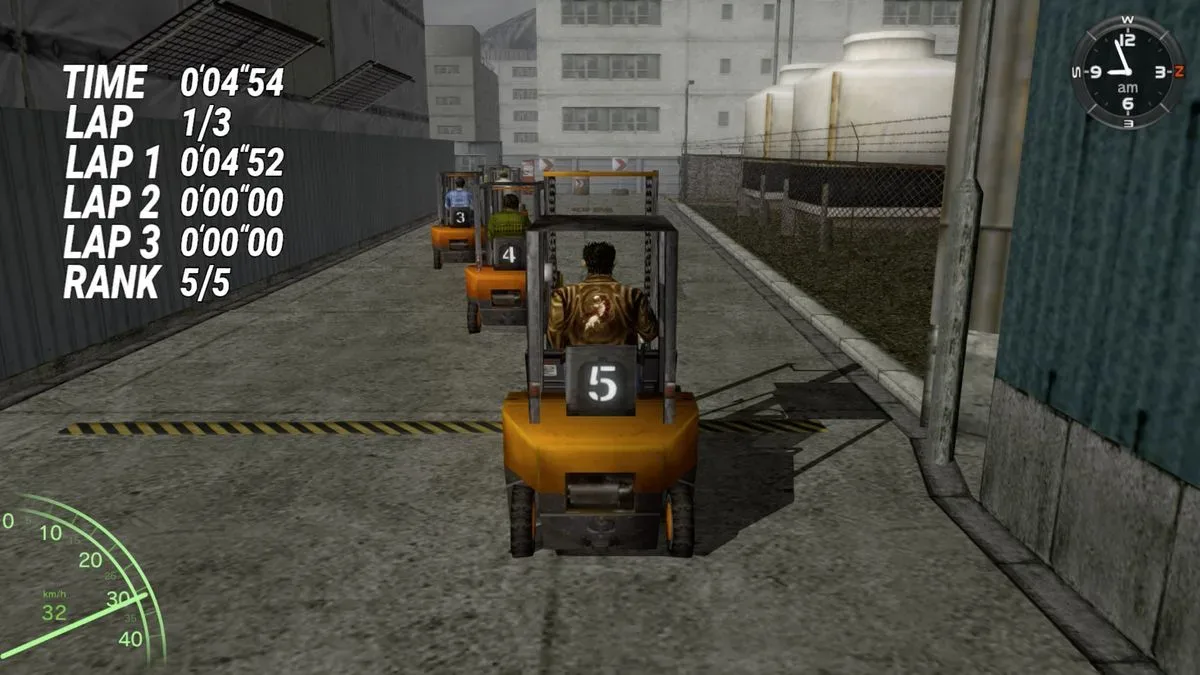
That focus on ordinary routines has led players to reach for an unexpectedly apt point of comparison: Shenmue, Sega’s famously lavish Dreamcast game from 1999. The shorthand circulating online is part joke and part sincere observation. “Florida Shenmue” captures the collision of two very different game identities: the enormous, crime-driven open-world series known for vehicular mayhem, and a slow, densely detailed revenge story in which following leads can mean asking passersby questions, looking through drawers or driving a forklift.
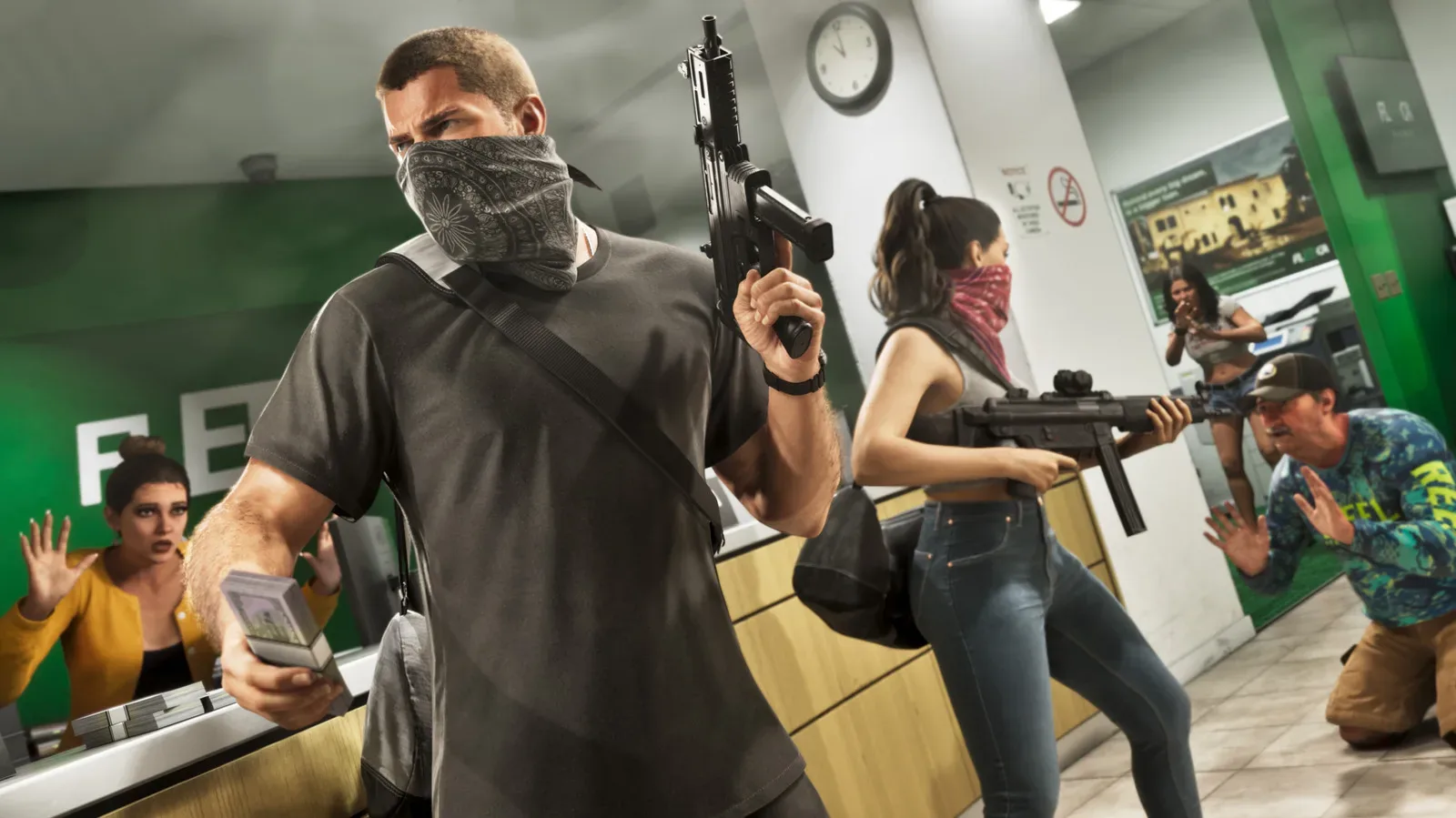
The comparison does not mean GTA 6 has stopped being Grand Theft Auto. Its opening provides opportunities for high-energy disorder. What seems to be surprising some players is that the game also encourages an unhurried domestic rhythm, at least at the outset. In that respect, the old joke is revealing: a mainstream blockbuster has apparently made room for the kind of mundane, texture-first interaction that Shenmue fans have been defending for decades.
What people mean when they say “Shenmue”
Calling something “Shenmue-like” is not simply a reference to an open world. Plenty of games have wide environments, side activities and NPCs. The more precise comparison is about life simulation: systems and interactions meant to make a character’s everyday existence feel tangible, even when those actions are not the fastest route to spectacle.
Shenmue placed Ryo Hazuki in a relatively compact but unusually dense setting. Its larger story was a martial-arts revenge saga intended as the start of a multi-game epic, yet combat occupied only a small part of the experience. Much of the game instead involved moving through Ryo’s daily routine: investigating his surroundings, opening drawers, speaking with wandering residents, pursuing clues and working forklift shifts.
Those details were not incidental decoration. They were central to why Shenmue became memorable. A player was not just sent to a destination; they were often asked to inhabit the space between plot points. The result could be slow, awkward or, in the affectionate language often applied to the game, charmingly janky. But it also gave Shenmue an unusually strong sense of place.
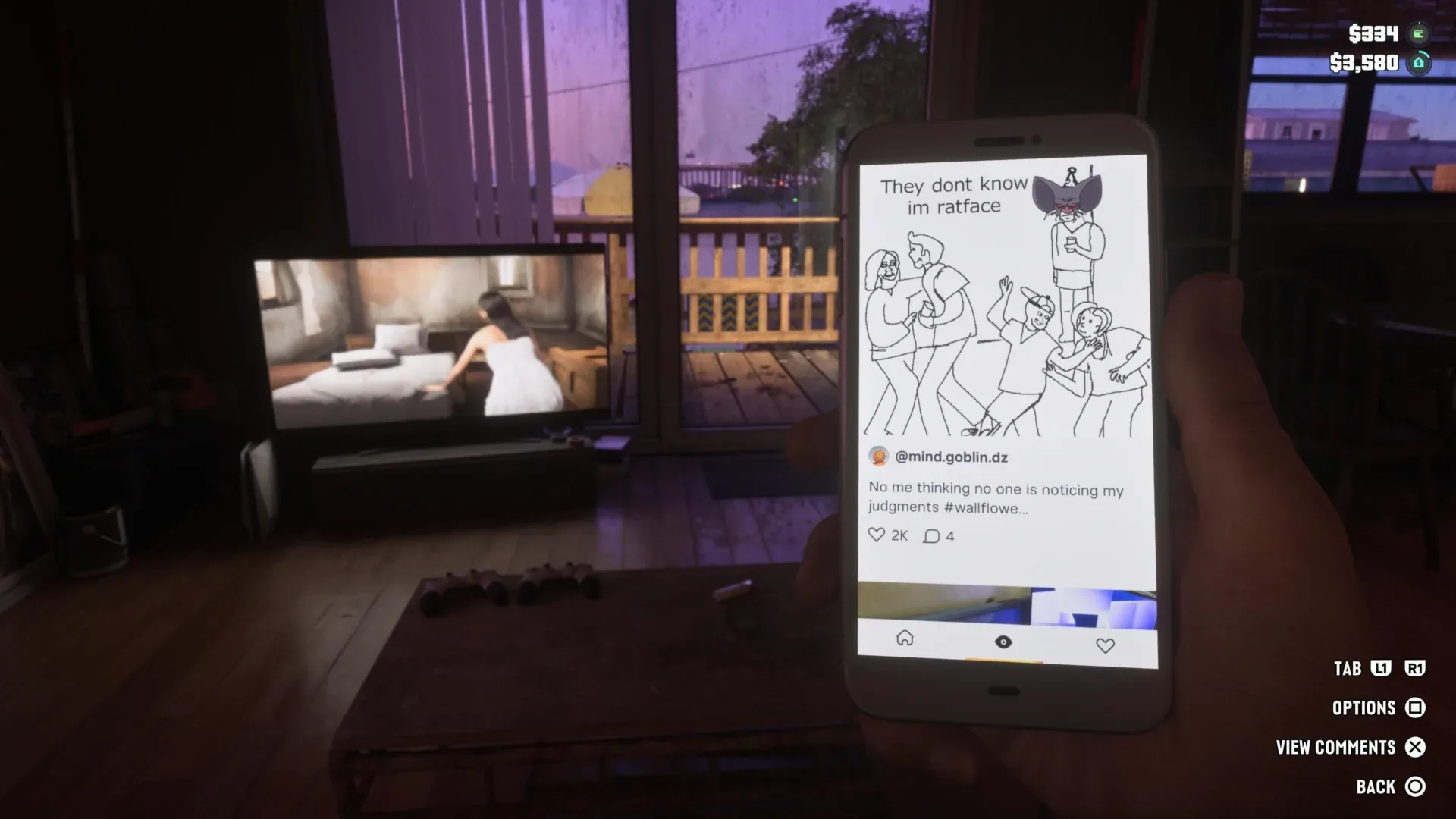
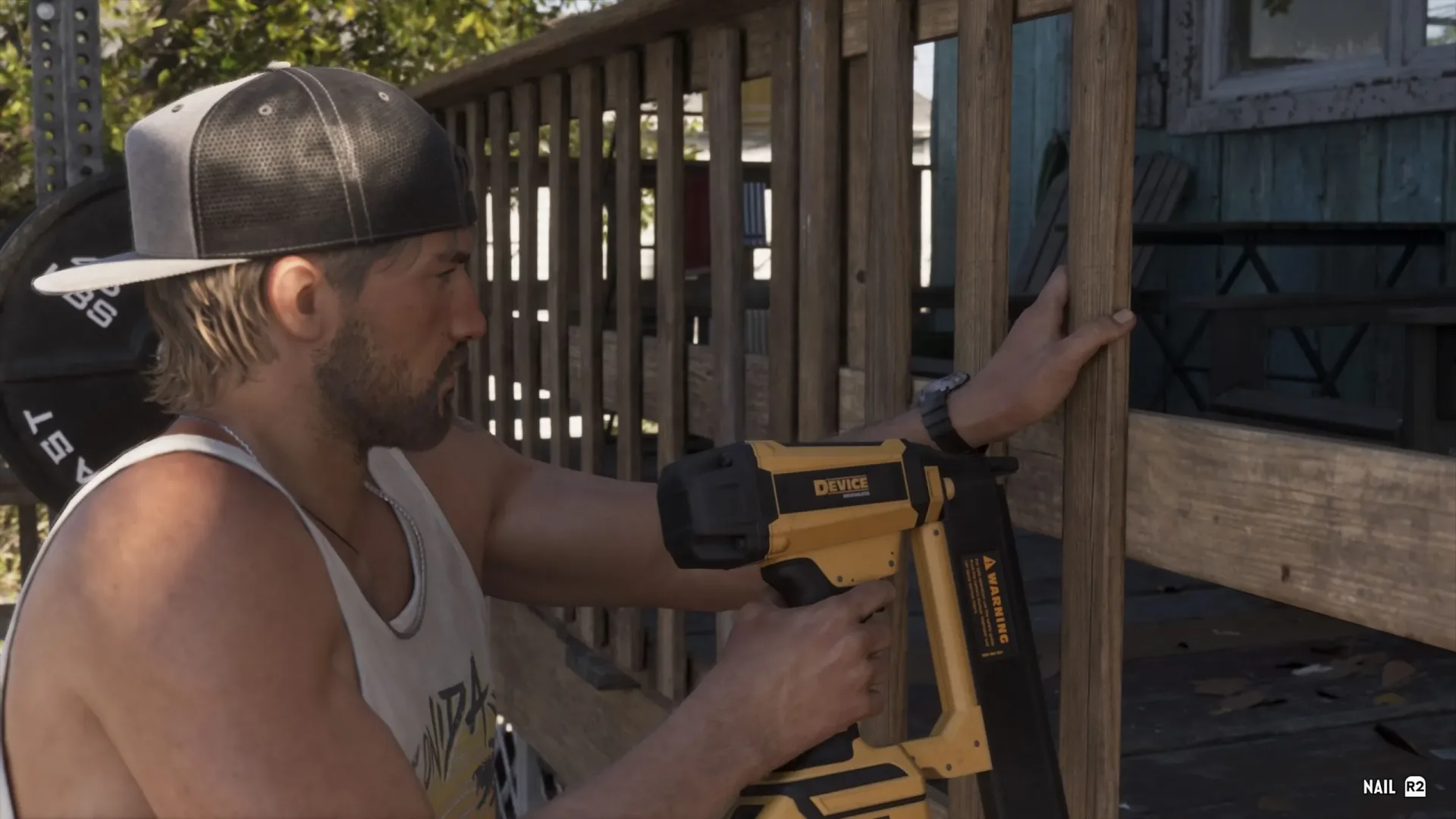
GTA 6’s early-life activities sound like a modernized version of that basic proposition. Restoring a home, helping neighbors, exercising, eating and chatting are actions that make Jason and Lucia feel situated in a community rather than merely deployed into a map full of missions. The practical question is not whether a player can still cause chaos. It is whether the game makes caring about the protagonists’ routine rewarding enough that the player voluntarily postpones it.
That distinction matters. An activity can be a checklist task, there because a game has one. Or it can support a larger role-playing effect: the player understands where the characters live, who is nearby, how they spend their time and what they have at stake before the next explosive set piece arrives. The latter is the promise players see in the Shenmue comparison.
Related coverage includes GTA 6's Everyday Detail Has Players Comparing It to Shenmue.
The expensive-game parallel has a strange symmetry
There is another reason the meme has landed. Shenmue was widely discussed in 1999 as the most expensive game ever made, with a reported development budget of $70 million. Adjusted for inflation, that is roughly $140 million. It was a striking figure for the era, especially for a game whose ambition was not merely cinematic scale but a painstakingly interactive environment.
GTA 6’s actual budget is not known from the information available here. Still, its scale has encouraged players to frame it as a likely contender for the costliest game ever made. That is speculation, not a confirmed financial fact, and it should stay separate from the observation about its design. The shared image is of an enormously resourced game using some of that investment not only for action, but for the friction and texture of daily life.
The contrast in commercial context is equally important. Shenmue did not recoup its development costs, despite the attention attracted by its scope. Its reputation endured because a devoted audience saw past its rough edges to the ambition underneath. The game’s cult status was built on the feeling that it was trying to simulate a lived-in world in ways few games of its time could.
GTA 6 arrives with the very different cultural weight of one of gaming’s biggest franchises. That makes its apparent willingness to ask for patience particularly notable. A huge audience may expect the immediate gratification of chases, robberies and open-world escalation. Starting by inviting people to maintain a home, run local favors or sit down for a meal is a quieter design decision than the series’ image might suggest.
Why mundane actions can make an open world feel bigger
There is a useful paradox at work. Shenmue’s world was small compared with the enormous game spaces common today, but its many specific interactions helped it feel substantial. Density can be as persuasive as geographic size. When objects, conversations and routines appear to have a purpose, players perceive more of a world than its square mileage alone would imply.
GTA 6’s early activities appear positioned to create a similar effect. Home repair gives a location personal meaning. Errands place the protagonists in a web of low-stakes obligations. Meals and workouts create a sense of bodily routine. Casual NPC conversations make the surrounding population feel less like scenery. None of these activities needs to be dramatic by itself. Their value comes from repetition, context and the implication that life continues around the crime story.
There can also be a storytelling payoff. If the game establishes the ordinary shape of Jason and Lucia’s lives, disruptions to that life can carry more weight. The supplied details do not establish how the story develops, so it would be premature to predict specific narrative consequences. But the principle is clear: domestic spaces and local relationships are more meaningful when the game lets players spend time with them rather than treating them as a backdrop between missions.
For players wondering whether a repair task is more than flavor, a focused walkthrough may help with the immediate objective. Our guide to finding and fixing the railing at Jason’s house addresses one of those early, grounded activities directly.
Not every player will want the forklift energy
The Shenmue label is affectionate, but it also signals a potential dividing line. Some people love games that let them linger, inspect and role-play at their own pace. Others see routine chores as an interruption when they have come for the headline fantasy. A game can include excellent life-simulation elements and still leave players debating whether those systems deepen the experience or delay the action.
That is why the online reaction has been so lively. One player described GTA 6 as, essentially, a Shenmue game after only a couple of hours, while another framed it as an experience for people who happily spent hours buying toy capsules in Shenmue. The exaggeration is part of the fun. Yet it identifies a real audience overlap: players who find meaning in minor interactions that other players might ignore.
“They’re calling it the Shenmue of 2026” works because it recognizes both sides of the joke. It imagines an ultra-modern blockbuster rediscovering the peculiar pleasures of a 1999 Dreamcast landmark: not simply winning fights or reaching the next mission, but inhabiting the strange in-between moments.
A Dreamcast idea with blockbuster resources
Shenmue’s legacy has never depended on being universally smooth, fast or commercially successful. It persists because its ambitions were unusually clear. It wanted players to feel that Ryo lived somewhere specific, with a home, a neighborhood, a schedule and a set of small tasks that sat alongside his larger purpose.
GTA 6 appears to be channeling that spirit through Jason and Lucia’s early routines, while retaining the capacity for the series’ established brand of open-world chaos. The comparison is therefore less about claiming the two games are identical than about identifying a shared design interest: the belief that a virtual world becomes more convincing when it contains ordinary life as well as extraordinary events.
For longtime Shenmue admirers, that may be the punchline with the most truth in it. The Dreamcast game’s fascination with chores, objects and local encounters was once treated as an eccentric ambition. Now players are spotting a familiar version of that ambition inside one of the medium’s largest modern releases.