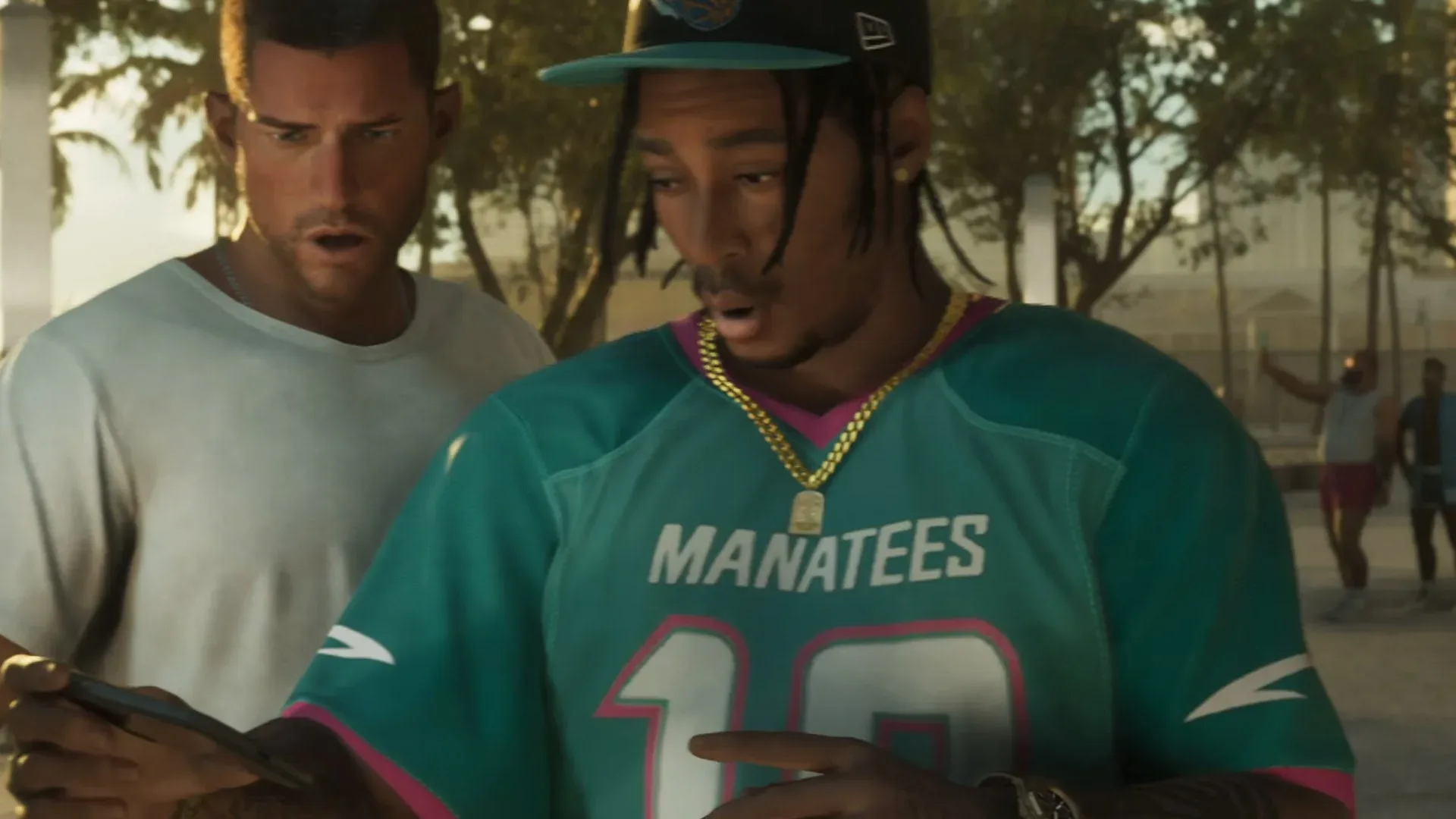
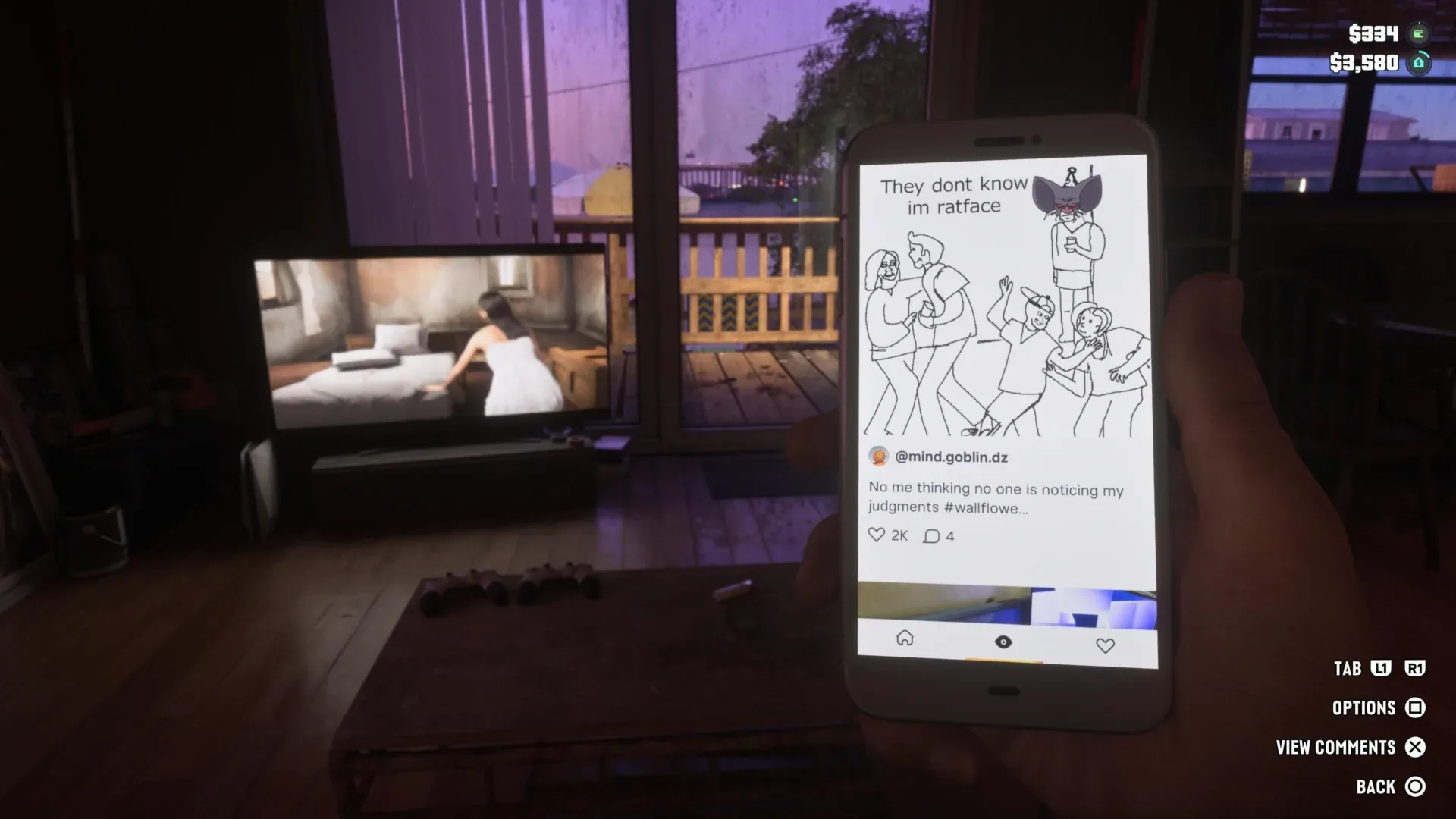
Grand Theft Auto 6 is leaving GTA 5’s browser-style internet behind. Rather than letting players browse a conventional web of parody sites through their phones, Rockstar Games has built GTA 6 around apps and social-media-style phone experiences. The decision is not being framed as a blanket rejection of websites for every future Rockstar game; it is a choice about what best fits this particular world and its story.
Rob Nelson, Rockstar’s head of development, said conventional websites did not feel necessary to GTA 6’s design. The team instead chose to “lean into apps” and make those applications a more central part of the player’s phone. That adjustment may sound like a small user-interface change, but it carries implications for how players find information, interact with the game’s satire and, crucially, spend money inside its world.
What GTA 5’s web did
GTA 5 treated the internet as a destination in its own right. Its smartphone could open a browser, and the Eyefind search engine connected players to a wide set of fictional websites. Those pages were both jokes and usable game systems: travel, property, boats and weapons could be presented as online purchases, while social platforms expanded Rockstar’s parody of contemporary online life.
Among the better-known examples were Bleeter, a Twitter-like social network, and Lifeinvader, a Facebook-like platform. Players could also visit sites including DockTease to purchase boats, Elitas Travel for aircraft-related browsing and Warstock Cache & Carry for military hardware. The format made the phone feel like a tiny desktop computer, complete with discrete destinations and a search layer.
GTA 6 will not use that traditional-web model. The distinction matters: an app-first interface is not merely a different menu skin. It means a game organizes services into dedicated programs and feeds rather than asking players to move through a browser, search results and individual pages. GTA 5’s online shopping and browsing were part of its broader open-ended toolbox. GTA 6’s phone systems are being shaped around a more immediate, mobile-centered form of interaction.
Why Rockstar moved away from websites
Nelson’s explanation combines narrative priorities with game-economy design. GTA 6 follows Jason and Lucia as they develop from smaller criminal work toward bigger heists. Rockstar wanted the pair’s relationship to money and activity in the open world to grow organically, rather than making large-scale online purchasing a dominant early answer to every need.
“They don’t really need websites to be buying a lot of shit,” Nelson said, describing a system intended to develop organically rather than through a top-down ban on websites.
That approach places greater emphasis on the world immediately around the protagonists. Small liquor-store and pawn-shop robberies are specifically part of the intended progression before the larger jobs. In practical terms, the design goal appears to be making the player engage with local opportunities, physical places and the economics of criminal activity before the story reaches its biggest stakes.
Related coverage includes GTA 6 Leaves Traditional Websites Behind for an App-First Vice City.
Game economy, in this context, means the structure governing how players obtain money, goods and capabilities. A browser with broad catalogs can make purchasing feel abstract: open a page, select an item and complete a transaction. Rockstar’s comments suggest GTA 6 prefers that the path to resources and advancement emerge from actions in Vice City’s wider world. The available information does not spell out every purchase method or app function, so it would be premature to assume that buying items has disappeared entirely. What is clear is that GTA 5-style website browsing is no longer the organizing system.
An interface choice that also changes the satire
The shift is also a reflection of the era each game is trying to capture. GTA 5 arrived in 2013, when the game’s version of online culture could be effectively represented as a collection of websites: search for a business, browse its page, read its branding and make a purchase. Its comedy worked through recognizable web destinations and exaggerated versions of social-media platforms.
GTA 6’s emphasis on apps and social media gives Rockstar a different satirical toolset. Apps are generally designed around direct prompts, notifications, dedicated functions and scrolling feeds. That can make digital culture feel more persistent in a game world: it is on the character’s phone as an ongoing layer rather than something a player chooses to visit through a browser window.
There is no detailed list yet of every app or its features, so the precise balance between social content, commerce, mission support and other phone functions remains unspecified. Still, Nelson’s comments establish the underlying intent: GTA 6’s digital systems are supposed to serve the story and encourage engagement with “meaningful” activities in the open world, not replicate the earlier game’s extensive web-shopping routine.
What this could mean for players
For players who enjoyed GTA 5’s dense collection of spoof sites, the immediate trade-off is straightforward. GTA 6 will not offer the same kind of leisurely browser tourism, where clicking through strange corporate pages and catalogs was part of the entertainment. Some of that texture may instead be delivered through purpose-built apps and social-media systems, but Rockstar has not said that they will be direct one-for-one replacements for Eyefind, DockTease or Warstock.
On the other hand, a focused phone interface could make information and world interactions feel more integrated with moment-to-moment play. An app can be tightly tied to an objective, a contact, an activity or a location without requiring the player to navigate a mock browser first. That does not automatically make it better; it is a design trade. GTA 5’s web gave players an intentionally cluttered, browseable space full of optional jokes. GTA 6 appears to favor utility and narrative relevance over preserving that specific form of digital sprawl.
The decision also aligns with Rockstar’s stated desire to ensure Jason and Lucia have reasons to be committing theft and escalating into larger crimes. When a game makes high-end goods easy to obtain from a remote catalog, it can weaken the sense that the characters need to take risks in the physical world. A progression built more closely around robberies, businesses and opportunities in the city can reinforce the fiction that advancement must be earned through action.
That is an interpretation of the development rationale, not confirmation of exact mission structure. Rockstar has not outlined a full progression chart, the cost of goods or all ways players will acquire vehicles, weapons and services. But its stated priority is clear enough: the interface should support an escalating criminal story, rather than pull attention away from it.
Not necessarily the end of websites at Rockstar
Importantly, Nelson did not present the decision as a permanent studio-wide rule. He said websites could return in future games. The conclusion came from considering their purpose in GTA 6, with UI lead Stu Petri reportedly asking what, specifically, websites were needed for. In that sense, the absence of browser pages is being presented as a practical result of the game’s priorities rather than a headline-grabbing feature cut.
For the next Grand Theft Auto, the answer is apps: a smartphone experience intended to feel more central to its setting and more useful to the story of Jason and Lucia. It is another indication that Rockstar is treating GTA 6 as more than a visual update to GTA 5’s formula. The game is revising the small systems that shape how players inhabit its world, including a once-familiar browser that had become a signature piece of GTA’s satire.
Players looking for more on the game’s broader structure can also read about GTA 6’s solo-game launch approach and the still-unconfirmed status of online mode.