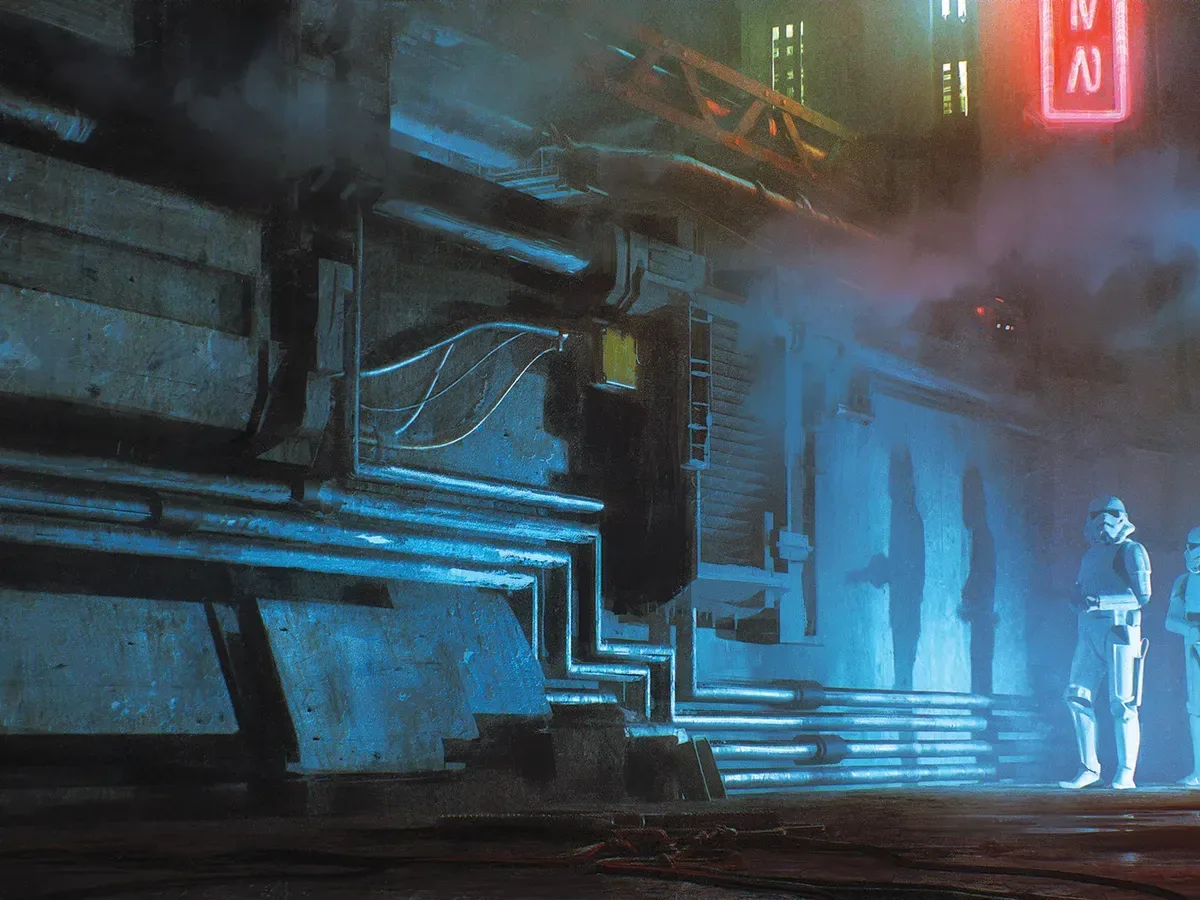
Dungeons & Dragons is preparing to make the jump from taverns, dragons and dungeon corridors to starfighters, secret cells and Imperial pressure. Wizards of the Coast has confirmed Star Wars: Tyro Squadron, an adventure module set in the Star Wars universe, alongside a broader Core Rules expansion intended to bring the Galaxy Far, Far Away into the tabletop role-playing game.
The most concrete early detail is the campaign premise. Tyro Squadron places player characters in a secret Rebel crew during the Original Trilogy era, while Luke Skywalker and Leia Organa are occupied by their own conflicts elsewhere in the galaxy. The setup promises daring missions, voyages to less-explored locations and opportunities for a party to influence a smaller part of the Rebellion’s wider struggle against the Empire.
That is a smart frame for a tabletop campaign. It preserves the familiar era, stakes and iconography of Star Wars without making a game table compete with its best-known protagonists. A group does not need to replace Luke, Leia or the film casts to have meaningful victories. It can instead become the crew that delivers a critical message, extracts an endangered contact, disrupts an Imperial operation or survives a mission that was never meant to be acknowledged publicly.
A Rebel campaign built for player characters
The announced premise is explicitly about fighting the Empire as part of a covert Rebel operation. In practical role-playing terms, that points toward an adventure structure based on assignments, cover identities, fragile alliances and the consequences of operating with limited resources. “Secret Rebel crew” is not merely Star Wars flavor: it is an effective reason for a newly formed party to travel together, take orders from contacts and encounter trouble in a wide range of environments.
It also gives a Dungeon Master, the player who runs the world and adjudicates rules, a useful way to connect adventures. A Rebel cell can receive a mission through a handler, seek supplies from a criminal intermediary, investigate a new Imperial outpost or choose whether protecting civilians is worth jeopardizing a larger operation. Those are possible campaign implications of the concept, rather than confirmed details of the book’s contents. Specific mission types, locations, adversaries and mechanics have not yet been revealed.
Setting the story during the Original Trilogy gives the campaign a particularly clear dramatic backdrop. The Empire’s authority is an ever-present threat, while the Rebellion offers a cause bigger than any one crew. At the same time, the heroes have room to exist in the gaps between major events. The premise does not ask players to rewrite the central stories of Luke and Leia; it asks them to build their own.
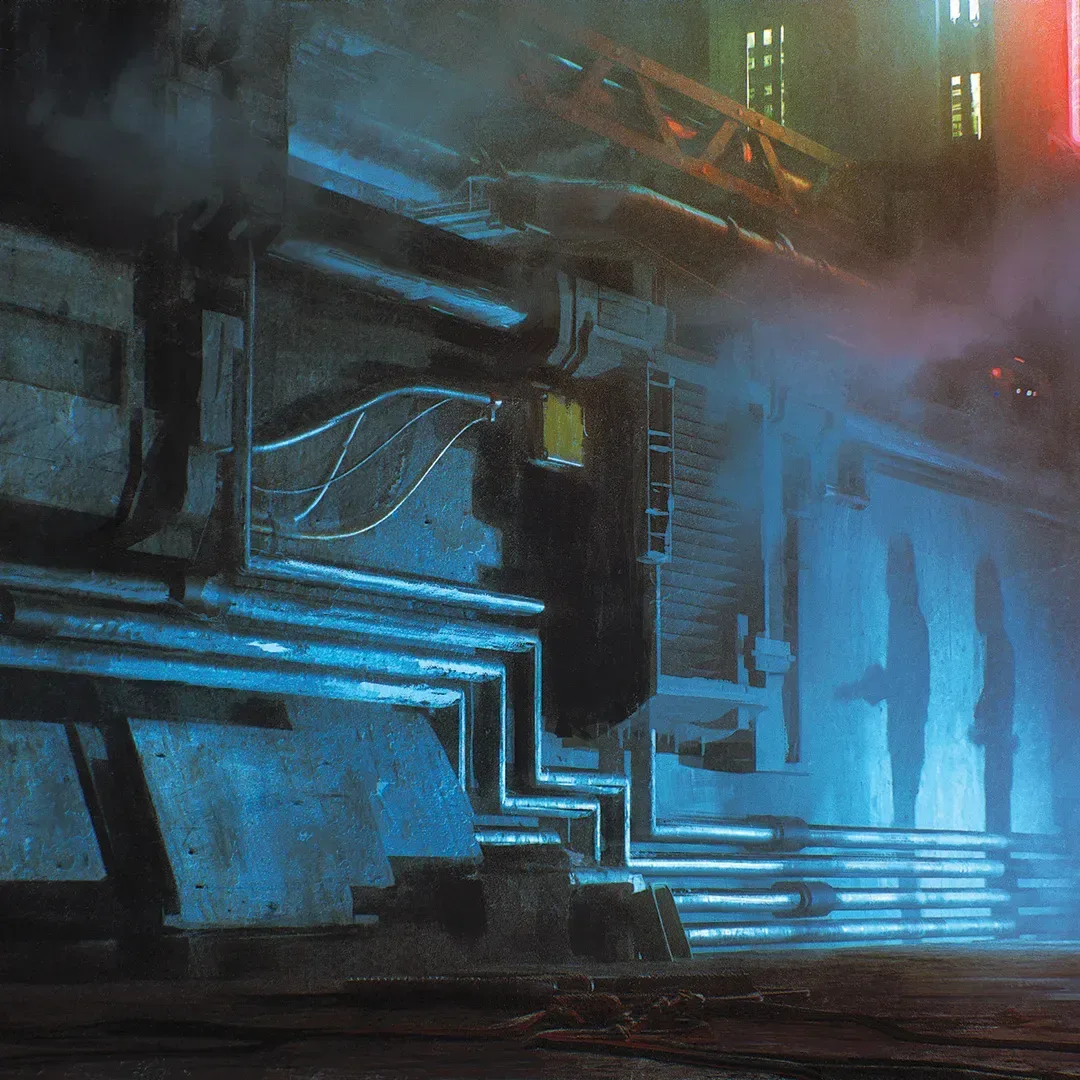
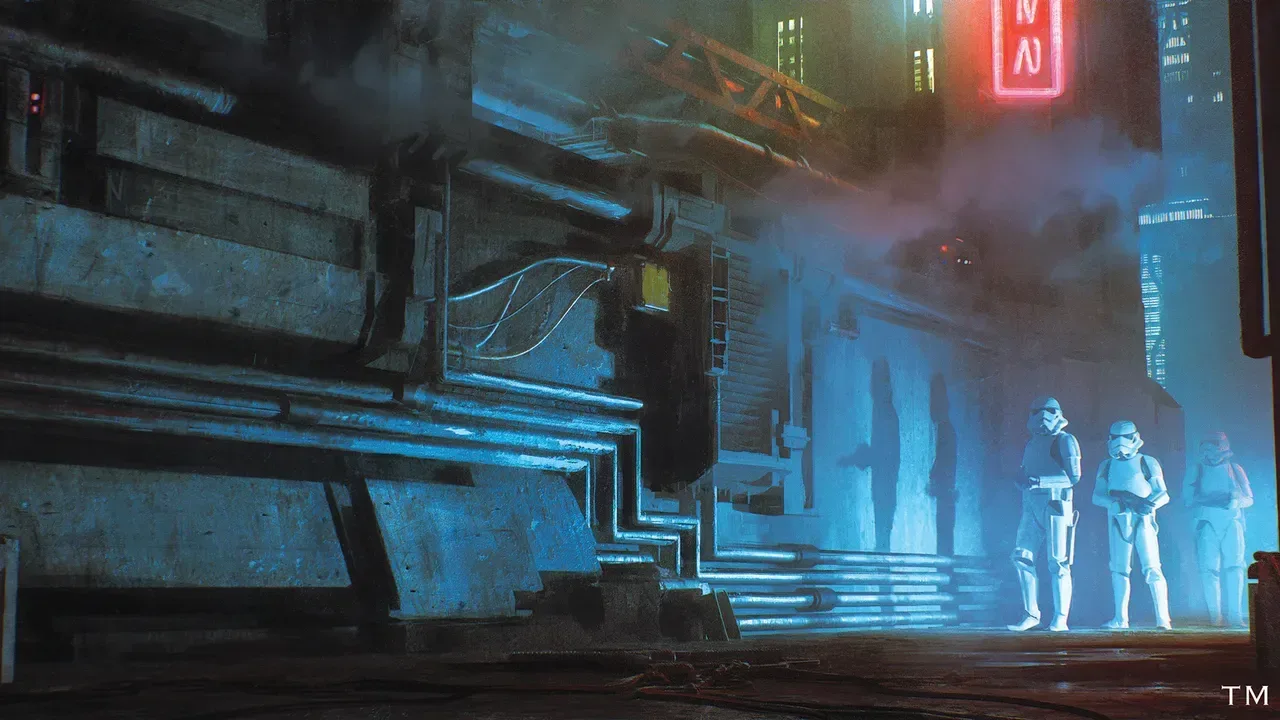
Tyro Squadron is positioned around secret Rebel operations, galaxy-spanning missions and stories that unfold parallel to the better-known battles of the Original Trilogy.
What the Core Rules expansion could mean
Tyro Squadron is only one half of the announced Star Wars material. Wizards of the Coast is also planning a Core Rules expansion for the setting. That wording matters because a standalone adventure and a core expansion serve different purposes at the table.
Related coverage includes Dungeons & Dragons Heads to a Galaxy Far, Far Away With Star Wars: Tyro Squadron.
An adventure module is generally a prepared campaign or scenario framework: it supplies a premise, encounters, locations, story material and guidance for running a particular tale. A Core Rules expansion, by contrast, suggests a wider rules-facing foundation that could help groups create characters and run ongoing games in the new setting. Wizards of the Coast has not specified its final scope, its contents or how it will alter the game.
The company has indicated that the expansion will include story hooks and new ways to play classic D&D classes. A story hook is a starting situation designed to pull characters into action: an unanswered distress call, a suspicious cargo job, a missing Rebel agent or an Imperial patrol looking in the wrong place. Hooks are valuable in a vast setting such as Star Wars because they turn an intimidating galaxy into an immediate choice for a group.
The reference to classic classes is equally significant, though still highly undefined. D&D classes are the game’s broad character archetypes, shaping what a character can do and the abilities they gain as they advance. The announcement does not say which classes will receive Star Wars-oriented options, nor does it explain whether those options will be presented as new subclasses, alternate features, narrative reskins or another approach. Until Wizards of the Coast shares rules text, any stronger claim would be guesswork.
Blasters, lightsabers and the D&D rules question
The central design challenge is obvious. Dungeons & Dragons is traditionally associated with high fantasy: swords, spellcasting, ancient ruins and monsters. Star Wars has starships, blasters, droids, lightsabers and the Force. Both are adventure fiction built around bold heroes and dangerous journeys, but their tools and visual language are distinct.
Blasters and lightsabers are the immediate questions because they are not background decoration. They shape how characters approach danger. A blaster implies ranged firefights and cover. A lightsaber carries the expectations of an iconic close-combat weapon, along with the spiritual and narrative weight attached to Force users in Star Wars. The announcement confirms neither specific weapon rules nor a Force-user character system, so it remains unknown how closely the expansion will model those elements.
There are several broad design decisions that any adaptation must confront. Does a setting-specific weapon simply use a familiar D&D mechanic with new flavor, or does it introduce an entirely different tactical role? Can an existing class be adapted to evoke a Star Wars archetype while retaining its original identity? How much should the rules prioritize recognizability over simulation? These are analysis questions, not announced features, but they explain why the eventual rules reveal will matter much more than a list of names or artwork.
The phrase “new ways to play classic D&D classes” suggests that Wizards of the Coast is looking for a bridge rather than discarding D&D’s underlying character vocabulary outright. For established players, that could reduce the barrier to trying the setting. For newcomers attracted by Star Wars, it could make the game easier to approach if the resulting options are legible within the core D&D framework. Whether that bridge feels natural will depend on details still to come.
Universes Beyond is moving beyond fantasy worlds
The Star Wars project follows another announced D&D Universes Beyond release tied to World of Warcraft. That earlier expansion has not yet arrived, but it establishes the immediate context: Wizards of the Coast is using D&D as a framework for officially licensed settings beyond its own fantasy worlds. Readers following that separate crossover can find more on the latest World of Warcraft coverage.
Star Wars is a notably different test case. World of Warcraft and D&D share a more readily recognizable fantasy ancestry, even if their worlds and systems are distinct. Star Wars brings science-fiction technology and a galactic scale into the mix. Its strongest tabletop appeal may not come from reproducing every famous moment, but from giving a party permission to inhabit the corners where smugglers, scouts, pilots, spies, droids and local rebels have stories of their own.
The early description of Tyro Squadron leans in that direction. Rather than framing players as the era’s central legends, it emphasizes a secret crew and new corners of the galaxy. That can be a productive choice for a licensed tabletop setting. Players usually want agency, and agency is easier to protect when the campaign is not constantly arranging for familiar characters to take over the decisive moment.
What is confirmed, and what remains unknown
The announcement has established a clear outline, but not a release-ready rules package. Separating confirmed information from expectations is especially important here.
Confirmed so far
- Star Wars: Tyro Squadron is a Dungeons & Dragons adventure module.
- A larger Star Wars-focused Core Rules expansion is also planned.
- Tyro Squadron is set during the Original Trilogy period.
- Players will take the roles of a secret Rebel crew fighting the Empire.
- The campaign will involve daring missions, travel to new parts of the galaxy and stories occurring alongside Luke and Leia’s separate battles.
- Wizards of the Coast plans to share more information at Star Wars Celebration in April 2027.
Not yet detailed
- A release date for either product.
- The final contents and scale of the Core Rules expansion.
- Character options, class adaptations and any rules for the Force.
- Rules for blasters, lightsabers, starfighters, droids or other signature Star Wars elements.
- The full campaign structure, featured locations and supporting cast for Tyro Squadron.
For now, Star Wars: Tyro Squadron has an appealingly focused tabletop hook: let a group of players form a covert Rebel crew and earn its own place in an era that is already rich with danger. The upcoming Core Rules expansion is the larger unknown. Its eventual explanation of character options, genre-specific gear and the relationship between Star Wars concepts and D&D’s existing rules will determine how ambitious this crossover really is.
Until the April 2027 information reveal, the useful takeaway is simple. This is not being presented solely as a Star Wars story wearing D&D branding. Wizards of the Coast is planning both an adventure and a rules expansion, with the former offering a distinct Rebel-campaign premise and the latter expected to explain how the galaxy works at the table.