World of Warcraft: Forever has reached its fourth week of beta testing with a substantial new build, including a City of Dalaran dungeon, bug fixes and a range of class adjustments. Yet the details generating the loudest reaction are not the dungeon or the broader list of changes. They are a restored looting behavior that can make defeated creatures look interactable even when they have nothing to give, plus a set of class updates some players see as too cautious to resolve the issues they feel while leveling.
The immediate argument is a familiar one for games revisiting older systems: when does authenticity add texture, and when does it preserve friction simply because the friction is old?
The return of an old looting annoyance
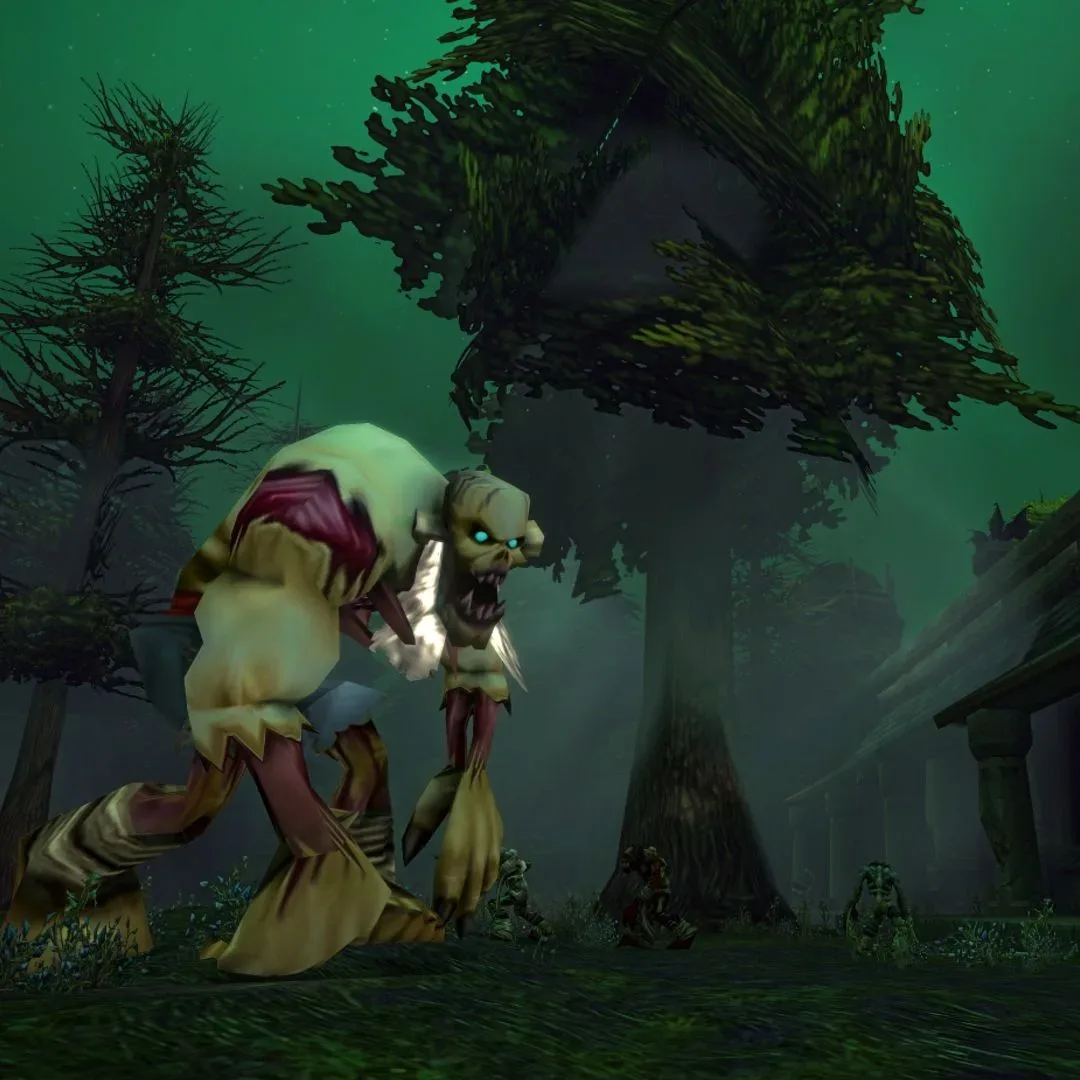
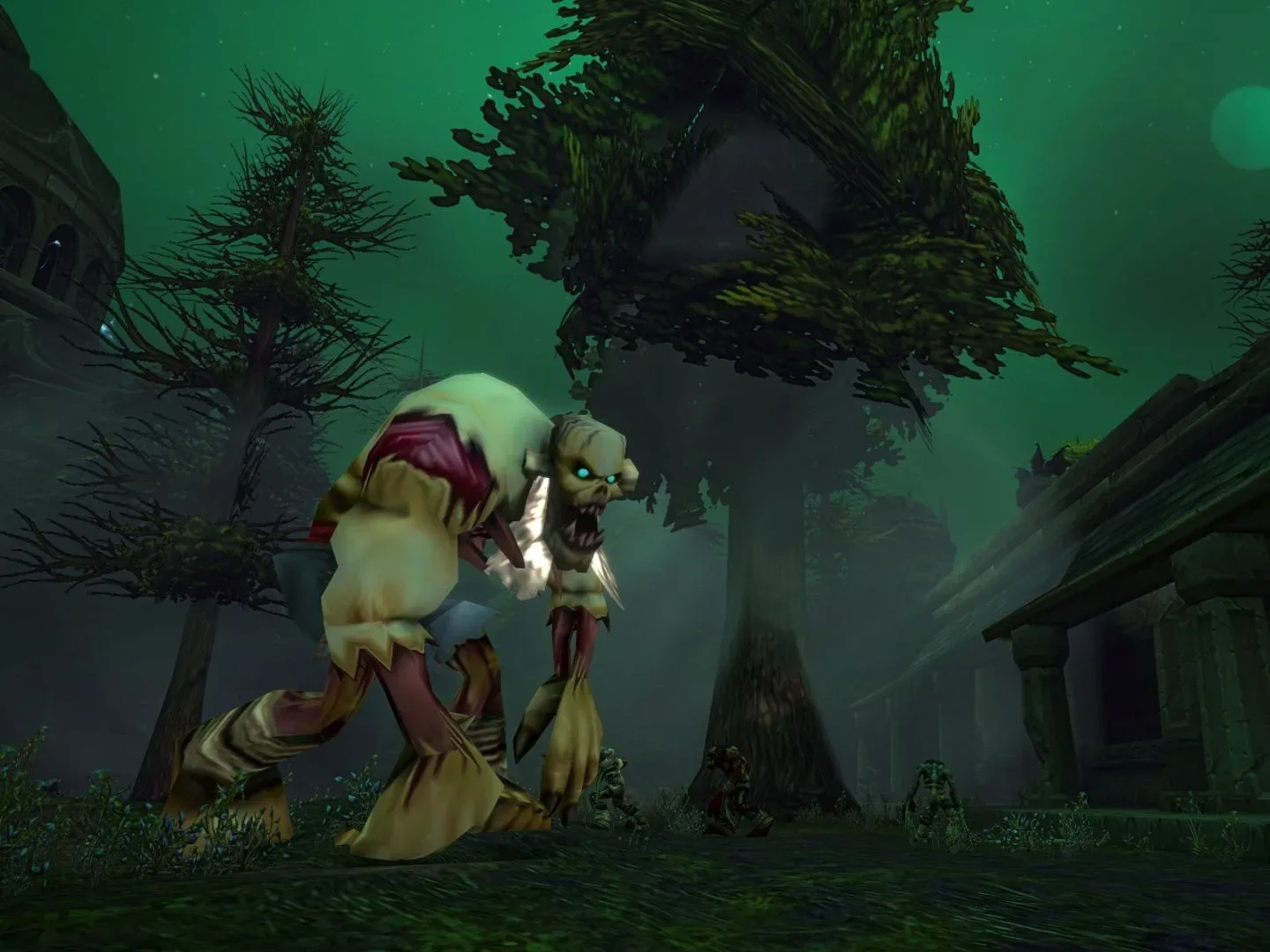
The update reintroduces a Classic-style behavior in which creatures that did not drop any loot can still be interacted with after death. In practical terms, a player can click a defeated enemy expecting a quest item, coin or ordinary drop, only to find there is nothing to collect.
That distinction matters because looting is one of the most repeated actions in a leveling-focused MMO. A one-off empty interaction is trivial. Repeated across a long session of fighting creatures for experience, quest objectives or drops, it becomes a small interruption with a surprisingly large presence. It adds an extra check to an activity players generally want to perform quickly and confidently.
Community reactions have focused less on whether this behavior is technically faithful to Classic and more on what it accomplishes for a modern beta. One player’s succinct response was simply, “Why?” Another described the result as mildly confusing at first: they had killed an enemy, attempted to loot it and needed time to understand why the interaction produced nothing.
That is the core usability complaint. An interactable corpse normally communicates a clear game-state message: there is something here worth checking. When that signal does not reliably mean loot is present, the player must spend attention verifying an outcome that the interface could otherwise convey immediately. The issue is not difficulty in the strategic sense. It is ambiguity in a routine interaction.
Classic behavior versus useful behavior
“Classic looting behavior” describes the older rule set being restored; it does not automatically explain why that rule set is beneficial in a new version. Preserving old mechanics can be valuable where they shape pacing, the economy, social play or a class’s identity. But an empty loot attempt does not obviously create a tactical decision. It mostly creates a false positive: the game presents a possible interaction, then reveals it has no reward.
That does not mean every older inconvenience must be removed. It does mean the beta is doing exactly what a beta should do: exposing the difference between a nostalgic detail and a feature players actively want to retain. The sharp response suggests many players view this particular behavior as the former.
Related coverage includes World of Warcraft: Forever Beta Patch Sparks Frustration Over Looting and Class Changes.
There is also a practical concern for questing. When players are hunting specific items, they are primed to check every corpse. The behavior can turn an already repetitive task into a series of unnecessary confirmations. The more creatures a quest requires players to defeat, the more often that mismatch between visual cue and outcome can occur.
Class changes are being judged by leveling feel, not patch-note volume
The build contains multiple class changes, but the reaction has made clear that a long adjustment list is not the same thing as a satisfying balance pass. Rogues are a particularly visible example because players noted that the class received no changes at all. One reply dryly celebrated the “Sick Rogue changes,” emphasizing that there were none.
Meanwhile, caster classes including Druids, Priests and Shamans did receive tweaks, though some players remain unconvinced that those revisions make low-level play better. The recurring complaint is not merely that numbers changed; it is that the changes may avoid the part of the experience that feels weak.
Low-level balance has an outsized impact in an MMO beta. It is where new characters first establish whether their abilities feel dependable, whether each new spell rank is exciting, and whether a class’s early combat loop encourages players to continue. A change can be mathematically defensible while still failing the player-facing test of whether pressing a new button or gaining a new rank feels like forward progress.
That is why the criticism around casters has become pointed. One commenter characterized the direction as a commitment to making casters feel bad at lower levels. It is an exaggerated phrasing, but it captures a substantive concern: adjustments to early spell ranks can affect the period in which players have the fewest tools available to compensate for an underwhelming ability.
What the Shaman Lightning Bolt adjustment actually targets
The Shaman change offers the clearest window into the disagreement. Lightning Bolt’s base points and its points-per-level values for ranks one through five were adjusted with the stated goal of making the progression from ranks one through six more consistent and ensuring that a newly learned rank is always an upgrade.
In simple terms, base points are the starting numerical values attached to a spell rank, while points per level describe how its values scale as the character gains levels. A rank is a successive version of an ability learned during progression. The intended design principle is straightforward: learning a later rank should not leave a player feeling as if the earlier version remains the better choice.
That principle is hard to dispute. If a newer rank is not clearly preferable, character growth can feel backward. Players may also feel pushed toward keeping an older spell version on their bar, which clashes with the usual expectation that learning an ability upgrade represents advancement.
The pushback is about the method, not the broad objective. Some players interpret the numbers as reducing the value of lower, preferable ranks rather than materially improving the higher ranks. From that perspective, the update can make rank progression look tidier without giving the character a more satisfying increase in power. One reaction called the revisions “0 meaningful changes.”
It is worth separating those two ideas. Consistency means the sequence of ranks behaves predictably and avoids awkward cases where an old version wins. Power growth means players feel stronger when they move through that sequence. A patch can improve the former without delivering much of the latter. The criticism suggests that players want both.
Why beta feedback is especially useful here
None of this necessarily establishes that the changes are final. A beta is an environment for gathering reactions to details that can be easy to miss in a broader design document: how a loot click feels after the hundredth enemy, whether a spell rank is exciting at the moment it is learned, and whether a class omitted from a patch feels overlooked.
The present feedback also gives the developers unusually concrete questions to answer in later builds:
- Should empty corpses remain interactable if the behavior produces confusion rather than meaningful immersion?
- Does the Lightning Bolt rank curve merely remove an anomalous preferred rank, or does it make the overall early Shaman experience stronger?
- Which low-level caster concerns need broader mechanical adjustments rather than rank-by-rank number changes?
- Are Rogues intentionally unchanged for this build, or is further class work still planned?
Those questions are more productive than treating all negative reactions as resistance to change. Players are identifying the moments where system intent and lived experience diverge. The loot system may be historically familiar, for example, but familiarity is not a substitute for a legible interface. Similarly, a progression curve can be internally consistent yet still feel flat to the person casting the spell.
Balance discussion is also happening against a wider backdrop of concern about the project’s approach to player routine. World of Warcraft: Forever is set to simplify aspects of Blizzard’s usual PvP while adding a weekly grind that has already prompted objections from players who do not want the experience structured around weeklies. The shared concern is not that progression or repeatable activities exist; it is whether the design respects a player’s time while giving them satisfying reasons to return.
That broader context makes the corpse-looting dispute seem less trivial than it first appears. An empty interaction is only a few seconds, but it becomes symbolic when players are already sensitive to systems that may turn routine play into obligation or busywork. A beta patch that restores a needless-looking delay is likely to receive more scrutiny in that atmosphere.
The next update needs to show the purpose behind the numbers
The City of Dalaran dungeon gives the update a significant piece of playable content, and the patch’s bug fixes and class work show that the beta is moving. But the community conversation has settled on a different measure of progress: whether each revision makes the game clearer and more rewarding in the minutes players spend fighting, looting and leveling.
For the looting change, the request is easy to understand. Players want an interactable enemy to indicate that loot exists, not invite a check that ends empty-handed. For classes, the request is more nuanced but no less direct: fixes to rank progression should result in felt improvement, especially for casters at low levels, and every class should eventually receive attention where it is needed.
There is room for Forever to preserve pieces of Classic identity without treating every old interaction as untouchable. The most useful future patch notes would explain not only what values changed, but what player problem each change is meant to solve—and then show, through subsequent adjustments, that feedback from the beta is informing the answer. Recent PC balance debates have similarly shown how quickly players notice when design intent and moment-to-moment results fail to line up, as in this look at a game trying to address a balance-driven participation problem.
For now, the beta’s fourth-week update has produced a clear message from its critics: a faithful old annoyance is still an annoyance, and “always an upgrade” needs to feel like an upgrade.