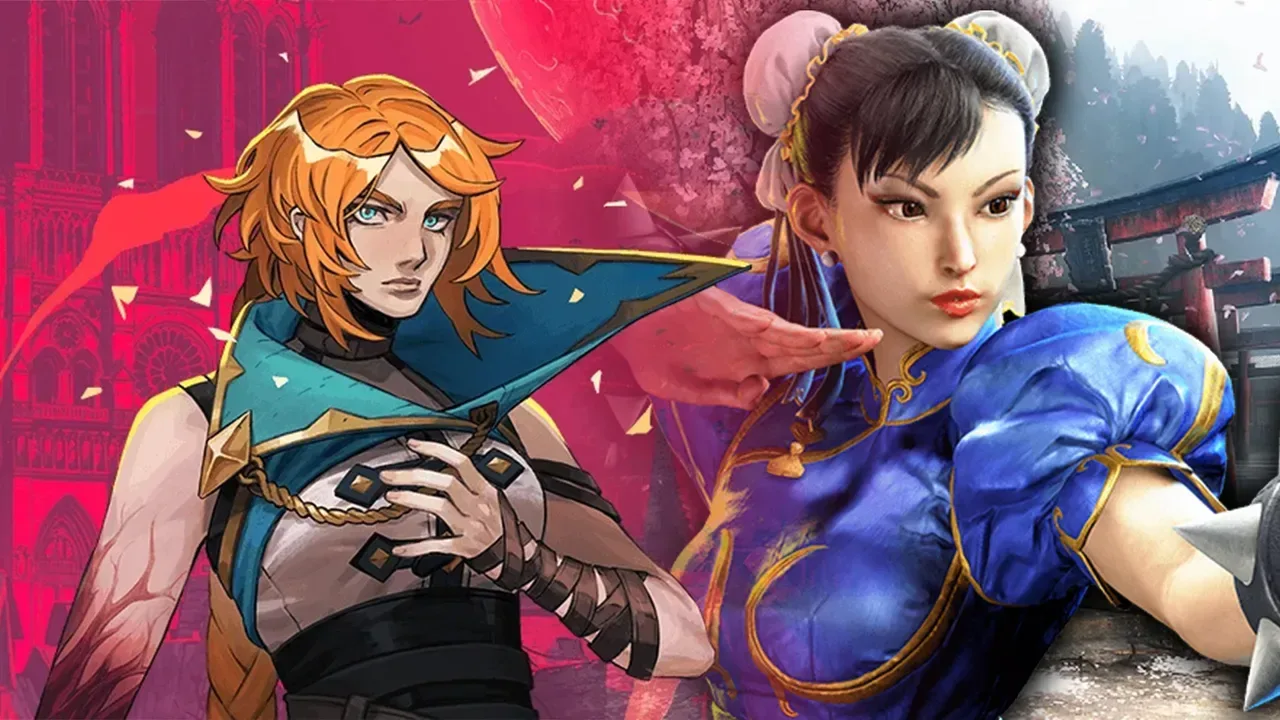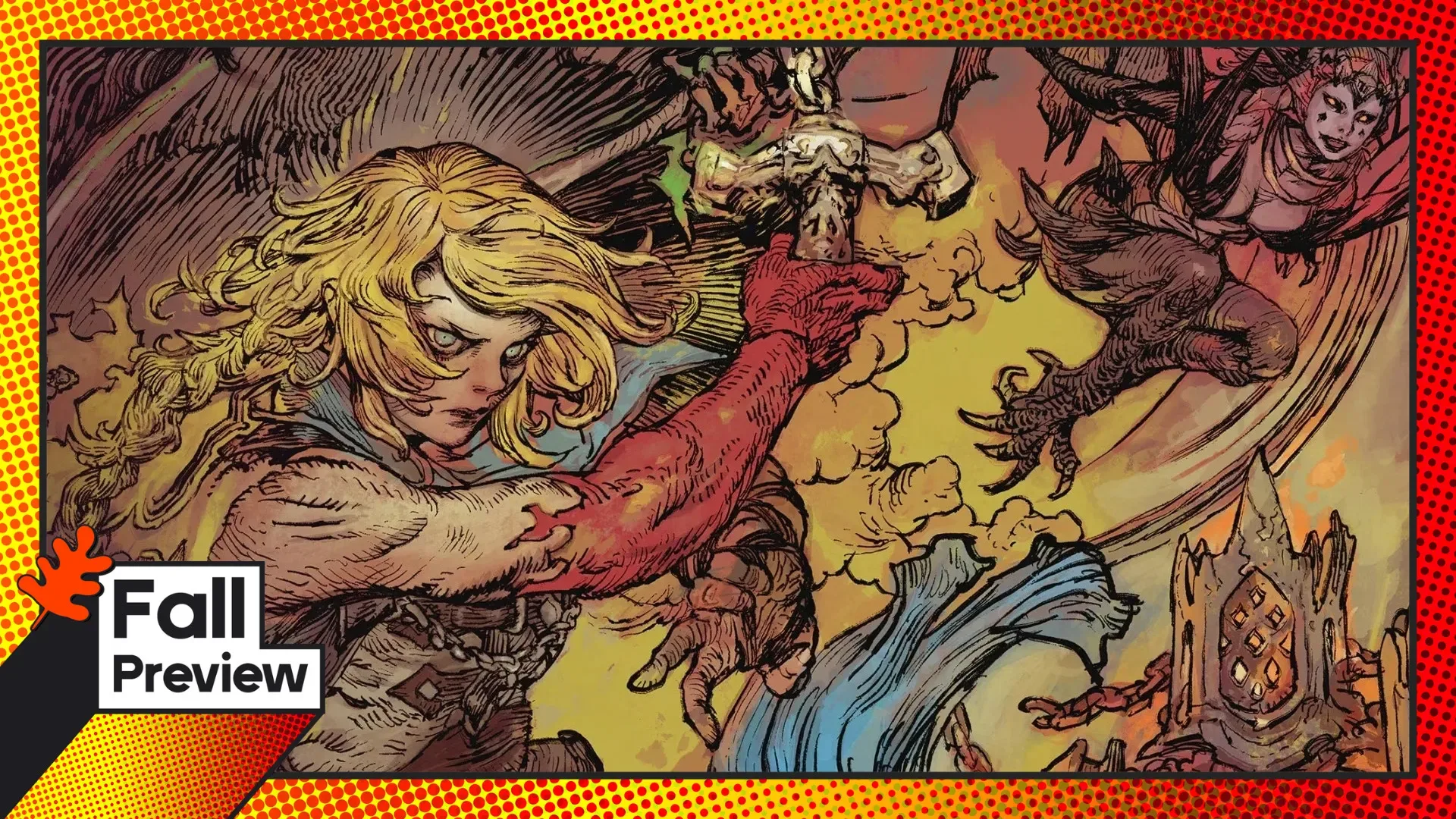
Castlevania: Belmont’s Curse has tucked a surprisingly specific kind of monster into its free demo: the kind that throws hands, strikes a pose, and seems to have spent a great deal of time studying arcade cabinets.
The demo, released October 1 ahead of the game’s October 15 launch, introduces Rose Belmont as she moves through ruined 1500s Paris armed with a sword and her mother’s magical tarot cards. But players willing to investigate its secret routes can find an alternate weapon called the Cestus, a pair of brass-knuckle-style MMA gloves. That discovery is not merely a different damage option. Its post-attack animations appear packed with deliberate homages to fighting-game characters.
That is an appropriately odd little sentence for Castlevania: a gothic action series whose vampires, skeletons, cursed castles and whips would ordinarily suggest a solemn evening of candlelit monster disposal. Yet the series has also long displayed an affection for fighting-game language. Belmont’s Curse seems to continue that tradition with a secret weapon that makes Rose look, briefly but unmistakably, as if she has wandered out of a 2D fighter between combos.
The secret weapon changes more than Rose’s damage output
The Cestus is found in one of the demo’s hidden areas. The weapon is described as building its damage through repeated hits on enemies, rewarding an aggressive rhythm rather than a cautious strike-and-retreat approach. In practical terms, that means it encourages players to maintain pressure: keep connecting, and the weapon becomes more potent.
That is a familiar idea in combat design, but it is particularly fitting for an item modeled on close-range gloves. The Cestus asks Rose to stay in danger’s neighborhood, rather than safely managing foes from the edge of sword range. For a demo that reportedly contains multiple secrets to uncover, the weapon also gives exploration a useful payoff beyond a collectible checkbox. Players do not simply find an item; they unlock a new combat behavior and a layer of animation-driven character.
After finishing an attack with the Cestus, Rose briefly settles into one of several poses. The animations cycle in what appears to be a random order, and each is distinct. Those pauses are where players began recognizing the broader joke. The shapes, stances and silhouettes appear designed to recall classic fighting-game characters rather than functioning as generic victory flourishes.
One fan compilation identifies apparent visual nods to Ryu, Chun-Li, Oro and Sagat, alongside Mai Shiranui and Akuma/Oni. It also points to a pose resembling Spider-Man’s recognizable stance from Marvel vs. Capcom 2. The result is a miniature roll call of fighting-game history hidden inside a weapon players could easily miss on a straightforward demo run.
Why poses make effective Easter eggs
An Easter egg is a concealed reference or feature intended for players to discover rather than a central advertised mechanic. The Cestus animations are a useful example of how an Easter egg can work without interrupting play. Rose does not stop to announce the reference, and the game does not need a text label explaining it. Fans who recognize the poses get the joke immediately; players who do not can still read them as stylish character animation.
Related coverage includes Castlevania: Belmont's Curse Demo Conceals Fighting Game Homages in Secret Cestus Weapon.
That restraint matters. A direct copy of a character’s costume or name would make the gag louder and potentially less at home in Belmont’s Curse’s own setting. A stance, by contrast, is shorthand. Fighting games have made poses part of their visual vocabulary for decades: an idle stance tells a player what kind of fighter they are facing, how they carry their weight, and sometimes exactly which series has influenced the design.
Rose’s Cestus poses therefore work on two levels. First, they give a fast, close-quarters weapon more attitude than a simple punch animation loop. Second, they reward genre literacy. The reference is embedded in movement, the same place fighting games communicate so much of their identity in the first place.
Fans have also highlighted Rose’s air-to-air Cestus combo as resembling Akuma’s aerial fireball technique, Zanku Hadouken. Another reading compares it to M. Bison’s Hell Attack. That disagreement is part of the fun rather than a problem to solve: fighting-game nods are often recognized through a cluster of details—timing, body position and attack sequence—rather than a single definitive visual marker.
A Castlevania habit, not a one-off gag
Belmont’s Curse is not introducing fighting-game inspirations to Castlevania from nothing. Earlier entries already made room for the genre’s input-driven style and its special-move spectacle.
In Castlevania: Symphony of the Night, Alucard’s purchasable spells use command inputs that resemble the motions associated with fighting-game special moves. A command input is a deliberately ordered series of directional and button presses used to activate a particular action. Rather than selecting an ability from a menu in the moment, the player performs it through controller movement and timing. The system can make an action feel less like a passive spell selection and more like a move the player has executed.
Symphony of the Night also included the Fist of Tulkas, a gauntlet-style weapon associated with a projectile attack comparable in spirit to a Hadouken. The exact appeal is not that Castlevania becomes a pure fighting game. It is that a side-scrolling action-adventure can borrow the expressive grammar of one: directional commands, dramatic move names, close-range gauntlets and attacks that invite players to experiment.
Castlevania: Portrait of Ruin took another route with unlockable Martial Arts moves requiring fighting-game-like inputs for special abilities. The series even received a dedicated fighting game, Castlevania Judgment, in 2008. Whether that particular entry is warmly remembered is subjective, but its existence makes the Cestus material feel less like a random crossover gag and more like another branch of a longstanding design interest.
For players who enjoy secret-heavy action adventures, the demo’s Cestus is also a reminder that the route through a level can shape the toolset available for the rest of it. That philosophy is central to the broader Metroidvania label: exploration, gated paths and newly acquired abilities or equipment encourage revisiting spaces with fresh options. Belmont’s Curse appears to be using hidden areas in that tradition. The secret is not only decorative; it affects the way Rose fights.
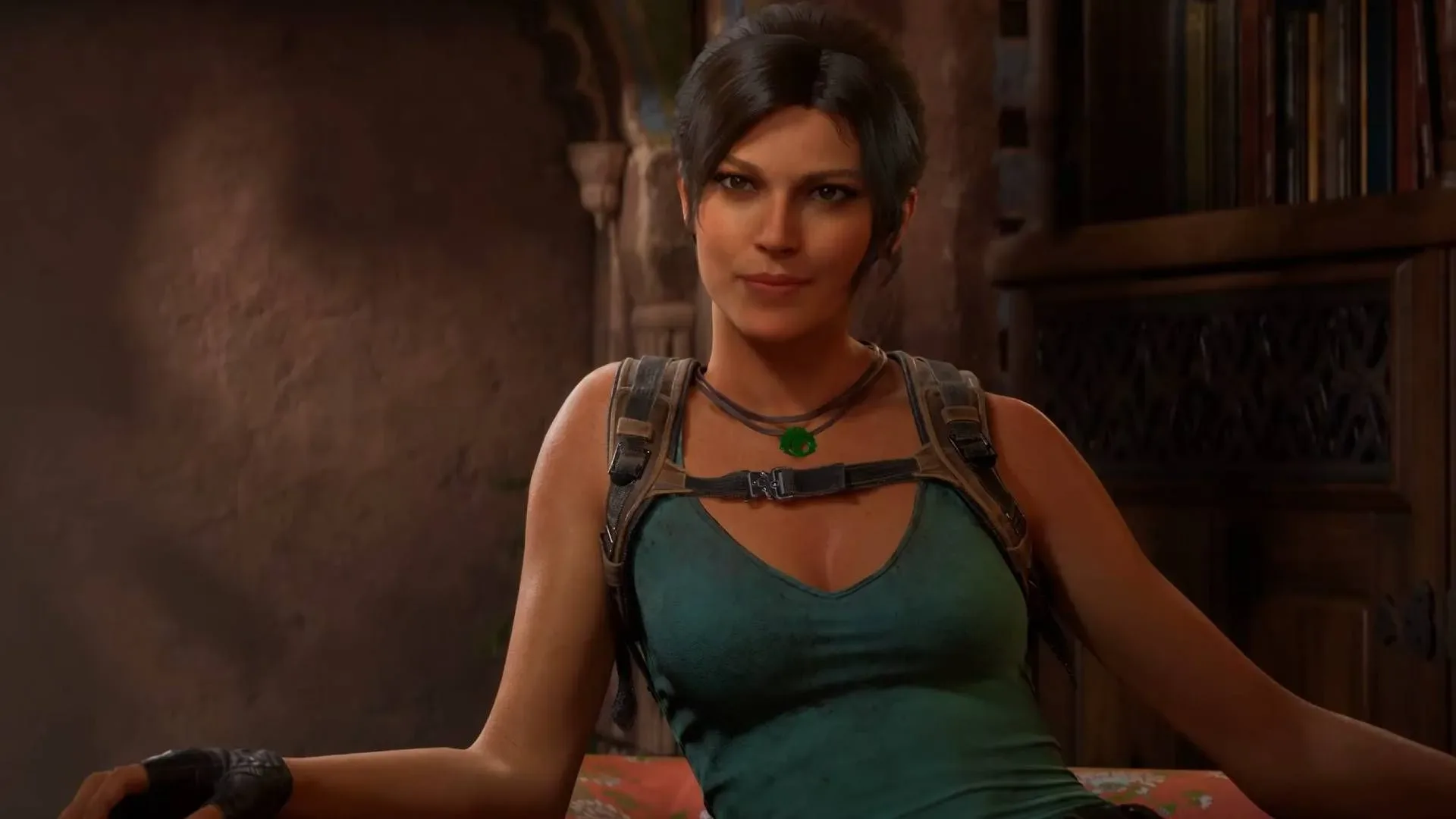
That exploration-first approach has plenty of appeal when a game lets secrets feel earned rather than merely buried. The idea of making discovery part of a game’s mood is also central to Tomb Raider: Legacy of Atlantis’ exploration goals, though Belmont’s Curse brings its own gothic, combo-happy flavor to the concept.
What demo players should watch for
For anyone playing the available demo, the clearest takeaway is simple: do not assume the obvious path is the whole sample. The Cestus is tied to a secret area, so attentive navigation has a tangible reward. Once found, it is worth using it long enough to see Rose’s post-attack poses rather than immediately switching back to the sword.
- Search off the main route: the Cestus is attached to a hidden area, not just the default progression path.
- Keep hits connecting: its damage stacks through repeated attacks, favoring continued offense.
- Let animations finish: Rose’s reference-heavy poses occur after an attack rather than during the hit itself.
- Expect interpretation, not labels: the homages are visual callbacks, so different players may recognize different moves or characters in the animation.
None of that requires turning the demo into a forensic investigation. The best version of the joke is probably the most immediate one: Rose wins a short exchange, plants her feet, and suddenly a veteran fighting-game player does a double take. The Cestus gives the demo a useful combat alternative, but its real charm is that its celebratory animation has enough confidence to be a tiny museum of combat-game poses.
With Castlevania: Belmont’s Curse scheduled for October 15, the demo’s hidden gloves offer a compact indication of what the game is aiming for: secret routes, equipment with distinct combat incentives, and a willingness to tuck a smile beneath all that cursed gothic masonry. It is a serious business, fighting supernatural evil in Renaissance Paris. Naturally, this calls for brass knuckles and an Akuma-adjacent stance.