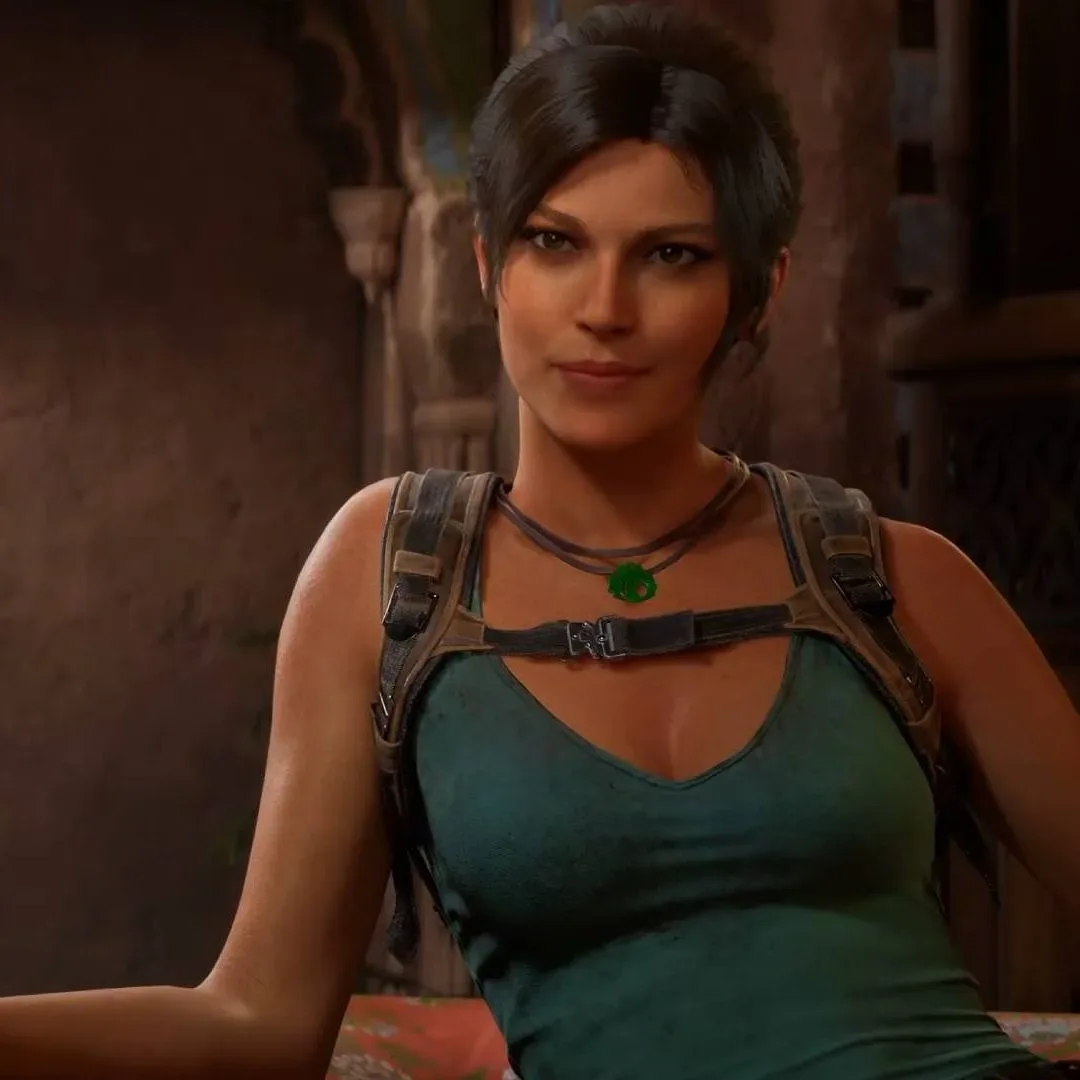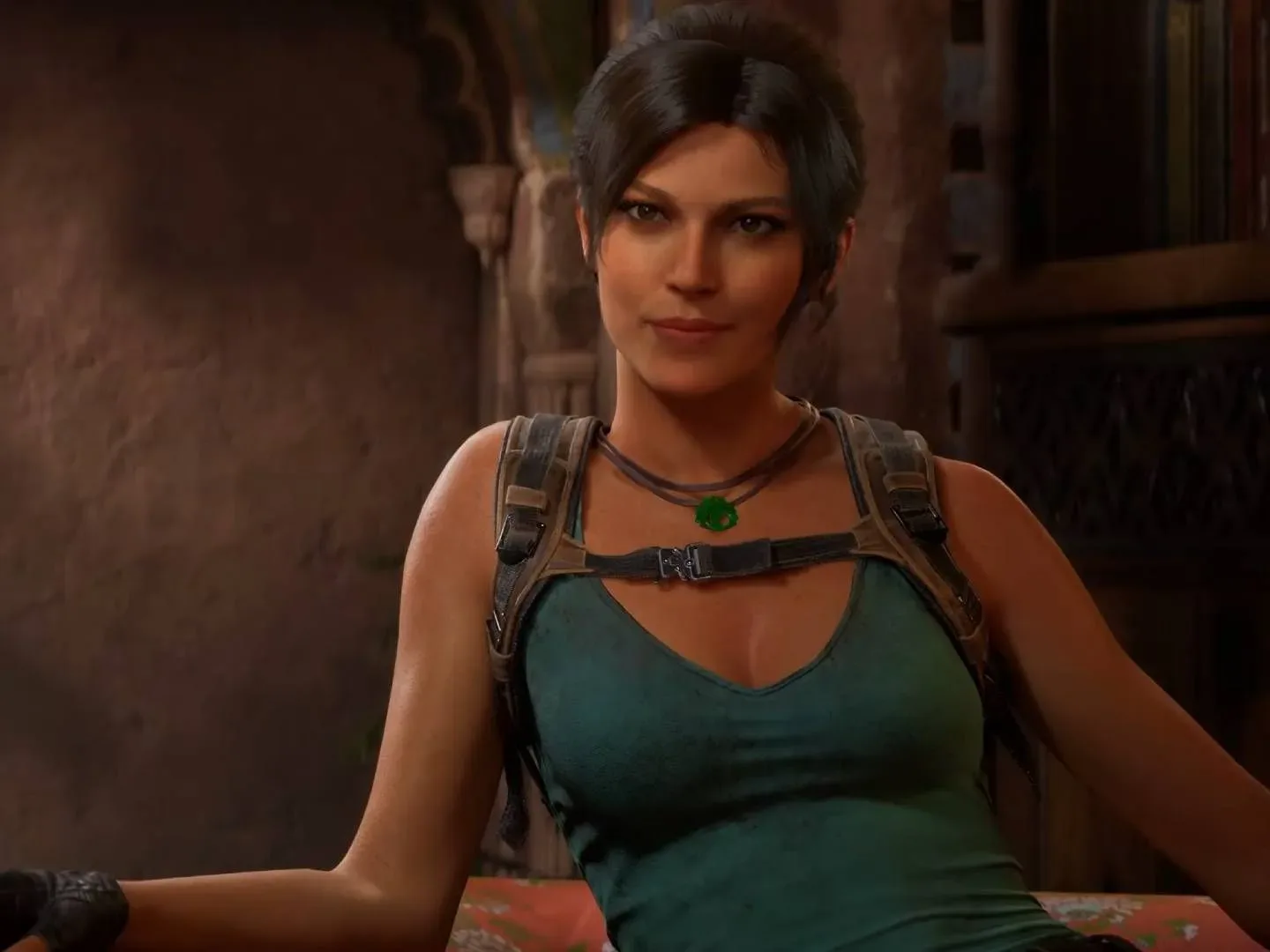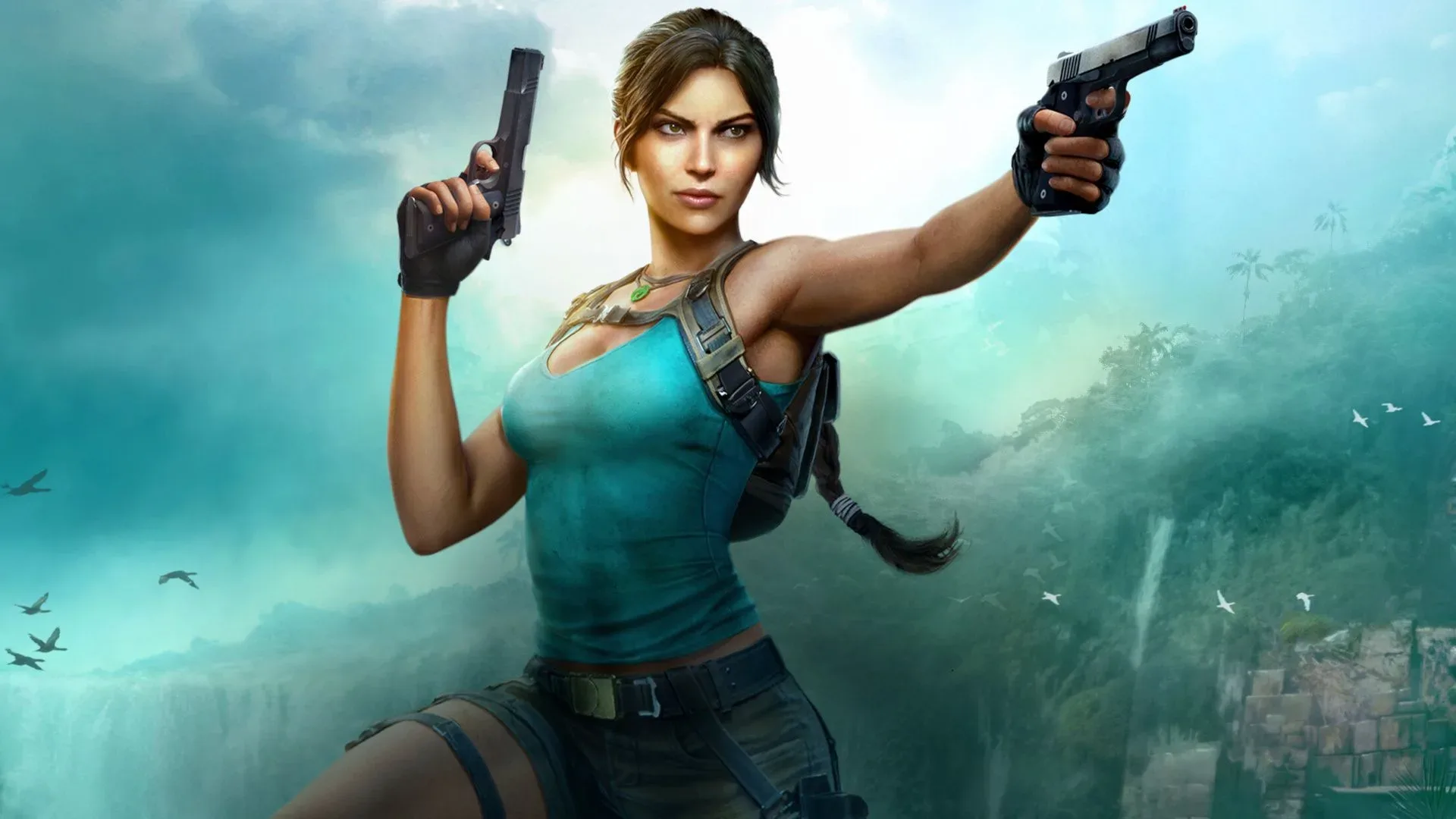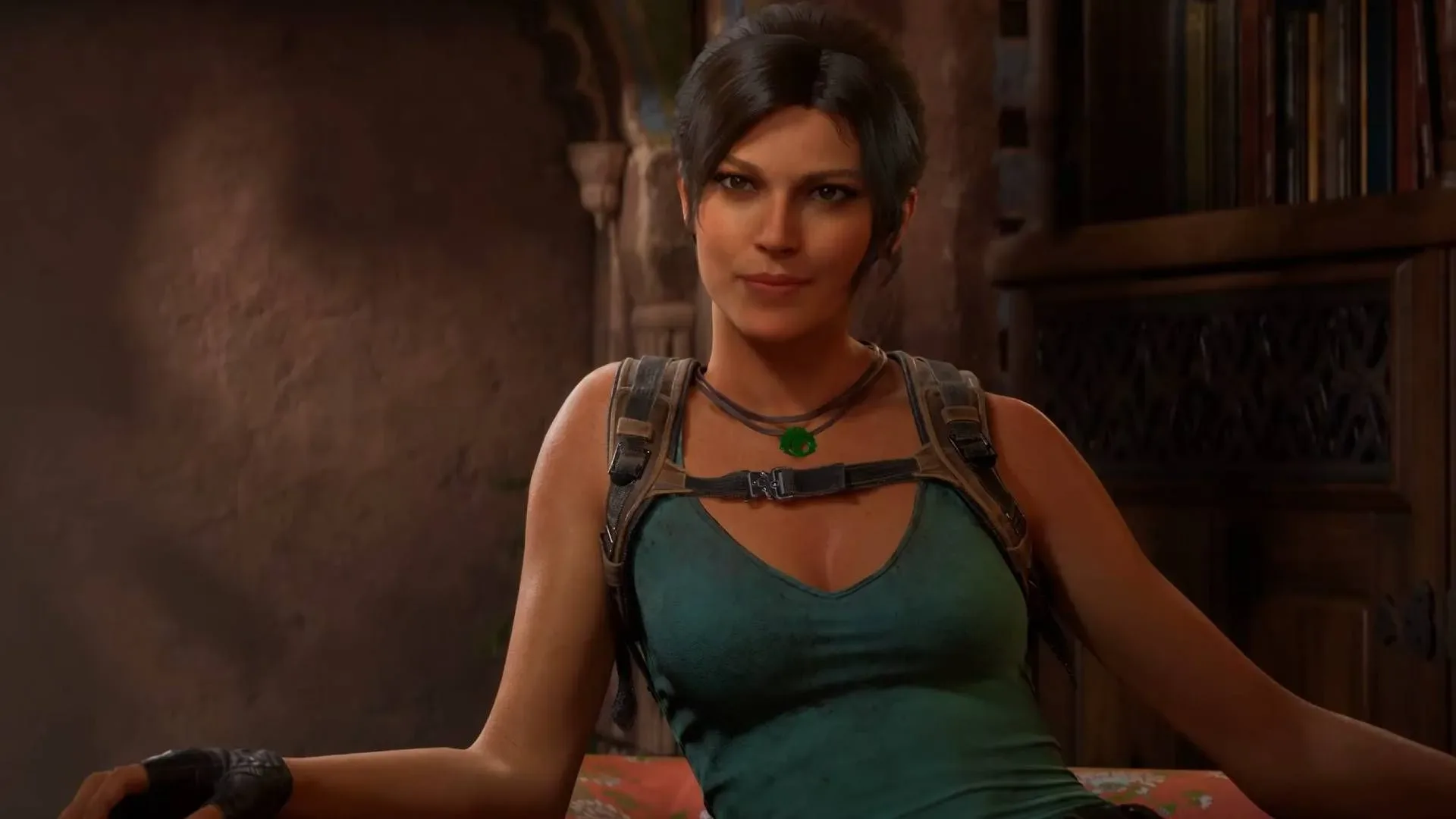
Tomb Raider: Legacy of Atlantis is being built around a proposition that can sound almost rebellious in a modern action-adventure game: players should sometimes have to stop, look around, lose their bearings and work out how to proceed without the game immediately pointing the way.
That is not being presented as an accidental by-product of a difficult remake. Crystal Dynamics experience director Jeff Adams says the team is deliberately prioritizing the exploratory isolation associated with the original Tomb Raider. The intended rhythm is not simply movement from one clearly marked climb to the next, but a more self-directed hunt through spaces that may contain surprises beyond the obvious route.
“Be adventurous, go out, explore, get on your own, get lost, then find your way back,” Adams said.
For a series that began with Lara Croft navigating elaborate tombs, ruins and dangerous architecture, that approach identifies a specific quality worth preserving: traversal itself should produce a sense of accomplishment. In this context, traversal means the act of reading an environment and moving through it—finding a ledge, working out a climb, spotting a passage or deciding whether an apparently unhelpful room still holds a solution. The objective is not merely to arrive at the next encounter.
It is a notable contrast with action games designed to keep progress legible at nearly every moment through strongly signposted routes and visually obvious handholds. Those systems can reduce frustration and keep the pace brisk, but they also reduce the time players spend forming their own theories about a place. Legacy of Atlantis appears to be aiming for more of that second kind of time: quiet uncertainty followed by recognition.
Getting lost is part of the intended reward loop
“Hand holding” is a loose term, but it usually describes design choices that sharply limit ambiguity. An obvious path marker, a highlighted interactable object, a navigation line, or a sequence of surfaces that visually announce “climb here” can all serve the same purpose: making the next correct action easy to identify.
Legacy of Atlantis is not being framed as a wholesale rejection of modern design. Rather, the developers’ comments suggest that they want to avoid smoothing out the original game’s defining friction. Adams describes allowing players to search, potentially discover unexpected things, and derive a reward from making their way through the world.
That distinction matters. A difficult game is not automatically an exploratory game. Difficulty can come from combat precision, scarce resources, harsh failure penalties or complex controls. The emphasis here is on spatial problem-solving: the player has incomplete information, surveys their surroundings and gradually develops a workable mental map of the area.
Related coverage includes Tomb Raider: Legacy of Atlantis Wants Players to Get Lost Again.
A mental map does not need to be a literal in-game map. It is the player’s growing understanding of where they have been, which doors remain unresolved, what a distant platform might connect to, and whether a newly noticed detail changes the meaning of an earlier room. When that understanding clicks into place, the discovery can feel personal because the player, rather than an overt prompt, closed the gap.
There is a careful balance to strike. Obscurity can create memorable discovery, but it can also lead to aimless repetition if a game does not provide enough environmental information for players to make informed choices. Adams’ comments do not spell out the exact guidance tools Legacy of Atlantis will use, so it remains unclear how frequently players will be offered hints or directional assistance. What is clear is the intended philosophy: uncertainty is not automatically a flaw to be eliminated.
What should remain untouched in a remake?
Flying Wild Hog creative director Michael Kuk described the selection process in emotional rather than purely technical terms. The team’s test is to think back through a completed run of the first Tomb Raider and identify the places, vistas, objects and individual moments that remain vivid in memory. Those, he said, are the elements that need to make the transition almost unchanged.
That is a useful explanation of how a remake can preserve identity without attempting a one-for-one reproduction of every old design decision. A remake faces two competing risks. Change too much, and the result can retain a title while losing the texture that made it significant. Change too little, and it may carry forward elements that no longer fit the project’s presentation or systems.
Kuk’s description places memorable landmarks and emotional high points at the center of that calculation. It suggests Legacy of Atlantis is treating the original as more than a plot outline or collection of familiar names. The objective is to retain the moments players recall when they picture the first adventure—the locations and discoveries that give it a particular atmosphere.
That makes the choice to emphasize solitude especially coherent. A striking vista is more powerful if players feel they reached it through their own observation and persistence. A hidden route has more weight if it was not visually underlined from across the room. The game’s spaces can become remembered places, rather than just scenery that passed by between combat sequences.
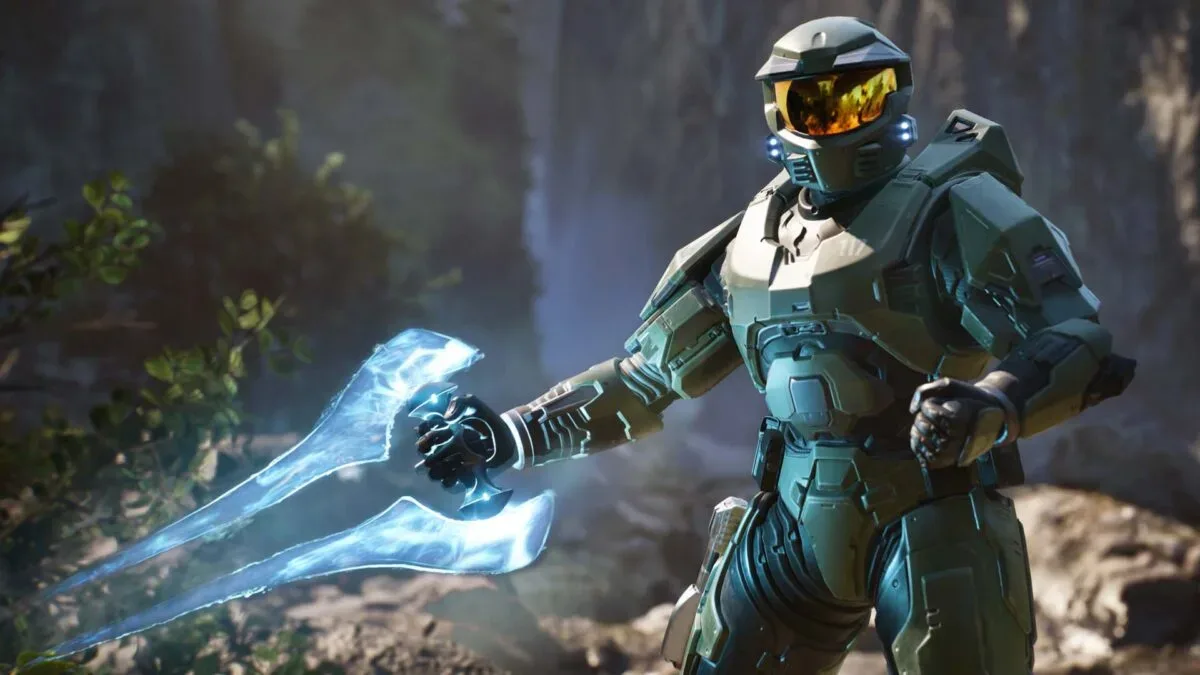
Remakes across the industry are often judged by how they reconcile preservation and revision. As another example of a classic campaign being revisited, a reported Halo: Campaign Evolved update has raised questions about what additions can coexist with a recognizable original experience. Legacy of Atlantis is approaching that wider challenge through environment and pacing: preserve the scenes that linger, while deciding which mechanics need a new rationale.
Crafting is the clearest modern addition—and a contentious one
That rationale is central to Legacy of Atlantis’ crafting system. Crafting generally means converting gathered materials into useful items. Here, Adams says it will allow players to make healing items and other boosts from resources that plausibly could be found in or around tombs.
The stated motivation is a more realistic level of presentation. Adams pointed to the difficulty of justifying a conventional med pack sitting inside a tomb hidden for 10,000 years. In the original game’s stylized logic, a health pickup can simply be a useful object placed where the level needs it. Raising visual and environmental realism makes that abstraction more conspicuous. Crafting is the team’s proposed answer: healing and boosts can come from materials with a clearer connection to the setting.
It is also the project’s most obviously divisive change among fans. That is understandable, because crafting affects more than visual plausibility. Depending on its implementation, it can change how players prepare before entering danger, whether they must choose between competing uses for materials, and how freely they can recover from mistakes. Those outcomes have not been detailed, so it would be premature to assume that the system will be resource-heavy or that it will dominate the adventure.
Still, the comments establish an important boundary for interpreting the feature. The developers are not describing crafting as a generic checklist system added for its own sake. They are tying it to the remake’s increased realism and to the question of how supplies belong in ancient, concealed spaces. Whether that explanation persuades longtime players will likely depend on the system’s scale. A light-touch method of making healing supplies may feel like an extension of environmental survival; a more demanding loop could pull attention away from the exploration the team says it wants to foreground.
A more demanding kind of action-adventure
The appeal of the original Tomb Raider was never only Lara Croft’s acrobatics or its dangerous settings. It was also the sensation that the world did not exist primarily to reassure the player. Progress often meant studying the geometry of a room, noticing an alternate elevation, or reconsidering assumptions after an apparent dead end.
Legacy of Atlantis is positioning that sensation as a core design goal. Adams’ description of searching and finding unanticipated things points toward a game where the player’s attention matters. Kuk’s focus on emotionally remembered locations points toward preserving the moments that gave the original its lasting shape. The crafting system, meanwhile, shows the team is willing to alter old conventions when its more realistic presentation makes those conventions harder to support.
There is plenty still unknown, including how the game will balance guidance against confusion and how its crafting economy will work in practice. But the direction is unusually clear. This remake does not just want ancient tombs to look more detailed. It wants them to feel like places players must understand for themselves—places where being briefly lost is not a failure of the adventure, but part of what makes finding the route back satisfying.