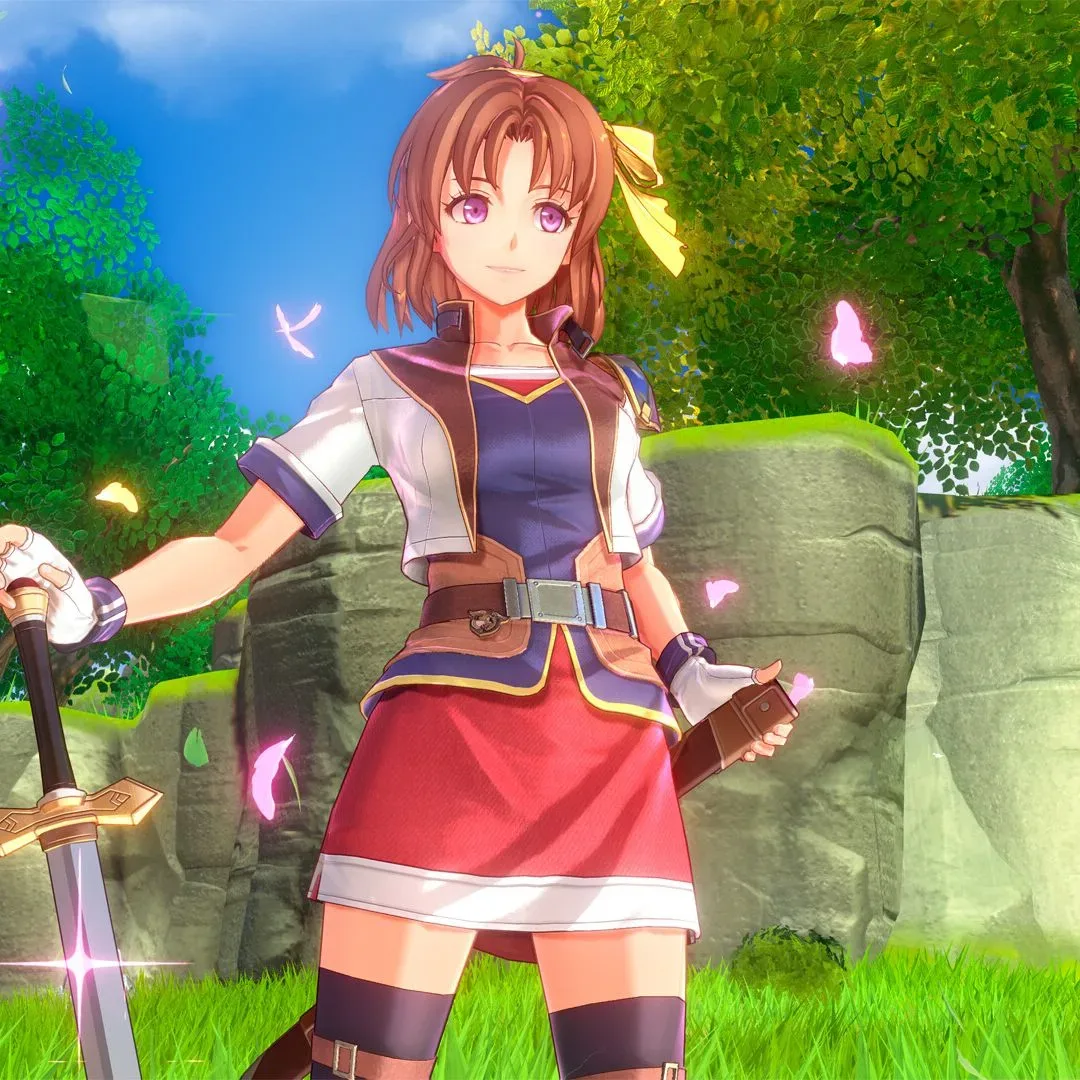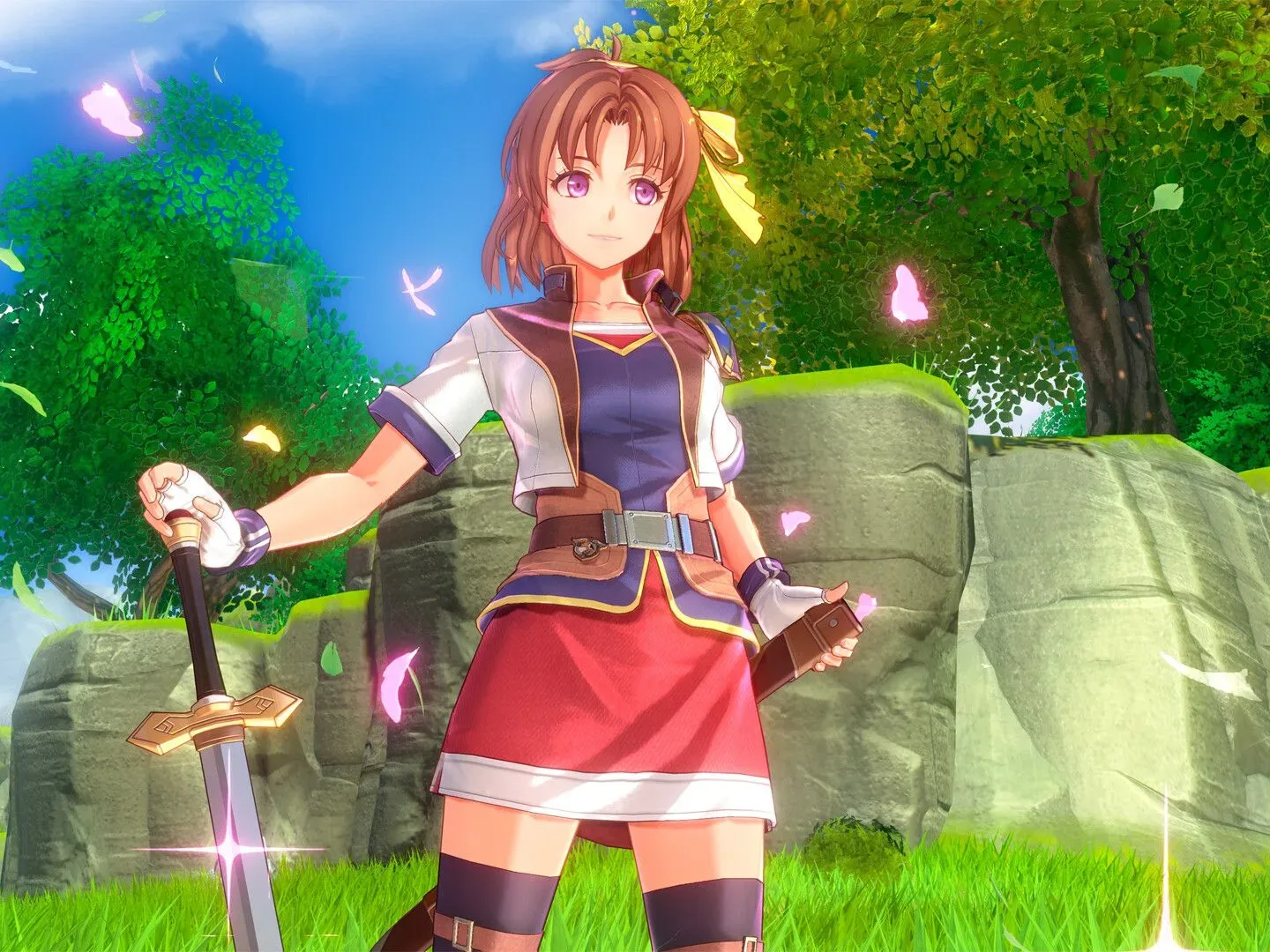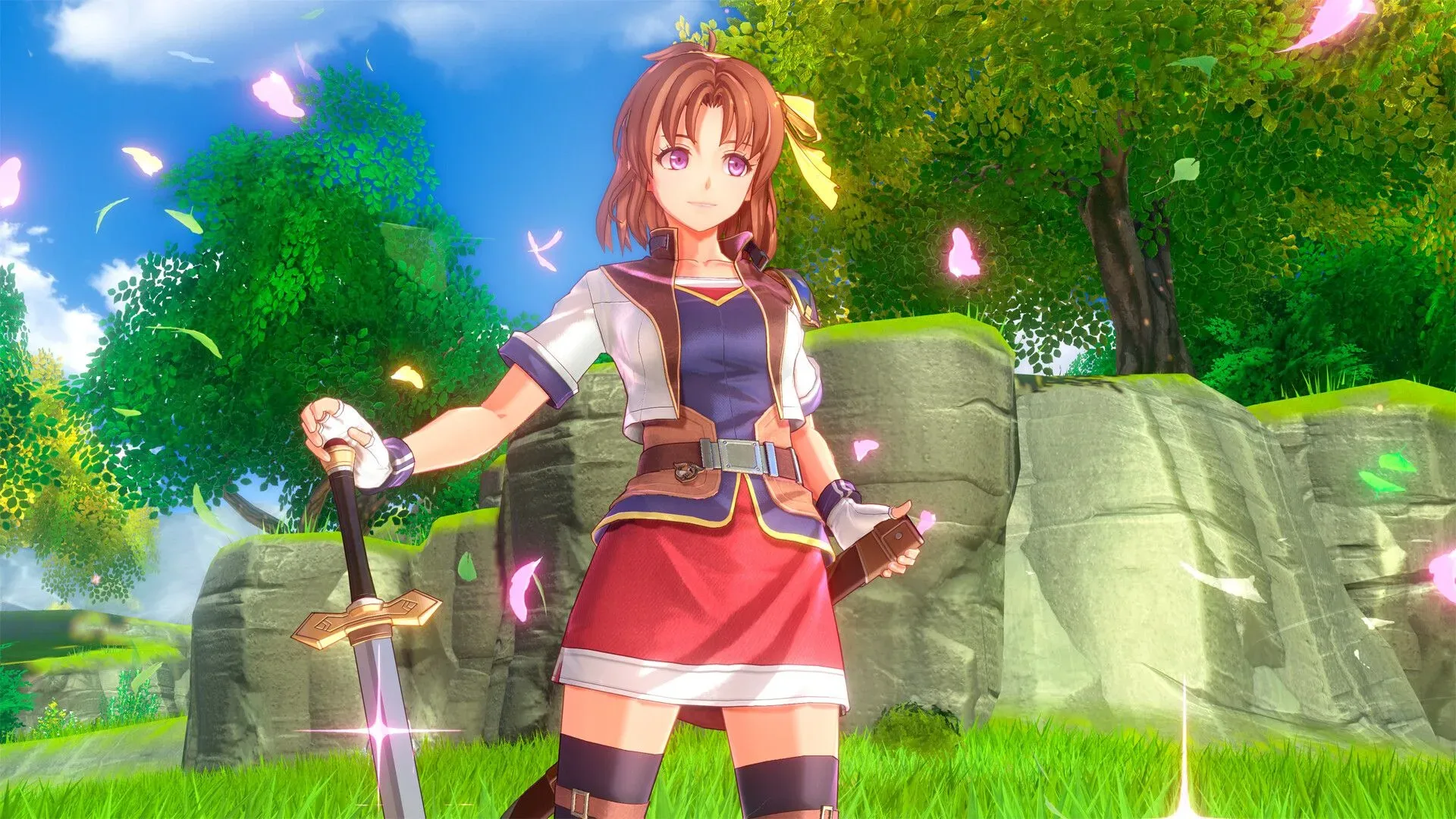
Trails in the Sky 2nd Chapter has entered its September 17 release with an unusually strong critical position: the remake is currently the highest-rated new game of 2026 on the major review aggregates cited in early coverage. For a series long regarded as a devoted JRPG fan favorite rather than a mainstream blockbuster, that is a striking result—and a useful reminder that an established game’s history does not prevent a remake from becoming one of a year’s biggest critical stories.
Early aggregate results place the PC edition at 93 from 10 reviews and the PlayStation 5 edition at 92 from 13 reviews. A combined-platform aggregate lists the game at 92. Its Switch 2 score is currently 84, though that figure is drawn from fewer reviews. Those numbers will naturally move as more critics publish their assessments, particularly around launch, but the opening picture is clear: the new version has begun with broad enthusiasm on PC and PS5.
What the scores do—and do not—say
An aggregate score is an average of review scores collected from multiple publications. It is useful as a quick indication of broad critical reception, but it is not a promise that every player will have the same experience. Review pools can differ by platform, both in the number of participating critics and in which editions they reviewed. That context matters especially here.
The PC total of 93 comes from 10 reviews, while the PS5 total of 92 is based on 13. The Switch 2 number sits lower, at 84, but with a smaller review sample. It would be premature to turn that difference into a precise verdict on the Switch 2 version without more assessments and more detail about the reasons behind individual scores. What can be said is that the highest early averages belong to the PC and PS5 releases, while the available Switch 2 average is more reserved.
For prospective players, the practical takeaway is simple: an aggregate is most valuable as a starting point. Players deciding between platforms should watch for the review count to grow and seek platform-specific reporting where possible. A single combined score can communicate enthusiasm for the game overall, but it can conceal meaningful edition-by-edition differences.
A surprise leader in a crowded year
At the moment, Trails in the Sky 2nd Chapter is ahead of a broad group of 2026 releases in aggregate critical standing. That group includes major publisher games such as Forza Horizon 6, Resident Evil Requiem, and Pokémon Pokopia, as well as independently positioned games including Mewgenics, Mina the Hollower, Titanium Court, and Big Walk.
The ranking is notable less because it settles a game-of-the-year debate in September than because of the game’s place in the market. A Trails remake is not the most obvious title to leap over franchises with vast public recognition. Yet critical reception can reward a sharply focused role-playing game as readily as a large-scale release, particularly when it offers the characteristics players associate with the Trails name: expansive world-building, substantial combat systems, and characters who leave an impression.
That is not evidence that every 2026 release has now been judged or that the final hierarchy is set. It is an early snapshot, not an end-of-year result. High-profile games still remain part of the year’s wider release landscape, including the mentioned The Legend of Zelda: Ocarina of Time remake and Grand Theft Auto 6. The significance of Trails in the Sky 2nd Chapter’s position is that it has established a very high benchmark before that wider picture is complete.
It also illustrates why the year’s conversation should not be reduced to the largest brands. Critical consensus regularly forms around games that have a clear identity and patiently developed audience. For readers keeping tabs on the PC side of 2026’s releases, our look at Endless Legend 2’s path toward 1.0 offers another perspective on how established developers are approaching a competitive release environment.
Why this remake matters to Trails
Nihon Falcom’s Trails series has spent decades building a reputation among committed JRPG players. Its appeal is often tied to the scale of its setting and continuity, but that strength can become an obstacle for curious newcomers. A long-running sequence of games can make the first step seem intimidating even when the material itself is welcoming.
That is where the Sky remakes have particular importance. Trails in the Sky 2nd Chapter is the second entry in a remake line designed to revisit the series from its beginnings. Its predecessor, Trails in the Sky 1st Chapter, launched in 2025 and also received strong acclaim. The second remake’s early scores suggest that the first installment was not simply a one-off burst of attention; the effort may be giving a much older part of the franchise a renewed and highly visible place in the current JRPG landscape.
A remake is more than a reissue. In the broadest sense, it is a new version of an earlier game rather than merely a rerelease of the original product. The supplied information identifies 2nd Chapter as a remake of a roughly 20-year-old cult classic, while also positioning it as part of a larger plan to revive the series from its opening stretch. That distinction is important for anyone who has heard of Trails but has been reluctant to confront its accumulated history.
The message implied by this approach is accessibility through sequence: begin near the beginning rather than asking new players to decode years of continuity. The source material does not establish every mechanical or narrative change made by these remakes, so it would be wrong to assume details about content or presentation. But the strategic role is apparent. A modern remake can serve as an on-ramp, giving people a defined place to start in a franchise known for being a serious time commitment.
Understanding the JRPG appeal
JRPG is shorthand for Japanese role-playing game. The term describes a broad tradition rather than a single mechanical formula, and Trails has become associated with a few qualities highlighted by its growing audience: detailed setting construction, deep combat, and memorable cast members.
World-building refers to the work a game does to make its fictional setting feel coherent—its places, institutions, history, cultures, and the connections between them. In a long series, this can provide an unusually strong payoff for players who stay with it. Separate games may feel like pieces of a larger whole rather than isolated adventures.
Combat systems are the rules and choices governing encounters: how characters act, how abilities are used, and what tactical decisions a player makes. Describing a system as robust means there is meaningful depth beyond simply selecting the same option repeatedly. That depth can be a major attraction for players who want role-playing progression alongside battles that demand attention.
Character-driven storytelling places the people in the party and their relationships at the center of the experience. “Memorable characters” is, of course, a subjective claim, but it explains why some audiences remain loyal across a long-running narrative series. A game’s setting and battle mechanics may bring someone in; attachment to its cast is often what makes the larger journey feel worth undertaking.
Those pillars help explain the significance of the remake’s reception. The critical response is not solely a nostalgia story. It suggests that the qualities which built Trails’ dedicated following can still resonate when presented in a new version for current platforms. At the same time, newcomers should recognize the trade-off. The very continuity that makes Trails rewarding for devoted players can represent a major investment. The remake line may reduce the uncertainty around where to begin, but it does not turn a sprawling series into a short commitment.
Falcom sees room to continue
The commercial and critical reception of Trails in the Sky 1st Chapter has already informed Nihon Falcom’s outlook. The company’s president has said Falcom is “hoping to continue the remakes for a while.” That is not a detailed roadmap or a guarantee of exactly which titles will receive new versions, but it indicates that the company views the remake program as something with potential beyond its opening releases.
For longtime fans, that prospect could mean more opportunities to revisit early series material through the ongoing remake initiative. For newcomers, it may be equally significant. A continuing sequence of remakes can create a clearer route into a franchise whose total length otherwise feels daunting. Rather than treating legacy games as inaccessible background, the project positions them as current releases with the attention and scrutiny of the present market.
There is still plenty that remains uncertain. Early review aggregates are fluid, and the provided information does not establish future remake schedules, technical comparisons between every platform, or how each player will respond to the game’s long-form JRPG structure. But the immediate facts are compelling: Trails in the Sky 2nd Chapter has opened at 93 on PC, 92 on PS5, and 92 in a combined-platform aggregate, putting it at the top of the year’s reviewed releases so far.
For a franchise that spent so long as a specialized recommendation passed between JRPG enthusiasts, the moment is bigger than a number. It is evidence that a remake of a cult favorite can command attention beside the industry’s loudest releases—and that a carefully staged return to a series’ beginning may be one of the most inviting ways to grow its future audience.