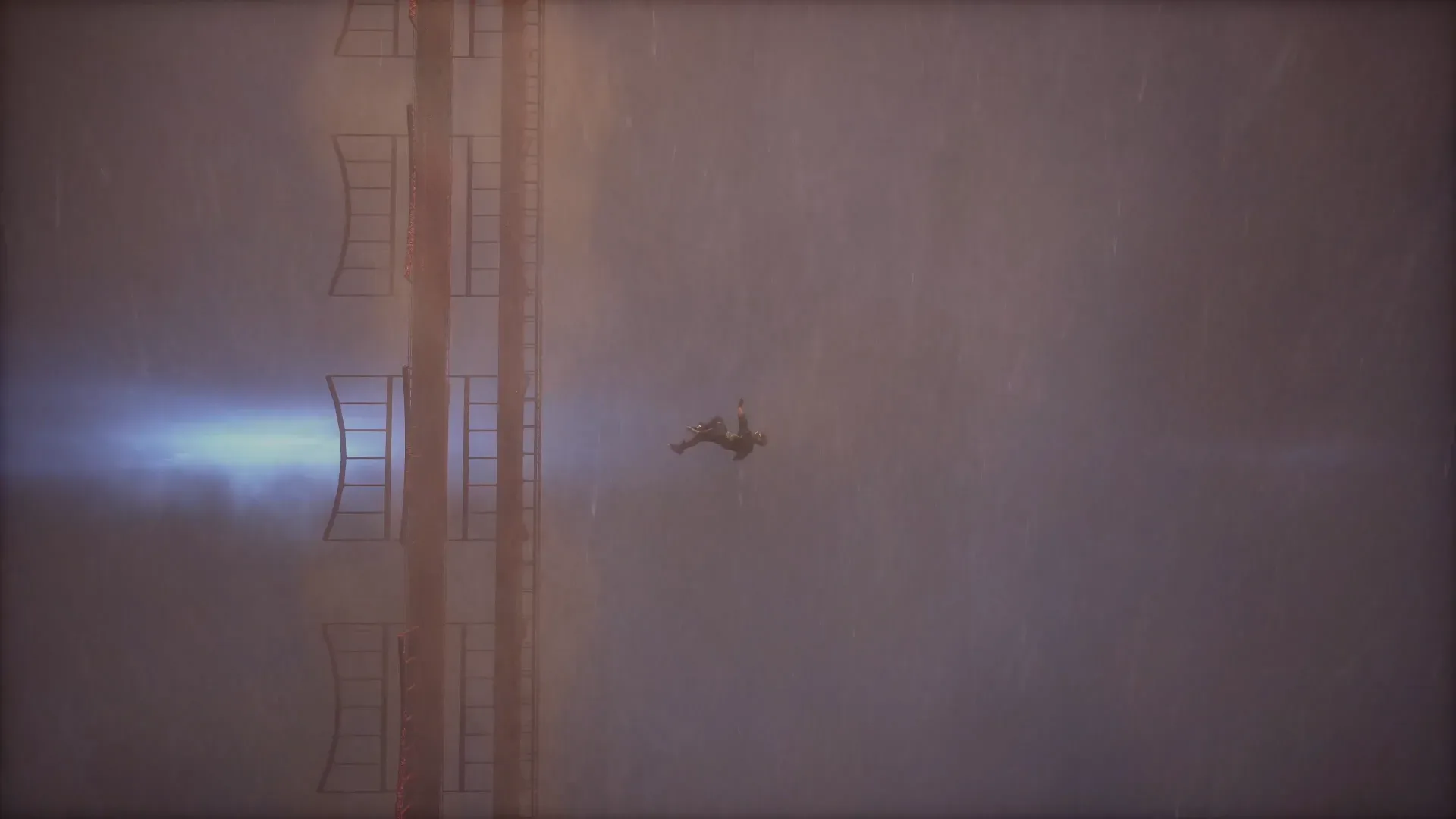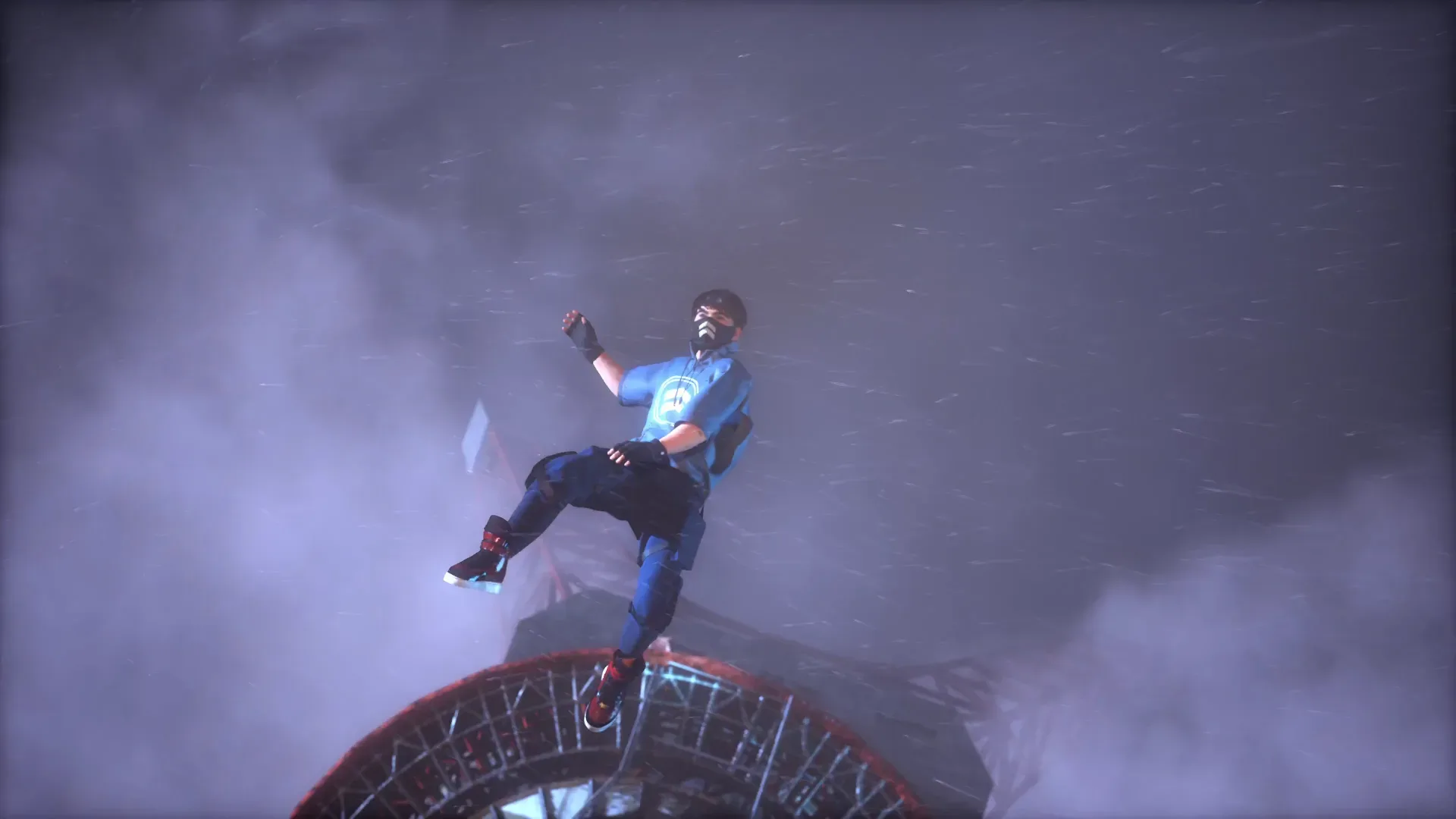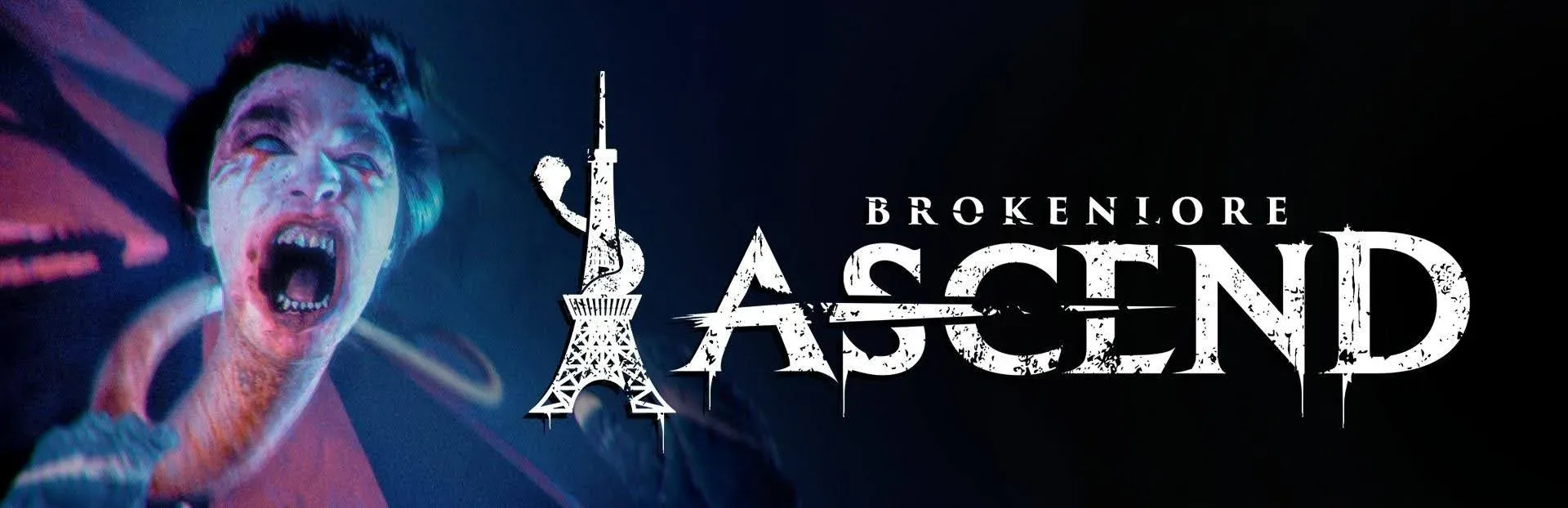
BrokenLore: ASCEND is scheduled to arrive on January 7, 2027, bringing psychological horror to an especially uncomfortable setting: the exposed exterior of a tower high above Tokyo. The first-person game is headed to PlayStation 5, Xbox Series X|S and PC, with the PC version planned for both Steam and the Epic Games Store.
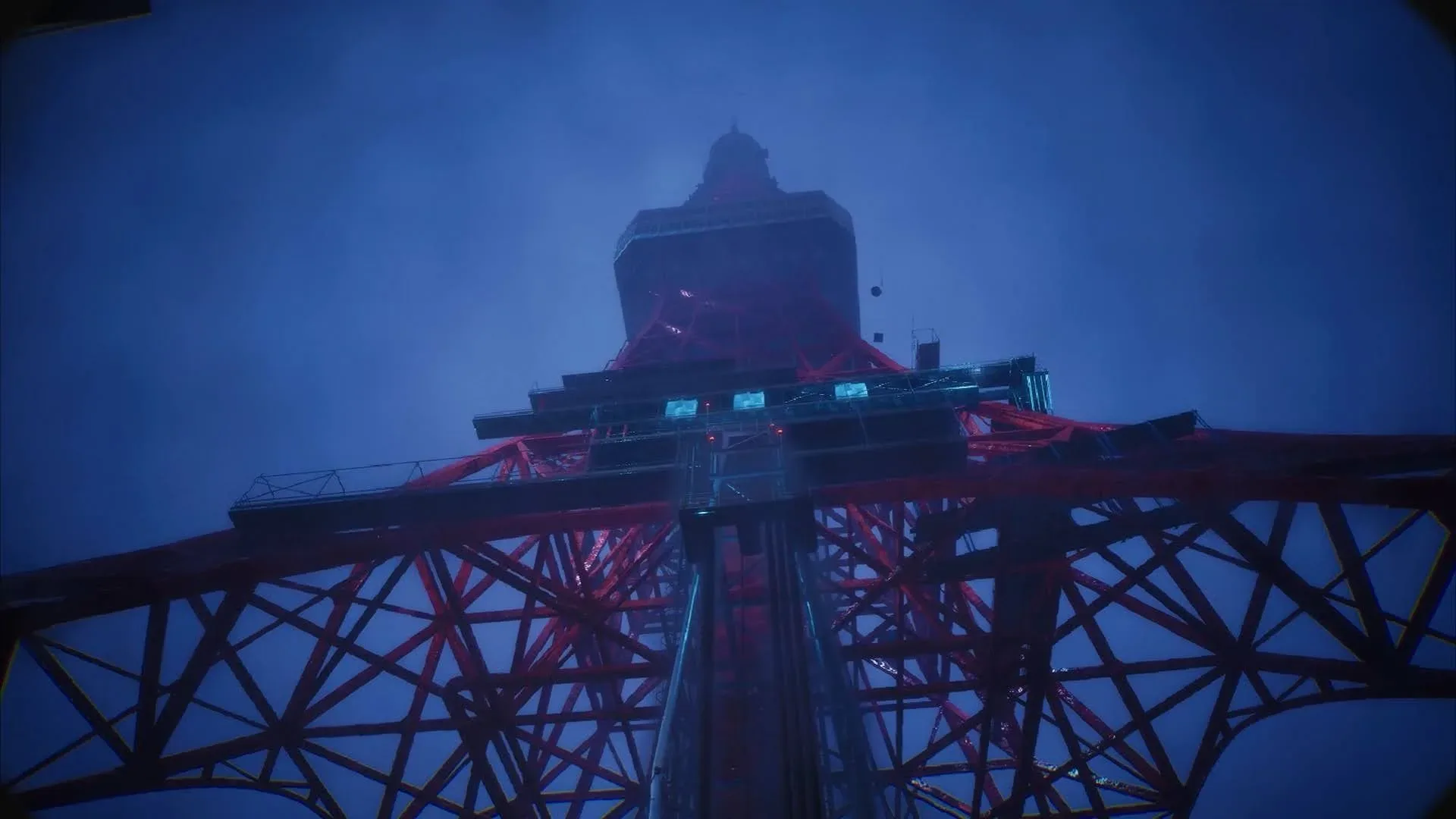
Its central hook is not simply that there is a monster in a tall building. Players will control rooftop climbers Ren and Yui after they break into Elysium Tower for an illicit nighttime ascent. Elysium Tower is a reimagining of Tokyo Tower, made with an official license, and the risky attempt to gain notoriety turns into a survival scenario when a Rokurokubi begins stalking the pair.
That setup gives ASCEND a sharply focused horror premise. Heights, darkness, wind, narrow footholds and the threat of being discovered are all presented as pressures acting at once. Instead of treating the vertical setting as a scenic backdrop, the game’s announced systems place climbing itself at the center of the danger.
A climb where exposure is part of the threat
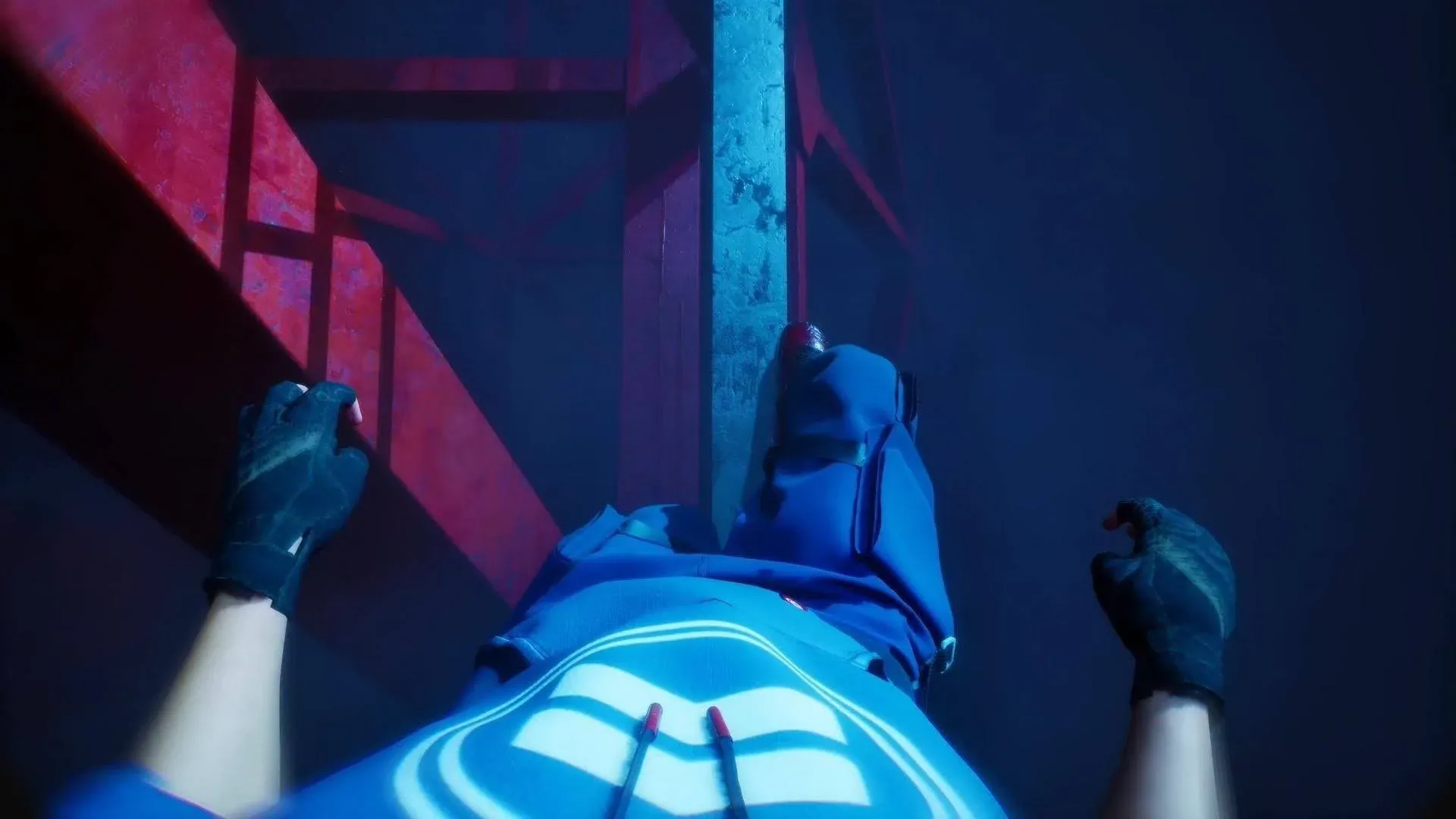
ASCEND is described as a first-person psychological horror game built around free climbing. Players can expect to cross ledges and beams while ascending the tower, with the viewpoint intended to make the scale and exposure feel immediate.
Free climbing, in this context, means climbing is a primary gameplay activity rather than a brief traversal animation between conventional combat or exploration areas. The available details do not yet specify controls, stamina rules, route choices or checkpoint structure. What has been established is that players will be moving across precarious exterior surfaces and that a single mistake can end the climb.
That is a meaningful distinction for the game’s tone. A tower ascent can make every movement feel consequential even before a pursuer arrives. The announcement specifically identifies fear-of-heights mechanics, wind and darkness as key parts of the experience. Those details suggest that ASCEND’s tension will come from the relationship between the player, the route and the environment as much as from direct confrontation.
Fear of heights is often called acrophobia, though the game has not stated that it is attempting a clinical simulation of that condition. Here, “fear-of-heights mechanics” should be understood as a design description: the game intends to use altitude and exposure to create unease. The practical question for players will be how those mechanics affect navigation and decision-making, but those specific implementation details have not been announced.
Ren and Yui’s search for fame turns into a hunt
Ren and Yui begin their climb by sneaking into the tower at night. Their pursuit of fame provides the initial reason to take such an extreme risk, but the situation changes when the Rokurokubi hunts them.
Related coverage includes BrokenLore: ASCEND Sets January 2027 Launch for Tokyo Tower Horror Climb.
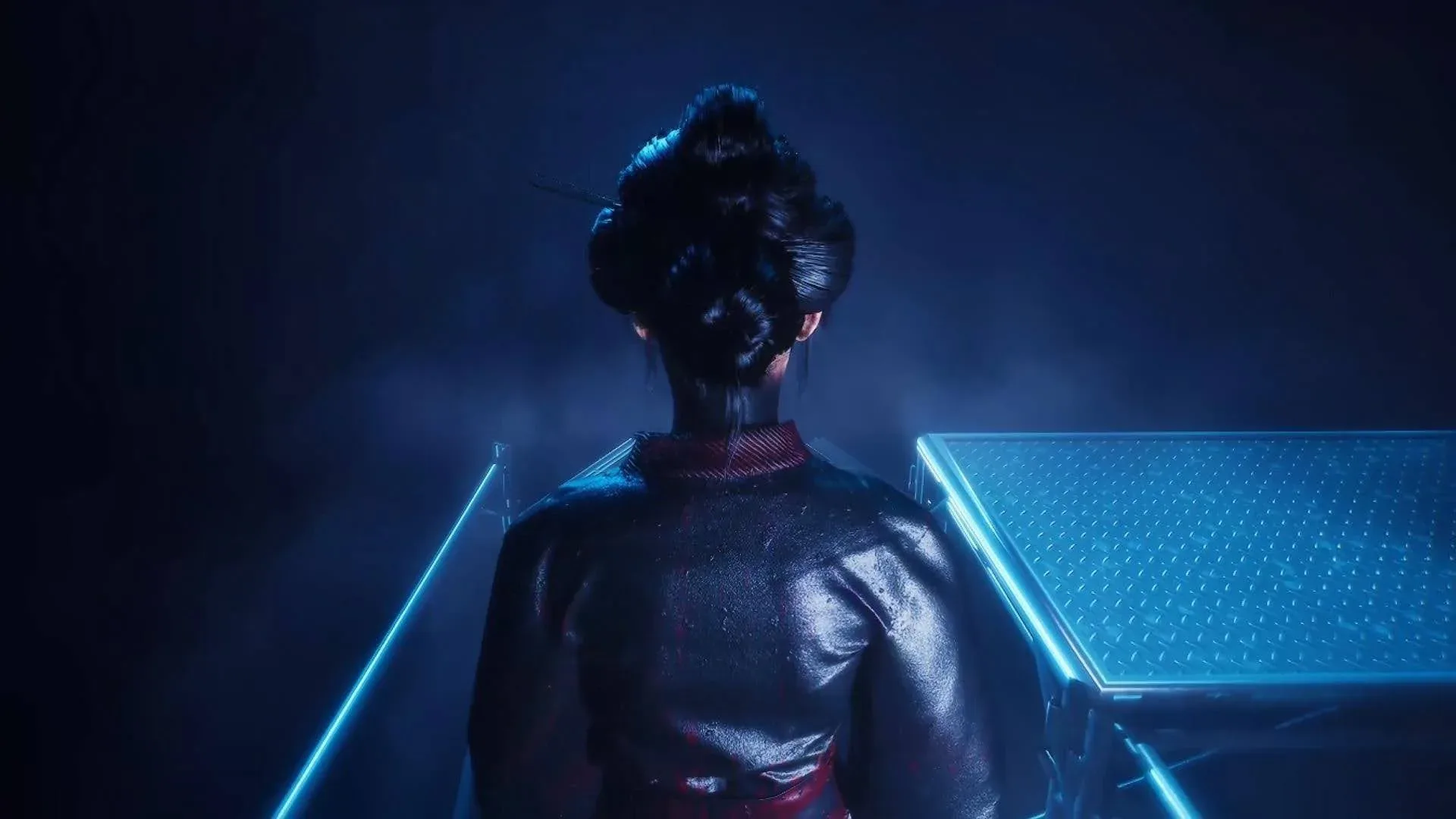
The Rokurokubi is identified as a yōkai, a broad Japanese term used for supernatural beings and phenomena in folklore. This particular creature is characterized by a neck that stretches like a snake. It is a naturally unsettling antagonist for a tower story: a creature with abnormal reach can turn spaces that appear distant or out of reach into places where danger may arrive suddenly.
The game’s announced answer to that threat is stealth. Players will need to hide and avoid the Rokurokubi while remaining on the tower’s edge. Stealth generally refers to play built around staying undetected, whether by using cover, breaking line of sight, waiting for openings or moving carefully through a hostile space. ASCEND has confirmed the broad role of hiding and evasion, but has not detailed detection indicators, tools, enemy behaviors or whether any direct means of defense will be available.
That uncertainty is part of what makes the premise intriguing. The climb already creates a mobility constraint: an exposed beam or ledge is not the same as a broad corridor with multiple exits. Adding a predator to those confined routes could make timing, positioning and restraint more important than speed. This is analysis of the announced concept rather than confirmation of a specific gameplay system, but it follows directly from the game’s emphasis on climbing, hiding and the consequences of an error.
Elysium Tower and the role of a real-world landmark
The location is presented as Elysium Tower, a fictionalized version of Tokyo Tower. The use of an officially licensed recreation gives the game a recognizable architectural foundation while still allowing the setting to be altered for its horror story.
The distinction matters. Elysium Tower is not being positioned as a literal documentary rendering of a real visit to Tokyo Tower; it is a reimagined game location. The tower’s cultural recognizability and immense vertical form support the fiction, while the altered name and horror premise establish it as its own place within BrokenLore.
For a first-person horror game, an identifiable tower also offers a clear spatial promise. Players know from the outset that the objective is above them, and the climb’s vertical progression can serve as a visible measure of risk. The announcement does not provide a map, a floor count, or a list of landmarks players will encounter, so it is too early to infer the game’s exact scale. Still, the tower is plainly more than a thematic location: it is the structure around which the climbing and stalking mechanics are built.
A standalone chapter in the broader BrokenLore saga
ASCEND will tell a standalone story while also contributing to the larger BrokenLore saga. That wording is useful for prospective players: the Ren and Yui story is being framed as complete enough to approach on its own, even as it shares a wider continuity with other BrokenLore projects.
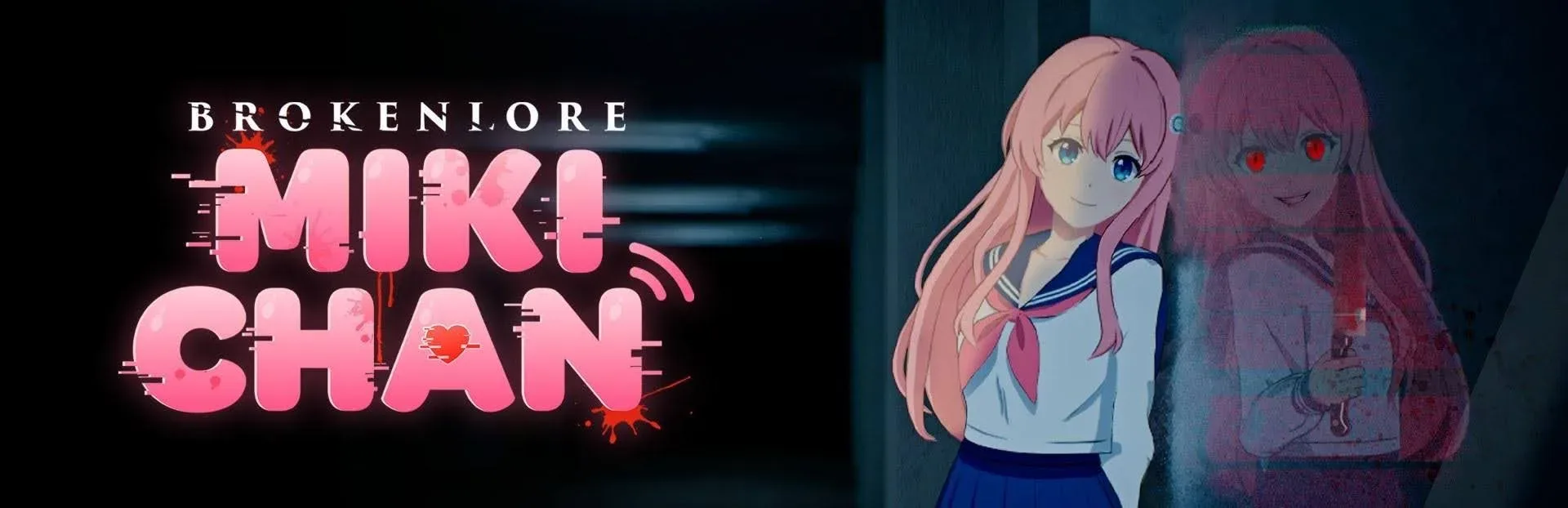
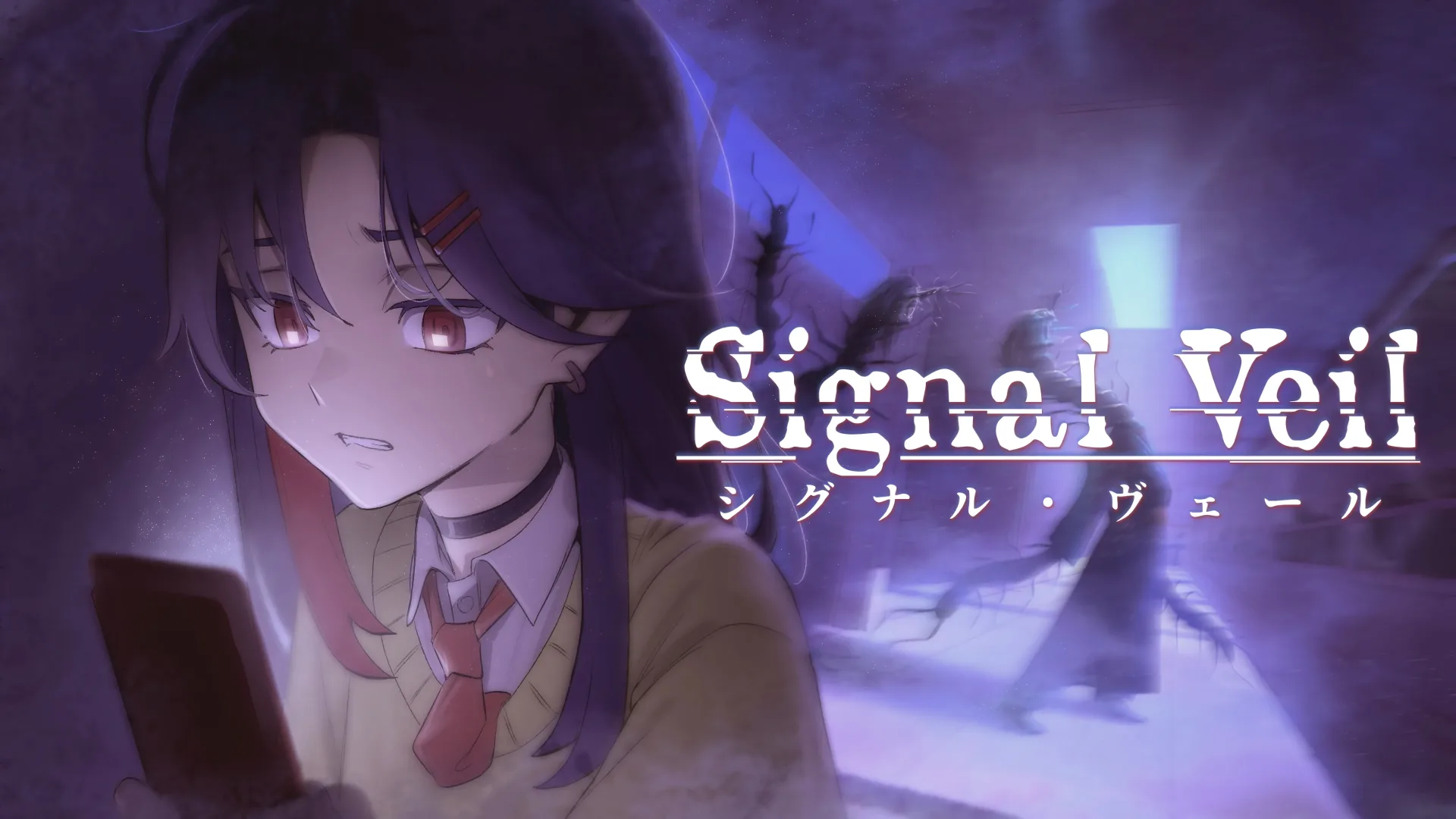
The announcement also points to BrokenLore: MIKI-CHAN, another previously revealed first-person psychological horror chapter. MIKI-CHAN is set in a Japanese high school and explores a darker side of the AI character MIKI-CHAN. It is also planned for PlayStation 5, Xbox Series X|S and PC.
No release date for MIKI-CHAN was provided here, nor were precise narrative links between the two games explained. The available information supports a cautious reading: BrokenLore is being developed as a connected saga with distinct settings and stories, rather than a single setting repeated from entry to entry. ASCEND’s tower climb and MIKI-CHAN’s school setting indicate substantially different horror spaces, but they are both described as first-person psychological horror experiences.
Players following horror games with similarly character-driven danger and stalker pressure may also be interested in The Pines’ approach to choices and stalkers.
Platforms and what remains unknown
BrokenLore: ASCEND is scheduled for PlayStation 5, Xbox Series X|S and PC on January 7, 2027. On PC, it is planned for Steam and the Epic Games Store. The project is being published by Tokyo-based Serafini Productions and Singapore-based Soft Source.
Those are the confirmed platforms in the announcement. There is no stated version for Nintendo hardware, previous-generation PlayStation or Xbox consoles, or other PC storefronts. There are also no announced details on price, pre-orders, editions, accessibility options, performance targets, controller support or system requirements.
The same restraint applies to gameplay specifics. The key pillars are clear—first-person free climbing, stealthy evasion, a fear-of-heights focus, wind, darkness and the Rokurokubi—but the exact shape of those systems remains to be seen. For now, ASCEND stands out because its horror premise joins two immediate anxieties: falling from an exposed tower and being hunted while trying not to do so.
- Release date: January 7, 2027
- Platforms: PlayStation 5, Xbox Series X|S, PC
- PC storefronts: Steam and Epic Games Store
- Playable characters: Ren and Yui
- Setting: Elysium Tower, a licensed reimagining of Tokyo Tower
- Core premise: A forbidden night climb becomes a survival escape from the Rokurokubi