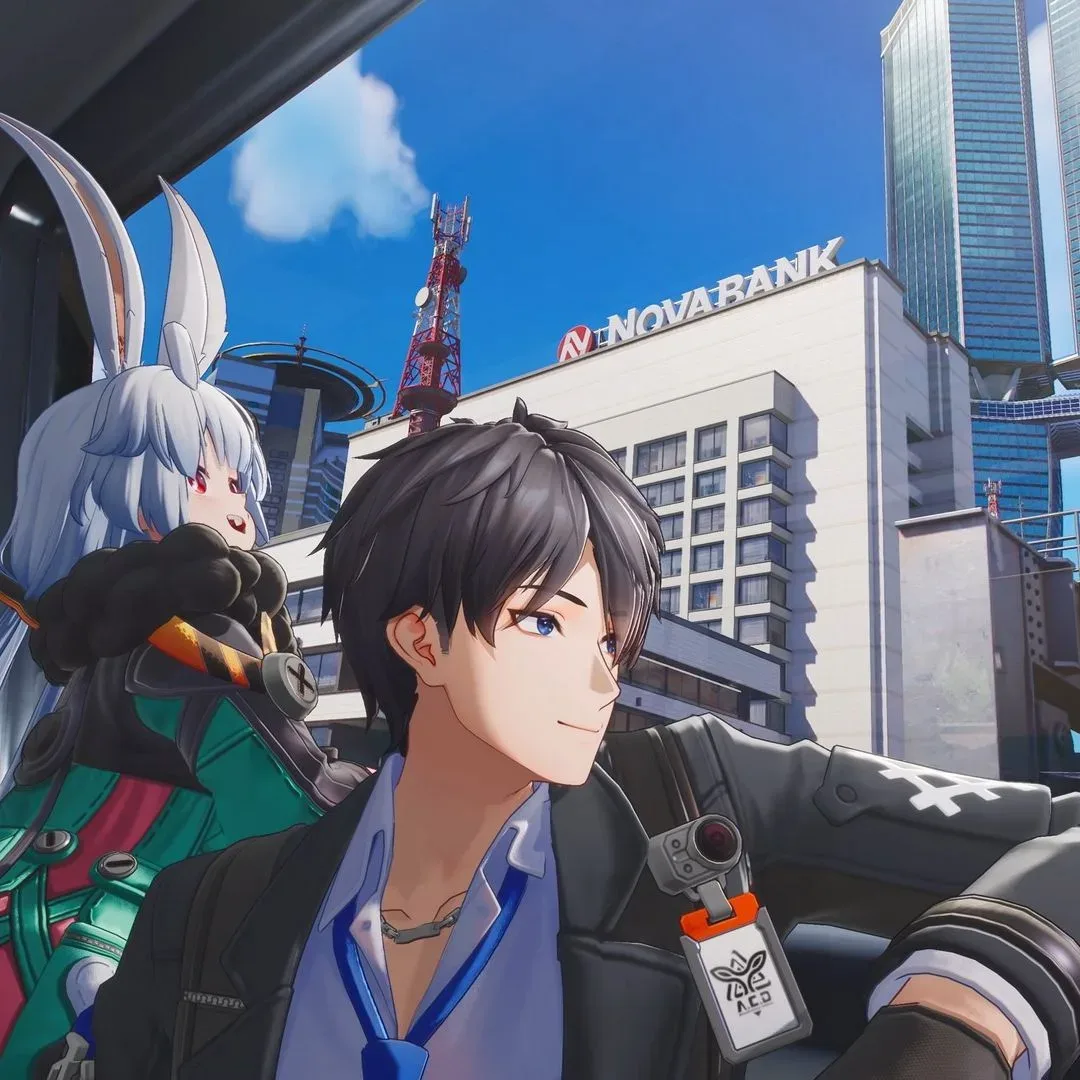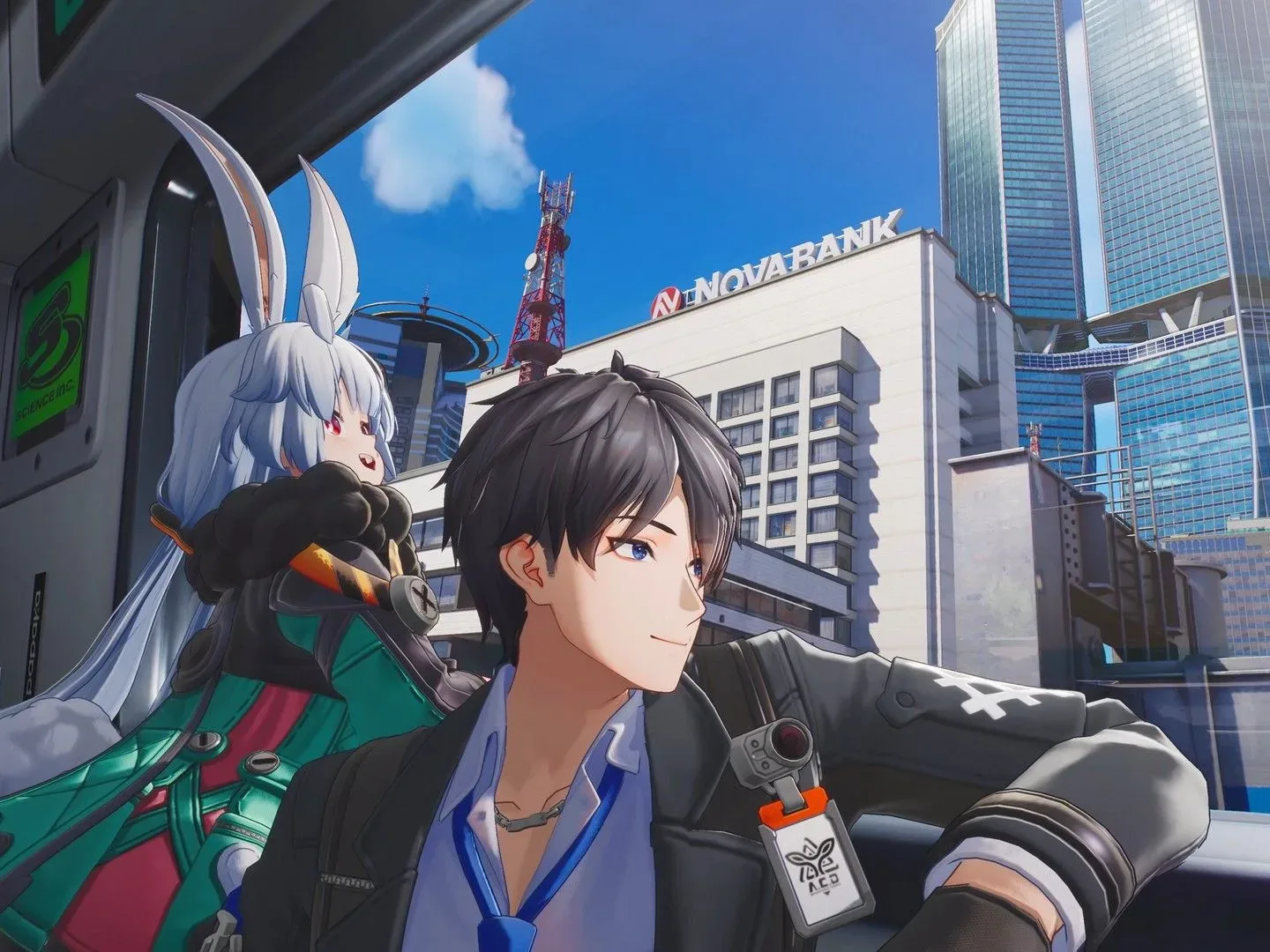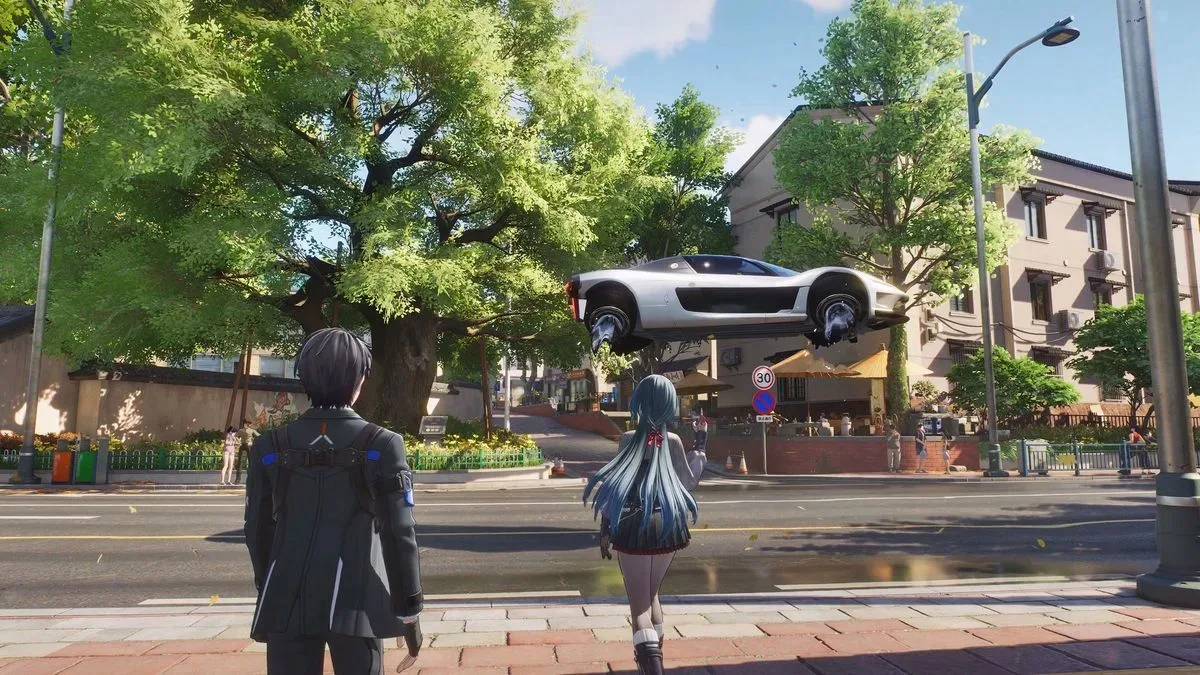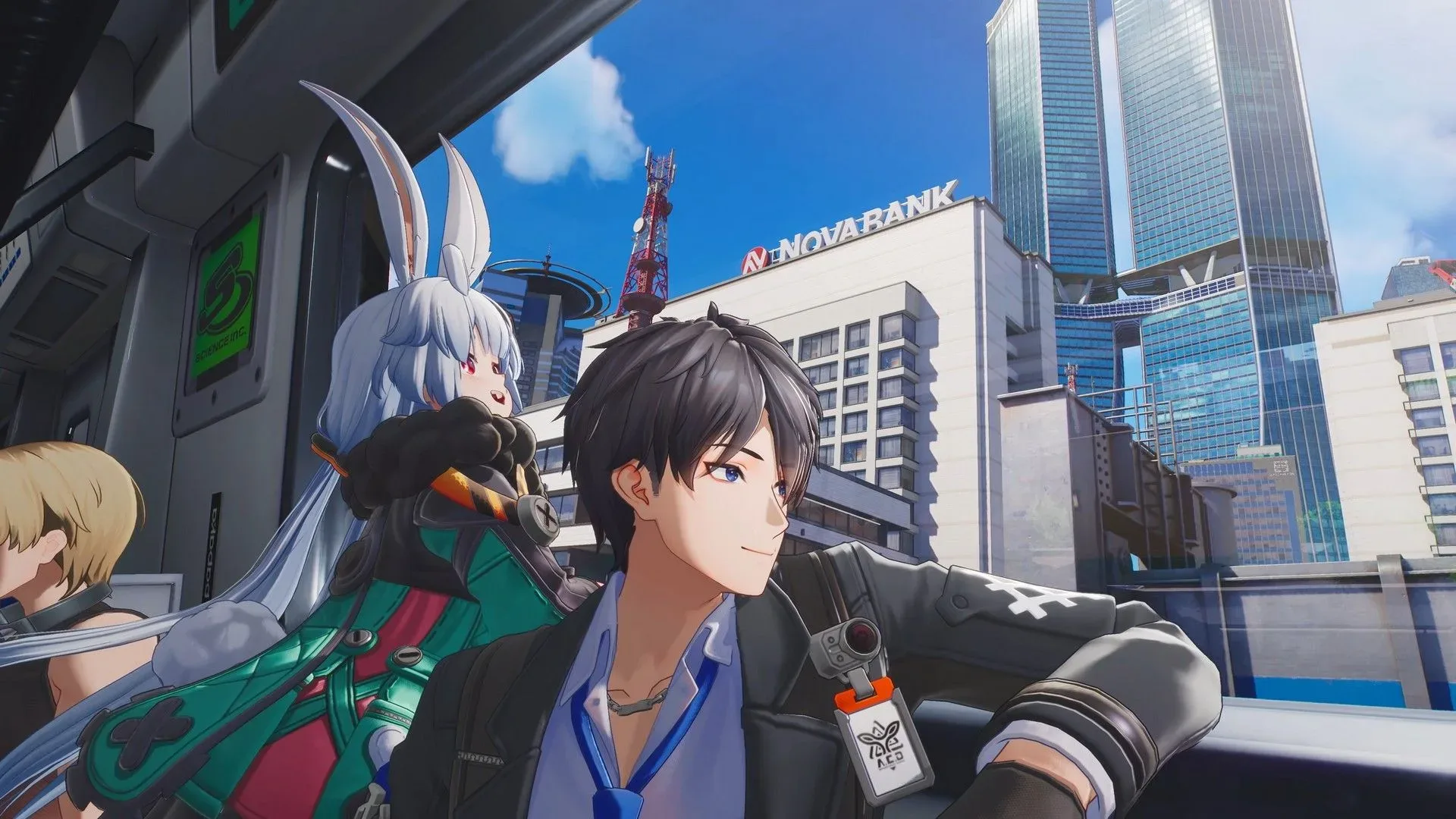
Ananta has the kind of pitch that practically writes its own viral comparison: a free-to-play anime open world with superpowered traversal, street fights, vehicle chases, guns, shops, side activities, multiple playable characters and a city large enough to invite inevitable GTA comparisons. It is being developed by Naked Rain and published by NetEase Games, with a release date of January 15, 2027 planned for PC, PlayStation 5 and mobile.
That is an enormous amount to promise before getting to the less easily summarized portions of the game. A recent demonstration reportedly moved through several dramatically different scenarios in roughly an hour: close-quarters combat against gangs, fast aerial movement between buildings, a prolonged chase involving driving and shooting, police-style civilian encounters, a stealth escape from a rural temple, and exploration in multiple distinct regions. The result sounds less like a single clear genre proposition than a giant basket of familiar systems.
That breadth has clearly generated attention. Ananta emerged from Gamescom as the event’s third most-wishlisted game, behind Warlock and The Witcher 3. The enthusiasm is understandable. A game offering a densely populated urban playground, stylized characters and so many activities can be easy to sell in a trailer. The harder question is whether all those pieces are joined by a satisfying central identity rather than simply occupying the same downloadable client.
A superhero-flavored opening without superheroes
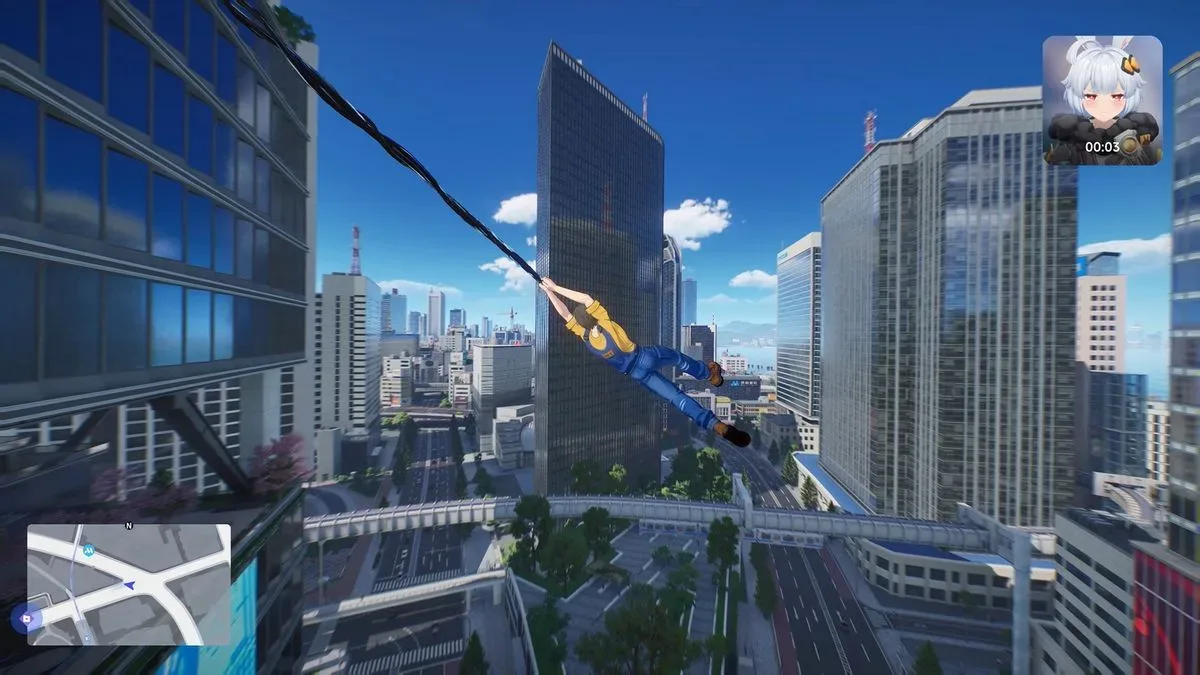
The demo begins with an exceptionally polished anime hero in a suit, whose arms can produce dark, tentacle-like extensions. In combat, these powers are used alongside an assortment of environmental and melee actions: enemies can be struck with thrown manhole covers, battered at close range, and dispatched with acrobatic finishing attacks.
The controls and visual language are likely to look very familiar to players of modern blockbuster action games. The comparisons do not stop once the fight ends, either. The protagonist’s arm-powered mobility lets him launch himself from buildings and swing through the city. It is not literally a Spider-Man game, of course, but it leans into the same immediate fantasy: movement that turns the skyline into a network of possible routes.
Borrowing recognizable design ideas is not automatically a flaw. Open-world games routinely learn from each other, and a traversal mechanic can be enjoyable even when its influences are conspicuous. The issue for Ananta is the scale of the overlap across so many systems. The game will need more than anime character designs and an unusually crowded feature list to make its city feel like a place players cannot get somewhere else.
Driving, shooting and a very busy city
Before the demo settles into free exploration, it pivots into a major car chase. Part of the sequence has the player hanging out of a vehicle and firing at pursuing jeeps, targeting both tires and windows as opponents weave through traffic or crash away from the action. The other portion moves the player into the driver’s seat for a route through narrowing side streets and construction areas.
On paper, that combination is encouraging. Games that attempt to be an action brawler, traversal sandbox, driving game and shooter often have at least one underdeveloped discipline. The driving and gunplay shown here were described as capable enough in the moment, which matters for a game whose appeal depends on rapidly changing the activity in front of the player.
Related coverage includes Ananta Hands-On: A Huge Free-to-Play Open World Still Searching for Its Own Identity.
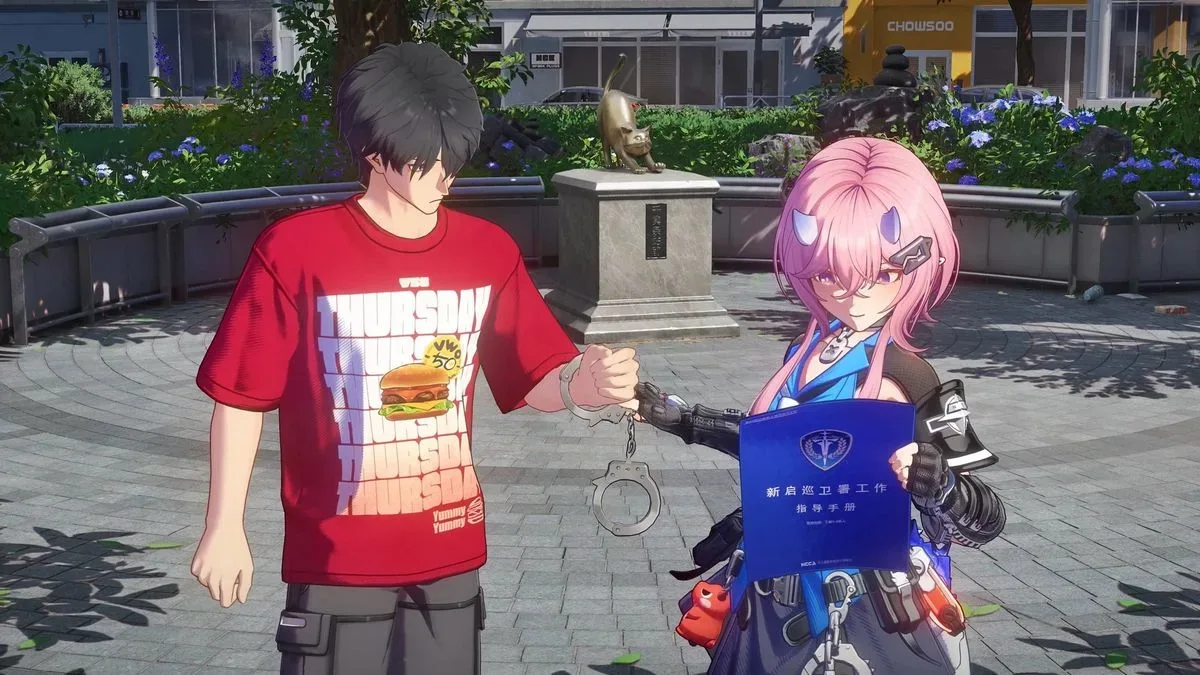
A second playable character appears during the chase and can then be switched to while exploring. The transition reportedly uses a pulled-back city view before focusing on the selected character, another feature that immediately brings big open-world crime games to mind. This character is a police officer, giving her a different suite of interactions from the tentacle-powered hero.
Her ability allows her to question and detain pedestrians. One described encounter involved a salaryman who passed a breathalyzer test, then panicked and ran after an attempt was made to arrest him anyway. It is a small, strange example, but it illustrates the game’s appetite for systems beyond combat missions. Ananta does not seem content to provide a city only as a backdrop for punching criminals; it wants players to poke at civilian behavior, businesses and public spaces as well.
Two settings, several genres and one looming cohesion problem
The main city is said to draw inspiration from enormous Chinese urban areas. Gyms, cinemas and shops are among the locations that can be entered or interacted with, while street-level trouble can emerge in the form of hostile encounters. Those details suggest a world designed for more than mission-to-mission travel, and the urban section may be the most compelling part of Ananta’s pitch. A lively city with strong traversal and varied distractions has the potential to support a lot of play.
Then the demonstration sharply changes course.
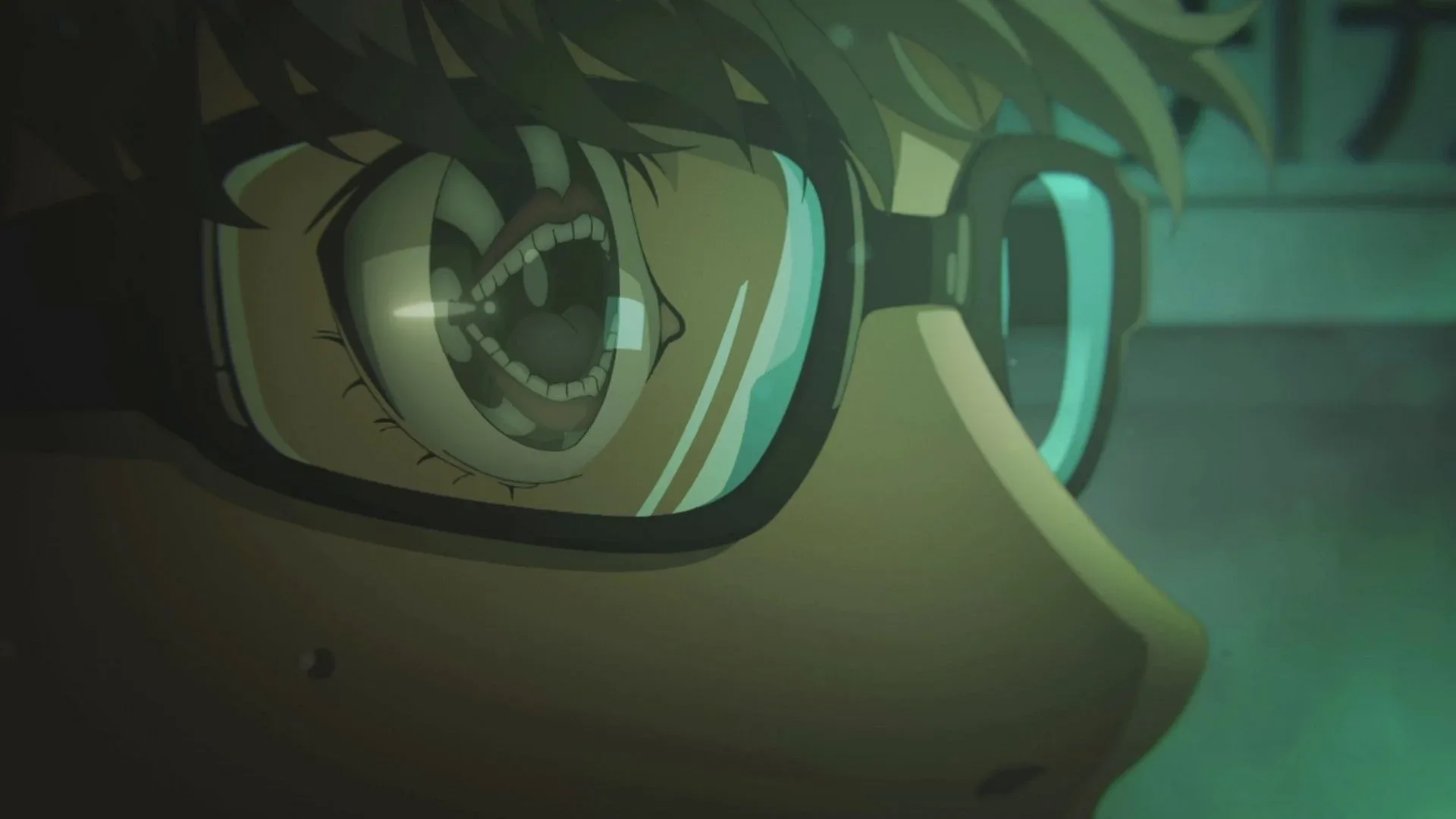
New characters appear in a different map and the focus becomes stealth. Two young sisters attempt to escape a rural temple while evading kidnappers. The visual and thematic shift is substantial: the urban area’s leather-clad, rust-punk adversaries and improvised-looking vehicles give way to organized pursuers in formal clothing and animal masks.
After that escape, the game opens into yet another environment inspired by a quiet Japanese countryside town. The amenity list changes with the setting. Instead of the city’s gyms and movie theaters, the town includes market stalls and fairground-style games. It sounds attractive in isolation, and the contrast could ultimately become a strength if the full game provides a meaningful story or structural reason for these shifts.
Based on the material shown so far, however, the connective tissue remains unclear. The countryside temple, neon-heavy urban spaces, supernatural mobility, police mechanics, gun-heavy pursuit and stealth-focused sisters all seem to be asking players to reset their expectations. Variety can prevent an open world from becoming monotonous, but too much abrupt variety can make a game feel like a sequence of unrelated demonstrations.
The free-to-play question is bigger than scope
Free-to-play games can be massive, ambitious productions, so Ananta’s business model does not preclude a huge map or a broad feature set. But the planned scope raises practical questions that have not yet been answered by the described demo. How the character roster works, what progression looks like, how often gameplay styles overlap, and what monetization does to the pace of collecting or upgrading will all matter enormously.
None of those details should be assumed from the current glimpse. For now, the confirmed basics are the platforms, the developer and publisher, the January 15, 2027 launch date, and an open-world RPG label that may be too broad to capture what is actually being built. Ananta appears to contain elements of an action game, driving game, shooter, stealth adventure and social city sandbox, all filtered through anime aesthetics.
That could be a feature rather than a defect for the right audience. Some players actively want an “everything game,” especially one that changes the rhythm before any single activity wears out its welcome. A packed city where players can swing across towers, chase vehicles, visit venues, fight gangs and switch characters is an instantly understandable proposition. Fans tracking other large Japanese-styled projects can also see how established series manage the challenge of combining dramatic stories with varied character-focused systems, as with Persona 4 Revival’s plan to include Marie from the beginning.
For Ananta, the real differentiator will be the relationship between its many moving parts. Familiar combat can be forgiven if the missions make clever use of distinct characters. Familiar traversal can feel fresh if the city is designed around it rather than merely accommodating it. A rural stealth chapter can enrich an urban sandbox if its narrative connection is convincing. And an abundance of activities can become a genuine world instead of a checklist if players have clear reasons to care about the places and people inhabiting it.
At present, Ananta’s strongest quality may be its willingness to attempt nearly everything at once. That is also its greatest risk. The game has time before its 2027 release to show why its disparate influences belong together. Until then, the “free anime GTA” shorthand captures the scale of the curiosity around it, but not necessarily the answer to what Ananta itself wants to be.