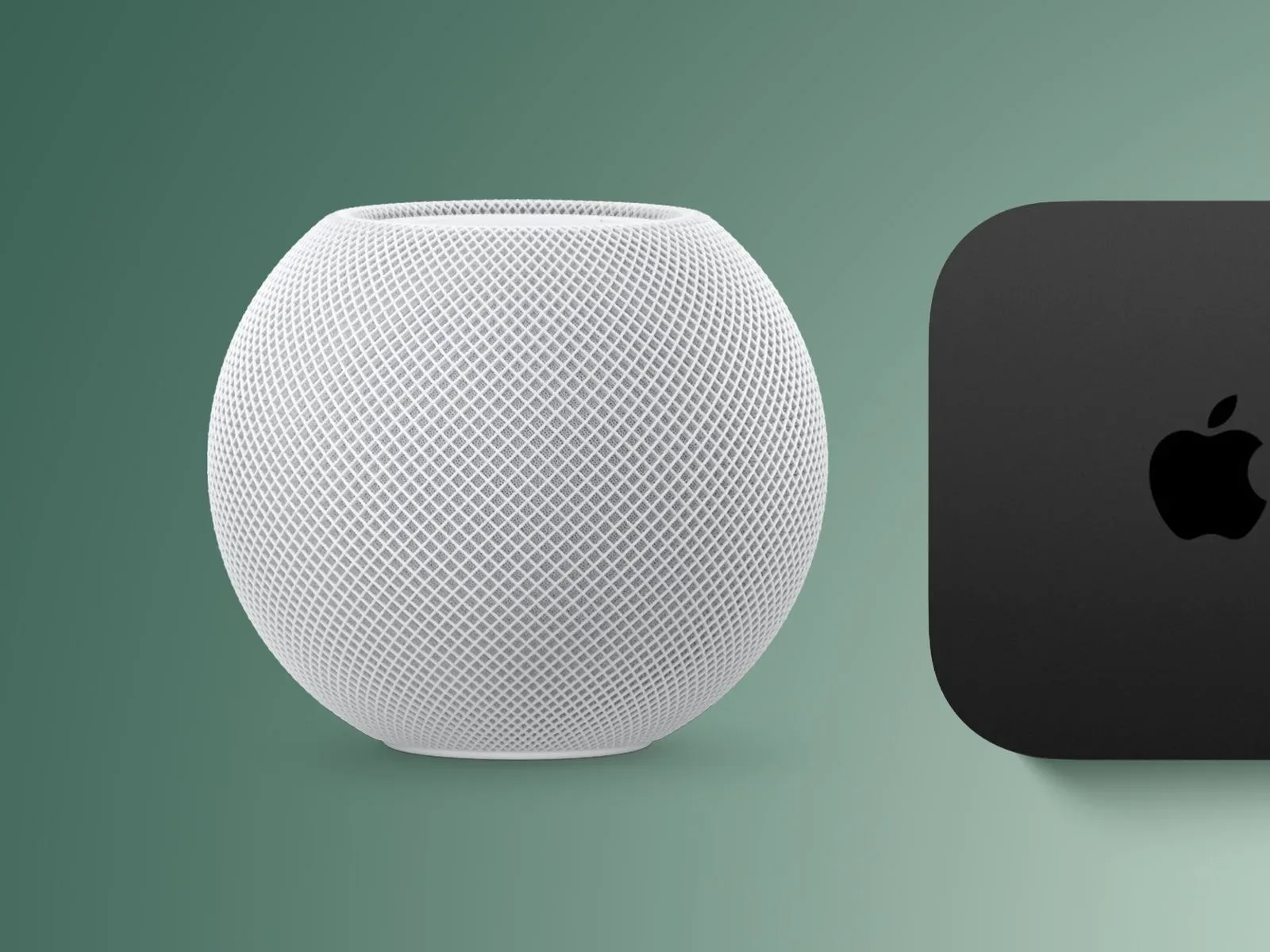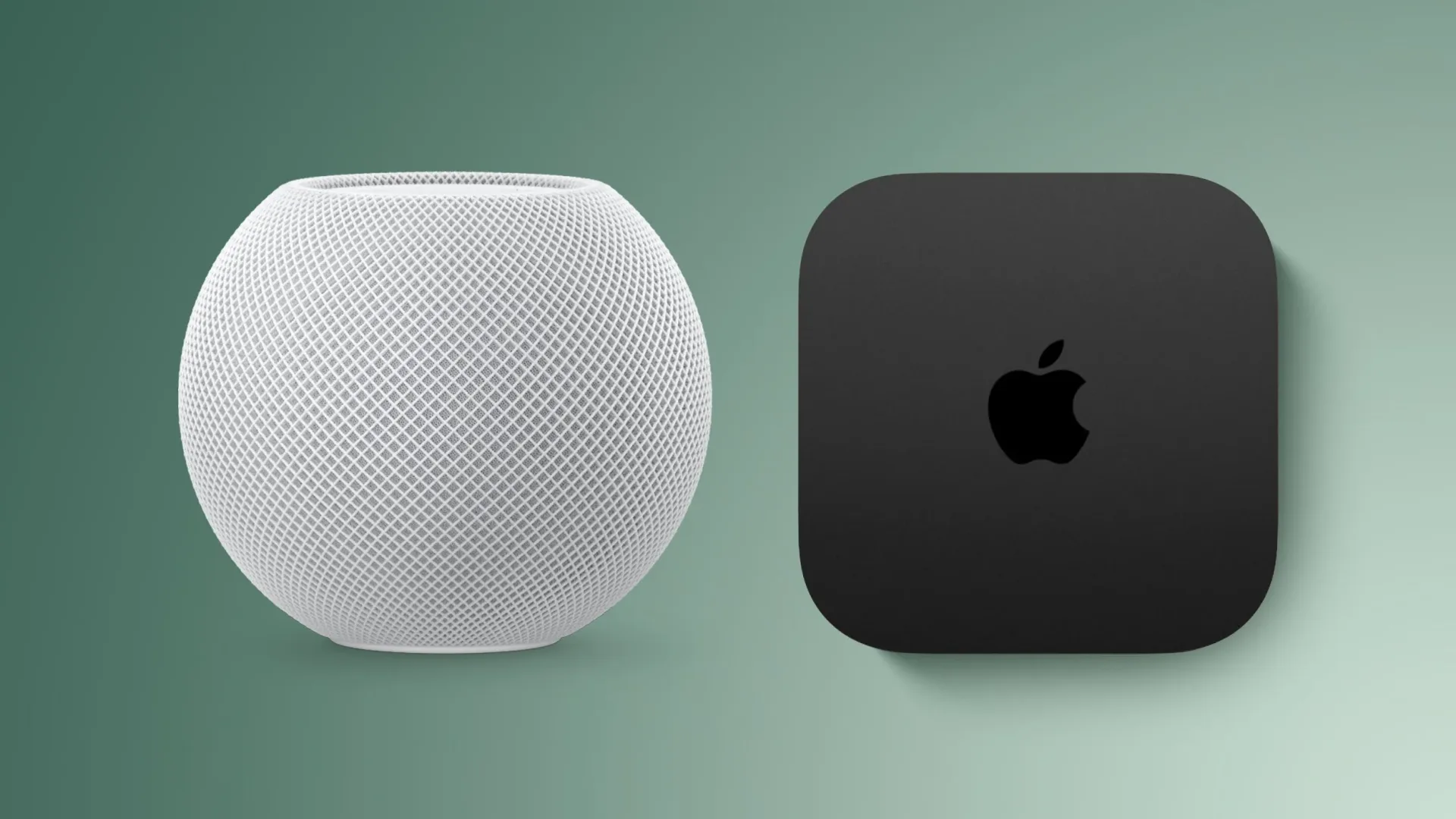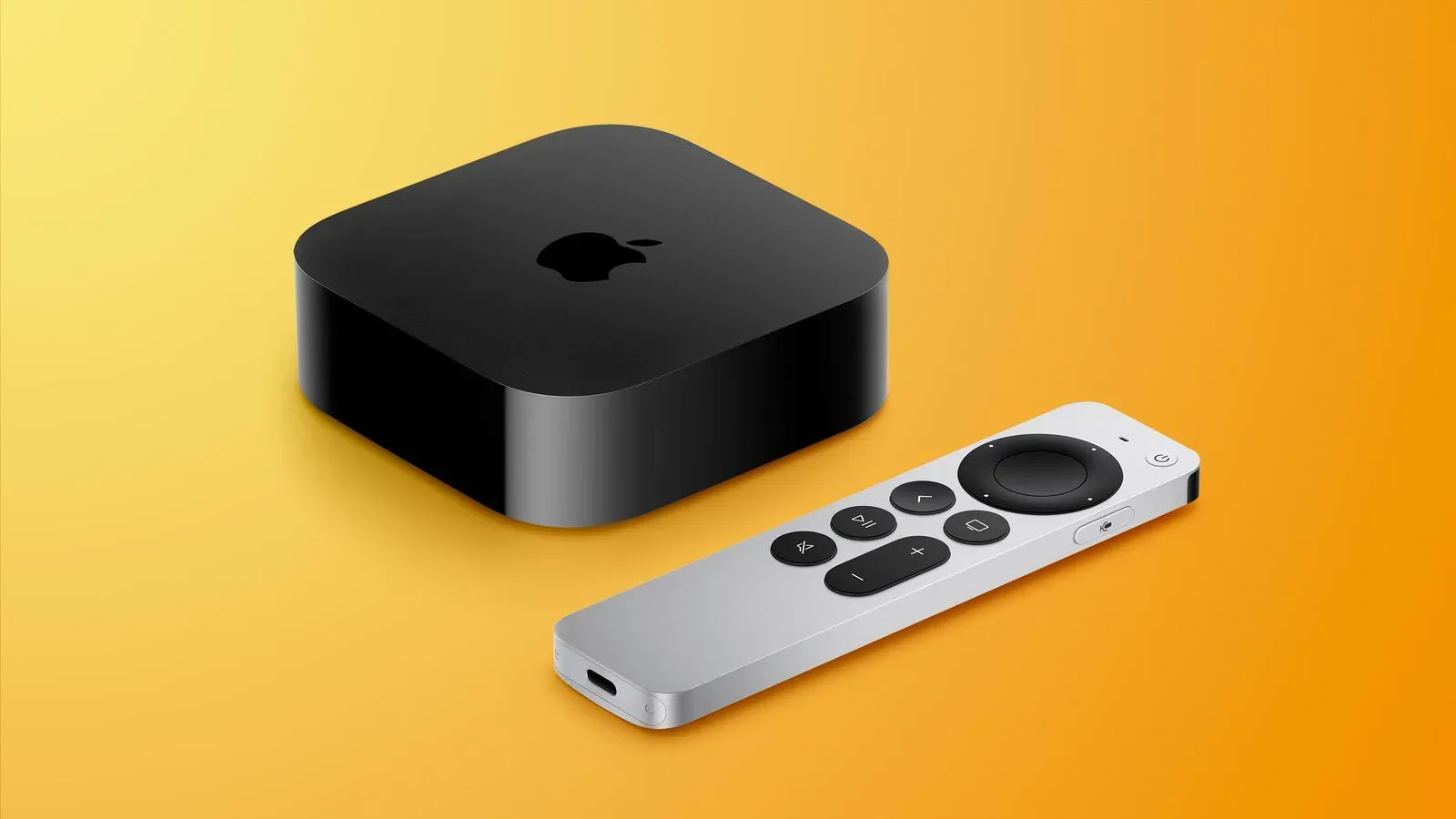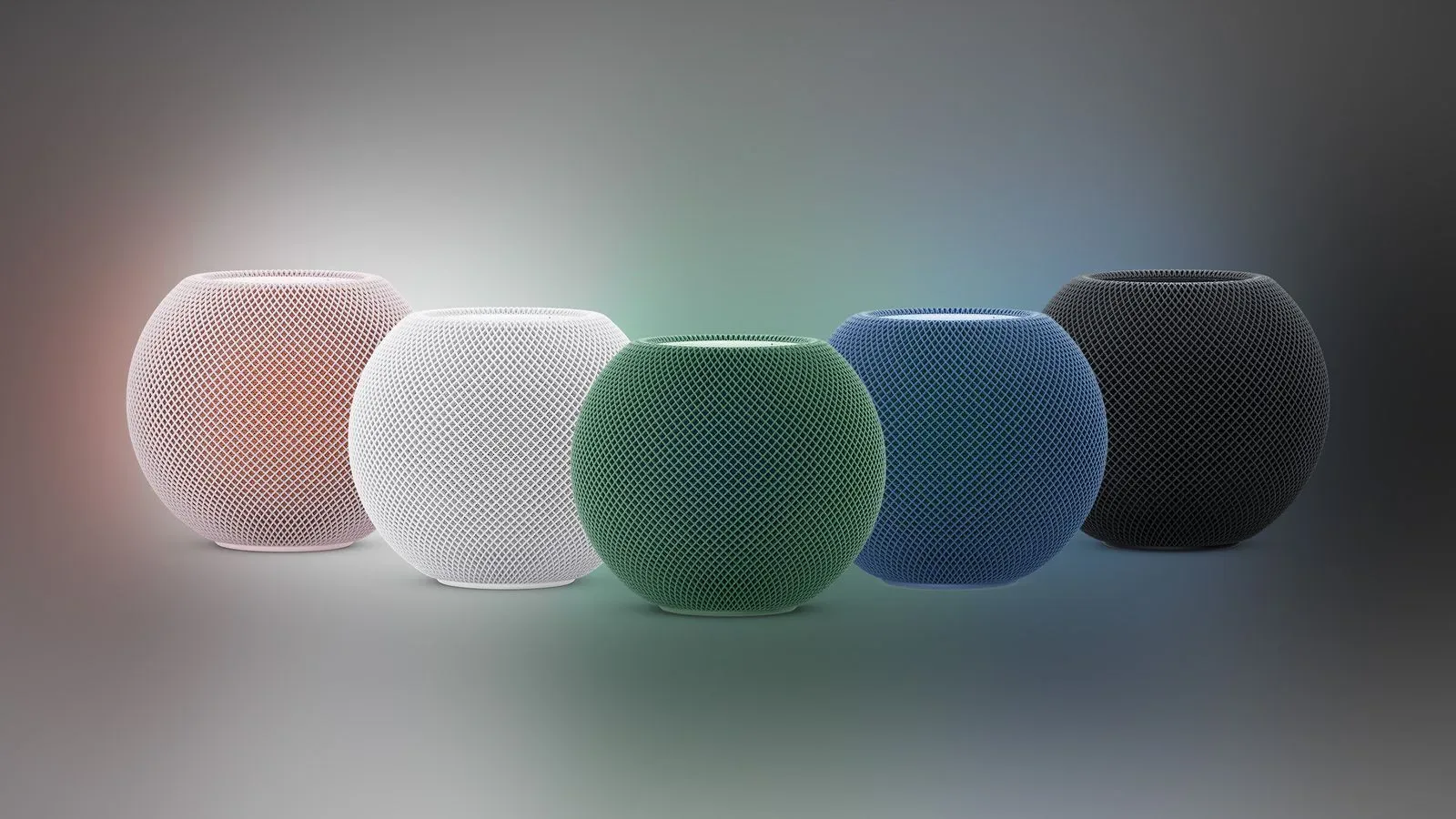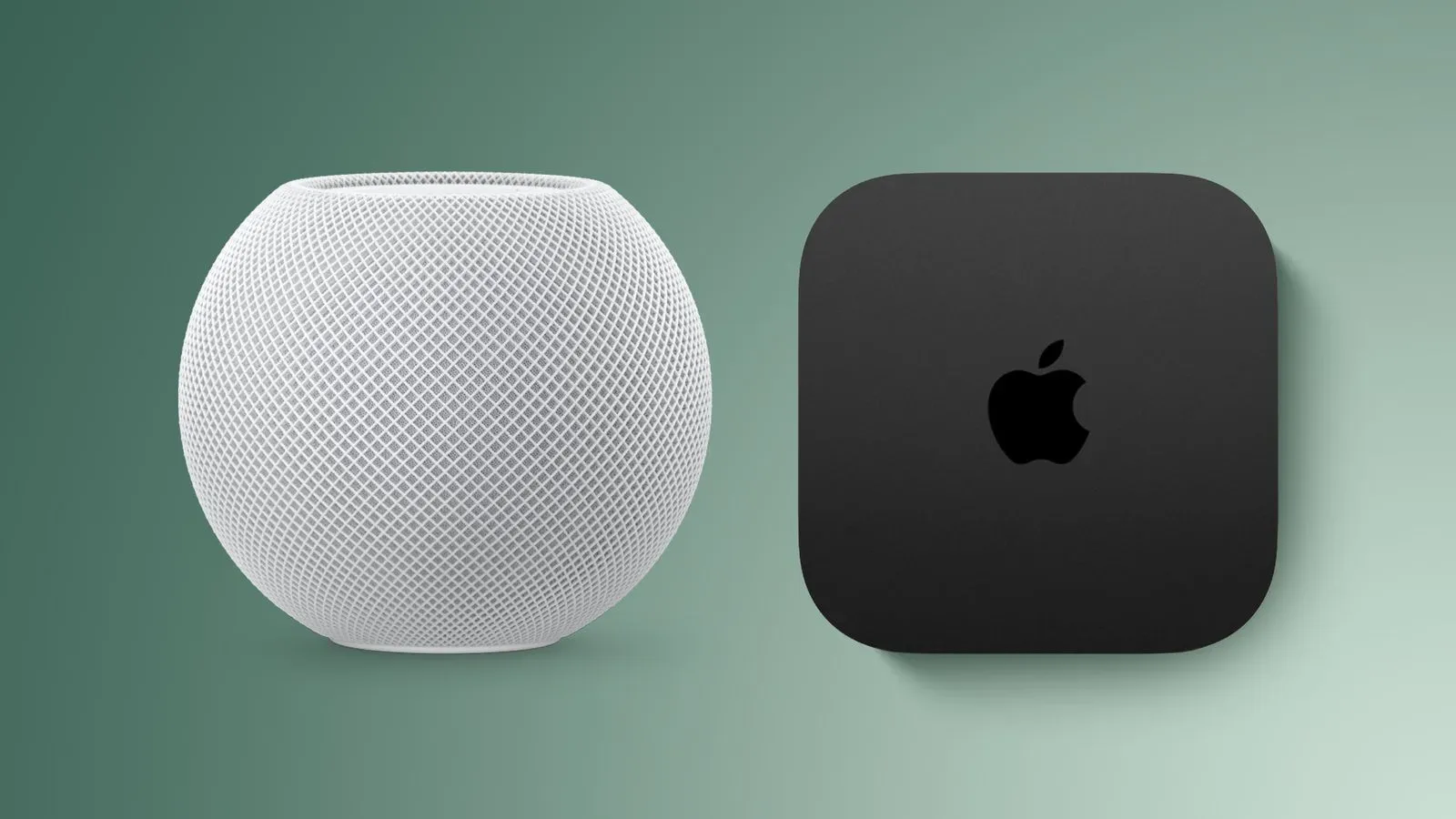
Apple’s next living-room hardware refresh may arrive before October is out. A new Apple TV 4K powered by an A19 chip and a new HomePod mini using an S10 chip are reportedly scheduled to ship to customers and reach stores on Friday, October 30.
The timing remains prospective rather than official. Apple is expected to reveal both products at its October 13 event, titled “Welcome home,” alongside a newly named smart-home hub, HomeView. The report places HomeView’s arrival later, around the middle of November, though that schedule is described as subject to change.
What is reportedly arriving on October 30
The two products in the reported October 30 launch are an updated Apple TV 4K and an updated HomePod mini. The defining hardware details presently attached to them are their chips: A19 for the streaming box and S10 for the compact smart speaker.
A system-on-a-chip, often shortened to SoC, is the primary package of computing components inside a device. In broad terms, it governs how quickly the hardware can process tasks and supports the software capabilities available to it. The reported chip names therefore matter, but they do not independently establish what new features either product will offer. No specific performance claims, software additions, design changes, prices, or configurations have been detailed here.
For the Apple TV 4K, the A19 reference points to a newer-generation processor than the device’s existing internal hardware. That makes the refresh notable for a media device that sits at the intersection of streaming, apps and the wider connected-home setup. It is also consistent with an earlier report that the Apple TV 4K was expected to move to A19 silicon and could gain a Siri Remote speaker intended to help owners locate the remote. That remote detail has not been reaffirmed in the newer timing report, so it should be treated separately from the October 30 claim.
Readers looking for that earlier reported detail can find it in our coverage of the Apple TV 4K’s reported A19 upgrade and possible remote-finding feature.
The HomePod mini is likewise said to receive an S10 chip. Apple’s smaller smart speaker is an important part of any Apple-focused home setup because it is designed around voice interaction and room-to-room presence rather than a television interface. Still, the chip alone does not tell prospective buyers whether the speaker’s audio, microphones, wireless behavior, physical appearance, or smart-home functions are changing. Those questions will need an official product announcement to answer.
October 13 is the date to watch first
The reported launch plan begins with Apple’s October 13 “Welcome home” event. That title is a direct clue to the apparent theme: home entertainment and smart-home control. If the expected product list is accurate, the event would bring together three distinct kinds of hardware:
- An Apple TV 4K for the television.
- A HomePod mini for voice-led interaction and audio.
- HomeView, a dedicated smart-home hub.
That grouping is more meaningful than three unrelated releases. A streaming box is typically used through the TV; a smart speaker is meant to be accessible from around the home; and a hub is intended to provide a central place for interacting with smart-home functions. Apple has not yet provided the formal feature set for HomeView in the information available, so it would be premature to define exactly how it will work or which devices it will support.
What can be said is that its reported introduction places it at the center of the event. The HomeView name had previously surfaced in a trademark filing, and it is now expected to be the label of Apple’s new hub. Trademark material can reveal a name, but it does not by itself provide a dependable product specification. The event, if the expected announcement occurs, should be the point at which the name, purpose and product details become clear.
HomeView is reportedly on a different schedule
The main complication is timing. While the new Apple TV 4K and HomePod mini are reportedly due October 30, HomeView is currently expected around mid-November. The report’s wording leaves room for movement, making the distinction especially important for anyone considering a larger smart-home purchase.
In practical terms, an October event does not necessarily mean every newly shown product will be available immediately. If the schedule holds, buyers interested only in a refreshed streaming device or compact speaker may have an earlier opportunity than those waiting specifically for the hub. Buyers whose interest is in how all three products fit together may want to wait for the full set of specifications and confirmed availability windows before making a decision.
That is not a recommendation based on undisclosed capabilities; it is simply a way to avoid treating an expected announcement as a complete purchasing picture. The reported staggered rollout means the product family may become official in October while not being fully on sale until November.
Why the chip references are worth noting—and what they do not prove
Technical product rumors often reduce a refresh to a processor name. That shorthand is useful, but incomplete. The A19 and S10 references establish a reported hardware direction, not a finished list of benefits.
For example, a newer chip can potentially provide more processing headroom. In plain language, headroom means capacity beyond what a device needs for a basic task at a particular moment. It can matter for responsiveness, future software requirements and processing-intensive features. But without Apple identifying the relevant workloads and measuring the gains, it is not possible to responsibly convert “A19” or “S10” into claims about speed, visuals, audio quality, intelligence features, or longevity.
That difference is useful for shoppers. A chip name is a specification. A practical improvement is an outcome. The former may be reported now; the latter needs product details and, eventually, real-world evaluation. Until then, it is safer to regard the processors as signs of updated internals rather than promises of any particular experience.
What remains unknown
Several purchasing essentials are absent from the current report. There is no confirmed pricing for the Apple TV 4K, HomePod mini or HomeView. There are no stated storage options, colors, physical dimensions, connectivity changes, supported controls, bundled accessories, or country-by-country availability details. There is also no official confirmation of the October 13 event announcements or the October 30 ship date.
The report also does not specify whether HomeView’s mid-November target refers to deliveries, stores, or both. Those distinctions can matter when a product launches in stages. For now, the clearest reported timeline is straightforward: Apple TV 4K and HomePod mini on October 30, followed by HomeView around mid-November.
How to read the reported rollout
The likely October presentation appears designed to frame Apple’s television hardware, compact speaker and home-control ambitions as parts of one room-to-room ecosystem. Yet the available information supports a measured interpretation. The Apple TV 4K and HomePod mini have reported chip upgrades and a proposed launch day; HomeView has a reported name and a later, less certain timeframe. Beyond that, many of the details that determine whether an upgrade makes sense are still unannounced.
For now, October 13 is the key checkpoint. If Apple introduces the products as expected, it should clarify the features behind the A19 and S10 labels, explain HomeView’s role, and confirm whether October 30 is the final delivery and retail date for the Apple TV 4K and HomePod mini.